
What Internal Temperature Is Pulled Pork Done?
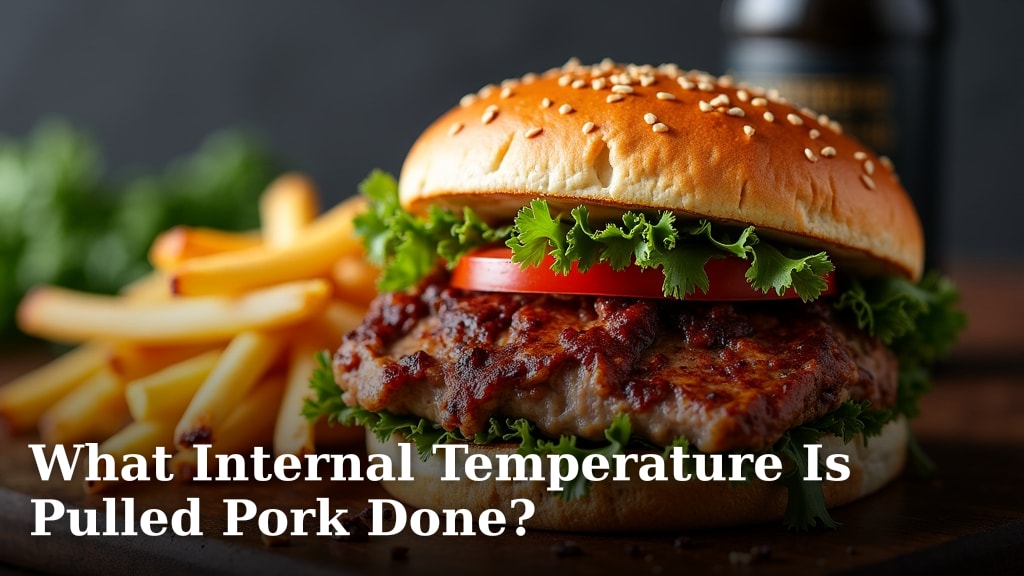
Pulled pork is done when it reaches an internal temperature of 195-205°F (90-96°C). This temperature range ensures the pork is tender and easy to shred. Remember, temperature is king for perfect pulled pork.
You’re aiming for a temperature that breaks down the connective tissues. This makes the pork fall-apart tender. Reaching this magic number is key to delicious, juicy pulled pork every time. Don’t rush the process; patience pays off.
- Pulled pork is ready at 195-205°F.
- This temp makes it super tender.
- Use a meat thermometer for accuracy.
- Patience is key for great results.
Let’s walk through exactly how to know when your pulled pork is perfectly cooked, from start to shred. We’ll cover what to look for and why it matters. For more details, our guide on how to smoke pulled pork offers step-by-step instructions.
“`htmlKnowing When Your Pulled Pork is Perfectly Done
So, you’ve got a beautiful cut of pork shoulder, lovingly seasoned and ready for the heat. But how do you know when it’s truly finished and ready to be transformed into that glorious, shredded masterpiece? The secret lies in its internal temperature. We’re not just guessing here; temperature is your most reliable guide to that fall-apart tender perfection.
The Magic Temperature Range for Pulled Pork
When we talk about pulled pork being “done,” we’re referring to a specific temperature that indicates the connective tissues have broken down enough. This process, often called rendering, is what makes the meat incredibly tender and juicy. Research and culinary experts consistently point to a target range.
Why This Temperature Range Matters
The magic number for pulled pork is generally between 195°F and 205°F (90°C to 96°C). Why this specific range? At these temperatures, the collagen within the pork shoulder starts to melt and turn into gelatin. This gelatin lubricates the muscle fibers, making the meat incredibly moist and tender. It’s the difference between tough, chewy pork and succulent, melt-in-your-mouth goodness. You’re essentially waiting for the meat to reach a point where it’s virtually falling apart on its own.
The Role of Connective Tissues
Pork shoulder, or Boston butt, is a tough cut of meat. It’s packed with connective tissues and fat. These tissues are like the ‘glue’ holding the muscle fibers together. Slow cooking at low temperatures over a long period is what breaks down this connective tissue. The heat helps it to soften and eventually dissolve. By the time your pork reaches that 195-205°F mark, those tissues have done their job and are no longer making the meat tough.
Using a Meat Thermometer: Your Best Friend
Forget about visual cues or time estimates alone. The most accurate way to ensure your pulled pork is perfectly cooked is by using a reliable meat thermometer. This isn’t just a helpful tool; it’s essential for consistent results. You need to know the exact internal temperature of the meat.
Choosing the Right Thermometer
There are several types of meat thermometers available. An instant-read digital thermometer is highly recommended. They provide quick and accurate readings, which is great when you’re checking on your pork. Some thermometers are designed to stay in the meat throughout the cooking process, sending readings to a base unit. Whichever you choose, make sure it’s calibrated correctly.
How to Properly Take the Temperature
When checking the temperature, insert the thermometer probe into the thickest part of the pork shoulder. Be careful to avoid hitting any large bones, as this can give you an inaccurate reading. You want to measure the temperature of the actual meat. It’s a good idea to check the temperature in a few different spots to ensure even cooking. This helps you understand the overall doneness of the entire roast.
Beyond Temperature: What Else to Look For
While temperature is king, it’s not the *only* thing you should consider. Experienced pitmasters often use a combination of temperature and feel. Think of it like baking a cake; you use a timer, but you also check if a toothpick comes out clean. Similarly, with pork, temperature is your primary guide, but a little tactile feedback can confirm it’s ready.
The ‘Feel’ Test: Probe Tenderness
Once your pork reaches the lower end of the target temperature range (around 195°F), you can perform the “probe tender” test. This involves gently probing the pork with the thermometer or a skewer. If it slides in with very little resistance, almost as if it’s going into soft butter, then your pork is ready. If you feel significant resistance, it needs more time. This test is a great confirmation, but again, rely on the temperature reading first.
Visual Cues to Consider
Visually, pulled pork that’s ready will often look dark, sometimes almost black, on the outside (especially if you’ve used a dark rub or smoked it). The meat itself will appear very moist and may have started to pull away from the bone (if you’re cooking a bone-in shoulder). You might see juices rendering out. These are good signs, but they are secondary to reaching that internal temperature. Don’t pull your pork just because it looks dark!
Understanding the ‘Stall’ in Pulled Pork Cooking
If you’re smoking your pulled pork, you might encounter something called “the stall.” This is a frustrating phenomenon where the internal temperature of the meat plateaus and stops rising for a period, sometimes for hours. It typically happens when the pork reaches temperatures between 150°F and 165°F (65°C to 74°C).
Why the Stall Happens
The stall occurs due to evaporative cooling. As the meat cooks, its internal moisture evaporates from the surface. This evaporation is a cooling process, much like sweating. The rate of evaporation can sometimes be faster than the rate at which the heat penetrates the meat, causing the internal temperature to temporarily stop climbing. Many experts explain this phenomenon (NCBI).
Strategies to Overcome the Stall
Don’t panic when you hit the stall! It’s a normal part of the low-and-slow cooking process. You have a few options:
- Just wait: The most patient method is to simply let the pork continue cooking. Eventually, the temperature will rise again.
- Wrap it: Many pitmasters wrap the pork shoulder in butcher paper or foil. This traps the moisture and prevents further evaporative cooling, helping the temperature climb. This is often called the “Texas Crutch.”
- Increase the temperature slightly: Some choose to slightly increase the cooking temperature of their smoker or oven. This can help push through the stall faster.
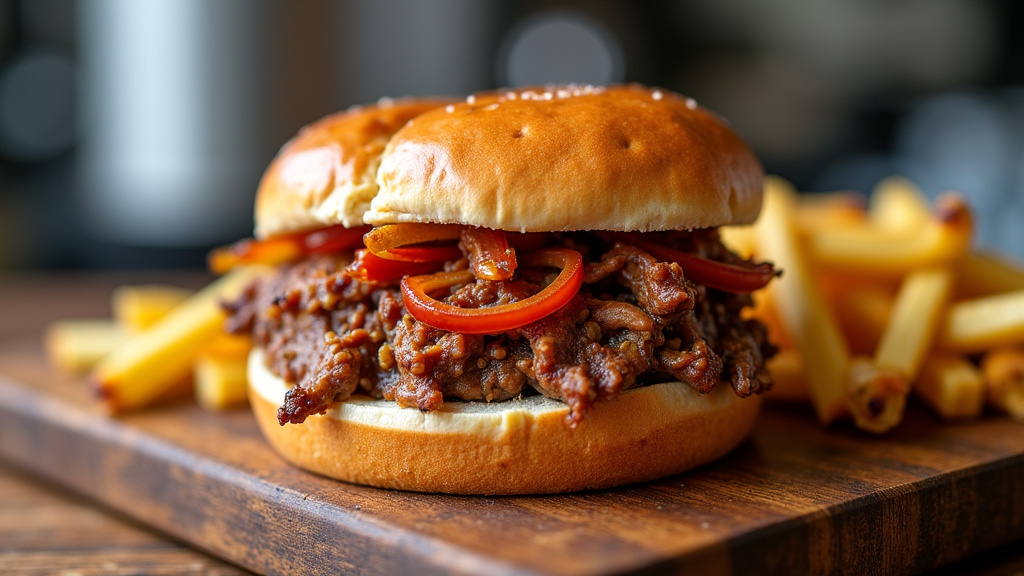
The Importance of Resting Your Pulled Pork
Once your pulled pork hits that perfect 195-205°F internal temperature and passes the probe tenderness test, your job isn’t quite done yet. You need to let it rest. This is a critical step that many home cooks overlook, but it makes a huge difference in the final texture and moisture.
What Happens During Resting
When meat cooks, the muscle fibers contract and push the juices towards the center. If you cut or shred the meat immediately after cooking, those juices will run out onto your cutting board. Resting allows the muscle fibers to relax and reabsorb those juices. This redistribution of moisture results in a much more tender and flavorful final product. Think of it as letting the meat rehydrate itself.
How Long to Rest Your Pulled Pork
A good rule of thumb is to let your pulled pork rest for at least 30 minutes to an hour. If you’ve wrapped it in foil or butcher paper, you can often keep it wrapped and let it rest for a longer period, sometimes even 2-4 hours, especially if it’s still warm. Some pitmasters will even rest it in a cooler wrapped in towels. The USDA recommends resting meats to allow temperatures to redistribute safely (CDC).
Checking for Doneness: A Quick Checklist
To recap, here’s a simple checklist to help you determine if your pulled pork is ready for shredding:
- Internal Temperature: Is it between 195°F and 205°F (90°C-96°C) in multiple spots?
- Probe Tender: Does a thermometer probe slide into the meat with almost no resistance?
- Visual Appearance: Does the meat look moist and is it starting to separate from the bone (if applicable)?
- Resting Period: Has the pork rested for at least 30 minutes after cooking?
- Texture: When you try to pull a piece, does it shred easily without being tough?
Troubleshooting Common Doneness Issues
Sometimes, things don’t go exactly as planned. What if your pork isn’t tender enough, or it seems to be cooking too fast?
When Pork Isn’t Tender Enough
If you’ve reached 205°F and your pork still isn’t probe tender, don’t worry! It just needs a little more time. Continue cooking at your current temperature or slightly lower. Check the temperature and probe tenderness every 30-60 minutes. Every cut of pork is different, and sometimes a particular cut is more stubborn.
When Pork is Cooking Too Quickly
If your pork is approaching the target temperature much faster than expected, and you’re concerned it might dry out, you can try wrapping it tightly in foil or butcher paper. This will help trap moisture and prevent the surface from drying out too quickly. You can also slightly lower the heat source if possible.
Table: Temperature vs. Tenderness Indicators
Here’s a quick look at what different temperatures might indicate:
| Internal Temperature Range | What to Expect | Action Recommended |
|---|---|---|
| 140-150°F (60-65°C) | Still firm, not easily shredded. | Continue cooking. Might be hitting the stall. |
| 165-175°F (74-79°C) | Meat is starting to soften, but still tough. | Consider wrapping if not already done. Wait for the stall to break. |
| 180-194°F (82-89°C) | Getting tender, but still has some chew. | Check probe tenderness. Continue cooking until it feels very soft. |
| 195-205°F (90-96°C) | Ideal range. Fall-apart tender, easily shredded. | Remove from heat, rest, then shred. |
| Above 205°F (96°C) | Likely very tender, but monitor to avoid drying out. | Remove from heat, rest, and shred. Be cautious of dryness if overdone. |
Conclusion
You’ve learned that the magic number for tender, shreddable pulled pork is between 195°F and 205°F (90-96°C). Remember that hitting this internal temperature is key to breaking down connective tissues, ensuring that melt-in-your-mouth texture you’re aiming for. Always trust your meat thermometer, but also pay attention to the ‘probe tender’ feel for confirmation. After cooking, don’t skip the crucial resting period. Now you have all the knowledge to confidently cook perfect pulled pork every single time. Go ahead and put your skills to the test this weekend!
Frequently Asked Questions
Is 200°F always the perfect temperature for pulled pork?
While 200°F (93°C) is right in the sweet spot, the ideal range is generally 195°F to 205°F (90-96°C). Some cuts might be perfectly tender at 195°F, while others need to reach closer to 205°F. Always check for probe tenderness as well as temperature.
Can I tell if pulled pork is done without a thermometer?
Relying solely on visual cues or time can be risky. A meat thermometer is your most reliable tool for accurately determining doneness. While the meat should look dark and moist, temperature is the only way to be sure the connective tissues have broken down sufficiently.
What if my pulled pork stalls at a lower temperature?
The stall is a normal part of the low-and-slow cooking process, often happening between 150°F and 165°F (65-74°C) due to evaporative cooling. You can simply wait for it to pass, wrap the pork in butcher paper or foil (the ‘Texas Crutch’), or slightly increase your cooking temperature to push through it.
How long should I rest pulled pork after it reaches temperature?
After your pulled pork hits the target temperature, let it rest for at least 30 minutes to an hour. Resting allows the juices to redistribute throughout the meat, making it much more tender and moist. You can rest it longer if it stays warm.
Can I cook pulled pork to a lower temperature and still have it be tender?
Generally, no. Pulling pork at lower temperatures, like 165°F (74°C), will result in tougher meat because the connective tissues haven’t had enough time to break down. You need to reach the 195-205°F (90-96°C) range for that signature tender, shreddable texture.
