How to Smoke Ribs on a Weber Smokey Mountain
Smoke ribs on a Weber Smokey Mountain at 250°F, with the ribs on the cooking grate above the water pan. Adjust the vents in small steps, watch the cooker temperature, and judge doneness by tenderness.
On this page (9 sections)
- What temperature works best for Weber Smokey Mountain ribs?
- How should you set up the Weber Smokey Mountain?
- Where should you place ribs in the cooker?
- How should you prepare the ribs?
- When should you wrap the ribs?
- How do you know the ribs are done?
- Can you smoke beef ribs on a Weber Smokey Mountain?
- What are the most common Weber Smokey Mountain rib mistakes?
- What is the best method for Weber Smokey Mountain ribs?
Smoke ribs on a Weber Smokey Mountain at 250°F, placing the ribs on the cooking grate above the water pan. Use steady charcoal heat, make small vent changes, and cook until the racks feel tender rather than relying only on the clock.
The Smokey Mountain's stacked design makes rib placement simple. The lower grate sits closer to the water pan and heat source, while the upper grate usually gives you more room to work and can make checking the meat easier.
For the general process, see our guide to How to Smoke Ribs?. The Smokey Mountain needs a few cooker-specific adjustments, especially when you manage the vents, water pan, and two cooking levels.
What temperature works best for Weber Smokey Mountain ribs?
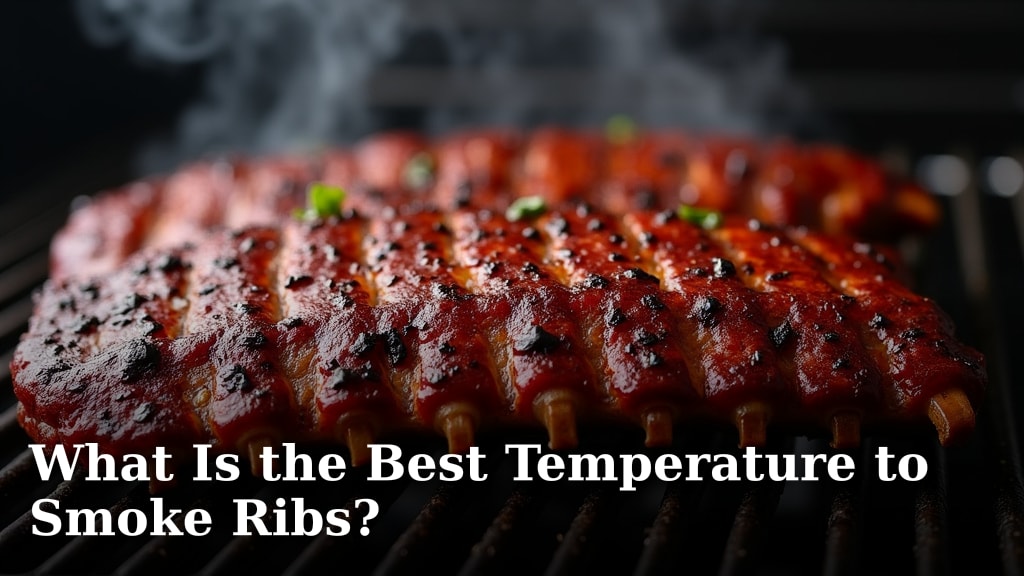
Set the Weber Smokey Mountain for about 250°F at the cooking grate. This temperature gives ribs time to soften while keeping the cook manageable for spare ribs and baby back ribs.
The cooker temperature can move after you add cold meat, open the lid, or change the water pan. Make one small adjustment, then wait for the temperature to respond before making another.
Our guide to What Is the Best Temperature to Smoke Ribs? explains how temperature affects bark, cooking time, and tenderness.
Use a reliable grate-level thermometer if your cooker thermometer does not match the temperature where the ribs sit. The lid reading can differ from the cooking grate, especially between the upper and lower levels.
How should you set up the Weber Smokey Mountain?
Fill the charcoal ring, light a controlled number of coals, and let the cooker settle before adding the ribs. The goal is a steady fire with clean smoke, not a fire that rises quickly and becomes difficult to cool.
Add charcoal to the ring and create a small lit area near one side or in the center, depending on the lighting method you prefer. Assemble the cooker, add the water pan, and bring the temperature toward 250°F.
Keep the access door closed during the cook. An open door can add oxygen quickly and make the fire run hotter than planned.
The water pan can help moderate heat and add moisture to the cooking environment. Keep it filled according to your cooking plan, and use care when checking or refilling it because hot water and steam can burn you.
How do you control the vents for Weber Smokey Mountain ribs?
Use the bottom vents for most temperature changes and leave the top vent open. Closing the top vent too far can restrict airflow and produce stale smoke.
Start with the bottom vents partly open while the cooker comes up to temperature. As the cooker approaches 250°F, close the vents in small steps so the fire does not overshoot.
If the temperature climbs above your target, reduce airflow gradually. Do not make several large changes at once, because the cooker may take time to show the full effect.
If the fire struggles, check that the vents are open and ash has not blocked airflow. Avoid lifting the lid repeatedly, since each opening adds oxygen and releases heat.
Where should you place ribs in the cooker?
Place the ribs bone-side down on the cooking grate above the water pan. Leave space around each rack so hot air and smoke can move across the surfaces.
The upper grate is useful when you have several racks or want easier access for wrapping. The lower grate can cook well too, but it may expose the ribs to stronger heat from below.
If you cook on both grates, keep track of which rack is on which level. Rotate the racks only when needed, and work quickly so the cooker does not lose too much heat.
Avoid pressing racks against the walls. A rib rack can fit more meat into the cooker, but it can also reduce airflow and make seasoning or bark less even.
How should you prepare the ribs?
Remove the membrane from the bone side, trim loose flaps, and apply a thin layer of seasoning. The membrane can stay tough during a long smoke, while loose pieces may burn before the main rack is tender.
Pat the ribs dry before seasoning. Use a rub that suits your salt preference, and let the seasoning sit while the cooker reaches its target temperature.
For spare ribs, trim the thin end and any loose cartilage if needed. St.
Louis style trimming creates a more even rack, but it also removes some meat.
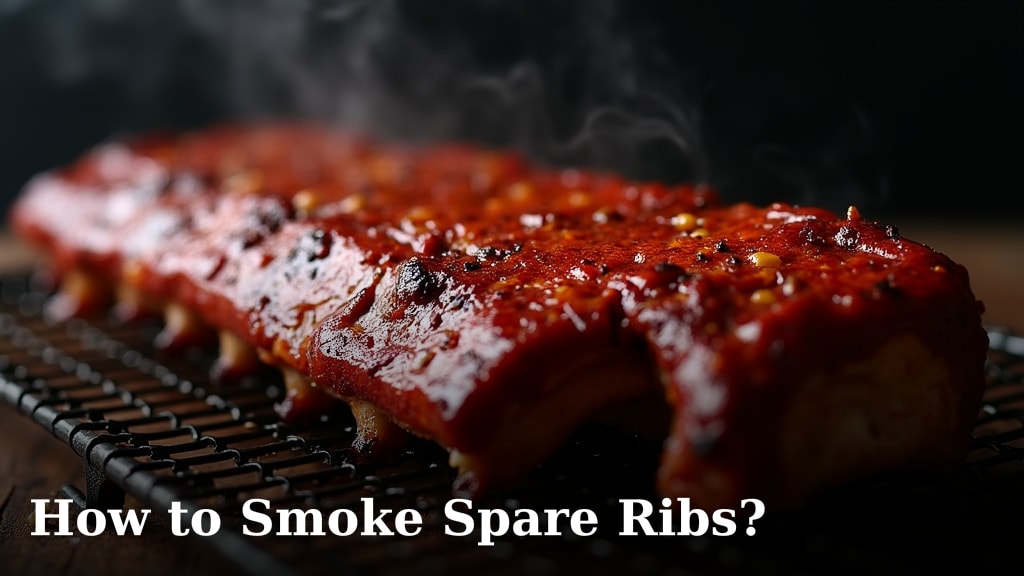
If you want a separate method, read How to Smoke Spare Ribs? for trimming and cooking details that apply beyond the Weber Smokey Mountain.
Why use a barbecue science guide?
A reference that explains fire, smoke, heat, and meat can help when you want to understand why a cooker behaves differently after a vent change.
Meathead is a 400-page illustrated English barbecue cookbook and smoker guide by Meathead Goldwyn and Greg Blonder. It covers barbecue methods, equipment, fire, smoke, thermometers, rubs, brining, and cooking science.
For another curing project, see our guide to curing and smoking bacon.
Its 8.2 x 1.3 x 10.1 inch format and 2.86-pound weight make it a substantial kitchen or outdoor-cooking reference. The book was published by Harvest on May 10, 2016, and has ISBN-10 054401846X.
Choose it if you want broad barbecue instruction alongside your Weber Smokey Mountain rib cook. Skip it if you only need a short rib timing chart or already have a trusted method.
When should you wrap the ribs?
Wrap ribs after the bark has formed if you want a softer surface and a potentially shorter finish. Wrapping is not required, and unwrapped ribs usually keep a firmer bark.
Check the ribs after several hours when the color looks developed and the surface no longer appears wet. Use foil or unwaxed butcher paper suitable for cooking, then return the ribs to the cooker.
Wrapping can trap moisture and soften the bark. It can also make the ribs easier to overcook because the meat may tenderize faster once enclosed.
If you prefer a stronger bark, leave the ribs unwrapped and keep the cooker steady. Spritzing is optional, but opening the lid too often costs heat and extends the cook.
How do you know the ribs are done?
Ribs are ready when the meat feels tender and the rack bends easily without falling apart. Use a thin probe between the bones to check resistance in the thickest sections.
A temperature reading can help, but it should not be the only test. Rib thickness, bone spacing, trimming, wrapping, and cooker temperature all affect the final texture.
The meat may pull back from the bones as it cooks, but bone exposure alone does not prove that the ribs are tender. Check more than one area before removing the rack.
Rest the ribs briefly after cooking so the surface settles and slicing is easier. Cut between the bones with a sharp knife and serve while warm.
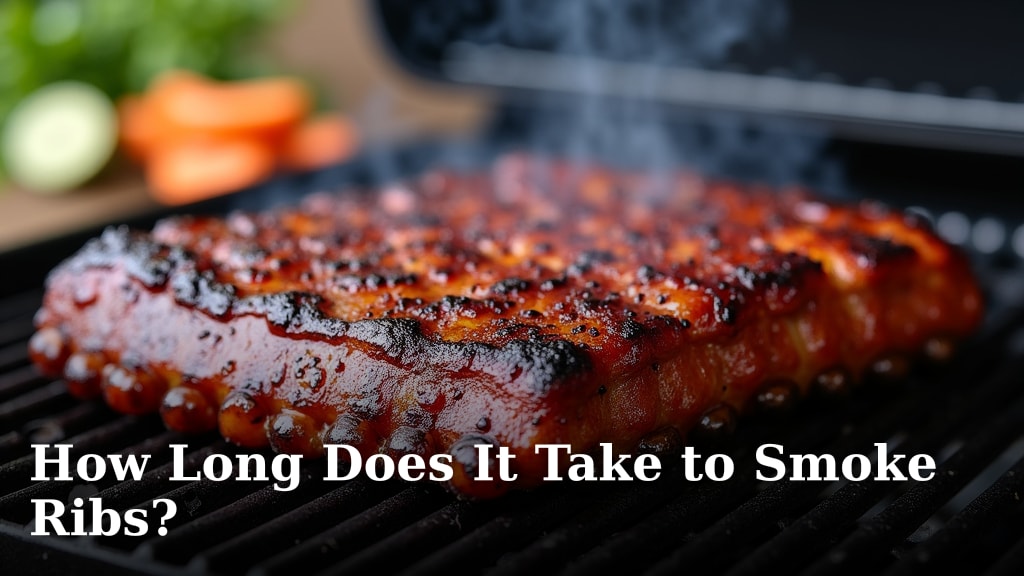
For planning help, see How Long Does It Take to Smoke Ribs?. Build in extra time so you are not forced to serve ribs before they reach the texture you want.
Can you smoke beef ribs on a Weber Smokey Mountain?
Yes, the Weber Smokey Mountain can smoke beef ribs, but beef ribs need different trimming and timing from pork ribs. Keep the same steady-fire approach, then judge the larger cut by bark, probe tenderness, and the amount of rendered fat.
Beef ribs may need more room because the racks can be larger and thicker. Place them so they do not block airflow or touch the cooker walls.
Read How to Smoke Beef Ribs? if you plan to switch from pork ribs. For a large beef roast, How to Smoke a Prime Rib? covers a different cut and cooking goal.
What are the most common Weber Smokey Mountain rib mistakes?
The most common mistakes are overshooting the temperature, opening the lid too often, and pulling the ribs by time alone. Small airflow changes and patient checks produce more consistent results.
Avoid starting with a fire that is already too hot. It is easier to raise a stable cooker than to cool one that has run far above the target.
Do not add a large amount of charcoal or wood every time the temperature dips briefly. Check the vents, water pan, and fuel before changing the setup.
Use wood in moderation. Heavy smoke can make the outside bitter, while clean, light smoke supports the flavor of the rub and pork.
What is the best method for Weber Smokey Mountain ribs?
Use a 250°F target, bone-side-down placement, small vent adjustments, and a tenderness check. Leave the ribs unwrapped for firmer bark, or wrap after the bark forms when you want a softer surface.
Pick the upper grate when you want easier access or need to cook several racks. Use the lower grate when space requires it, but watch the cooker temperature and rotate only when necessary.
The best Weber Smokey Mountain rib cook is controlled by the fire and finished by feel. Start with How to Smoke Ribs? for the full method, then adjust the vents and timing to suit your cooker and rack thickness.
Frequently asked questions
Where should ribs sit in a Weber Smokey Mountain?
Place ribs on the cooking grate above the water pan, with enough space for heat and smoke to move around them. Keep the ribs away from the cooker walls when possible, and arrange racks with space between them.
If racks overlap, rotate or rearrange them during the cook.
What temperature should ribs cook at on a Weber Smokey Mountain?
Aim for about 250°F at the cooking grate. Small vent changes can shift the temperature, so wait for the cooker to respond before adjusting again.
A steady 225°F to 275°F range can work, but 250°F gives you a practical target for tender ribs without rushing the cook.
Should you wrap ribs on a Weber Smokey Mountain?
Wrapping is optional. Leave ribs unwrapped for a firmer bark and more smoke exposure, or wrap them after the bark has formed to shorten the drying phase and soften the bark.
Use tenderness, not a fixed clock, to decide when the ribs are ready.
How long do ribs take on a Weber Smokey Mountain?
Ribs often need several hours at 250°F, but the exact time depends on rib type, rack thickness, cooker temperature, and whether you wrap them. Start checking earlier than your expected finish time.
The meat should bend easily, and a probe should enter the thick parts with little resistance.