What Is the Best Temperature to Wrap Ribs for Smoking?
Wrap ribs when the bark is set, often around 160°F to 170°F, rather than relying on temperature alone. Check that the surface looks dark and doesn't smear when touched, then wrap to slow moisture loss and soften the texture.
On this page (10 sections)
- What is the best temperature to wrap ribs for smoking?
- What does a set bark look and feel like?
- Should you wrap ribs in foil or butcher paper?
- How long should ribs stay wrapped?
- How do you tell when ribs are done?
- Can you wrap ribs too early or too late?
- Does the rib cut change when you wrap?
- Does wood choice affect the wrap point?
- Which tools help you wrap ribs well?
- What is the best way to decide when to wrap ribs?
Wrap ribs for smoking when the bark is set, often around 160°F to 170°F. Use the bark and feel as your main cues: the surface should look dark and dry, and seasoning should stay in place when lightly touched.
That point varies with the rib cut, smoker temperature, humidity, and rub. A thermometer reading is useful, but it doesn't tell you whether the bark is ready.
What is the best temperature to wrap ribs for smoking?
Start checking around 160°F to 170°F, then wrap when the bark is set. The range is a practical checkpoint, not a rule that every rack must follow.
Look for a deep color and a surface that no longer looks wet. Touch a small spot gently with a clean finger or gloved hand; if the rub smears, give the ribs more time.
Wrapping at the right point can help the ribs retain moisture and become tender. Wrapping too early can trap steam before the bark firms up, leaving a softer, less distinct exterior.
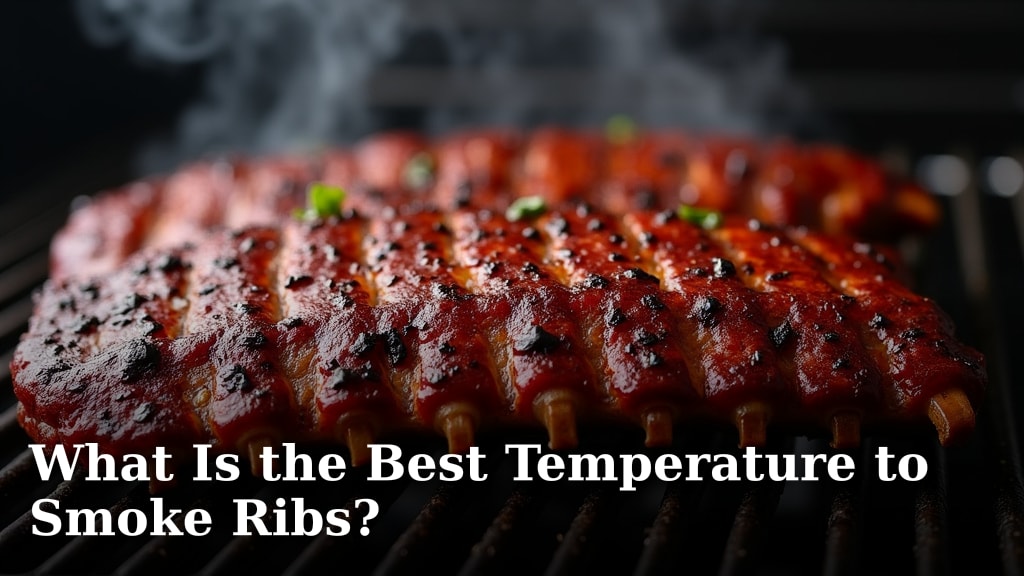
For a broader temperature plan from start to finish, see What Is the Best Temperature to Smoke Ribs?. If you need the full cook sequence, follow How to Smoke Ribs?.
What does a set bark look and feel like?
A set bark looks darker and feels dry enough to hold its seasoning. It should not look glossy with wet rub or smear from a light touch.
Color depends on the rub, smoke, and cooker, so don't wait for a specific shade. Check more than one spot, especially the thicker area, and avoid pressing hard enough to tear the surface.
If the bark still feels soft, keep the ribs uncovered and check again after 15 to 20 minutes. That short pause can matter more than chasing a precise internal temperature.
Should you wrap ribs in foil or butcher paper?
Foil gives a softer, more moist finish, while butcher paper lets more moisture escape. Pick the material based on how you want the bark and texture to turn out.
Foil traps steam and can speed tenderizing, but it can also soften the bark. Butcher paper is more breathable, so the exterior may stay firmer, though the ribs can continue to lose moisture.
Lay the rack meat side up, add any liquid or seasoning you choose, and seal the wrap without puncturing it. Too much liquid can turn the wrapped stage into braising, which produces a softer texture.
The same tradeoff between moisture and bark comes up when wrapping brisket. See How to Wrap a Brisket? for a comparison of wrapping approaches.
How long should ribs stay wrapped?
Keep ribs wrapped until they become tender, checking them periodically rather than setting a fixed timer. Rack size and smoker conditions change how long this stage takes.
Begin checking after roughly 45 minutes, then check every 15 to 20 minutes. Slide a probe between the bones; it should enter with little resistance, like softened butter.
If the ribs still feel tight, reseal them and continue cooking. If they are close to tender, check more often because a short extra stretch can take them from tender to too soft.
Should you unwrap ribs before serving?
Unwrap them near the end if you want to firm the bark. Return the ribs to the smoker uncovered for about 10 to 20 minutes, watching closely.
That final stage lets surface moisture evaporate and can help sauce tack up. Skip it if you prefer a very soft, moist exterior or the ribs are already tender and at risk of drying.
How do you tell when ribs are done?
Ribs are done when a probe slips between the bones with little resistance and the rack bends easily. Use temperature as one clue, but don't treat a single reading as the finish line.
A gentle bend should show the surface beginning to crack without the rack falling apart. If you can lift the rack with tongs and it folds sharply, the meat may be very tender.
Rest the ribs for about 10 to 15 minutes before cutting. This gives the surface time to settle and makes the rack easier to handle.
Can you wrap ribs too early or too late?
Yes, wrapping too early can soften the bark, while wrapping very late leaves less time for the wrapped stage to tenderize the meat. Judge the bark and remaining cook time together.
Early wrapping is more likely when the smoker runs hot or the ribs are thin. If the bark is still wet, wait and check again instead of relying on the thermometer alone.
Late wrapping can still help if the ribs need more time to tenderize. Keep the wrap snug and monitor progress; don't extend the cook just to reach a target temperature.
Does the rib cut change when you wrap?
The cut affects how quickly ribs cook, so check each rack on its own. Baby back ribs are often smaller and may reach a set bark earlier than meatier spare ribs.
A full rack can also cook unevenly where it is thickest. Check the thick end and the center, and use the part that still looks wet or feels soft to guide your timing.
If you use a Weber Smokey Mountain, airflow and rack placement can affect timing. See How to Smoke Ribs on a Weber Smokey Mountain for cooker-specific guidance.
Does wood choice affect the wrap point?
Wood can affect the ribs' smoke flavor and surface color, but bark condition still decides when to wrap. Don't wrap early just because the ribs already look dark.
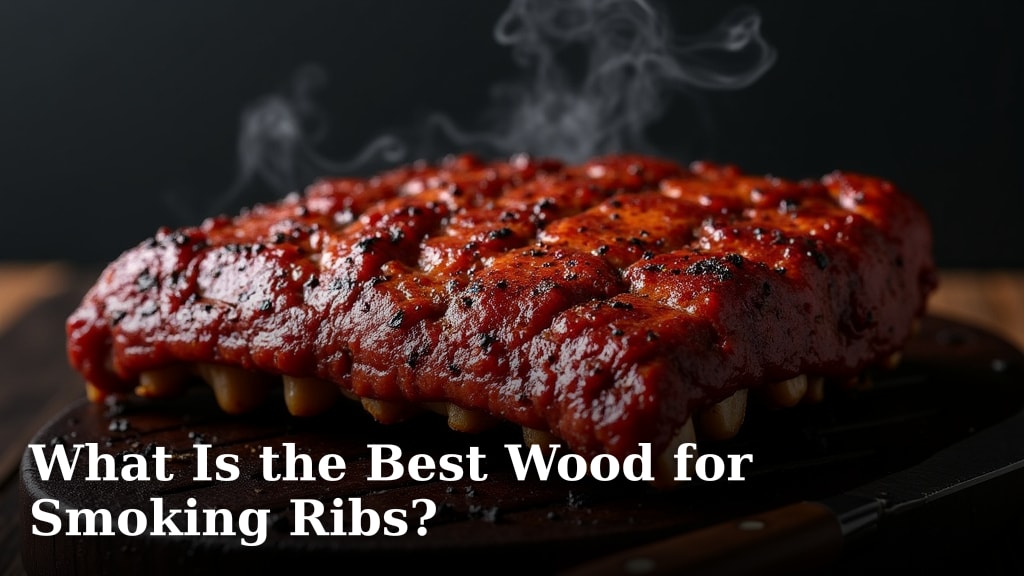
Some woods produce stronger smoke flavor than others, and rub color also changes the bark's appearance. For options that suit pork, see What Is the Best Wood for Smoking Ribs?.
For pellet cookers, Best Wood Pellets For Smoking Ribs can help you compare fuel choices. Keep the smoker steady and watch the surface, since the same temperature range can produce different results across cookers.
Which tools help you wrap ribs well?
A reliable instant-read thermometer helps you track the ribs without guessing, while sturdy foil or food-safe butcher paper makes the wrap easier to seal. A barbecue reference can also help you understand how heat, smoke, and meat texture work together.
What is the best way to decide when to wrap ribs?
Wrap when the bark is dry and set, usually near 160°F to 170°F, then cook until a probe slides between the bones easily. Choose foil for a softer finish or paper for a firmer bark.
If the rub smears, wait and check again. If the ribs are already tender, unwrap only if you want to firm the exterior, and keep that final step brief.
Frequently asked questions
What temperature should ribs be when you wrap them?
Many cooks begin checking ribs for wrapping around 160°F to 170°F, but bark and texture matter more than a number. Wrap when the surface is dark, dry, and set enough that a light touch won't rub seasoning away.
Ribs may reach that point earlier or later depending on the cooker and cut.
Should you wrap ribs in foil or butcher paper?
Foil traps more moisture and tends to soften the bark faster, while butcher paper allows more moisture to escape and can preserve a firmer exterior. Choose foil for a softer, more braised texture or paper when you want the bark to stay drier.
Use food-safe material and wrap snugly.
Do you have to wrap ribs while smoking?
No, wrapping is optional. Unwrapped ribs can keep a firmer bark and stronger smoke exposure, while wrapping can shorten the cook and soften the meat.
If you like a drier exterior, leave them unwrapped and start checking tenderness before the usual finish window.
How do you know wrapped ribs are done?
Use a probe between the bones and look for little resistance, then lift the rack gently to see whether it bends and the surface begins to crack. Temperature can help track progress, but ribs are not done at one exact number.
Rest them briefly before slicing so the juices settle.