Should You Add Water When Smoking Ribs?
Adding water to a smoker is optional when cooking ribs. A water pan can add humidity and help steady heat, but it won't keep the meat juicy by itself, and it may slow bark formation.
On this page (7 sections)
Adding water to a smoker is optional when smoking ribs. A water pan can add humidity and help steady temperature swings, but it won't keep the meat juicy by itself, and it may slow bark formation.
Try a pan if your smoker tends to run hot or dry, or if you want a more humid cooking chamber. Skip it if your cooker holds temperature well and you want the ribs' surface to dry enough for bark.
Does adding water to a smoker help ribs?
A water pan can moderate heat and add humidity, but ribs don't require one. Its value depends on your smoker, the weather, and the texture you want.
Water absorbs heat as it warms and evaporates, which can soften short temperature spikes in some cookers. That doesn't mean the meat gets juicier.
Rib moisture depends on the cut, cooking time, and how the ribs are handled.
A pan can also keep the cooking chamber more humid. That may be useful in a dry environment, but a damp surface can take longer to form a firm, dark bark.
If your smoker holds temperature and the ribs are cooking as expected, there's no need to add water just because a recipe mentions it. For the full cook, see our guide to How to Smoke Ribs?.
Can a water pan make rib bark softer?
It can slow bark formation when the surface stays humid. A water pan isn't a guaranteed cause of soft bark, but it can make drying the rib surface take longer.
Bark forms as the outer surface loses moisture and the rub sets. If the ribs look wet for a long time, check the cooking temperature and airflow before making a change.
You can start with a dry smoker and add a pan later if temperature control becomes difficult. Or begin with water and remove the pan once the cooker is stable, following the smoker's instructions and avoiding burns.
Wrapping also changes the surface texture because it traps moisture around the ribs. Our guide to the best temperature to wrap ribs for smoking explains when wrapping may fit your cook.
Should you use water for baby back or spare ribs?
The rib type alone doesn't decide whether to use water. Use the pan if your smoker needs help holding steady heat, then adjust based on the bark and cooking progress.
Baby back ribs are smaller, while spare ribs are often larger and meatier. Those differences can change cooking time, but they don't make a water pan essential for either cut.
Avoid changing several things at once. If you add water, keep the rib placement, temperature target, and cooking method consistent so you can see whether the pan helps your setup.
When should you smoke ribs without water?
Smoke without water when your cooker runs steadily and you want the surface to dry for bark. A dry cook also avoids monitoring and refilling a pan.
Some smokers already manage heat well through their vents, fuel bed, or controller. Adding a pan to a stable cooker may add work without solving a problem.
A dry cook is also a practical starting point if you've had soft bark in the past. Keep airflow clear and avoid opening the lid often, since frequent checks can affect temperature and extend the cook.
The right smoker matters more than a water pan if your cooker struggles to hold heat. Compare features in our guide to the Best Smoker For Ribs.
How much water should go in a smoker pan?
Use enough water to cover the bottom of the pan, while leaving room for expansion and evaporation. The right amount depends on the pan size and how long your smoker runs.
Don't fill a pan to the rim. Water can slosh or boil as you move it, and a full pan may need handling during the cook.
Check the pan only when it is safe to do so. Use heat-safe gloves, keep your face and hands away from rising steam, and follow the smoker manual for placement and refilling.
If the water runs low, you can add hot water carefully to reduce the temperature drop in the cooker. Don't pour water onto coals or into a hot firebox.
For more placement and handling details, read How to Use a Water Pan in a Smoker?.
Can you use something besides water?
Use plain water as the simple starting point. Other liquids may add smells or residue, and they aren't needed to humidify the smoker.
Some cooks add juice, beer, or other liquids to the pan, but don't expect those additions to season ribs through the cooking chamber. Smoke and surface seasoning have a larger role in the flavor on the meat.
A pan liner can make cleanup easier if your smoker instructions allow one. Make sure it doesn't block vents or sit where it could touch the fire.
How should you choose fuel and wood for ribs?
Choose clean-burning fuel and wood for the flavor you want; water is a separate decision. Keep the fire steady, then decide whether a pan solves a temperature or humidity issue.
Strong smoke and poor airflow can leave harsh flavors on ribs, whether the water pan is full or empty. Build a clean fire and avoid making sudden adjustments that cause the cooker to swing.
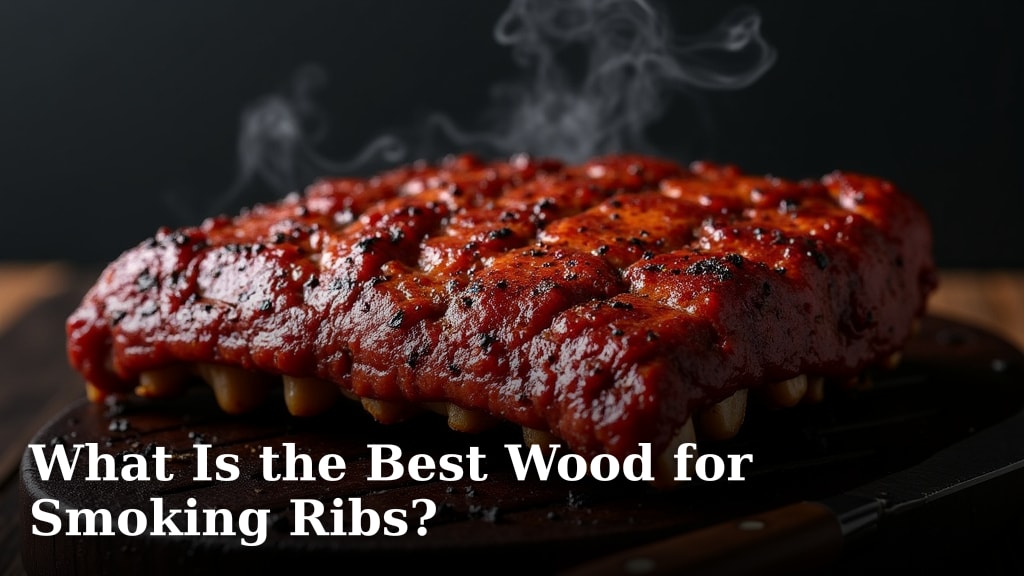
Wood choice also affects flavor. See What Is the Best Wood for Smoking Ribs? for options, and compare Best Wood Pellets For Smoking Ribs if you use a pellet smoker.
What can help you manage a rib cook?
A thermometer and a clear method are more useful than relying on a water pan to fix every problem. Keep notes on smoker temperature, pan use, and how the bark turns out.
Meathead covers barbecue methods and the science of heat and smoke, which can help you understand the choices behind a rib cook.
Choose this book if you want a broad reference for smoker and grill techniques. It's not a substitute for your smoker's safety instructions or a reliable way to measure temperature.
How do you decide whether to add water to your smoker?
Use a water pan when it helps control your smoker; leave it out when the cooker is steady and the bark is your priority. Either way, monitor the ribs and the cooking temperature rather than expecting water to prevent dryness.
Start without water if you know your smoker holds temperature well. Add a pan if heat swings or very dry conditions are making the cook harder to manage, then watch whether the bark develops as you like.
If you want to compare methods, pair your water-pan choice with a consistent rib technique and wood. A stable smoker, clean smoke, and careful timing matter more than filling a pan by habit.
Frequently asked questions
Should you put water in the smoker when cooking ribs?
You can, but you don't have to. A water pan adds humidity and can help moderate temperature swings in some smokers, while a dry cook may help ribs develop bark more readily.
Try a pan if your cooker runs hot or dry, then judge by temperature stability and the bark you want.
Does a water pan make ribs more tender?
No, a water pan doesn't make ribs tender on its own. Tenderness depends more on the cook, the ribs, and when you stop cooking.
Use a thermometer and check how the meat bends or yields, rather than relying on humidity as a shortcut.
Can a water pan make rib bark soft?
It can slow bark formation if the cooking chamber stays very humid, especially when the ribs are uncovered for much of the cook. If the surface looks wet or the bark is taking too long, reduce water or remove the pan when safe and practical.
Where should a water pan go in a smoker?
Place the pan where your smoker's design allows it without blocking airflow or interfering with heat control. In many cookers it sits between the fire and food, but check the smoker manual first.
Keep it stable, away from direct contact with the ribs, and refill carefully.