What Is the Best Wood for Smoking Sausage?
On this page (7 sections)
The best wood for smoking sausage really depends on the flavor profile you’re aiming for. For a classic, mild, and slightly sweet taste that complements pork, hickory is a fantastic choice. If you prefer a subtler, fruitier smoke, applewood or cherry wood are excellent options. These woods provide a gentle smoke that won’t overpower your sausage.
When choosing your smoking wood, consider its smoke’s strength and flavor notes. Some woods, like mesquite, can be very strong and might overwhelm delicate sausage flavors. We found that balancing the wood’s intensity with the sausage’s fat content and seasonings is key to delicious results. Many pitmasters agree that a good blend can also create a more complex and appealing smoke ring.
- Hickory offers a classic, robust smoke.
- Apple and cherry wood provide milder, fruitier notes.
- Consider the sausage’s flavor profile when choosing wood.
- A blend of woods can create a more complex taste.
- Experimentation is part of the fun!
Let’s walk through some of the most popular wood choices and what they bring to your smoked sausage. We’ll cover their flavor profiles and how to best use them.
Choosing the Right Wood for Smoking Sausage
Selecting the best wood for smoking sausage is a delightful journey. It’s all about finding that perfect balance of smoke flavor. You want it to enhance your sausage, not overpower it. We’ve looked into what makes certain woods shine. Your sausage deserves a flavor that sings!
Popular Wood Choices and Their Flavor Profiles
Hickory: The Classic Workhorse
Hickory is perhaps the most traditional wood for smoking. Its flavor is robust and smoky. It’s often described as having a bacon-like aroma. This makes it a natural fit for pork sausages. It can stand up to richer meats without being too dominant. Many pitmasters consider hickory a go-to for its reliable results. You can’t go wrong with hickory for a truly classic smoke. We found it pairs exceptionally well with bratwurst and Italian sausage.
Mesquite: Bold and Intense
Mesquite offers a powerful, distinct flavor. It’s a favorite for those who love a strong smoke. This wood burns hot and fast. Its flavor is earthy and sometimes a little pungent. If you’re smoking a fattier sausage, mesquite can cut through that richness. However, we found mesquite can easily overwhelm milder sausages. Use it sparingly, especially if you’re new to smoking. A little mesquite goes a long way. Perhaps try blending it with a milder wood.
Oak: A Versatile Medium
Oak provides a medium-bodied smoke. It’s less intense than hickory but more substantial than fruitwoods. Oak has a smooth, slightly sweet, and sometimes tangy flavor. It’s incredibly versatile. It works well with a wide variety of sausages. Beef sausages, for instance, benefit from oak’s balanced smoke. Many compare its profile to red wine. Oak is a safe bet if you want a good smoke without being too aggressive. We found it adds a beautiful color to the sausage casing.
Fruitwoods: Sweet and Subtle
Apple, cherry, and peach woods fall into this category. They offer a much milder and sweeter smoke. These are excellent choices if you prefer a delicate flavor. Applewood is known for its light, fruity notes. Cherry wood imparts a beautiful reddish hue and a sweet, mild smoke. Peach wood is similar to apple but with a slightly deeper sweetness. Fruitwoods are perfect for lighter sausages, like chicken or turkey sausage. They don’t have the intensity to overpower sensitive flavors. Many home cooks love these for their approachable smoke profile.
Applewood: Gentle Sweetness
Applewood is a crowd-pleaser for a reason. Its smoke is light and sweet. It adds a subtle fruitiness that complements pork beautifully. We found it’s a great starting point for beginners. You can use a good amount without fear of overdoing it. It’s perfect for sausages that have lighter spices. Think of a mild breakfast sausage or a country-style sausage. It won’t mask the natural meat flavor.
Cherry Wood: Color and Class
Cherry wood is highly regarded for two main reasons. First, its smoke is wonderfully mild and slightly sweet. Second, it imparts a stunning, deep red color to your sausage. This visual appeal is hard to beat. If you want your smoked sausage to look as good as it tastes, cherry is a fantastic choice. We observed that the color deepens with longer smoking times. It’s ideal for pork or even venison sausages. It adds an elegant touch.
Pecan: Nutty and Mild
Pecan wood offers a flavor profile that’s nutty and mild. It’s somewhat similar to hickory but much gentler. Pecan smoke has a slightly sweet undertone. It’s a great option if you want a balanced smoke that isn’t overpowering. It works well with pork and chicken sausages. Many find it adds a pleasant aroma to their cooking space. We found pecan wood produces a beautiful golden-brown crust on sausages. It’s a delightful change from more common woods.
Understanding Wood Forms for Smoking
The way your wood is prepared matters. The form of wood you use can affect how it burns and smokes. This, in turn, impacts your sausage’s flavor. We’ll look at the most common types.
Wood Chunks
Wood chunks are larger pieces of wood. They smolder slowly and provide a consistent smoke for longer periods. This makes them ideal for longer smoking sessions. You’ll typically soak chunks for a few hours before use. This helps them smolder rather than burn too quickly. Chunks are great for offset smokers or charcoal grills. They provide a steady stream of smoke for hours. We found chunks are a solid choice for maintaining a stable temperature and smoke level.
Wood Chips
Wood chips are smaller than chunks. They burn much faster and produce smoke quickly. This makes them suitable for shorter smoking times or for adding quick bursts of smoke. You’ll often soak wood chips too, though some smokers use them dry. They are popular for electric smokers, gas grills, and kettle grills. Because they burn fast, you might need to add them more frequently. Be careful not to add too many at once, as this can create too much smoke. We found chips are good for adding smoke flavor to foods that don’t require very long cooks.
Wood Pellets
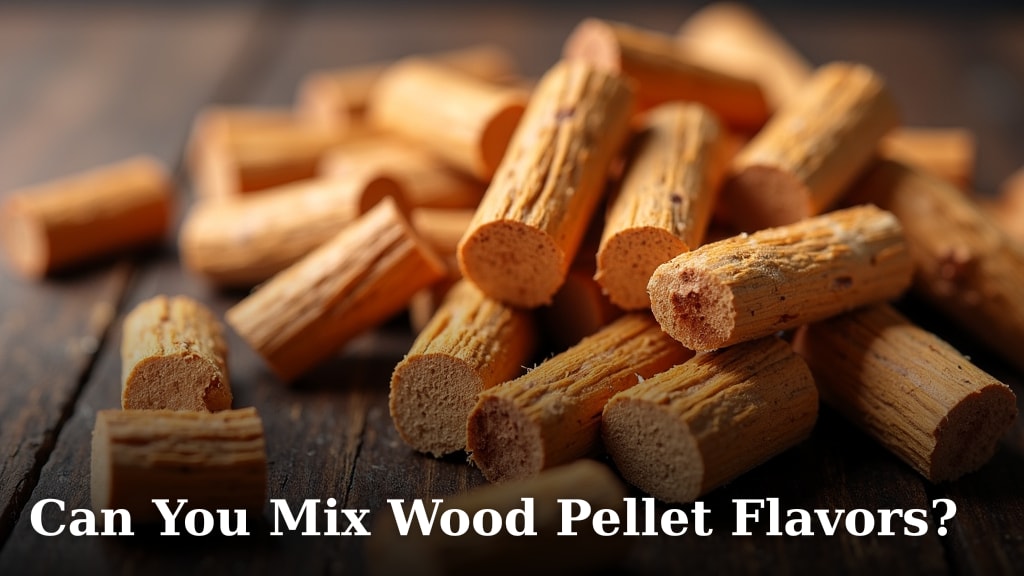
Wood pellets are compressed sawdust. They are uniform in size and burn very efficiently. Many pellet grills use them as their primary fuel source. They produce a clean, consistent smoke. You can get pellets made from specific types of wood. This offers great control over your flavor profile. Some folks use pellets in dedicated smoke tubes for added smoke on other grill types. Their consistency makes them a favorite for many. We found pellet grills offer unparalleled ease of use for consistent smoking results.
Tips for the Perfect Smoked Sausage Flavor
Getting the smoke right involves more than just picking a wood. Here are some expert-backed tips to help you achieve amazing results. Following these can make a real difference in your sausage.
Don’t Overpower the Sausage
The goal is to complement, not dominate. If you’re smoking a delicately seasoned sausage, use a milder wood. Think apple or cherry. For a bold, spicy sausage, you might lean towards hickory or a small amount of mesquite. Always consider the sausage’s base flavor. Many guidelines suggest starting with less smoke and adding more if needed (National BBQ Association). It’s easier to add smoke than to take it away!
Consider a Wood Blend
Mixing woods can create a more complex and layered flavor. For example, you could blend hickory with apple. This gives you the robust character of hickory with the subtle sweetness of apple. Another great blend is oak and cherry. This offers a medium smoke with a beautiful color. Experimentation is key here. What we found is that a 50/50 blend is a good starting point. You can adjust ratios based on your preference. It adds a sophisticated touch to your sausage.
The Importance of the Smoke Ring
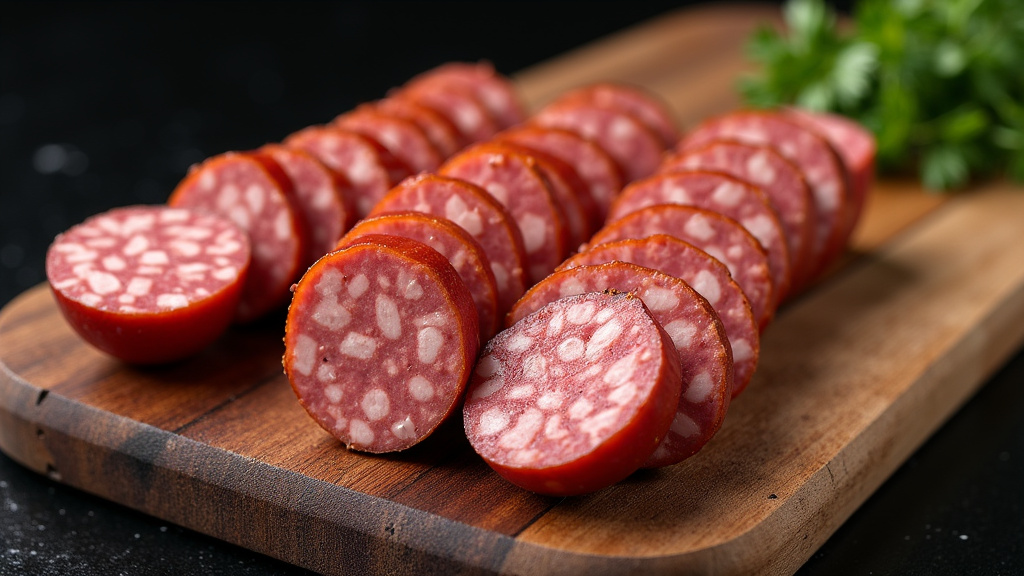
A smoke ring is that desirable pinkish ring just beneath the sausage casing. It’s a visual sign of a well-smoked product. It’s created by a chemical reaction between the smoke’s compounds and the meat’s proteins. Woods like hickory and oak tend to produce a more pronounced smoke ring. Factors like temperature, humidity, and wood type all play a role. Many pitmasters aim for a visible smoke ring. It shows your sausage has absorbed plenty of smoke flavor. We found that maintaining a steady temperature also helps achieve a good smoke ring.
Wood Moisture Content Matters
Ideally, your smoking wood should be seasoned but not bone dry. Slightly damp wood smolders more effectively. It produces a cleaner, bluer smoke. Overly dry wood can burn too hot and fast. This creates a harsher, bitter smoke. If you buy wood, it’s usually properly seasoned. If you forage your own, allow it to dry for at least six months. Many experts recommend a moisture content of around 15-20% for optimal smoking (Wood Cookery Guide). This ensures a steady, flavorful smoke.
Quick Checklist for Choosing Your Smoking Wood
Here’s a handy list to guide your wood selection:
- Know Your Sausage: What are its primary flavors and spices?
- Desired Smoke Intensity: Do you want mild, medium, or bold?
- Wood Flavor Profile: Does it align with your sausage choice?
- Consider Blending: Can two woods create a better taste?
- Wood Form: Do you need chunks, chips, or pellets for your smoker?
- Start Simple: If unsure, begin with a classic like hickory or oak.
Choosing the right wood is an art form. It transforms good sausage into something truly memorable. By understanding the unique characteristics of each wood type, you’re well on your way to smoking perfection. Don’t be afraid to experiment. Your taste buds will thank you!
Conclusion
You’ve learned that the best wood for smoking sausage is all about personal taste and pairing. Whether you crave the classic punch of hickory, the sweet whisper of applewood, or the earthy boldness of oak, there’s a perfect wood out there for your sausage. Remember to consider the sausage’s ingredients and how you want the smoke to enhance them. Don’t be afraid to experiment with blends to find your signature flavor. Now, go fire up your smoker and create some delicious, memorable sausage!
Frequently Asked Questions
How much wood should I use when smoking sausage?
Start with a moderate amount of wood. Too much smoke can overpower your sausage. We found that about 2-4 ounces of wood chips or a couple of chunks is a good starting point for a few hours of smoking. You can always add more if you want a stronger flavor.
Can I mix different types of wood for smoking sausage?
Absolutely! Blending woods is a fantastic way to create a more complex flavor profile. A popular combination is hickory for a base smoke with a bit of apple or cherry wood for sweetness. Experimenting with different ratios will help you discover your favorite blend.
Should I soak my wood before smoking sausage?
Soaking wood chunks and chips is a common practice, especially for charcoal grills. Soaked wood smolders longer and produces a cooler, more consistent smoke. Research suggests this can lead to a cleaner flavor. However, for pellet grills, dry wood is usually preferred.
What’s the difference between wood chips and wood chunks for smoking sausage?
Wood chips are smaller and burn faster, providing quick bursts of smoke. They are great for shorter smoking times or adding smoke flavor quickly. Wood chunks are larger and smolder for much longer, offering a steady smoke supply for extended cooks. Choose based on your smoker type and how long you plan to smoke.
Is mesquite wood too strong for sausage?
Mesquite has a very bold, intense flavor that can easily overpower sausage, especially milder varieties. We recommend using it sparingly, perhaps in a blend with a milder wood like oak or hickory. If you love a strong smoky taste, mesquite can work, but proceed with caution.