
How to Smoke Spare Ribs?
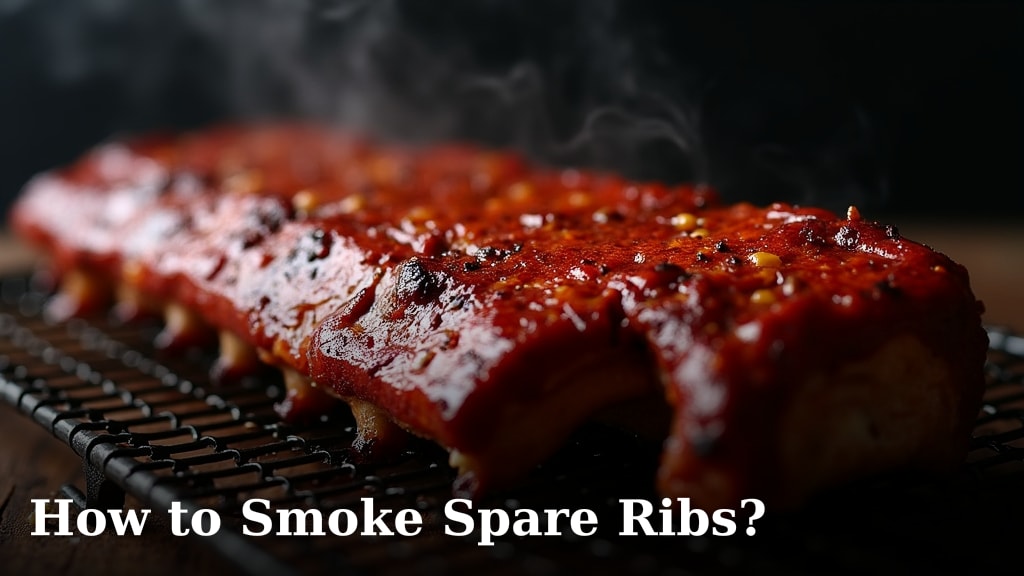
Smoking spare ribs is a rewarding way to achieve incredibly tender and flavorful barbecue. The key is a low and slow cooking process that breaks down the connective tissues, resulting in melt-in-your-mouth goodness. You’ll want to start with a good rub and maintain a consistent cooking temperature for the best results. Smoking spare ribs doesn’t have to be complicated, even for beginners!
Getting those perfect smoky ribs at home means understanding a few essential steps. We found that proper preparation, like removing the membrane, is a game-changer. Getting the temperature just right in your smoker is also vital for that classic barbecue taste. Many pitmasters agree that patience is your best friend here.
- Start with the right rub.
- Remove the membrane.
- Cook low and slow (225-275°F).
- Wrap them for tenderness.
- Rest before serving.
Ready to impress your friends and family with your smoked ribs? Let’s walk through exactly how this works step by step, from choosing your ribs to that final, glorious bite.
Smoking Spare Ribs: Your Step-by-Step Guide
Smoking spare ribs might seem daunting, but it’s actually quite manageable. You’re aiming for ribs that are fall-off-the-bone tender. This happens when you cook them low and slow. It’s a classic barbecue technique for a reason. We found that patience is key, but the reward is well worth it. Let’s get started!
Choosing and Preparing Your Spare Ribs
The first step is picking the right ribs. You’ll want to look for full spare ribs. These come from the belly side of the hog. They have more meat and fat than baby back ribs. This extra fat helps keep them moist during the long cooking process. Many butchers sell them as “St. Louis style,” which means the sternum bone and rib tips have been trimmed off. This makes them a more uniform size and easier to handle.
Understanding the Membrane
Before you even think about seasoning, there’s one critical step: removing the membrane. You’ll find a tough, papery layer on the bone side of the ribs. This membrane can prevent rubs and smoke from penetrating the meat. It also becomes tough and chewy when cooked. Removing it is a bit tricky, but we found a simple method that works well.
How to Remove the Membrane
You’ll need a butter knife or a paring knife. Carefully slide the tip of the knife under the membrane. Try to get it underneath the membrane along one of the bones. Once you have a flap lifted, grab it with a paper towel. The paper towel gives you a better grip. Then, gently pull the membrane off. It should come off in one or two large pieces. If it tears, just repeat the process. We found this step makes a huge difference in the final texture.
Seasoning Your Ribs: The Rub Down
Now for the fun part – the rub! This is where you build the foundation of flavor. You can buy pre-made rubs, or make your own. A basic rub often includes brown sugar, paprika, garlic powder, onion powder, salt, and black pepper. The sugar helps create a beautiful, caramelized crust. The spices add depth and a touch of heat. Many pitmasters agree that a good rub should complement, not overpower, the pork.
Applying the Rub
First, you might want to apply a thin layer of binder. This could be mustard, hot sauce, or even just water. The binder helps the rub stick to the ribs. Then, generously sprinkle your rub all over the ribs. Make sure to coat every surface – top, bottom, and sides. Gently pat the rub into the meat. Don’t be shy; you want a good, even coating. Let the ribs sit for at least 30 minutes, or even better, refrigerate them overnight. This allows the flavors to meld.
Setting Up Your Smoker for Success
The smoker is where the magic happens. You’re looking for a temperature range of 225°F to 275°F (107°C to 135°C). This is considered the sweet spot for smoking ribs. Lower temperatures yield a more tender rib. Higher temperatures cook faster but can dry out the meat. Consistency is key here. Fluctuations can impact the final outcome.
Choosing Your Wood
The type of wood you use will impart a distinct smoky flavor. For pork, popular choices include hickory, apple, cherry, and pecan. Hickory offers a strong, classic smoke flavor that pairs well with pork. Fruitwoods like apple and cherry provide a milder, sweeter smoke. Pecan offers a nutty flavor. Many experienced smokers suggest starting with a milder wood if you’re new to smoking. You can always experiment with different woods later.
Wood Forms: Chunks vs. Chips
You’ll typically use wood chunks or chips. Chunks are larger and burn longer, providing a more consistent smoke for low-and-slow cooking. Chips are smaller and burn faster, best for shorter cooks or gas grills. For smoking spare ribs, wood chunks are generally preferred. You’ll usually need to soak your wood chunks for about 30 minutes before adding them to the smoker. This helps them smolder rather than flare up.
The Smoking Process: Low and Slow
Once your smoker is preheated and the wood is ready, it’s time to put the ribs on. Place them bone-side down initially. This allows the fat to render and baste the meat from below. You want to maintain that target temperature of 225-275°F. Try not to open the smoker door too often. Every time you open it, you lose heat and smoke. This can extend your cooking time.
Monitoring Temperature and Time
How long will this take? It’s hard to say exactly. Ribs are done when they are tender, not just by time. A general guideline is 4 to 6 hours, but it can vary. The most important thing is to check for tenderness. You can use a thermometer, but often, touch is the best indicator. The meat should easily pull away from the bone. We found that resisting the urge to peek constantly is difficult but important.
The “Bend Test” and “Probe Tender”
Two popular methods help determine doneness. The bend test involves lifting a section of ribs with tongs. If the ribs bend easily and the surface cracks, they’re likely ready. The probe tender method is where you insert a toothpick or thermometer probe between the bones. It should slide in with very little resistance. Think of it like probing a piece of cooked cake for doneness.
The Spurt and Wrap: Achieving Ultimate Tenderness
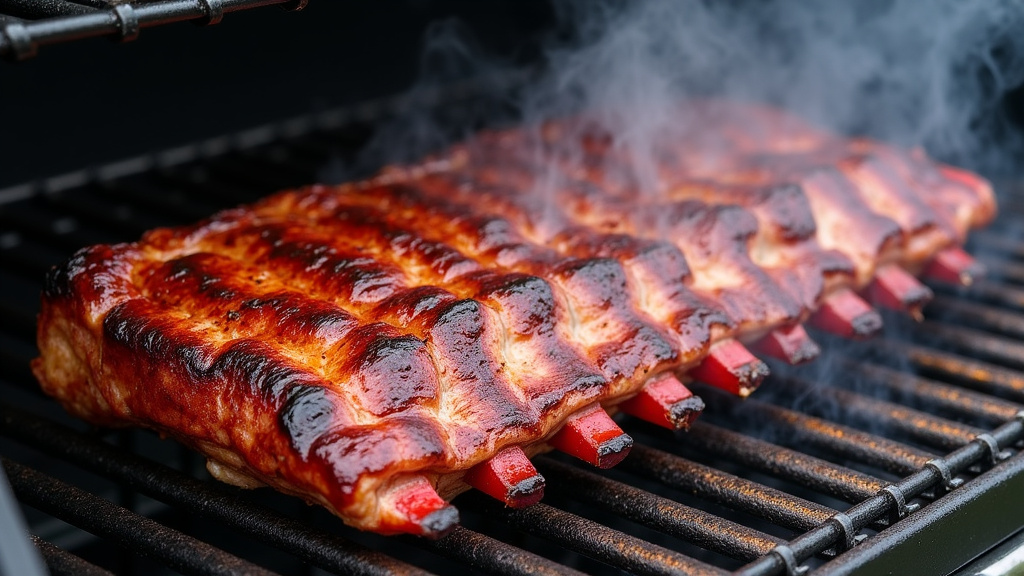
Many pitmasters swear by the “Texas Crutch” – wrapping the ribs in foil or butcher paper. This method is often called the “spurt and wrap” stage. It helps push the ribs through the stall and makes them incredibly tender. The stall is a point in the cooking process where the temperature of the meat plateaus, often around 150-165°F. Wrapping helps the meat braise in its own juices and steam.
When and How to Wrap
Wrap the ribs when they have a nice color and have been smoking for about 2-3 hours. Lay out a large sheet of heavy-duty aluminum foil or butcher paper. Place the ribs on it, bone-side down. You can add a splash of liquid, like apple juice or broth, before wrapping. This adds moisture. Then, seal the package tightly. Place the wrapped ribs back on the smoker.
The Final Smoking Period
After wrapping, continue to cook the ribs at your target temperature. This phase typically takes another 1 to 2 hours. The ribs should become even more tender. You’re checking for that probe-tender feel. Once they are tender, remove them from the smoker. This is not the end, though. The next step is resting.
Resting and Serving Your Masterpiece
This might be the hardest part for you. Resting the ribs is crucial. It allows the juices to redistribute throughout the meat. If you cut into them too soon, all those delicious juices will run out. We found that letting them rest for at least 15-30 minutes makes a noticeable difference.
How to Rest Your Ribs
Keep the ribs wrapped in their foil or butcher paper. Place them on a cutting board or a clean baking sheet. You can even place them in a cooler (without ice!) to keep them warm for a longer period. This resting phase is where the meat truly finishes cooking and becomes even more succulent.
Slicing and Enjoying
Once rested, unwrap your ribs. You’ll notice they are incredibly tender. Use a sharp knife to slice between the bones. You should be able to cut through them with ease. Serve them immediately with your favorite barbecue sauce on the side. Many people enjoy them with classic sides like coleslaw, potato salad, and baked beans. You’ve done it! You’ve smoked delicious spare ribs.
Let’s recap the key steps for success:
- Trim and remove the membrane.
- Apply your favorite rub generously.
- Smoke at 225-275°F with your chosen wood.
- Wrap ribs after 2-3 hours to increase tenderness.
- Cook until probe tender.
- Rest before slicing and serving.
Conclusion
You’ve now learned the secrets to smoking perfect spare ribs. From selecting the right cut and removing that stubborn membrane to mastering the low-and-slow cooking process, you’re ready to create barbecue magic. Remember, patience is your best friend, and don’t be afraid to experiment with your favorite rubs and wood combinations. The biggest reward is seeing your guests’ faces light up with the first bite. So, fire up that smoker, get those ribs ready, and prepare for a truly delicious experience!
Frequently Asked Questions
What is the best wood for smoking spare ribs?
For pork ribs, popular choices include hickory, apple, cherry, and pecan. Hickory offers a strong, classic smoke flavor that pairs well with pork. Fruitwoods like apple and cherry provide a milder, sweeter smoke, which many beginners find easier to manage. We found that starting with a milder wood is a good approach for your first few smokes.
Why do my ribs taste tough even after smoking?
Tough ribs usually mean they weren’t cooked long enough or weren’t rested properly. Connective tissues need time to break down at low temperatures. Ensure you’re cooking until the meat is probe-tender. Resting the ribs allows the juices to redistribute, making them more tender and moist. Many pitmasters agree that proper resting is often overlooked.
Can I smoke spare ribs on a gas grill?
Yes, you can achieve great results on a gas grill, but it requires a bit more attention. You’ll need to create a smoker box or use foil packets with wood chips to generate smoke. Maintaining a consistent low temperature (225-275°F) is key, which can be challenging on a gas grill. We found that watching the temperature closely is essential. Our guide on how to smoke meat on a gas grill explains how to achieve great results.
How do I know when my spare ribs are done smoking?
Ribs are done when they are tender, not just by time. Look for the meat to have pulled back slightly from the bones. You can also perform the “bend test” or check for “probe tender” – the ability to insert a toothpick or thermometer probe between the bones with little resistance. This is the most reliable indicator of doneness.
Should I always wrap my spare ribs in foil?
Wrapping your ribs, often called the “Texas Crutch” or “spurt and wrap,” is a popular technique to push through the stall and increase tenderness. It helps the ribs braise in their own juices. While not strictly necessary, we found that it significantly improves tenderness and moisture, especially for beginners. You can also use butcher paper for a similar effect with a slightly different bark.
