Can You Smoke Meat on a Gas Grill?
On this page (6 sections)
Yes, you can smoke meat on a gas grill, and it’s much easier than you might think. While many people associate smoking with charcoal or dedicated smokers, your gas grill can absolutely produce that delicious, smoky flavor you crave with just a few simple adjustments and the right technique.
You don’t need fancy equipment to get started; a few wood chips and a bit of patience are the real ingredients here. We found that transforming your gas grill into a smoker is a fantastic way to enjoy slow-cooked BBQ flavors without investing in another large appliance. It’s all about controlling the temperature and creating that signature low and slow cooking environment.
TL;DR:
- Gas grills can smoke meat effectively.
- You’ll need wood chips and a way to contain them.
- Temperature control is key for successful smoking.
- It’s a great way to get smoky flavor without a dedicated smoker.
- Expect delicious results with a simple setup.
Ready to turn your backyard grill into a smokehouse? Let’s walk through exactly how you can smoke meat on your gas grill, step-by-step, to achieve that perfect tenderness and rich, smoky taste.
Smoking Meat on Your Gas Grill: Getting Started
So, you’re ready to infuse that wonderful smoky flavor into your next meal using your gas grill? That’s awesome! We found that the first step is understanding a few basics. You see, a gas grill isn’t designed as a smoker, but with a little ingenuity, you can mimic the conditions needed for smoking. It’s really about controlling heat and producing consistent smoke.
Think of it as turning your everyday grill into a temporary smokehouse. We’ll show you how to set up your grill for success, create the right smoke, and maintain that crucial low temperature. It’s a bit different from direct grilling, but the results are incredibly rewarding.
The Essential Tools You’ll Need
You probably have most of these items already! You don’t need to break the bank to get started. We found that a few simple accessories make all the difference for a good smoking session.
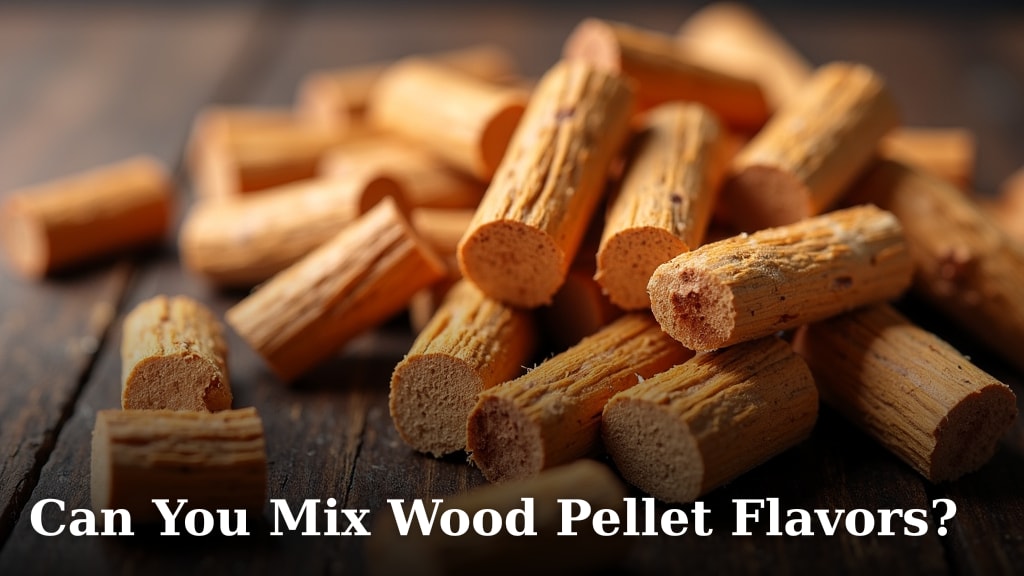
- Wood Chips or Chunks: These are your smoke producers. Different woods offer different flavor profiles.
- A Smoker Box or Foil Pouch: This holds your wood chips and helps them smolder rather than burn too quickly.
- Water Pan (Optional but Recommended): This adds moisture to the cooking environment and helps stabilize temperature.
- Meat Thermometer: Absolutely essential for ensuring your meat is cooked safely and perfectly.
- Aluminum Foil: Handy for wrapping your wood chips or for later use with your meat.
Choosing Your Wood: Flavor Profiles
The type of wood you choose drastically impacts the final taste of your smoked masterpiece. We found it’s fun to experiment! Here’s a quick guide to help you pick the right one for your dish.
| Wood Type | Flavor Profile | Best for… |
|---|---|---|
| Hickory | Strong, smoky, bacon-like | Pork (especially ribs, pulled pork), Beef |
| Mesquite | Very strong, earthy, bold | Beef (brisket), Wild Game |
| Apple | Mild, sweet, fruity | Pork, Chicken, Fish |
| Cherry | Mild, sweet, slightly tart | Pork, Chicken, Ribs, Lamb |
| Oak | Medium, classic BBQ smoke | Beef, Lamb, Brisket |
You’ll want to soak your wood chips before use. This helps them smolder slowly instead of bursting into flames, giving you a longer, more consistent smoke. Many experts recommend soaking for at least 30 minutes, or even up to an hour.
Setting Up Your Gas Grill for Smoking
This is where the magic happens! Converting your gas grill into a smoker is about creating two distinct zones: a heat zone and a cooking zone. This allows for indirect cooking and consistent low temperatures, which is the cornerstone of good smoking.
Creating Indirect Heat
Your gas grill has multiple burners. We found that the key to indirect heat is to turn on only some of them. For most two-burner grills, you’ll light one burner. For three or more burners, you’ll light one or two burners on one side. The goal is to keep the other side cool for your meat.
- Place your smoker box or foil pouch (filled with pre-soaked wood chips) directly over the lit burner(s). This is where your smoke will come from.
- If you’re using a water pan, place it on the grates over the unlit burner(s). Fill it with hot water. This adds moisture and helps regulate the temperature.
- Close the grill lid and let it preheat. You’re looking for a steady temperature inside the grill, typically between 225°F and 275°F. This can take 15-30 minutes.
Don’t be afraid to adjust the lit burner’s flame to maintain your target temperature. It’s a bit like learning to drive a new car; it takes a little practice to get a feel for it.
The Importance of Temperature Control
Consistent low temperature is critical for tender, smoky meat. Too hot, and your meat will dry out or cook too fast. Too cold, and it won’t cook safely or absorb enough smoke flavor. Your grill’s built-in thermometer might not be completely accurate, so we highly recommend using a separate, reliable grill thermometer.
- Target Range: Aim for 225°F to 275°F for most smoking.
- Adjusting Heat: If your grill gets too hot, turn down the lit burner(s). If it’s too cool, turn them up slightly.
- Lid Usage: Resist the urge to open the lid frequently! Every time you open it, heat and smoke escape, and it takes time for the grill to recover its temperature. Many sources, including food safety guidelines, emphasize maintaining consistent temperatures for safety and quality (USDA).
The Smoking Process: Step-by-Step
Here’s how to put it all together and start smoking. Once you have your grill set up for indirect heat and your wood chips are smoking, it’s time to add the star of the show: your meat!
Adding Your Meat and Monitoring
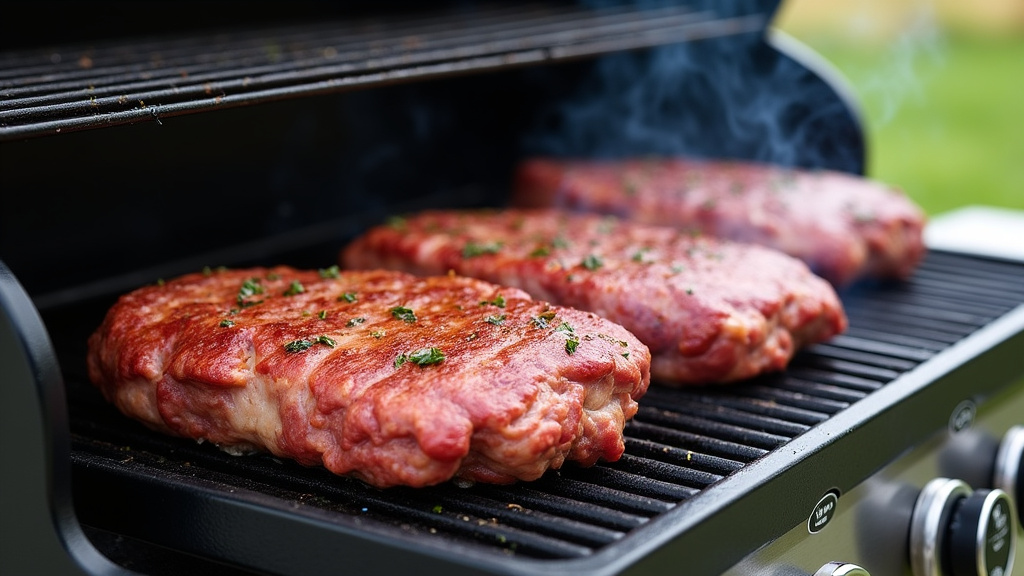
Place your prepared meat (rubbed, brined, etc.) on the grill grates over the unlit side. This ensures it cooks with indirect heat and soaks up all that delicious smoke.
- Position the meat directly above the water pan if you’re using one.
- Insert your meat thermometer into the thickest part, making sure it doesn’t touch bone.
- Close the lid and try to keep it closed as much as possible.
- Monitor your grill and meat temperatures regularly.
You’ll notice white smoke coming from your smoker box or foil pouch. This is a good sign! It means your wood is smoldering and imparting flavor.
Maintaining Smoke and Temperature
Smoking can take several hours, depending on the cut of meat. You’ll need to refill your wood chips occasionally. How often depends on how quickly they burn through. When the smoke production lessens, it’s time for fresh chips.
- Carefully open the lid and replace spent chips with new, pre-soaked ones.
- Adjust your burner settings as needed to keep the temperature in your target range.
- Refill the water pan if it starts to get low.
Remember, patience is a virtue in smoking. Don’t rush the process. Low and slow is the way to go for truly tender and flavorful results.
Troubleshooting Common Smoking Issues
Even seasoned grill masters run into snags sometimes. Don’t worry if your first attempt isn’t perfect. We’ve all been there! We’ve researched common issues so you can easily overcome them.
Temperature Fluctuations
Gas grills can be finicky with temperature, especially on windy days. You might see the temperature dip or spike.
- Too Cold: Turn up the lit burner slightly. Consider moving the grill out of strong wind.
- Too Hot: Turn down the lit burner. Make sure your vents (if any) are open. You can also slightly open the lid for a few seconds to let some heat escape, but do this sparingly.
- Practice Makes Perfect: You’ll learn the quirks of your specific grill over time. Trust us, it gets easier!
Lack of Smoke or Too Much Smoke
Getting the right amount of smoke is a delicate balance. You want a thin, blue smoke, often called “thin blue smoke.” Thick, white, acrid smoke is usually a sign of too much combustion and can create a bitter taste.
- No Smoke: Ensure your wood chips are directly over a strong heat source. Are they properly soaked? If yes, try dry chips or wood chunks for a hotter, faster smoke.
- Too Much Thick White Smoke: Your wood might be catching on fire rather than smoldering. Ensure your heat source isn’t too intense, and that the chips aren’t too dry.
- Adjust Wood: If you’re consistently getting bitter results, try a milder wood or use fewer chips.
Checklist for Gas Grill Smoking Success
Before you start, run through this quick checklist. It helps ensure you’re prepared for a smooth and delicious smoking experience!
- Gas tank is full.
- Wood chips are soaked and ready.
- Smoker box or foil pouch is prepared.
- Grill grates are clean.
- Meat thermometer is calibrated and ready.
- Extra water and wood chips are nearby.
By following these steps, you’ll be well on your way to enjoying fantastic smoked meats right from your gas grill. It’s a rewarding process, and the flavor payoff is absolutely worth the effort!
Conclusion
As we’ve explored, smoking meat on your gas grill is not just possible, but genuinely rewarding. You can achieve fantastic, smoky flavors and incredibly tender results without needing a dedicated smoker. We’ve gone over everything from choosing the right wood to maintaining that crucial low and slow temperature. It takes a little practice to learn your grill’s quirks, but the delicious payoff is well worth the effort.
You now have the knowledge and steps to transform your everyday gas grill into a backyard smokehouse. So, grab your wood chips, fire up those burners, and get ready to enjoy some truly amazing homemade smoked BBQ!
Frequently Asked Questions
How long does it take to smoke meat on a gas grill compared to a traditional smoker?
Smoking on a gas grill often takes a similar amount of time to a traditional smoker for the same cut of meat. The “low and slow” principle remains the same. You’re aiming for even cooking at low temperatures, which inherently takes several hours.
Can I use wood chunks instead of wood chips on a gas grill?
Yes, you can use wood chunks. Chunks generally produce smoke longer than chips, which means fewer refills. Place them directly over your lit burner in a smoker box or foil pouch, just like chips.
Do I need to soak my wood chips, and if so, for how long?
Soaking wood chips helps them smolder slowly instead of burning up quickly. We found that soaking them for at least 30 minutes, and up to an hour, works best. This ensures a more consistent and longer-lasting smoke.
What’s the best way to maintain a consistent low temperature on my gas grill?
The key is setting up indirect heat using only one or two burners and making small, incremental adjustments to the flame. We found that a reliable digital thermometer placed near your meat is essential. Minimize opening the lid to prevent heat loss.
Will my meat taste different if smoked on a gas grill versus a charcoal smoker?
While both methods impart smoky flavor, there can be subtle differences. Charcoal adds its own unique undertones to the smoke. However, by using quality wood chips and proper technique, you can achieve a delicious and prominent smoky flavor on your gas grill.