
What Is the Best Internal Temp for Pulled Pork?
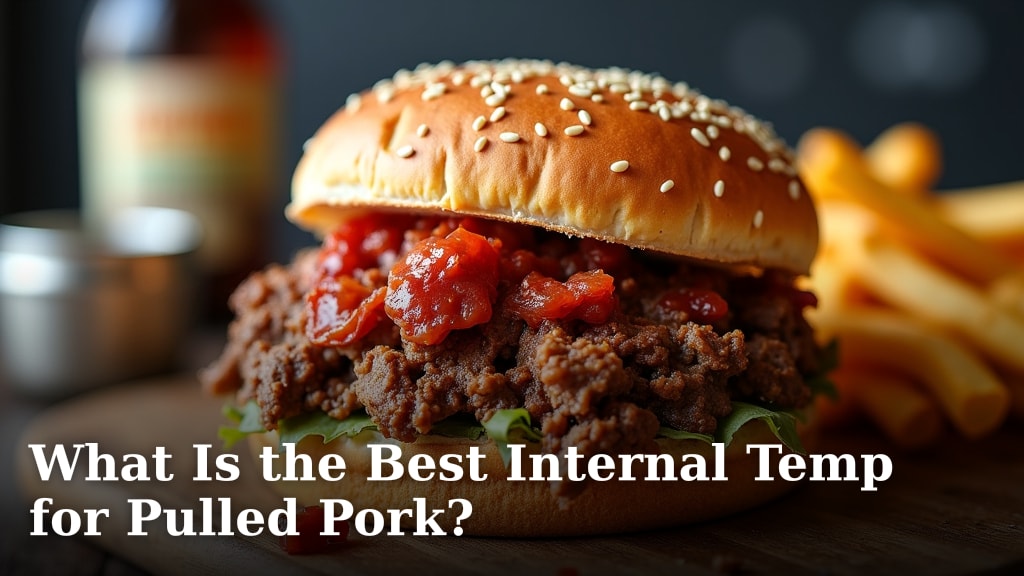
The best internal temp for pulled pork is generally between 195°F and 205°F. This is when the pork shoulder becomes incredibly tender and easy to shred. Reaching this temperature ensures your pulled pork will be wonderfully moist and flavorful, ready for your favorite barbecue sauce. Don’t rush the process; low and slow cooking is key to achieving that perfect melt-in-your-mouth texture.
While 195°F is a great target, remember that pulled pork can still be fantastic at slightly lower temperatures, sometimes even 190°F. What really matters is the “probe tender” stage. This means when you insert a thermometer probe into the thickest part of the meat, it slides in with very little resistance, almost like butter. This tenderness indicates the connective tissues have broken down.
- Pulled pork is ready when it hits 195-205°F internally.
- The meat should be probe tender, sliding in easily.
- Low and slow cooking is essential for tenderness.
- Don’t be afraid to go a few degrees over if it’s probe tender.
Ready to master your pulled pork game? Let’s break down exactly why this temperature range is so important and how you can nail it every single time.
Hitting That Perfect Pulled Pork Sweet Spot
So, you’re wondering about the ideal internal temperature for pulled pork. It’s a question many home cooks ask. The general consensus among pitmasters and culinary experts points to a range of 195°F to 205°F (90.5°C to 96°C). This temperature zone is where the magic happens for pork shoulder, also known as the Boston butt or pork butt.
Understanding the Science Behind Tender Pork
Why this specific temperature range? It all comes down to the science of meat. Pork shoulder is a tough cut of meat. It contains a lot of connective tissue and collagen. These need time and heat to break down. When you cook pork shoulder low and slow, these tough tissues transform into gelatin. This gelatin lubricates the meat fibers. It makes the pork incredibly tender and juicy.
Think of it like cooking a tough piece of beef stew meat. You wouldn’t cook that quickly. You need to simmer it for hours. The same principle applies here. Reaching that 195°F to 205°F mark means you’ve given the collagen enough time to melt. This is what gives pulled pork its signature shreddable texture. You won’t get that melt-in-your-mouth feel if you pull it off the heat too early.
The “Probe Tender” Test: Your Ultimate Guide
While temperature is a great guideline, it’s not the only factor. Many pitmasters rely on what’s called the “probe tender” test. This is often more telling than a digital thermometer alone. What does probe tender mean? It means you can insert a thermometer probe into the thickest part of the pork. It should slide in and out with very little resistance.
Imagine poking a stick into soft butter. That’s the kind of ease you’re looking for. If you feel any tightness or resistance, the connective tissues haven’t fully broken down yet. Your pork needs more time. This is why sometimes pork might be probe tender at 195°F, while another might need to reach 203°F. Trust the feel of the probe.
Why Low and Slow is the Name of the Game
You can’t rush perfection when it comes to pulled pork. The low and slow cooking method is essential for breaking down those tough connective tissues. High heat can cook the outside of the pork too quickly. This can lead to dry, tough meat. It also prevents the inside from reaching the tenderizing temperatures.
Slow cooking, typically between 225°F and 275°F (107°C to 135°C) in your oven, smoker, or slow cooker, allows heat to penetrate the meat gradually. This gentle cooking ensures even temperature distribution. It gives the collagen ample time to render. You’re aiming for patience here. Resist the urge to crank up the heat to speed things along.
Factors That Influence Your Pork’s Final Temperature
While the 195°F to 205°F range is a solid target, several things can affect how quickly or slowly your pork reaches this point. Being aware of these can help you adjust your cooking strategy.
The Cut of Pork and Its Size
Not all pork shoulders are created equal. The size and thickness of your cut will play a role. A larger, thicker pork butt will take longer to cook than a smaller one. This is because it takes more time for heat to reach the center.
Also, the amount of fat and marbling within the cut can influence cooking. Higher fat content can sometimes lead to a slightly faster cook. The pork is more forgiving. It has its own internal lubrication. Bone-in versus boneless cuts can also make a difference. The bone can act as an insulator.
Your Cooking Method Matters
The type of cooker you use will affect the cooking time and temperature. Smoking pork at 250°F will have a different outcome than baking it in an oven at the same temperature. The environment in a smoker is often more forgiving. It helps create a nice bark. An oven can sometimes dry out the surface more easily.
Slow cookers are another popular option. They often cook at slightly higher average temperatures. This can sometimes lead to faster cooking times. However, they can also sometimes make the meat a bit more “steamed” than “roasted.” You’ll need to adjust your timing based on your specific appliance.
The Stall: A Common Pulled Pork Phenomenon
Ever heard of “the stall”? This is a common occurrence when smoking or barbecuing larger cuts of meat. The internal temperature of the pork will rise steadily. Then, it will plateau, sometimes for hours, in the 150°F to 165°F (65°C to 74°C) range. You might feel like your cooker is broken!
This happens due to evaporative cooling. As moisture from the surface of the pork evaporates, it cools the meat. It’s like sweating on a hot day. This is a natural part of the process. Don’t panic. Keep the cooking temperature consistent. The meat will eventually push through the stall. Many experts note this is when the fat and collagen start to break down more actively (USDA). So, it’s a good sign, even if it feels slow.
Dealing With the Stall
If the stall is making you anxious, there are a couple of things you can do. You can simply be patient. Maintain your cooking temperature and let nature take its course. Another method is to wrap the pork butt in butcher paper or foil once it hits the stall. This is known as the “Texas crutch.”
Wrapping helps reduce evaporative cooling. It can speed up the cooking process. It also helps to retain moisture. Just remember that wrapping can soften the bark you worked so hard to develop. If a crispy bark is your priority, you might choose to go unwrapped or unwrap it for the final hour of cooking. If the stall is making you anxious, you can try the “Texas crutch” method. Our guide on how to wrap a brisket explains this technique.
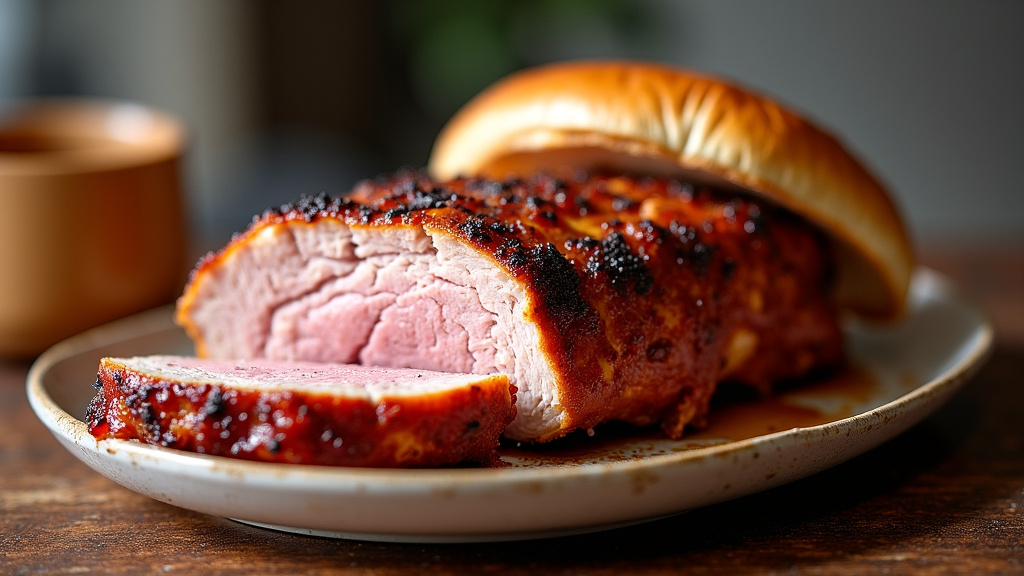
When Is Pulled Pork Truly Done? Beyond Just Temperature
While temperature is a critical metric, it’s not the be-all and end-all. You want to achieve a specific texture. This is where the probe tender test really shines. Think of temperature as a guideline and probe tenderness as the final confirmation.
The Texture Check: Your Final Verdict
Once your pulled pork reaches the target internal temperature range, give it the wiggle test. Take a fork or your probe and gently twist the meat. Does it fall apart easily? Does it shred with minimal effort? If the answer is yes, your pork is likely ready.
If you feel resistance, or if the meat is still a bit firm, it needs more time. You might need to cook it for another hour or two. This is where your thermometer becomes a tool, not a dictator. The feel of the meat is your most reliable indicator of doneness. Many culinary resources suggest that internal temperature is a target, but tenderness is the true measure of success (National Pork Board).
Resting Your Pulled Pork: A Non-Negotiable Step
After your pulled pork reaches its perfect temperature and is probe tender, you must let it rest. This is a critical step that many home cooks overlook. Resting allows the juices to redistribute throughout the meat. Without resting, those delicious juices will run out onto your cutting board. You’ll end up with drier pork.
A rest period of at least 30 minutes to an hour is generally recommended. For larger cuts, you might want to rest it for up to two hours. You can rest it loosely tented with foil or in a cooler wrapped in towels. This resting period allows the meat to relax. It ensures maximum moisture and flavor.
Internal Temperature Chart for Pulled Pork
Here’s a quick reference to help you keep track:
| Stage | Internal Temperature Range | Notes |
|---|---|---|
| Starting to Break Down | 160°F – 170°F (71°C – 77°C) | The stall often occurs here. Fat begins to render. |
| Ideal Tenderizing Zone | 180°F – 195°F (82°C – 90.5°C) | Collagen breakdown accelerates. Meat becomes more pliable. |
| Perfectly Pulled | 195°F – 205°F (90.5°C – 96°C) | Meat is probe tender, easily shreds, and is moist. |
Quick Pulled Pork Doneness Checklist
Run through this quick checklist to know when your pulled pork is ready for shredding:
- Has the pork reached 195°F to 205°F internal temperature?
- Does a thermometer probe slide into the thickest part with minimal resistance?
- Does the meat easily twist and pull apart with forks?
- Is the pork moist and juicy, not dry or tough?
- Has the pork rested for at least 30 minutes after cooking?
Conclusion
You’ve learned that the sweet spot for pulled pork is between 195°F and 205°F internal temperature. Remember, this is your target, but the real indicator of doneness is probe tenderness. This means the meat should feel soft and yield easily to a probe. Low and slow cooking is your best friend for breaking down connective tissues and achieving that melt-in-your-mouth texture. Don’t forget to let your perfectly cooked pork rest before you shred it to lock in all that delicious moisture. Now you’re ready to create amazing pulled pork!
Frequently Asked Questions
Can I pull pork before it reaches 195°F?
Yes, you can. While 195°F to 205°F is the ideal range for maximum tenderness, some pork shoulders become probe tender at slightly lower temperatures, sometimes around 190°F. Always prioritize the “probe tender” feel over the exact temperature for the best results.
What if my pulled pork is still tough at 205°F?
This can happen if the connective tissues haven’t fully broken down. Don’t worry, just let it continue to cook at your current temperature. Check the probe tenderness every 30-60 minutes until it yields easily. Patience is key here for a tender outcome.
How long does it typically take to reach the pulled pork temperature?
Cooking times vary greatly based on the size of the pork shoulder, your cooking method, and your smoker or oven temperature. A general guideline is about 1.5 to 2 hours per pound at 225°F to 250°F. Always rely on your thermometer and probe tenderness test.
Does wrapping pulled pork affect the final internal temperature?
Yes, wrapping the pork (using the “Texas crutch”) can help speed up the cooking process by reducing evaporative cooling. This means it might reach your target internal temperature slightly faster than unwrapped pork. It also helps retain moisture.
Is it okay to pull pork if it’s over 205°F?
It’s generally fine if your pork goes a few degrees over 205°F, especially if it’s already probe tender. The most important factor is tenderness. However, be careful not to overcook it to the point where it becomes dry and mushy, which can happen if it stays too long at very high temperatures.
