
How Long Does It Take to Smoke Pulled Pork?
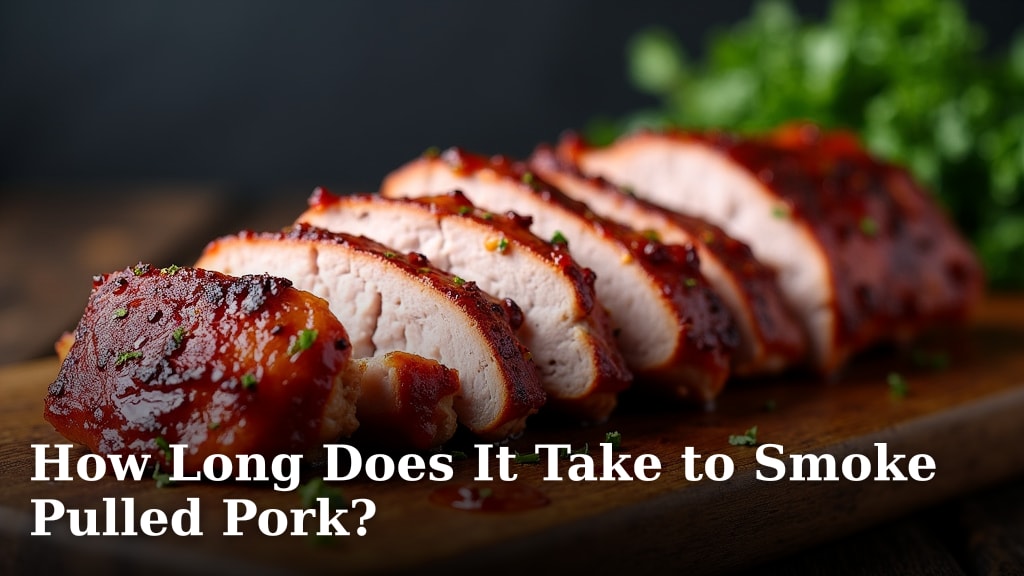
So, how long does it take to smoke pulled pork? You’re looking at a pretty long cooking time, typically between 8 to 12 hours for a good-sized pork shoulder. This slow and low method is key to getting that tender, shreddable meat you love. Don’t rush the process; good pulled pork is worth the wait!
The actual time depends on several factors, including the size of the cut and your smoker’s temperature. Expect roughly 1.5 to 2 hours per pound at 225°F (107°C). Keeping a close eye on the internal temperature is more important than the clock. Your goal is a juicy pork shoulder that reaches 195-205°F (90-96°C).
- Pulled pork takes a while to smoke properly.
- Plan for 8-12 hours of cooking time.
- Time is often estimated by pounds, about 1.5-2 hours per pound.
- Aim for an internal temperature of 195-205°F.
- Resting the pork is also a critical step.
Let’s break down exactly what influences this cooking time and how to get your pulled pork perfect every time. We’ll cover everything you need to know to plan your smoke session.
Understanding Pulled Pork Smoking Times
So, you’re wondering about the timeline for smoking pulled pork. It’s a common question, and the answer isn’t a simple number. Several factors play a role. Think of it like baking bread; you can’t rush perfection. We’re aiming for tender, juicy meat that falls apart with a gentle tug. This usually means dedicating a good chunk of your day, and sometimes even into the next.
Key Factors Influencing Your Smoke Time
The biggest influences on how long your pulled pork needs are the size of the pork cut and the temperature of your smoker. These two elements work together to determine the overall duration. Don’t forget about the meat’s starting temperature, too. Cold meat will take longer to reach the desired internal temperature.
Size Matters: The Pork Shoulder’s Weight
Pork shoulders, also known as Boston butts or picnics, come in various sizes. A typical pork shoulder can range from 5 to 10 pounds, sometimes even more. The Pork shoulders, also known as Boston butts, are the ideal cut for pulled pork.larger the cut, the longer it will need to smoke. This is because heat needs more time to penetrate the thicker pieces of meat.
Smoker Temperature: The Low and Slow Principle
The magic of pulled pork happens at low temperatures. Most pitmasters aim for a smoker temperature between 225°F (107°C) and 250°F (121°C). This gentle heat allows the connective tissues in the pork shoulder to break down slowly. This process is what makes the meat incredibly tender and shreddable. Higher temperatures might cook it faster, but they risk drying out the meat or preventing that crucial tenderization.
The 225°F Sweet Spot
Many pitmasters swear by 225°F (107°C) as the ideal temperature. At this setting, you can generally expect a cooking time of about 1.5 to 2 hours per pound. So, a 7-pound pork shoulder might take anywhere from 10.5 to 14 hours. This is a solid estimate, but remember it’s not a hard and fast rule.
When to Bump Up the Heat (Slightly)
Some folks prefer to cook at a slightly higher temperature, around 250°F (121°C). This can shave off some time. At 250°F, you might be looking at closer to 1.25 to 1.5 hours per pound. However, you need to be more vigilant about keeping the meat moist and preventing it from drying out. Always monitor your smoker’s temperature and adjust as needed to maintain a stable heat.
Internal Temperature: Your Ultimate Guide
While pound-per-hour estimates are helpful, they are just that – estimates. The most reliable indicator of doneness is the internal temperature of the pork. You’re not looking for a specific time; you’re looking for the meat to reach a specific temperature point. This is where a good meat thermometer becomes your best friend. The internal temperature of the pork is the most reliable indicator of doneness, rather than just the clock.
The Target Zone: 195°F to 205°F
The consensus among barbecue experts is that pulled pork is ready when it reaches an internal temperature of 195°F (90°C) to 205°F (96°C) in the thickest part of the meat (CDC). At this temperature range, the collagen within the pork shoulder has broken down, rendering the meat exceptionally tender and moist. You can usually probe the meat with your thermometer, and it should feel like probing butter. It should offer very little resistance.
The Stall: What Is It and How to Handle It
Have you heard of “the stall”? It’s a phenomenon common in long cooks like pulled pork. Your pork’s internal temperature will rise steadily, then suddenly plateau or even drop slightly for several hours. This happens due to evaporative cooling. As moisture evaporates from the surface of the meat, it cools the meat down. Don’t panic when this happens! It’s a normal part of the process. Some pitmasters wrap their pork in butcher paper or foil at this stage (known as the Texas Crutch) to push through the stall faster.
Beyond the Smoke: The Crucial Rest Period
Once your pulled pork hits that magical 195-205°F internal temperature, you’re not quite done. The rest period is absolutely vital. It’s as important as the smoking time itself. Resting allows the juices within the meat to redistribute. If you slice or pull the pork immediately after it comes off the smoker, those delicious juices will run out, leaving you with drier meat.
How Long to Rest Your Pork
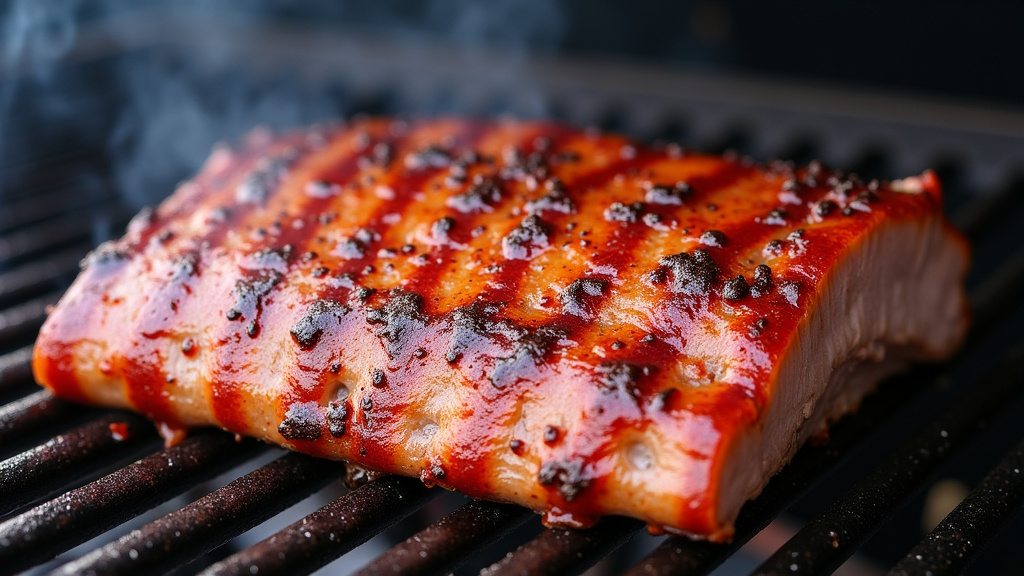
A good rest for pulled pork typically lasts at least 30 minutes to an hour. For larger cuts or if you want to be absolutely sure, you can rest it for longer, even up to 2-4 hours. To do this, wrap the pork tightly in butcher paper or foil, then place it in a cooler without ice. This will keep it at a safe temperature while it continues to tenderize and the juices settle.
Putting It All Together: A Sample Timeline Example
Let’s paint a picture. Imagine you have a 7-pound pork shoulder and you’re aiming for a 225°F smoker temperature. Based on our 1.5-2 hours per pound rule, you’re looking at 10.5 to 14 hours of smoking time. Add to that an hour for the rest, and you’re talking about a full day of cooking.
Here’s a possible breakdown for a 7lb shoulder smoked at 225°F:
| Stage | Estimated Time | Notes |
|---|---|---|
| Prep & Trim | 30 minutes | Rubbing in spices, preparing the smoker. |
| Smoking | 10.5 – 14 hours | Monitor internal temp; expect the stall. |
| Resting | 1 hour | Wrap tightly and let the juices settle. |
| Pulling & Serving | 15-30 minutes | Shredding the delicious results! |
As you can see, it’s a commitment! But the reward of perfectly smoked pulled pork is absolutely worth the wait. It’s a labor of love that brings people together.
Tips for a Smoother Smoking Process
To ensure your pulled pork smoke session goes as smoothly as possible, keep these tips in mind:
- Start Early: Always overestimate your cooking time. It’s better to have your pork ready early and resting than to be rushed.
- Monitor Temperatures Closely: Use a reliable leave-in probe thermometer for the pork and a separate thermometer for your smoker.
- Maintain Smoker Stability: Try to keep your smoker temperature as consistent as possible. Avoid opening the lid too often.
- Be Prepared for the Stall: Know that it might happen and have a plan (like wrapping) if you want to speed things up.
- Don’t Neglect the Rest: This step is non-negotiable for juicy, tender pulled pork.
Conclusion
You’ve learned that smoking pulled pork is a marathon, not a sprint. The estimated time of 8-12 hours is a guideline, with factors like pork shoulder size and smoker temperature playing major roles. Remember, your best friend is a meat thermometer, aiming for that sweet spot of 195-205°F internal temperature. Don’t forget the essential rest period; it’s non-negotiable for that melt-in-your-mouth tenderness. Now that you’re prepared, plan your smoke session, start early, and get ready to enjoy some incredible, homemade pulled pork!
Frequently Asked Questions
What’s the quickest way to smoke pulled pork?
While “quick” is relative for pulled pork, smoking at a slightly higher temperature like 250°F (121°C) can shave off some time, perhaps reducing the per-pound estimate to 1.25-1.5 hours. However, this requires more careful monitoring to prevent the meat from drying out. Always prioritize hitting the target internal temperature over rushing the clock.
How do I know when my pulled pork is actually done, not just based on time?
The most reliable indicator is the internal temperature. You want the thickest part of the pork shoulder to register between 195°F (90°C) and 205°F (96°C). You should also be able to easily probe the meat with your thermometer, feeling very little resistance – it should feel like probing soft butter. This confirms the collagen has broken down.
Can I smoke pulled pork overnight?
Yes, smoking pulled pork overnight is a common practice for many pitmasters. You’ll need to ensure your smoker can maintain a consistent temperature for an extended period and that you have enough fuel. It’s wise to start it in the late evening so it’s ready to rest in the morning. Always use a reliable leave-in thermometer to monitor the pork’s internal temperature remotely.
What is the “stall” in pulled pork and how does it affect cooking time?
The stall is when your pork’s internal temperature stops rising for several hours, often due to evaporative cooling. It’s a normal part of the process and can add unpredictably to your cooking time. Some pitmasters choose to wrap their pork in butcher paper or foil (the “Texas Crutch”) at this stage to help push through the stall faster and reduce overall cook time.
Why is the rest period so important for pulled pork?
The rest period allows the juices that have been pushed towards the center during cooking to redistribute throughout the meat. Skipping this step will result in those delicious juices running out when you pull or slice the pork, leaving you with a drier final product. A good rest, at least 30-60 minutes (or even longer), ensures maximum moisture and tenderness.
