
How Long Does It Take to Smoke a Turkey?
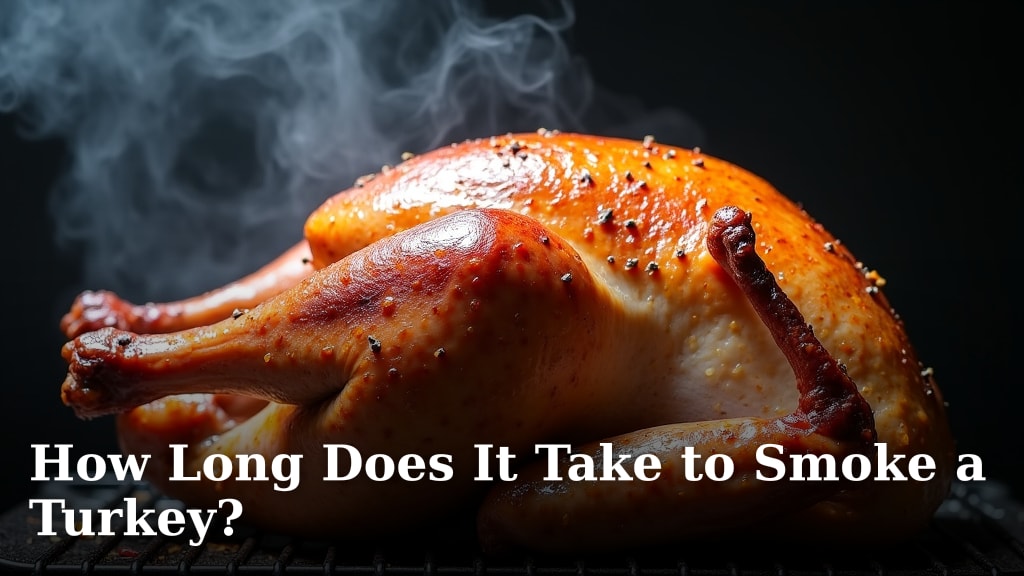
How long does it take to smoke a turkey? You can expect to smoke a turkey for about 30 to 45 minutes per pound at 225-250°F. For a 12-pound turkey, this means around 6 to 9 hours of smoking time. This estimate helps you plan your holiday meal perfectly, ensuring juicy, tender results. Remember, the internal temperature is the most important factor.
Smoking a turkey is a labor of love, and timing is everything. Factors like the turkey’s starting temperature, your smoker’s consistency, and even the weather can affect the cook time. We found that **brining** the turkey beforehand can also impact how quickly it cooks. Always rely on a meat thermometer for accuracy.
- Smoking a turkey usually takes 30-45 minutes per pound.
- A 12-pound bird might need 6-9 hours.
- Smoker temperature (225-250°F) is key.
- Always use a meat thermometer for doneness.
- Brining can slightly speed up cook time.
Ready to get that bird smoking? Let’s walk through the typical timeline and what you can do to prepare. We’ll cover everything you need to know to achieve smoky perfection. Our comprehensive guide on how to smoke a turkey can help you achieve smoky perfection.
Estimating Your Turkey Smoking Time
So, how long will this smoky bird take to cook? Generally, you’re looking at 30 to 45 minutes per pound of turkey. This is the most common rule of thumb we found when researching smoking times.
This range applies when you’re smoking at a temperature between 225°F and 250°F. Think of it as a gentle, slow cook. It’s less about rushing and more about building that rich, smoky flavor.
The Magic Number: Turkey Weight and Time
Let’s break this down with an example. If you’ve got a nice, plump 12-pound turkey, you can estimate it will need between 6 and 9 hours. That’s 12 pounds multiplied by our 30-45 minute range.
A smaller 8-pound bird might be ready in 4 to 6 hours. On the flip side, a larger 20-pounder could take 10 to 15 hours. Always factor in that extra time for unexpected delays.
| Turkey Weight (lbs) | Estimated Smoking Time (Hours) |
|---|---|
| 8-10 | 4-7.5 |
| 10-12 | 5-9 |
| 12-14 | 6-10.5 |
| 14-16 | 7-12 |
| 16-18 | 8-13.5 |
| 18-20 | 9-15 |
Why the Wide Range? It’s Not Just About Weight
You might be thinking, “Why such a big difference?” It’s true, we’ve given you a window, not a precise minute. Several factors play a role in how long your turkey will actually take.
The thickness of the meat is a big one. A bird with thicker thighs will take longer to reach temperature than one with leaner parts. Also, how evenly shaped your turkey is matters.
The Most Important Factor: Internal Temperature
Forget the clock for a moment. The true indicator of doneness is the internal temperature of the turkey. This is non-negotiable for food safety and delicious results.
The U.S. Department of Agriculture (USDA) recommends that all poultry reach an internal temperature of 165°F (74°C) in the thickest part of the thigh. This is without touching any bone.
Where to Take the Temperature
You’ll want to use a reliable meat thermometer. Insert it into the thickest part of the thigh. Be sure to avoid the bone. The juices should also run clear, but the temperature is the most accurate guide.
We also recommend checking the thickest part of the breast. This should also reach 165°F (74°C). Some people aim for slightly higher in the thigh (like 170-175°F) to ensure it’s fully cooked, while keeping the breast moist.
Resting: Don’t Skip This Step!
Once your turkey hits that magical 165°F, it’s not quite time to carve. You need to let it rest. This is a crucial step for juicy meat.
When turkey cooks, the juices are pushed to the center. If you cut into it immediately, those juices will run out onto the carving board. Resting allows the juices to redistribute throughout the meat.
We found that a 20-30 minute rest is usually sufficient for a whole turkey. Tent it loosely with foil to keep it warm. It will continue to cook slightly during this time due to carryover cooking.
Factors That Can Speed Up or Slow Down Your Cook
Your smoker’s temperature might not be the only thing affecting cooking time. Lots of things can throw your estimate off. We’ve seen it happen!
Starting temperature of the turkey plays a role. A frozen or partially frozen turkey will take much longer to cook. Always make sure your turkey is completely thawed before you put it on the smoker.
Smoker Consistency is Key
How consistent is your smoker? Some smokers hold temperature like a champ. Others can be a bit wild, especially in changing weather.
We found that smokers that fluctuate in temperature will lead to unpredictable cooking times. If your smoker’s temperature drops significantly, your turkey will take longer. If it spikes, it might cook faster than expected.
The Impact of Brining
Have you ever brined a turkey? Brining is a fantastic way to add moisture and flavor. Many experts agree it can also affect cook time.
We found that brined turkeys sometimes cook a bit faster than unbrined ones. This is because the salt in the brine helps the turkey retain moisture. More moisture can lead to more efficient heat transfer.
Weather Woes: Don’t Forget the Elements
Believe it or not, the weather outside your smoker can have an impact. If you’re smoking on a cold, windy day, your smoker will have to work harder to maintain its temperature.
This means the smoker might run hotter to compensate, or it might struggle to stay at the set temperature. Both scenarios can alter your cooking timeline. Try to shield your smoker from strong winds if possible.
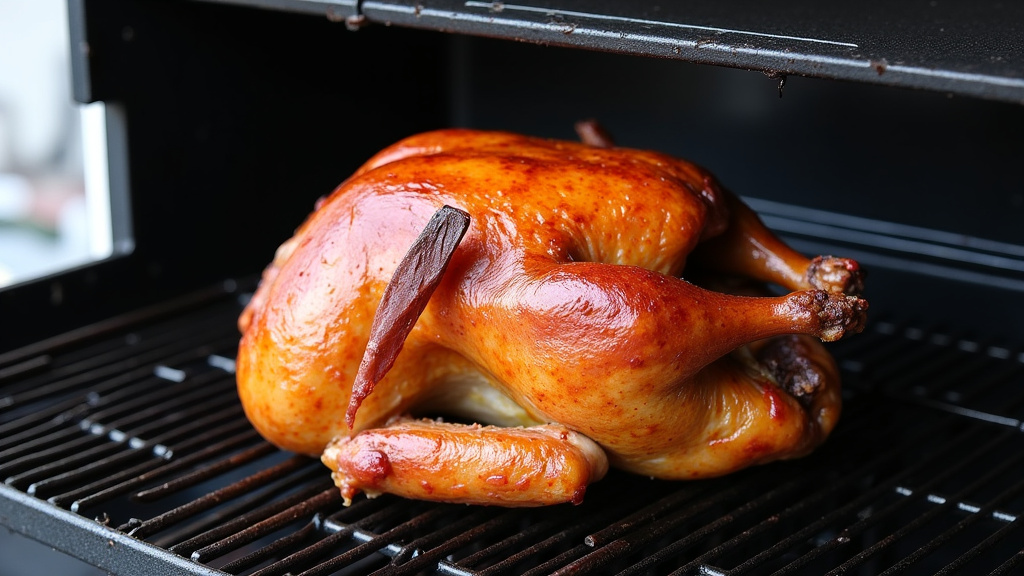
Tips for a Smoother Smoking Process
Planning is essential when you’re smoking a turkey. You don’t want to be caught off guard. Here are a few things we’ve learned that can help.
Prep Ahead: Get your turkey thawed, brined (if you choose), and seasoned well before it’s time to smoke. Having everything ready means less last-minute scrambling.
Know Your Smoker
Spend some time getting to know your smoker before the big day. Learn how it heats up, how it holds temperature, and how it reacts to wind or cold.
We found that doing a test run with your smoker can be incredibly helpful. This allows you to make any necessary adjustments or learn its quirks.
Invest in Good Equipment
A reliable meat thermometer is your best friend. Digital thermometers give quick and accurate readings. Consider an instant-read or a leave-in probe thermometer.
Having a good thermometer means you can check the temperature without losing too much heat from the smoker. This leads to more consistent cooking.
Have a Backup Plan
What if something goes wrong? It’s always smart to have a backup. For example, you could carve the turkey and finish sections in the oven if time is running short.
This ensures your meal is ready on time, even if the smoking process takes longer than expected. It’s all about enjoying your meal without unnecessary stress.
Smoker Temperature Management Checklist
- Preheat your smoker fully.
- Monitor temperature during the cook.
- Adjust vents as needed for airflow.
- Shield smoker from wind and rain.
- Use a reliable thermometer for accuracy.
- Know when to let the temperature slightly rise.
Conclusion
Smoking a turkey is a rewarding experience that offers incredible flavor. Remember, while rules of thumb like 30-45 minutes per pound at 225-250°F are helpful starting points, they’re just estimates. The true key to a perfectly cooked, safe turkey is reaching an internal temperature of 165°F in the thigh. Don’t forget to let your bird rest before carving for maximum juiciness.
Plan ahead, know your smoker, and always have a reliable meat thermometer handy. For your next smoky bird, focus on temperature and rest time, and you’re sure to impress!
Frequently Asked Questions
Can I smoke a partially frozen turkey?
We strongly advise against smoking a partially frozen turkey. It will take significantly longer to cook, making it very difficult to manage the smoker temperature. Always ensure your turkey is fully thawed before placing it on the smoker.
What is the best temperature for smoking a turkey?
The general consensus we found is to maintain a smoker temperature between 225°F and 250°F. This lower, consistent heat allows the turkey to cook slowly, resulting in tender meat and deep smoky flavor without drying out.
How do I know when my turkey is done if it’s not just the time per pound?
The most reliable way to know your turkey is done is by using a meat thermometer. Insert it into the thickest part of the thigh, avoiding the bone, and it should register 165°F. The breast should also reach this temperature.
Will adding wood chips or chunks affect my cooking time?
The type or amount of wood chips or chunks you use primarily affects the smoke flavor, not the cooking time itself. As long as your smoker temperature remains consistent, the time per pound should not change significantly due to the wood used.
How long should I rest my smoked turkey after it’s done?
We recommend resting your smoked turkey for at least 20-30 minutes after it comes off the smoker. Tent it loosely with foil. This resting period allows the juices to redistribute throughout the meat, ensuring a more moist and tender final product.
