How Long Does It Take to Smoke Brisket Per Pound?
On this page (5 sections)
Typically, it takes about 1 to 1.5 hours per pound to smoke a brisket at 225-275°F. This time can vary a lot, though. Many factors affect the total cooking duration for your delicious smoked brisket.
You’re not just cooking meat; you’re transforming it. We found that the size and thickness of your brisket play a huge role. Also, your smoker’s consistency and outdoor temperature can change the cooking time significantly. Don’t worry, we’ll guide you.
- Brisket takes 1-1.5 hours per pound to smoke.
- Cooking temperature is usually 225-275°F.
- Factors like brisket size and smoker stability matter.
- Always cook to internal temperature, not just time.
- Patience is key for a tender, juicy result.
Let’s walk through exactly how to estimate your smoking time and achieve that perfect, melt-in-your-mouth brisket every time.
Estimating Brisket Smoking Time Per Pound
You’re probably wondering how to get a reliable time estimate for your brisket. We found that a good rule of thumb is 1 to 1.5 hours per pound when smoking at 225-275°F. This is your starting point.
For example, a 10-pound brisket could take anywhere from 10 to 15 hours. A 15-pound brisket might need 15 to 22.5 hours. See how quickly the numbers add up?
Understanding the “Per Pound” Rule
The “per pound” rule gives you a general idea. It’s a guideline, not a strict deadline. Think of it as a helpful estimate for planning your day. You’re aiming for that perfect, tender result, right?
We found this rule is most accurate for briskets cooked at a consistent, low temperature. Consistency in your smoker is key for success.
Why It’s Not Always Exact
Several factors can shift your cooking time. No two briskets are exactly alike. They vary in shape, fat content, and even moisture. Your smoker also has its own personality.
Don’t get too hung up on the exact number of hours. Focus more on the internal temperature of the meat. That’s your true indicator of doneness.
Factors That Influence Brisket Smoking Time
Many things can speed up or slow down your brisket’s journey to perfection. Understanding these helps you adjust your expectations. It’s all about becoming a better pitmaster.
Brisket Size and Thickness
This is probably the biggest factor. A thicker brisket will always take longer than a thinner one, even if they weigh the same. Heat has to travel further to reach the center.
Are you smoking a whole packer brisket or just a flat? Whole packers (point and flat together) are often more forgiving and take longer. Flats can dry out quicker if you’re not careful.
Weight vs. Thickness
While weight is a good guide, thickness is more important for cooking speed. A long, thin brisket might cook faster than a short, thick one of the same weight. It’s like comparing a thick book to a wide, flat magazine.
Always consider the overall dimensions, not just the number on the scale. This helps you predict hot spots and slow areas in your smoker.
Smoker Temperature Consistency
Your smoker’s ability to maintain a steady temperature is crucial. Fluctuations will impact your cook time. Aim for that sweet spot between 225-275°F.
A well-insulated smoker with good temperature control will be more efficient. An old, leaky smoker might struggle, requiring more fuel and longer times. Do you know your smoker’s quirks?
Impact of Opening the Lid
Every time you open the smoker lid, you lose heat. This extends your cooking time. It’s like opening the oven door repeatedly while baking a cake. Try to resist the urge!
Minimize peeking. We found that patience is a virtue when smoking brisket. Let the smoker do its job.
The Infamous “Stall” Period
If you’re new to smoking brisket, you’ll encounter the “stall.” This is when your brisket’s internal temperature gets stuck, often between 150-170°F, for hours. It can be frustrating!
The stall happens due to evaporative cooling. Moisture evaporates from the surface, cooling the meat, much like sweat cools your skin. It’s a natural process, so don’t panic.
Pushing Through the Stall
The best way to manage the stall is to wrap your brisket. You can use butcher paper or foil. This traps moisture and pushes the temperature upward. Many experts call this the “Texas Crutch.”
Wrapping usually happens after the brisket has developed a nice bark, typically around 160-170°F internal temperature. It will significantly speed up the rest of the cook.
Desired Doneness and Rest Time
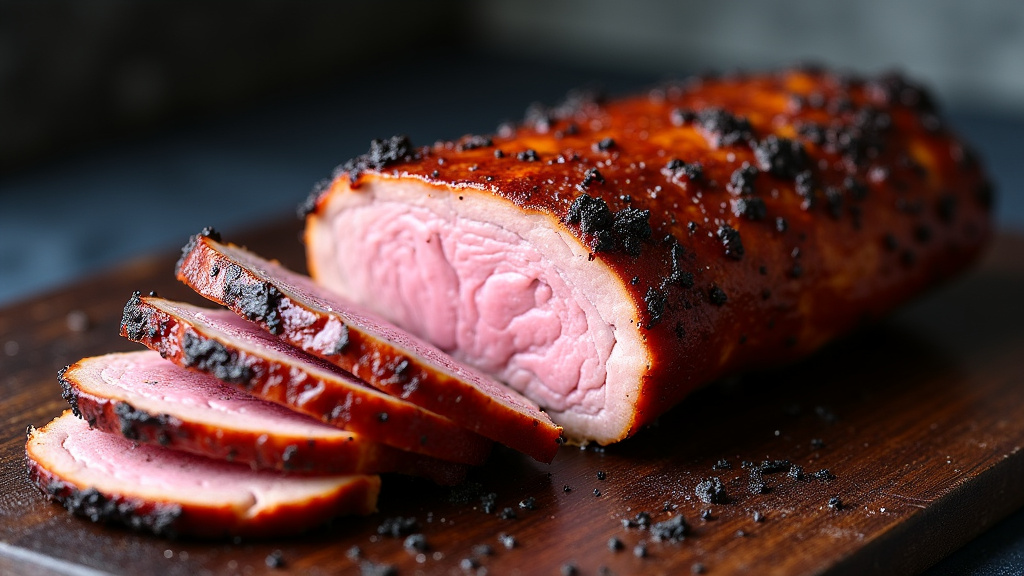
Brisket is done when it reaches an internal temperature of 195-205°F. But that’s not the whole story. You’re looking for “probe tender” – where a probe slides in with little resistance, like butter.
Once it’s done, you absolutely must let it rest. Rest time is critical for a juicy brisket. It allows the muscle fibers to relax and reabsorb juices. Don’t skip this step!
We found that a rest of 1 to 4 hours, often wrapped and in a cooler, makes a huge difference. It’s part of the cooking process.
Planning Your Brisket Cook: A Step-by-Step Approach
Now that you know the variables, how do you plan? It’s about being prepared and flexible. You’re orchestrating a delicious meal, after all.
Estimating Start Time
Work backward from when you want to serve. If you want dinner at 6 PM, and your brisket might take 15 hours plus a 2-hour rest, you’re looking at an early start. Maybe 3 AM or 4 AM?
Consider an overnight cook. This lets you get some sleep while the smoker works its magic. Plus, it gives you a buffer in case of a longer-than-expected stall.
| Brisket Weight | Estimated Cook Time (225-275°F) | Total Time (Including 2 hr Rest) |
|---|---|---|
| 8 lbs | 8 – 12 hours | 10 – 14 hours |
| 10 lbs | 10 – 15 hours | 12 – 17 hours |
| 12 lbs | 12 – 18 hours | 14 – 20 hours |
| 15 lbs | 15 – 22.5 hours | 17 – 24.5 hours |
Remember, these are estimates. Your actual times might differ. Think of it as a guide, not a stopwatch.
Monitoring Your Brisket’s Progress
A good meat thermometer is your best friend. A probe thermometer that stays in the meat and transmits temperature to a receiver is ideal. This lets you monitor without opening the lid.
Check the internal temperature in the thickest part of the flat, avoiding bone or large fat pockets. This gives you the most accurate reading.
When to Start Probing for Tenderness
Once your brisket hits about 190°F, start probing for tenderness. It’s not just about temperature; it’s about feel. The probe should slide in easily with very little resistance, like sticking it into warm butter.
Different parts of the brisket might be done at different times. Check a few spots. This ensures the entire brisket is perfectly tender.
The Importance of a Meat Thermometer
We cannot stress this enough. A reliable meat thermometer is the most important tool for smoking brisket. It takes the guesswork out of the equation.
Don’t rely solely on visual cues or time. Those can be misleading. Trust the thermometer and the “probe tender” feel.
- Choose a good quality thermometer: Invest in a reliable digital instant-read thermometer and a leave-in probe thermometer.
- Calibrate your thermometer: Check its accuracy in ice water (32°F) and boiling water (212°F at sea level).
- Monitor consistently: Use your probe thermometer to track progress without opening the smoker.
- Check multiple spots: Ensure even cooking by probing in different areas of the brisket.
- Clean after each use: Keep your thermometer hygienic and ready for the next cook.
These simple steps will significantly improve your brisket game. You’re essentially becoming a scientist in your backyard, right?
Conclusion
As you’ve seen, smoking a brisket is more art than science, guided by time but perfected by temperature. While the 1 to 1.5 hours per pound rule gives you a great starting point, remember that factors like thickness, smoker consistency, and the dreaded stall all play a role. Your patience and a good meat thermometer are your best allies.
Don’t just watch the clock; watch your internal temperature and feel for that “probe tender” goodness. You now have the knowledge to confidently plan and execute your next brisket cook. So, fire up that smoker, trust the process, and get ready to enjoy some incredibly tender, juicy smoked brisket.
Frequently Asked Questions
Can I smoke a brisket faster than 1 hour per pound?
You can certainly try to speed it up, but it’s generally not recommended for optimal tenderness and flavor. Increasing your smoker temperature too much risks drying out the meat or uneven cooking. The low and slow approach is what breaks down the tough connective tissues in brisket.
What’s the ideal internal temperature for a finished brisket?
Your brisket is typically “done” when it reaches an internal temperature between 195-205°F. However, the most important indicator is “probe tender” – the point where a thermometer probe slides into the meat with almost no resistance, like pushing into soft butter.
Does wrapping the brisket reduce the overall cooking time?
Yes, wrapping your brisket in butcher paper or foil, often called the “Texas Crutch,” helps push it through the stall faster. It traps moisture and heat, allowing the internal temperature to rise more quickly. This can significantly reduce the latter half of your cook time.
Why is resting the brisket so important after smoking?
Resting allows the meat’s muscle fibers to relax and reabsorb the juices that have been pushed to the center during cooking. Skipping the rest will result in a drier brisket, as all those delicious juices will run out when you slice it. Always aim for a 1-4 hour rest.
How accurate are online brisket cooking time calculators?
Online calculators offer a good initial estimate, but they can’t account for all the unique variables of your specific brisket or smoker. We found they are best used as a starting guide. Always rely more on your meat thermometer and the “probe tender” feel for accurate doneness.