
What Is the Best Wood for Smoking Pork?
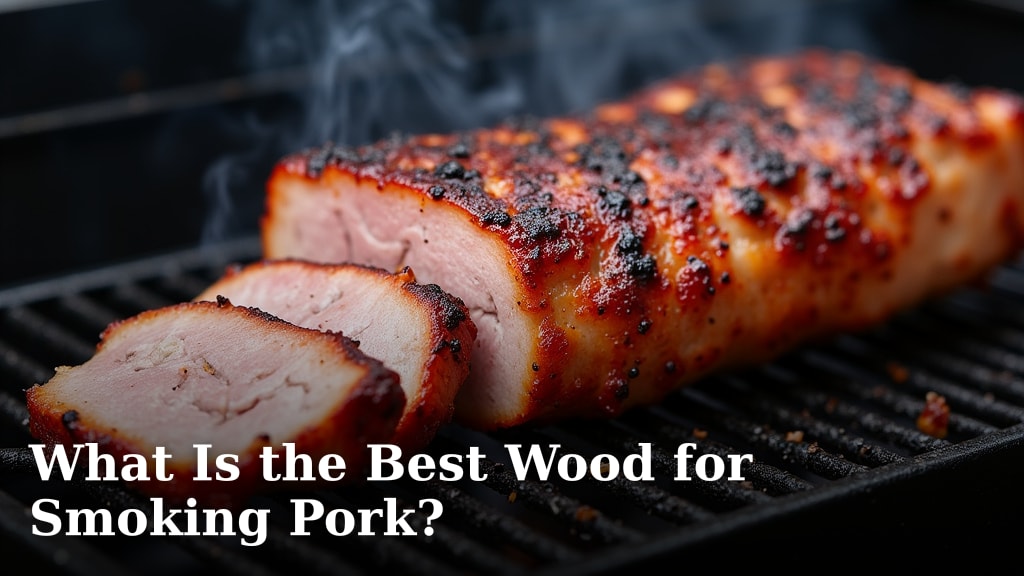
When smoking pork, the best wood choices depend on the flavor profile you’re aiming for. For a classic, crowd-pleasing smoke, hickory and oak are fantastic starting points. They offer a balanced, medium-strong flavor that pairs well with almost any cut of pork, from ribs to pork butts.
Beyond these favorites, other woods bring their own unique character. Fruity woods like apple and cherry impart a milder, sweeter smoke, perfect for delicate pork cuts or when you want a less intense flavor. For a bolder, more robust smoke, consider mesquite, but use it sparingly as its flavor can be quite overpowering.
- Hickory and oak are top choices for balanced flavor.
- Apple and cherry offer a milder, sweeter smoke.
- Mesquite provides a strong, bold flavor.
- Always consider the cut of pork and your desired taste.
Let’s dive into the details and find the perfect wood for your next pork smoking adventure.
Choosing the Right Wood for Your Pork Smoking Adventure
So, you’ve got your pork ready for the smoker. Now comes the fun part: picking the perfect wood to give it that amazing smoky flavor. It’s not just about throwing any old log on the fire. Different woods bring different tastes to the party.
We’ve all been there, staring at a pile of wood chunks or chips, wondering which one will make our pork shine. Don’t worry, we’re here to guide you. Let’s break down the most popular wood types and what makes them great for smoking pork.
The Big Players: Popular Woods for Pork
Hickory: The All-American Classic
If there’s one wood that screams “barbecue,” it’s hickory. This is a go-to for a reason. It provides a strong, distinct smoky flavor that’s familiar and satisfying. Think of it as the sturdy oak of the wood world – reliable and always a crowd-pleaser.
Hickory smoke is medium-strong. It has a slightly sweet, almost bacon-like aroma. It pairs wonderfully with just about any cut of pork. Whether you’re smoking a pork shoulder for pulled pork or a rack of ribs, hickory won’t let you down.
We found that a little hickory goes a long way. Too much can make the pork taste a bit too intense for some people. It’s a safe bet if you’re new to smoking or want a classic taste. Many pitmasters consider it the foundation of great barbecue (AmazingRibs.com).
Oak: The Versatile Workhorse
Oak is another heavy hitter in the smoking world. It offers a more mellow, less aggressive smoke than hickory. If hickory is a bold statement, oak is a confident, steady presence. Its flavor is clean and balanced.
You’ll often hear oak described as having a medium, rich smoke flavor. It doesn’t overpower the natural taste of the pork. This makes it incredibly versatile. It’s a fantastic choice for larger cuts like pork butts or briskets, where you want the smoke to complement, not dominate.
Research indicates that oak wood is widely used in food preparation and aging, proving its gentle yet effective flavor contribution (National Archives).
Consider oak if you want a reliable, sophisticated smoke. It’s particularly good when you’re pairing pork with rubs that have a lot of spices. It provides a solid base flavor that allows other ingredients to shine.
Mesquite: The Bold and Intense Option
Mesquite is famous for its potent, earthy flavor. If you’re looking for a powerful smoke, mesquite is your wood. Its smoke is often described as pungent and intense. This is definitely not a shy wood.
Because of its strength, mesquite is best used in moderation. We found that using too much mesquite can easily make the pork taste bitter or overly smoky. It’s like turning the volume up to 11 – sometimes that’s what you want, but not always.
Mesquite is excellent for shorter cooks or for adding a burst of flavor. Some people like to mix it with milder woods to temper its intensity. It’s a favorite for those who love a really robust, smoky punch.
Pecan: A Nutty, Mild Alternative
Pecan wood offers a lovely, mild smoke with a slightly sweet, nutty undertone. It’s often compared to hickory but is generally gentler. Think of it as hickory’s polite cousin.
This wood is wonderful for pork. It imparts a beautiful color and a subtle flavor that complements pork without overwhelming it. It’s a great choice for those who find hickory a bit too strong. We found that pecan adds a delicate sweetness.
It works well with pork ribs, pork loin, and even pork chops. If you want a crowd-pleasing flavor that’s a little different from the usual, pecan is worth trying. It’s also excellent for poultry.
Fruity Woods: Sweetness and Subtlety
Apple: Gentle and Sweet
Apple wood is one of the most popular choices for a mild, sweet smoke. Its flavor is delicate and fruity. It’s perfect when you want the pork’s natural taste to be the star, with just a hint of smoke.
The smoke from apple wood is very light. It produces a beautiful reddish-pink smoke ring. This wood is fantastic for pork loin, pork tenderloin, or any cut where you don’t want a strong smoky flavor. Many suggest it’s ideal for lighter meats (Food & Wine).
We found that apple wood is also great for beginners. Its mildness makes it forgiving. You’re unlikely to over-smoke your pork with apple. It’s a wonderful way to introduce a touch of sweetness and fruitiness.
Cherry: Elegant and Mildly Sweet
Cherry wood is another excellent choice for a mild, slightly sweet smoke. It’s similar to apple wood but often has a deeper, richer fruit note. It’s considered a bit more elegant.
Cherry wood produces a beautiful mahogany color on the meat. Its smoke is gentle and won’t overpower the pork. This makes it a versatile option for various pork cuts. It’s a favorite for adding a subtle fruity dimension.
Many pitmasters enjoy blending cherry wood with stronger woods like oak or hickory. This creates a more complex flavor profile. It’s a great wood to experiment with if you’re looking for something a little different but still approachable.
Understanding Wood Formats: Chunks, Chips, and Pellets
How you use your wood matters just as much as which wood you choose. Wood comes in different forms, and each has its own way of releasing smoke.
Wood Chunks
Wood chunks are larger pieces of wood. They smolder slowly and provide a consistent smoke for longer periods. They are ideal for offset smokers or smokers where you add wood directly to the coals or firebox.
Chunks are great for longer cooks, like smoking a pork shoulder for 8-12 hours. You generally don’t need to soak wood chunks. Many experts suggest using them dry for the best smoke production (Weber Grills).
Wood Chips
Wood chips are smaller than chunks. They burn hotter and faster, producing a quicker burst of smoke. They are often used in charcoal grills or electric smokers.
If you’re using wood chips, it’s often recommended to soak them in water for about 30 minutes before use. This helps them smolder rather than burn up too quickly. This controlled burn provides a more consistent smoke. Chips are good for shorter cooks or adding extra smoke flavor.
Wood Pellets
Wood pellets are compressed sawdust. They are typically used in pellet grills, which are designed to automatically feed pellets into the fire. They offer a very convenient and consistent smoke. For a convenient and consistent smoke, consider using wood pellets.
Pellet grills allow for precise temperature control. The pellets burn cleanly and efficiently. Many brands offer blends of different woods, giving you a wide range of flavor options. This is a great choice for ease of use and consistent results.
Tips for Perfect Pork Smoke Flavor
Getting the wood right is key, but a few other tips can help you achieve smoky perfection.
- Start with Quality Wood: Always use wood specifically made for smoking. Avoid treated lumber or wood from fruit trees that haven’t been properly dried.
- Don’t Overwhelm: Start with less smoke and add more if needed. It’s easier to add smoke than to take it away.
- Consider the Cut: Thicker, tougher cuts of pork can handle stronger smoke. More delicate cuts benefit from milder woods.
- Mix It Up: Don’t be afraid to experiment. Blend different woods to create your own unique flavor profile.
- Watch the Smoke Color: Thin, clean smoke (often described as white or light blue) is ideal. Thick, acrid, black smoke can ruin your meat.
A Quick Reference Guide to Pork Smoking Woods
Here’s a quick rundown to help you decide:
| Wood Type | Flavor Profile | Best For | Intensity |
|---|---|---|---|
| Hickory | Medium-strong, classic, slightly sweet, bacon-like | Ribs, pork butt, general purpose | Medium-Strong |
| Oak | Medium, balanced, clean, not overpowering | Pork butt, larger cuts, versatile | Medium |
| Mesquite | Strong, bold, earthy, pungent | Short cooks, strong flavor lovers | Strong |
| Pecan | Mild, nutty, slightly sweet | Ribs, pork loin, a gentler option | Mild-Medium |
| Apple | Mild, sweet, fruity | Pork tenderloin, delicate cuts, beginners | Mild |
| Cherry | Mildly sweet, fruity, elegant | Pork loin, ribs, blends well | Mild |
Your Next Smoky Creation Awaits
Choosing the best wood for smoking pork is a journey. It’s about understanding the flavors and experimenting to find what you love.
Whether you stick with the classics like hickory and oak or venture into the sweet notes of apple and cherry, you’re on your way to delicious results. Remember to consider the cut of pork and the intensity of the smoke you desire.
Conclusion
You’ve learned that the best wood for smoking pork isn’t a one-size-fits-all answer. Hickory and oak provide that classic, balanced smoky flavor many love. If you prefer a sweeter profile, apple and cherry woods are your best bet. Remember, mesquite offers boldness but should be used sparingly. The cut of your pork and your personal taste are your best guides.
Now, it’s time to put this knowledge to use! Grab your favorite wood, fire up your smoker, and get ready to impress yourself and your guests with delicious, perfectly smoked pork.
Frequently Asked Questions
Can I mix different types of wood when smoking pork?
Absolutely! Mixing woods is a fantastic way to create a unique flavor profile. Many pitmasters blend a stronger wood like hickory with a milder fruit wood like apple or cherry for a more complex taste.
How much wood should I use for smoking pork?
It’s best to start with less wood and add more if needed. Too much smoke can overpower the pork. Pay attention to the smoke color – thin, clean smoke is ideal; thick, black smoke can taste bitter.
Should I soak wood chips before smoking pork?
Soaking wood chips is generally recommended for charcoal grills or when you want a slower, more consistent smoke. For offset smokers or when using wood chunks, it’s often better to use them dry.
What’s the difference between wood chunks and wood chips for smoking pork?
Wood chunks are larger and smolder longer, providing a steady smoke ideal for long cooks. Wood chips are smaller and burn faster, giving a quicker burst of smoke, often good for shorter cooks or adding extra flavor.
Is mesquite too strong for smoking pork ribs?
Mesquite is very potent and can easily overpower pork ribs if used too heavily. It’s often best to use mesquite in moderation, perhaps mixed with a milder wood, or for shorter smoking sessions.
