
What Is a Firebox on an Offset Smoker?
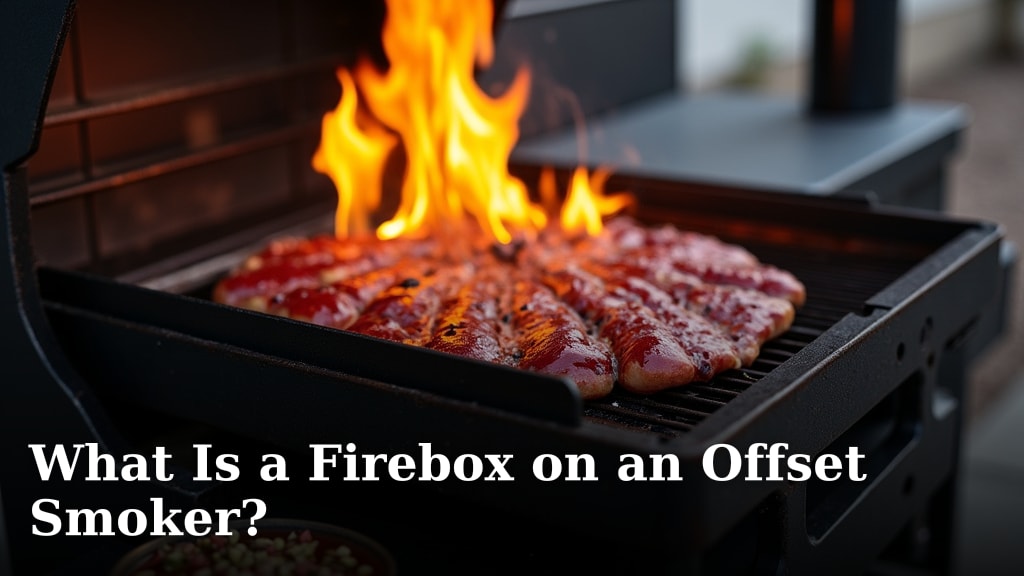
The firebox on an offset smoker is the separate chamber where you burn your fuel, like wood or charcoal. It’s designed to hold the fire and smoke, directing the heat and smoke through the main cooking chamber. This setup is key to achieving that authentic, low-and-slow smoked flavor.
Understanding the firebox is vital for controlling your smoker’s temperature. It’s where you manage the burn rate to maintain a steady heat. Many pitmasters focus heavily on firebox management for the best results. It’s the heart of the smoking process.
- The firebox holds your fuel (wood/charcoal).
- It directs heat and smoke into the cooking chamber.
- Managing the firebox is key to temperature control.
- It’s essential for low-and-slow smoking.
Now that you know what the firebox is, let’s dive into how it makes your smoker work its magic.
Understanding the Firebox: The Engine of Your Offset Smoker
So, you’ve got this awesome offset smoker, and you’re wondering about that side-mounted box where the magic really starts. That, my friend, is your firebox. It’s not just a random metal container; it’s the very heart of your smoking operation. Think of it like the engine in your car. Without a well-functioning engine, your car won’t go anywhere, and without a properly managed firebox, your offset smoker won’t produce that delicious, low-and-slow flavor you’re after.
In essence, the firebox is where you control the heat and smoke. It’s a separate chamber from your main cooking area. This design is what makes an offset smoker “offset.” The fire burns in one place, and the smoke and heat are channeled into another. This separation is key to maintaining consistent temperatures for those long smoking sessions.
How Does the Firebox Work? The Science of Smoke and Heat
The primary job of the firebox is to burn your fuel – typically charcoal or wood chunks – at a controlled rate. The heat and smoke generated inside the firebox are then drawn, or “offset,” into the main cooking chamber. This creates a gentle, indirect heat that cooks your food without searing it.
The Flow of Heat and Smoke
Imagine a gentle river. The firebox is the source of that river, and the cooking chamber is where the water flows to nourish the plants. The heat and smoke from the firebox flow through an opening and snake their way around your food in the cooking chamber. This movement ensures that your food is evenly cooked and infused with that wonderful smoky aroma.
Most offset smokers have a flue or chimney located on the opposite end of the cooking chamber from the firebox. This design creates a natural draft. As the hot smoke rises and exits the chimney, it pulls fresh air into the firebox, feeding the fire and continuing the cycle. This constant flow is essential for maintaining a stable temperature and producing clean-burning smoke.
Why Separation Matters for Flavor and Safety
One of the biggest advantages of having a separate firebox is temperature control. When your fuel is burning in a dedicated chamber, it’s easier to manage. You’re not directly blasting your food with intense heat. This indirect heat is perfect for tenderizing tougher cuts of meat over many hours.
Furthermore, this separation helps prevent your food from tasting acrid or bitter. Direct contact with flames or excessively hot coals can impart a harsh flavor. By keeping the fire contained, you allow the smoke to develop properly. Research suggests that clean, blue smoke is ideal for flavor, and a well-managed firebox helps achieve this (National Barbecue Association).
Types of Fireboxes: What to Expect
Fireboxes can vary quite a bit depending on the design and size of the offset smoker. However, most fall into a few general categories.
Standard Side-Mounted Fireboxes
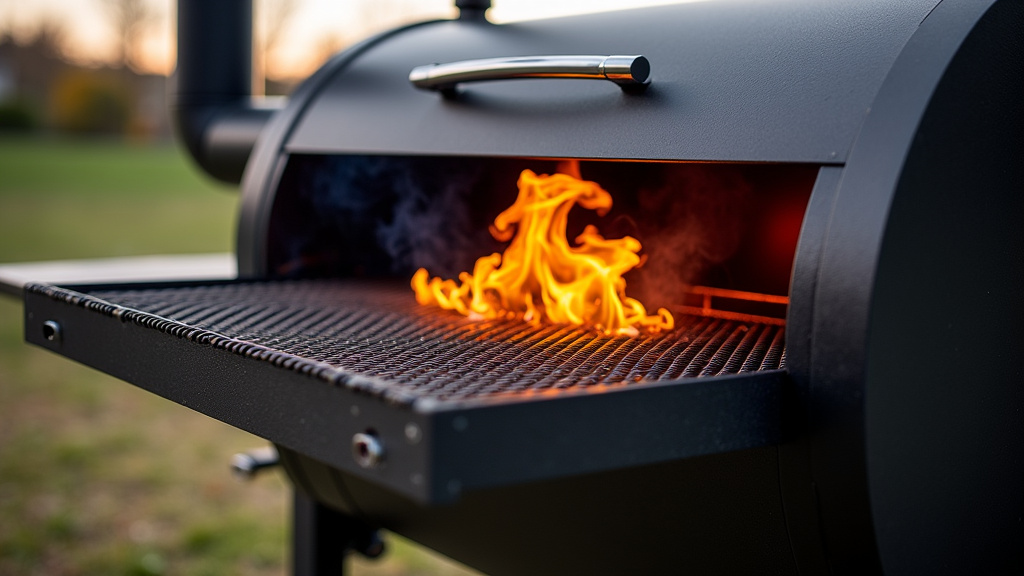
This is the classic design you’ll see on most traditional offset smokers. It’s a rectangular or square box attached to the side of the main cooking chamber. They usually have a hinged lid for easy access to add fuel or adjust the fire. These are fantastic for beginners and experienced pitmasters alike.
The size of the firebox often correlates with the size of the main cooking chamber. A larger smoker will typically have a larger firebox to maintain consistent heat for longer cooks. You’ll find these on backyard models and even some commercial units.
Dampers: Your Secret Weapon for Control
A key feature of most fireboxes is a damper. This is essentially an adjustable vent. You’ll often find one on the firebox itself and sometimes another on the main cooking chamber or chimney. Dampers allow you to control the amount of airflow into the firebox.
Think of a damper like the volume knob on your stereo. Open it up, and you get more air, which feeds the fire, making it hotter. Close it down, and you restrict airflow, which calms the fire. Mastering your dampers is one of the most important skills for any offset smoker owner. It’s how you fine-tune your temperature.
Internal Grates and Baffles
Inside the firebox, you might find an internal grate. This grate lifts your charcoal or wood off the bottom of the firebox. This allows air to circulate better underneath the fuel, ensuring a more complete and efficient burn. We found that a grate really helps prevent ash from smothering the coals.
Some higher-end smokers might also feature baffles within the firebox or the transition area between the firebox and the cooking chamber. These are metal plates designed to help diffuse the heat and smoke more evenly. They can help prevent hot spots and ensure a more consistent temperature throughout the cooking chamber.
What Fuel Goes in the Firebox?
The type of fuel you choose can significantly impact the flavor and ease of your smoking experience. While charcoal is great for providing a consistent heat base, wood is where you get that classic smoky flavor.
Charcoal: The Foundation of Heat
Lump charcoal is often preferred by pitmasters. It’s made from natural wood and burns hotter and cleaner than briquettes. Briquettes, on the other hand, are more uniform in size and tend to burn more consistently for longer periods. Both work well, but lump charcoal is often recommended for a more natural flavor profile.
Many experts recommend using a combination of charcoal and wood. The charcoal provides a steady, reliable heat source, while the wood adds the desired smoky flavor. You want to aim for a bed of hot coals, not a raging inferno.
Wood: The Flavor Maker
For smoking, hardwoods like hickory, oak, pecan, mesquite, and fruitwoods (apple, cherry) are popular choices. Each wood type imparts a unique flavor profile. Hickory is strong and classic, while fruitwoods offer a milder, sweeter smoke. Many pitmasters experiment to find their favorite wood combinations.
It’s important to use seasoned (dried) hardwoods. Wet or unseasoned wood will produce a lot of acrid, white smoke that can make your food taste bitter. You want that clean, thin, blue smoke. Many sources suggest wood should have a moisture content below 20% for optimal smoking (Forestry Extension Offices).
Managing Your Firebox for Perfect Cooks: A Practical Guide
Now that you understand the components, let’s talk about using your firebox. It might seem intimidating at first, but with a little practice, you’ll be a pro.
Starting the Fire
Begin by adding your chosen charcoal to the firebox. You don’t need to fill it to the brim. A good rule of thumb is to have enough to maintain your target temperature for at least an hour. Then, add your wood chunks or splits on top of or alongside the charcoal.
Light the charcoal using a chimney starter or a few natural fire starters. Avoid using lighter fluid, as the fumes can transfer to your food. Once the charcoal is mostly lit and covered in gray ash, you’re ready to start managing the fire.
Controlling Temperature: The Damper Dance
This is where your dampers become your best friends. Start with the firebox damper mostly open to get the fire going strong. As the temperature in the cooking chamber rises towards your target, begin to close down the firebox damper gradually. You’re looking for a steady temperature, not a rapid climb.
We found that making small adjustments to the damper is more effective than making large changes. If the temperature starts to drop, open the damper a bit. If it gets too hot, close it slightly. It’s a constant, gentle adjustment, much like steering a boat. Many seasoned smokers recommend keeping the main cooking chamber vents fully or mostly open to ensure good airflow.
Maintaining the Burn: Adding Fuel
For long cooks, you’ll need to add fuel periodically. The key is to add fuel in small amounts before the temperature drops too much. Try to add fuel to the hottest part of the firebox. You don’t want to smother the existing coals.
When adding wood, use logs or chunks that have been seasoned. This ensures clean smoke. You’re aiming for that thin, blue smoke, which indicates a complete burn. Thick, white smoke means your fire isn’t burning efficiently and can impart an undesirable flavor.
A Quick Firebox Checklist for Success
- Always use seasoned hardwoods.
- Start with a bed of hot coals.
- Master your dampers for temperature control.
- Add fuel in small amounts, as needed.
- Aim for thin, blue smoke.
- Be patient! Smoking is a marathon, not a sprint.
Common Firebox Challenges and How to Solve Them
Even with the best intentions, you might run into a few snags. Don’t get discouraged; these are common and fixable.
Temperature Fluctuations
If you’re seeing wild swings in temperature, check your damper settings. Are they adjusted too drastically? Also, consider the weather. Wind can significantly impact your fire. You might need to shield the firebox from strong gusts or adjust your damper more frequently. Make sure there’s enough fuel in the firebox to create a stable coal bed.
Too Much Smoke or Greasy Smoke
This usually means your fire is too cool or you’re using unseasoned wood. Ensure your charcoal is fully lit before adding wood. If you’re getting thick, white smoke, open up your dampers a bit to increase airflow and help the fire burn hotter. The goal is clean, light smoke that adds flavor, not bitterness.
Ash Buildup
Over time, ash can build up in the bottom of your firebox, potentially smothering your coals. Many fireboxes have grates to help with this, but occasionally you might need to use a small shovel or poker to carefully move ash away from the active coals. Do this during a fuel addition so you don’t lose too much heat.
