What Is an Offset Smoker?
On this page (9 sections)
- TL;DR
- Understanding the Offset Smoker's Design
- Why Choose an Offset Smoker? The Flavor Difference
- How an Offset Smoker Works: A Step-by-Step View
- Types of Offset Smokers: Finding Your Match
- Key Features to Look for in an Offset Smoker
- The Learning Curve: Getting Started with an Offset Smoker
- Conclusion
- Frequently Asked Questions
An offset smoker is a type of barbecue smoker that uses a separate firebox attached to the side of a larger cooking chamber. This design allows for indirect heat cooking, which is ideal for smoking meats low and slow.
The firebox is offset from the main chamber, hence the name. You load wood or charcoal here, and the heat and smoke flow into the main cook box. Many pitmasters love them for their authentic smoky flavor and ability to handle large cuts of meat.
TL;DR
- Offset smokers separate the heat source from the cooking area.
- They use indirect heat for slow, even cooking.
- Perfect for infusing deep smoke flavor into meats.
- Great for larger cuts and longer cooking times.
- Requires more hands-on heat management.
Ready to master the art of low and slow? Let’s dive into the fascinating world of offset smokers.
Understanding the Offset Smoker’s Design
An offset smoker works by separating the fire from your food. This design creates a special cooking environment that many barbecue fan love for its rich flavor.
You’ll find two main parts: a smaller firebox and a larger cooking chamber. This clever setup is why it’s called “offset.”
The Firebox: Where the Magic Starts
The firebox is your engine. It’s usually a small, horizontal cylinder attached to the side, typically on the lower left or right of the main chamber.
Here, you load your wood or charcoal. This is where the heat and smoke are generated. Think of it as the heart of your smoking operation.
Many offset smokers have a small door on the firebox. This lets you add fuel, remove ash, and manage the fire during your cook. It’s all about control.
The Cooking Chamber: Low and Slow Territory
The main chamber is where your food goes. It’s a much larger, horizontal cylinder or box. Grates inside hold your meat, poultry, or veggies.
Heat and smoke from the firebox enter this chamber through an opening. This indirect path means your food isn’t directly over the flames, preventing charring.
The design promotes slow cooking at lower temperatures. This allows tough cuts of meat to become incredibly tender and juicy.
The Chimney: Directing the Flow
At the opposite end of the cooking chamber, you’ll find a chimney or smokestack. This is crucial for airflow. It pulls the smoke across your food and out.
Many chimneys have a damper or cap you can adjust. This helps you regulate the smoke and heat within the cooking chamber. It’s another tool in your airflow management kit.
Why Choose an Offset Smoker? The Flavor Difference
People often pick offset smokers for a very good reason: the taste. The way these smokers work creates unique flavors.
The indirect heat and consistent smoke bath are key. Your food gets kissed by smoke, not overwhelmed by it.
True Wood Smoke Flavor
Using wood in the firebox creates a truly authentic smoke flavor. You can choose different woods like oak, hickory, or apple to tailor the taste.
Unlike some other smokers, the smoke comes from actual wood combustion. This gives your food a deep, complex flavor that’s hard to replicate.
This method allows for a “cleaner” smoke. The wood burns down to coals, reducing bitter notes often found with smoldering chips in other setups.
Moisture Retention and Tender Results
The low and slow cooking process helps meats retain moisture. Think about how a slow cooker works in your kitchen, but with added smoke.
Connective tissues in tough cuts like briskets and pork shoulders break down. This results in incredibly tender, fall-off-the-bone goodness.
You’ll notice that internal temperatures rise slowly and steadily. This gentle heat treatment is vital for perfect barbecue.
How an Offset Smoker Works: A Step-by-Step View
Understanding the process helps you master your offset smoker. It’s not just about lighting a fire; it’s about managing heat and smoke.
Here’s a simple breakdown of the process:
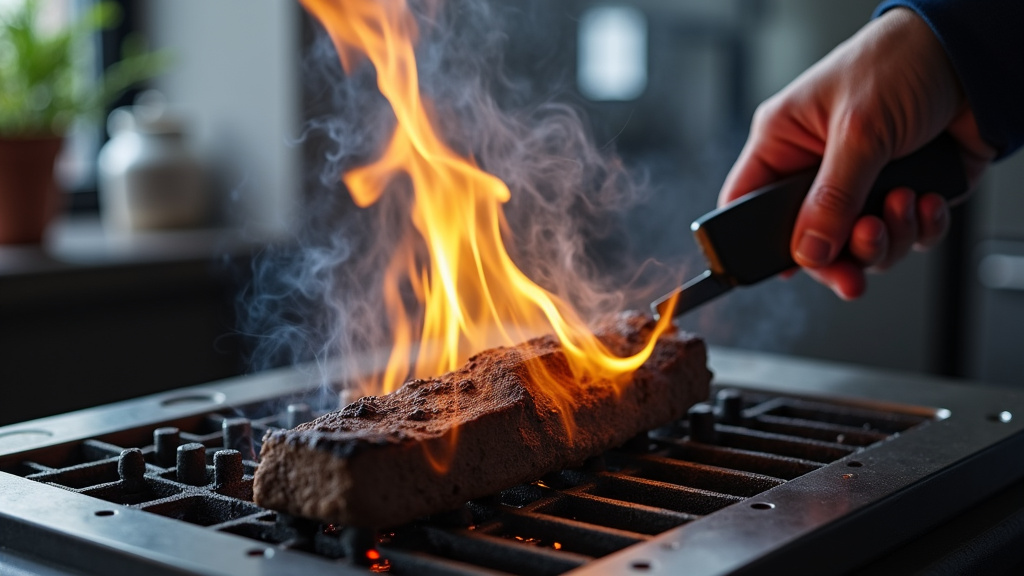
- Start Your Fire: You begin by building a small fire in the firebox. Many pitmasters use a charcoal chimney to get coals ready, then add small logs.
- Heat and Smoke Entry: As the wood burns, hot air and smoke move from the firebox into the main cooking chamber. There’s usually a small opening or baffle directing this flow.
- Cooking in the Main Chamber: The heat circulates around your food. Because the fire isn’t directly under the food, it cooks gently and evenly.
- Exhaust Through the Chimney: The smoke and heat then exit through the chimney on the opposite side. This creates a natural draft, pulling fresh air into the firebox and keeping the smoke moving.
- Temperature Control: You manage the temperature by adjusting dampers on the firebox and the chimney. Adding more fuel also raises the temperature, while restricting airflow lowers it.
It’s a dance between fuel, airflow, and time. With practice, you’ll learn the rhythm of your smoker.
Types of Offset Smokers: Finding Your Match
Not all offset smokers are the same. They come in various sizes and designs, each with its own advantages. Your choice depends on your needs and budget.
Traditional (Horizontal) Offset Smokers
These are the classic design you likely picture. They feature a horizontal cooking chamber and a firebox on the side.
They are great for larger cuts of meat and often preferred by competition pitmasters. They offer ample cooking space.
Many traditional models are built from thick steel, which helps with heat retention. This can make them quite heavy, though.
Reverse Flow Offset Smokers
A reverse flow smoker is an inventive twist on the traditional design. Instead of smoke flowing directly from firebox to chimney, it takes a detour.
A baffled plate directs the smoke and heat underneath the cooking grates, then back across the food, and finally out the chimney (often located near the firebox).
This design aims for more even temperature distribution across the entire cooking grate. It can reduce hot spots, which is a common challenge with traditional offsets.
Many users find reverse flow smokers easier to manage temperature-wise. They can be more forgiving, especially for beginners (Oklahoma Joe’s).
| Feature | Traditional Offset | Reverse Flow Offset |
|---|---|---|
| Heat & Smoke Path | Direct from firebox across food to chimney. | Under food, then back across food to chimney. |
| Temperature Evenness | Can have hot spots near firebox. | More even heat distribution. |
| Initial Cost | Generally lower for basic models. | Often higher due to additional baffling. |
| Management Difficulty | Requires more active fire management. | Can be more forgiving and stable. |
| Common Use | Classic BBQ, large cooks. | Consistent results, less hands-on. |
Key Features to Look for in an Offset Smoker
When you’re ready to buy, what should you keep in mind? Certain features make a big difference in performance and ease of use.
Material and Build Quality
The thickness of the steel is very important. Thicker steel holds heat much better, leading to more stable temperatures and less fuel usage.
Look for smokers made from at least 1/4 inch thick steel, especially for the firebox and cooking chamber. Thinner gauges will make temperature management a constant battle.
Solid welds and sturdy construction prevent heat and smoke leaks. A good seal means more efficient cooking.
Dampers and Vents: Your Control Points
Adjustable intake vents on the firebox and an adjustable exhaust damper on the chimney are non-negotiable. These are your primary tools for airflow and temperature control.
Make sure they open and close smoothly and can hold their position. Flimsy dampers will make your life harder.
Cooking Grates and Workspace
Consider the material of the cooking grates. Cast iron or stainless steel are durable and easy to clean. Chrome-plated grates can chip over time.
Look at the available cooking surface area. How much food do you typically want to smoke? Don’t forget about warming racks if you need extra space.
Side shelves and a bottom storage rack can be very handy. They provide space for tools, wood, or finished food. Many pitmasters appreciate a solid front shelf for carving.
Wheels and Mobility
Offset smokers, especially the well-built ones, can be very heavy. Sturdy wheels make moving your smoker much easier, even if it’s just across your patio.
Air-filled tires are often better than solid plastic wheels for navigating uneven surfaces. You want your smoker to stay put when it’s cooking but be movable when you need it to be.
The Learning Curve: Getting Started with an Offset Smoker
Operating an offset smoker is an art form. It takes practice and patience, but the rewards are delicious.
Mastering Fire Management
This is the trickiest part for newcomers. You’re not just setting a temperature; you’re building and maintaining a fire.
- Start Small: Begin with a small, clean-burning fire. Don’t overload the firebox right away.
- Monitor Temperatures: Rely on a good thermometer, ideally one at grate level, not just the lid gauge.
- Adjust Airflow: Tiny adjustments to the dampers make a big difference. Think of it like steering a large ship.
- Learn Your Smoker: Each smoker has its quirks. You’ll learn how quickly it heats up and loses heat.
- Use Good Fuel: Seasoned wood, free from chemicals, is key for clean smoke and flavor.
The Importance of Fuel Choice
What you burn directly impacts the flavor of your food. Hardwoods are preferred for smoking.
Different woods offer distinct flavor profiles: hickory for strong, bacon-like flavor; apple for mild, fruity notes; oak for a medium, classic BBQ taste (University of Nebraska-Lincoln Extension).
Always use dry, seasoned wood. Wet or green wood produces thick, acrid smoke, leaving a bad taste on your food.
Patience Pays Off
Smoking with an offset is a slow process. It takes hours, sometimes many hours, to cook food to perfection.
This isn’t a “set it and forget it” appliance. You’ll be checking on your fire, adjusting dampers, and enjoying the process. Many find this hands-on approach deeply satisfying.
Embrace the journey. The incredible flavors you achieve with an offset smoker are a direct result of your effort and care.
Conclusion
An offset smoker is more than just a cooking device; it’s a journey into authentic barbecue. You’ve seen how its unique design, from the firebox to the chimney, delivers that unmatched smoky flavor and tender results. While it demands more attention than other smokers, the payoff in taste is truly worth the effort. Choosing the right material and understanding fire management are your keys to success.
If you’re ready for hands-on, flavorful smoking, an offset smoker could be your perfect match. Now, go forth and start creating some incredible barbecue memories!
Frequently Asked Questions
Are offset smokers hard to use for beginners?
Offset smokers have a steeper learning curve compared to electric or pellet smokers. Managing the fire and maintaining consistent temperatures requires practice. However, many beginners find the process rewarding once they get the hang of it.
What’s the best fuel for an offset smoker?
Hardwood logs and charcoal are the primary fuels. Hardwoods like oak, hickory, pecan, or apple impart specific flavors. Many pitmasters start with charcoal for a consistent heat base then add wood splits for smoke and higher temperatures.
How often do I need to add wood to an offset smoker?
This depends on your smoker, the type of wood, and your desired temperature. Generally, you’ll need to add wood every 30 to 60 minutes. Keeping a consistent fire is essential for stable temperatures and clean smoke.
Can I use an offset smoker in cold weather?
Yes, but it will be more challenging. Cold and windy conditions make it harder to maintain consistent temperatures. You’ll likely use more fuel and need to be more attentive to your fire. Insulated blankets or welding blankets can help some smokers.
How do I clean an offset smoker after cooking?
After each use, scrape off any food residue from the grates and empty the ash from the firebox. Periodically, you’ll want to clean creosote buildup from the smokestack and inside the cooking chamber. A good wire brush and a shop vac are your friends here.