What Is the Best Wood for Smoking Cheese?
On this page (3 sections)
The best wood for smoking cheese often comes down to a few popular choices that offer a balanced flavor. Many people find that fruitwoods like apple and cherry provide a mild, slightly sweet smoke that complements most cheeses. For a bit more character, hickory is another excellent option, offering a medium-strong flavor that works well with harder cheeses.
Choosing the right wood can really transform your cheese from good to extraordinary. Different woods impart distinct smoky notes, so understanding their profiles helps you match them to your desired taste. We’ve researched which woods are most commonly recommended for their ability to impart delicious flavor without overpowering the cheese itself, ensuring a truly enjoyable eating experience.
- For a mild, sweet smoke, try apple or cherry wood.
- Hickory wood offers a medium-strong flavor great for harder cheeses.
- Always use untreated hardwood for smoking.
- Avoid softwoods like pine, as they can create a bitter taste.
Ready to find your perfect smoky cheese pairing? Let’s walk through the top wood choices and what makes them so great for imparting that delicious flavor.
Picking the Right Wood for Smoking Cheese
Choosing the best wood for smoking cheese is all about finding that sweet spot. You want a smoke flavor that enhances, not overpowers, the cheese’s natural taste. Think of it like adding a spice to a delicious meal. Too much, and you can ruin it. Just the right amount, and it becomes magical.
We’ve looked at what makes certain woods shine when it comes to cheese. The key is to pair the wood’s smoke profile with the cheese’s texture and fat content. Some woods offer a delicate kiss of smoke, while others provide a more robust embrace. Let’s explore the top contenders.
Fruitwoods: The Crowd-Pleasers
When you’re aiming for a mild and slightly sweet smoky note, fruitwoods are your best bet. They’re incredibly versatile and rarely disappoint. Many people start their smoking journey with these woods because they’re so forgiving.
Apple Wood
Apple wood is a fantastic starting point for smoking cheese. It offers a mild, slightly sweet, and fruity smoke. This gentle flavor profile is excellent for a wide range of cheeses, from soft to semi-hard. You’ll find it doesn’t overpower delicate cheeses like mozzarella or young cheddar. Many home smokers love apple wood because it’s widely available and always delivers a pleasant result.
Cherry Wood
Similar to apple, cherry wood provides a mild to medium smoke with a touch of sweetness. What sets cherry apart is its beautiful reddish hue that it can impart to the cheese’s rind. This wood works wonders with medium-firm cheeses like gouda or Swiss. If you want a smoke that’s noticeable but still refined, cherry is an excellent choice. Research suggests fruitwoods are preferred for their subtle nature (American Cheese Society).
Other Fruitwoods
Don’t stop at just apple and cherry! Other fruitwoods like peach, plum, and pear also offer delightful smoky notes. Peach wood tends to be a bit sweeter than apple, while plum can have a slightly tangier finish. Pear wood is very similar to apple, offering a light, fruity smoke. Experimenting with these can lead to some exciting flavor discoveries for your cheese.
Hickory: The Robust Contender
If you’re looking for a more pronounced smoky flavor, hickory wood is a popular and effective choice. It’s a go-to for many barbecue enthusiasts for a reason. Hickory brings a deeper, more savory smoke to the table.
Hickory’s Flavor Profile
Hickory smoke is often described as strong, slightly sweet, and a bit bacon-like. It’s robust enough to stand up to harder, aged cheeses. Think of a sharp cheddar or a parmesan. The smoky flavor really penetrates these types of cheeses beautifully. However, if you’re smoking a very mild cheese, hickory might be too intense. You’ll want to use it judiciously.
When to Use Hickory
We found that hickory is best reserved for cheeses that can handle a bolder flavor. It’s fantastic for imparting that classic American barbecue smoke flavor. If your goal is a cheese with a hearty, smoky character, hickory is your friend. Just be mindful of the quantity of wood you use and the duration of the smoke. Starting with a smaller amount is always a good idea.
Other Woods to Consider
Beyond the most popular choices, there are other hardwoods that can add unique dimensions to your smoked cheese. Each has its own character, offering different levels of intensity and flavor notes.
Pecan Wood
Pecan is often compared to hickory but is generally milder. It offers a nutty, sweet, and slightly earthy flavor. Many people find pecan to be a great middle-ground option between delicate fruitwoods and stronger hickory. It works well with a variety of cheeses and is another excellent choice for those seeking a balanced smoke.
Oak Wood
Oak wood provides a medium body smoke that is less intense than hickory but more robust than fruitwoods. It has a mild, earthy, and slightly tangy flavor. Many find it to be quite versatile. It’s often used for aging spirits, and its subtle complexity can transfer wonderfully to cheese. It’s a solid choice if you want a noticeable smoke without being overbearing.
Maple Wood
Maple wood offers a mildly sweet and delicate smoke, similar to fruitwoods but with a touch more depth. It’s a great option for cheeses where you want a gentle hint of smoke. It doesn’t have the strong, sometimes overpowering, notes that can come with some other woods. Many cheese makers appreciate maple for its subtle enhancement of flavor.
Woods to Avoid for Smoking Cheese
Just as important as knowing which woods to use is knowing which ones to steer clear of. Certain woods can introduce flavors that clash with the cheese, ruining your hard work.
Softwoods: The Big No-No
You should never use softwoods like pine, fir, spruce, or cedar for smoking cheese. These woods contain resins and sap that produce a harsh, acrid, and bitter smoke. This unpleasant flavor will quickly make your cheese unappetizing. Think of it as putting a bad ingredient into an otherwise perfect recipe – it just doesn’t work.
Treated or Processed Woods
Always use untreated, natural hardwoods. Avoid wood that has been pressure-treated, painted, or stained. These chemicals can leach into your food and are harmful if consumed. Stick to chunks, chips, or pellets specifically designed for smoking.
Making Your Wood Choice: A Quick Guide
Selecting the right wood can feel overwhelming at first, but it doesn’t have to be. Here’s a simple way to think about it:
| Wood Type | Flavor Profile | Best For | Intensity |
|---|---|---|---|
| Apple | Mild, Sweet, Fruity | Most Cheeses (Mild to Medium) | Mild |
| Cherry | Mild-Medium, Sweet, Fruity | Medium-Firm Cheeses | Mild-Medium |
| Hickory | Strong, Sweet, Savory | Hard, Aged Cheeses | Medium-Strong |
| Pecan | Nutty, Sweet, Earthy | Medium-Hard Cheeses | Medium |
| Oak | Mild, Earthy, Tangy | Versatile (Medium to Hard) | Medium |
| Maple | Mildly Sweet, Delicate | Mild to Medium Cheeses | Mild |
Your Smoking Wood Checklist
Before you fire up your smoker, quickly run through this list to ensure you’re set up for success:
- Have you chosen an untreated hardwood?
- Does the wood’s flavor profile match your cheese?
- Are you starting with a mild wood if you’re new to this?
- Do you have enough wood for your smoking session?
- Is your wood dry enough for optimal smoke production?
Conclusion
You’ve learned that the best wood for smoking cheese really comes down to personal preference and the type of cheese you’re working with. Fruitwoods like apple and cherry offer a gentle, sweet smoke perfect for milder cheeses. For a bolder flavor that stands up to aged cheddars, hickory is a fantastic choice. Remember, always use natural, untreated hardwoods and avoid softwoods to ensure a delicious and safe smoking experience. Now that you know your options, pick a wood, grab your cheese, and start smoking. Your taste buds will thank you for experimenting! If you’re new to smoking, our guide on the best smoker for a beginner pitmaster can help you start smoking.
Frequently Asked Questions
What’s the difference between apple and cherry wood for smoking cheese?
Apple wood provides a mild, slightly sweet, and fruity smoke that works well with many cheeses. Cherry wood offers a similar mild to medium smoke with a touch of sweetness, and it can also impart a beautiful reddish hue to the cheese rind.
Can I use hickory wood on soft cheeses?
While hickory is excellent for hard, aged cheeses due to its strong, savory flavor, it can overpower delicate or soft cheeses. If you try hickory with a milder cheese, use it sparingly and for a shorter smoking time.
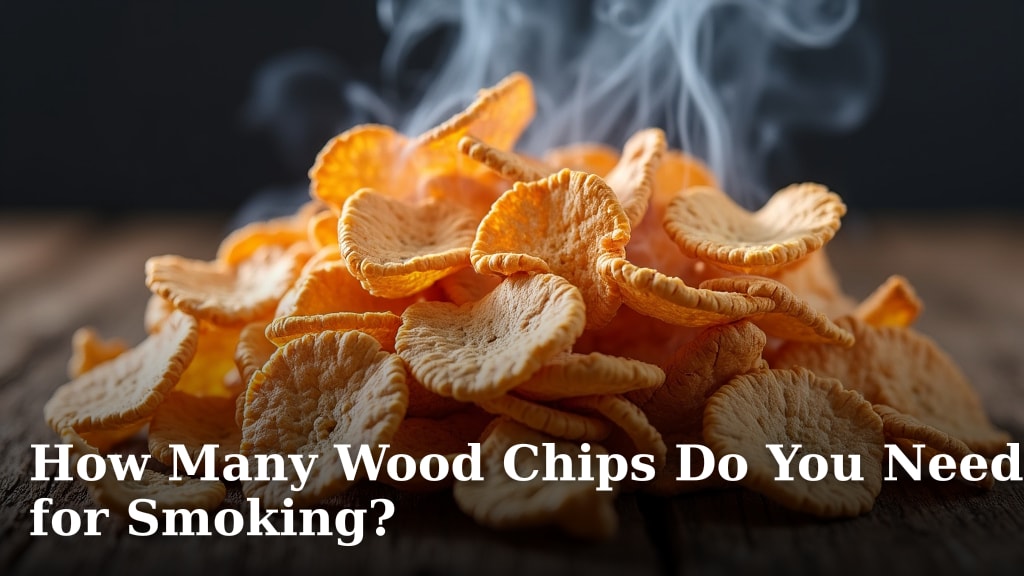
Are wood pellets as good as wood chunks or chips for smoking cheese?
Wood pellets are a convenient option and work well, especially in pellet smokers. They tend to burn consistently and provide a reliable smoke. Chunks and chips are also effective and can offer slightly different smoke densities depending on how they burn.
How much wood should I use when smoking cheese?
Start with a smaller amount of wood than you think you’ll need, especially if you’re using a stronger wood like hickory. You can always add more if you desire a more intense smoky flavor. Over-smoking can make the cheese bitter.
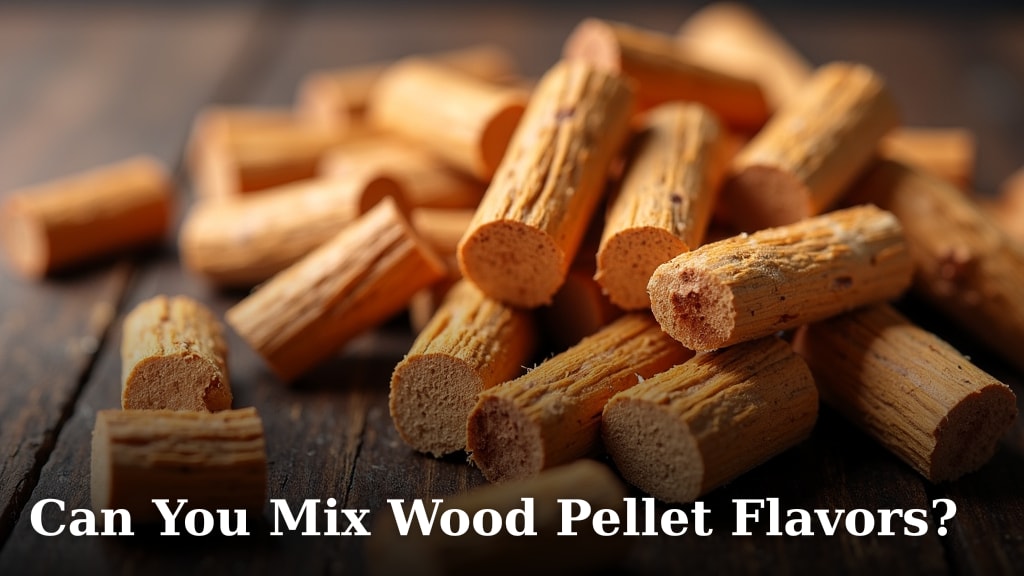
Can I mix different types of wood when smoking cheese?
Yes, you can certainly mix different woods to create a unique flavor profile! For instance, you could combine a fruitwood with a touch of hickory for a balanced smoke that’s both sweet and savory.