What Is the Difference Between Lump Charcoal and Briquettes?
On this page (3 sections)
The main difference between lump charcoal and briquettes is how they are made and their performance. Lump charcoal is pure charred wood, offering a natural burn, while briquettes are compressed wood by-products and additives, designed for a longer, more consistent heat.
Choosing between them really depends on what you’re grilling and your preferences. You might prefer the quick, high heat of lump charcoal for searing, or the steady, long burn of briquettes for slow cooking. Both have their strong points for different cooking styles and experiences, as we found through research.
- Lump charcoal is natural wood.
- Briquettes are engineered with fillers.
- Lump charcoal burns hotter and faster.
- Briquettes burn longer and more consistently.
- Each type suits different grilling needs.
Let’s dive in and explore the unique characteristics of lump charcoal and briquettes, helping you pick the perfect fuel for your next cookout.
Exploring the Differences Between Lump Charcoal and Briquettes
Understanding the key distinctions between lump charcoal and briquettes can really change your grilling game. Each fuel type brings its own set of advantages to your backyard BBQ.
It’s like choosing between a precision sports car and a reliable family sedan. Both get you there, but the journey and performance are quite different. Let’s break down what makes each unique.
What Exactly Is Lump Charcoal?
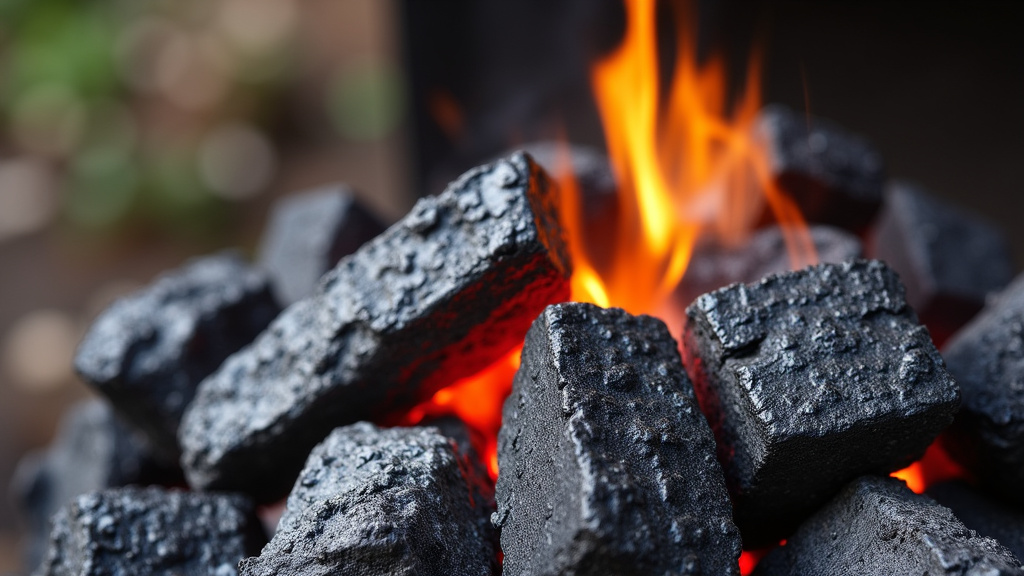
Lump charcoal is essentially wood that has been burned down in a low-oxygen environment until only pure carbon remains. Think of it as wood’s skeleton. It’s the most natural form of charcoal you can get.
When you open a bag of lump charcoal, you’ll see irregularly shaped pieces. Some might be big chunks, others smaller slivers. This is because it directly reflects the original wood pieces it came from.
How Lump Charcoal Is Made
The process for making lump charcoal is quite ancient. Wood is placed into a kiln or a similar chamber. Then, it’s slowly heated with very little oxygen. This process is called pyrolysis.
During pyrolysis, all the water, tars, and other volatile compounds burn off. What’s left is almost pure carbon. This makes it a very clean-burning fuel source.
Pros and Cons of Lump Charcoal
Many grill masters swear by lump charcoal, and for good reason. It offers a unique grilling experience. However, it also has a few drawbacks to consider.
- Pros:
- Lights quickly: You’ll be ready to cook in no time.
- Burns hotter: Great for searing steaks to perfection.
- Natural flavor: Imparts a distinct smoky taste to food.
- Less ash: Easier cleanup after your cookout.
- Responsive to airflow: You can easily control the temperature.
- Cons:
- Inconsistent size: Can make temperature management a bit tricky.
- Burns faster: You might need to add more fuel during longer cooks.
- More expensive: Often costs more per pound than briquettes.
- Can spark: The irregular shapes can sometimes cause sparks or flare-ups.
What Are Briquettes Made Of?
Briquettes are a bit more of a manufactured product. They’re typically made from wood by-products like sawdust and wood scraps. These are then mixed with binders and other additives before being compressed into uniform shapes.
When you see those pillow-shaped pieces in a bag, you’re looking at briquettes. Their consistent shape is one of their defining characteristics.
How Briquettes Are Manufactured
The manufacturing process for briquettes starts with fine wood particles. These particles are mixed with various ingredients. Common additives include starch (for binding), limestone (for a whiter ash), and sometimes borax (for easier ash removal).
This mixture is then pressed into those familiar uniform shapes. They are then dried and packaged. This careful engineering ensures a predictable burn.
Pros and Cons of Briquettes
Briquettes are a popular choice for many grillers, especially those who value consistency. But like lump charcoal, they have their ups and downs.
- Pros:
- Consistent burn: Provides steady heat for longer periods.
- Uniform shape: Makes stacking and temperature control easier.
- Longer burn time: Ideal for low-and-slow cooking methods.
- Generally cheaper: A more budget-friendly option for regular grilling.
- Widely available: Easy to find at most grocery or hardware stores.
- Cons:
- Takes longer to light: Requires more time to get to cooking temperature.
- Lower peak temperature: Might not get as hot as lump charcoal for searing.
- More ash production: Can create a significant amount of ash to clean up.
- Potential chemical smell: Some additives can produce an off-putting odor when first lit.
Key Performance Differences: A Quick Look
The way these two charcoal types perform in your grill is where you’ll notice the biggest contrast. It affects everything from how quickly your food cooks to the final flavor.
Heat Output and Temperature Control
Lump charcoal tends to burn hotter and faster. This makes it perfect for quick, high-heat grilling tasks like searing steaks or quick-cooking vegetables. You can also adjust its temperature more rapidly by controlling airflow.
Briquettes, on the other hand, offer a more consistent and sustained heat. They might not reach the extreme temperatures of lump, but they hold their heat for much longer. This is a huge benefit for smoking or slow-roasting a brisket.
Burn Time and Efficiency
When it comes to how long they last, briquettes are the clear winner. Their dense, uniform structure allows them to burn slowly and evenly. You won’t find yourself refilling the charcoal chimney as often.
Lump charcoal burns down more quickly. Its irregular shapes and less dense structure mean it consumes faster. Keep this in mind for longer cooking sessions; you’ll need more on hand.
Flavor Profile Imparted to Food
Many grillers believe lump charcoal offers a cleaner, more natural smoky flavor. Since it’s just charred wood, it doesn’t introduce any additional tastes. The type of wood used in the lump can also influence the flavor.
Briquettes can sometimes impart a slightly more neutral or even a chemical-like taste, especially when first lighting them. This is due to the binders and fillers. Once they are fully lit and burning white, this usually dissipates.
Comparing Lump Charcoal vs. Briquettes: The Essential Table
Sometimes, seeing it all laid out makes the choice clearer. Here’s a quick comparison of the main points we’ve covered.
| Feature | Lump Charcoal | Briquettes |
|---|---|---|
| Composition | Pure charred wood | Wood by-products, binders, additives |
| Shape | Irregular, varied sizes | Uniform, pillow-shaped |
| Lighting Time | Fast | Slower |
| Heat Output | Hotter, but less consistent | Consistent, moderate heat |
| Burn Time | Shorter | Longer |
| Flavor | Natural, woody smoke | Neutral, can have initial off-smell |
| Ash Production | Low | High |
| Cost | Higher | Lower |
Choosing Your Charcoal: What’s Your Grilling Style?
Your ideal charcoal depends heavily on what you plan to cook and how you like to cook it. There’s no single “best” answer, only what’s best for your specific needs.
When to Use Lump Charcoal
You’ll likely prefer lump charcoal if you’re aiming for a quick, high-temperature cook. Think about those beautiful grill marks on a steak or perfectly seared tuna. It’s also great if you enjoy a more authentic smoky flavor.
Many chefs and BBQ enthusiasts favor lump charcoal for its responsiveness and the pure wood flavor it imparts (AmazingRibs.com). If you value speed and intense heat, lump is your go-to.
When to Opt for Briquettes
Briquettes shine when you need a long, steady, and predictable heat. They are the workhorse for low-and-slow cooking, like smoking a pork shoulder or a whole chicken. Their consistent burn means less fussing with the grill temperature.
If you’re a beginner griller, briquettes offer an easier learning curve due to their uniformity and consistent heat. They’re also a great, economical choice for everyday grilling.
Making Your Decision: A Quick Checklist
Still on the fence? Here’s a quick checklist to help you decide which charcoal is right for your next grilling adventure:
- Do you need fast, high heat for searing?
- Is a natural, pure smoke flavor a top priority?
- Are you okay with monitoring your fuel more frequently?
- Is less ash cleanup important to you?
- Are you cooking for shorter periods?
If you answered “yes” to most of these, lump charcoal is probably your best bet!
- Do you need long, consistent heat for slow cooking?
- Is predictable temperature control important?
- Are you looking for a more budget-friendly option?
- Do you prefer a fuel that burns longer without needing refills?
- Are you grilling for longer durations?
If you nodded along to these, briquettes will serve you well!
Conclusion
Ultimately, your choice between lump charcoal and briquettes boils down to your specific grilling needs and preferences. Lump charcoal offers quick, high heat and a pure smoky flavor, perfect for searing. Briquettes provide consistent, long-lasting heat, making them ideal for low-and-slow cooking. We explored the unique characteristics of each, helping you understand their pros and cons. Consider what you’re cooking and your desired outcome. Don’t be afraid to experiment to find your personal favorite fuel for your next barbecue!
Frequently Asked Questions
Can I mix lump charcoal and briquettes in my grill?
Yes, you can absolutely mix them! Some grillers find this offers a good balance. You might get the quick ignition and high heat of lump charcoal, combined with the longer, steadier burn of briquettes. Just be aware of the different burning characteristics.
Which type of charcoal is better for beginners?
Briquettes are generally recommended for beginners. Their uniform shape and consistent, predictable burn make temperature control much easier. You’ll have less to manage, allowing you to focus more on your cooking technique.
Does the type of wood in lump charcoal make a difference?
Yes, it certainly can! Different woods impart different flavors. For example, hickory provides a strong, smoky taste, while oak is more subtle. This is one of the joys of cooking with lump charcoal, as it lets you customize your smoky flavor.
How can I make my briquettes burn hotter if needed?
To increase the heat from your briquettes, you need to increase airflow. Open your grill vents fully and ensure the charcoal isn’t too densely packed. Using a charcoal chimney starter can also help them get hotter faster before transferring to the grill.
Is there an environmental difference between lump charcoal and briquettes?
Lump charcoal is often seen as more environmentally friendly because it’s pure carbonized wood. Briquettes, while often made from wood by-products, contain binders and fillers. Some briquette brands do focus on sustainable sourcing and natural binders.