Why Is My Smoker Producing Bitter Smoke?
On this page (5 sections)
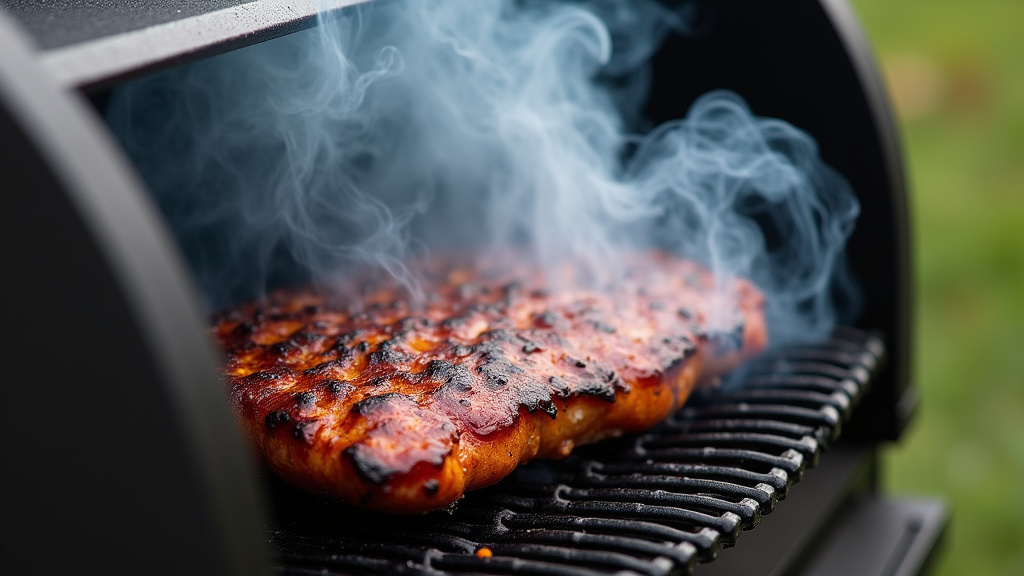
Your smoker is producing bitter smoke because of incomplete combustion or creosote buildup. This often happens when your wood isn’t burning cleanly. You want a thin, blue smoke for the best flavor, not thick, white, or gray smoke.
Bitter smoke can ruin your delicious BBQ and give your food a harsh taste. We found that poor airflow, wrong wood type, or even damp wood are common culprits. Don’t worry, these issues are usually easy to fix once you know what to look for.
- Bitter smoke signals incomplete combustion.
- Thick, white smoke is bad; thin blue smoke is good.
- Creosote buildup can cause bitterness.
- Poor airflow is a major factor.
- Using the wrong or damp wood can be the issue.
Let’s dive into why your smoker might be giving you that unpleasant bitter taste and how you can get back to perfect, flavorful smoke.
Understanding Bitter Smoke in Your Smoker
Bitter smoke comes from your wood not burning cleanly. Think of it like a campfire that’s struggling to get going. Instead of a nice flame, you get a lot of acrid, eye-watering smoke. This is often due to something called incomplete combustion.
When wood doesn’t burn completely, it releases chemicals that taste bad. These chemicals cling to your food. You want clean combustion for the best flavor. That means a thin, blue wisp of smoke, not a thick, white cloud.
The Science of Incomplete Combustion
Incomplete combustion means your wood isn’t getting enough oxygen. Or, it’s not hot enough to burn fully. When this happens, instead of producing mostly carbon dioxide and water, your wood creates other compounds. These compounds are what make your food taste bitter.
We found that creosote is a major culprit in bitter smoke. Creosote is a tar-like substance. It forms when wood smoke cools too quickly. It coats your smoker’s walls and can also settle on your food, delivering that harsh taste.
What is Creosote?
Creosote is a dark, oily, and highly flammable residue. It’s a natural byproduct of burning wood. When wood smoke hits a colder surface, like the inside of your smoker, creosote condenses. This leaves a sticky film. It tastes terrible and is a sign of a problem with your fire.
Many experts explain that creosote buildup is also a fire hazard (National Fire Protection Association). But for us pitmasters, it’s mainly a flavor killer. You want to avoid it at all costs for delicious BBQ.
Common Causes of Bitter Smoke
Now that you know what bitter smoke is, let’s explore why it’s happening. Many factors can contribute to incomplete combustion and creosote formation. Don’t worry, most of these are simple fixes. We’ve seen these issues come up time and again for new and experienced smokers alike.
Poor Airflow
Imagine trying to breathe with a pillow over your face. That’s how your fire feels with poor airflow. It suffocates. A fire needs oxygen to burn hot and clean. Without enough air, your wood smolders instead of burns, leading to bad smoke.
Many smokers have adjustable vents for airflow. Are yours open enough? Sometimes even a small blockage can make a big difference. We found that proper airflow is essential for good smoke.
Checking Your Vents and Chimney
First, make sure your intake and exhaust vents are clear. Remove any ash or debris. Check your chimney or smoke stack too. Is it free from blockages? A build-up of creosote or even a spider’s nest can restrict smoke from escaping properly. This can force smoke back down, causing it to become stagnant and bitter.
Try running your smoker empty for a bit with vents fully open. Observe the smoke. Does it clear up? If so, you’ve likely found your problem.
Using the Wrong or Damp Wood
The type and condition of your wood play a huge role. Not all wood is created equal for smoking. And wet wood is almost guaranteed to give you problems. Many people make this mistake, thinking any wood will do.
We found that seasoned wood is key. “Seasoned” means the wood has been dried out for a long time. It has very little moisture left. Green wood, fresh from a tree, has too much water.
The Problem with Green Wood
Green wood spends too much energy drying out before it can burn cleanly. This process creates a lot of steam and a lot of thick, white smoke. This smoke carries those bitter compounds directly to your food. It also cools down your fire, making it struggle even more. Always use well-seasoned wood for the best results.
You can tell if wood is seasoned by its appearance. It will often have cracks on the ends. It should also sound hollow when you tap two pieces together. It will feel much lighter than green wood of the same size. We’ve seen folks try to use unseasoned wood and end up with a very disappointing meal.
Choosing the Right Wood Type
Some woods are naturally stronger in flavor. Hickory and mesquite, for instance, are robust. They can become overpowering if used in excess. Oak and cherry are milder. Fruitwoods like apple and pecan offer a sweet, subtle flavor. We found that matching the wood to your food helps prevent bitterness.
| Wood Type | Flavor Profile | Best For |
|---|---|---|
| Apple | Sweet, mild, fruity | Pork, poultry, fish |
| Cherry | Mild, slightly sweet, fruity | Pork, beef, chicken |
| Oak | Medium, classic BBQ flavor | Beef, pork, lamb |
| Hickory | Strong, smoky, bacon-like | Beef, pork, ribs |
| Mesquite | Very strong, earthy, bold | Beef (brisket), wild game |
If you’re new to smoking, start with milder woods like apple or cherry. Avoid using construction lumber or chemically treated wood. These are toxic and will make your food taste awful (U.S. EPA). Only use wood specifically sold for smoking or cooking.
Improper Fire Management
Building and maintaining a good fire is an art. A fire that’s too big, too small, or poorly tended can cause bitter smoke. It’s all about finding that sweet spot. Many pitmasters spend years perfecting this skill.
Too Much Wood, Too Soon
Piling too much wood into your smoker at once can smother the fire. This lowers the temperature. It also reduces airflow around each piece of wood. The result? A lot of smoldering and thick, white smoke. Add smaller pieces of wood more frequently, rather than large amounts all at once. This helps maintain a consistent temperature and clean burn.
Fluctuating Temperatures
Your smoker needs a consistent temperature. Wild swings can cause problems. When the temperature drops, the wood doesn’t burn as efficiently. This leads to more incomplete combustion and creosote. We found that maintaining stable temps is crucial. Use a reliable thermometer to monitor your smoker’s internal temperature, not just the one on the lid.
Preventing Bitter Smoke: Your Checklist
Tired of that nasty bitter taste? Here’s a quick checklist to help you get back to delicious, clean smoke:
- Use only well-seasoned wood for your smoker.
- Ensure all your smoker’s vents and chimney are clear for proper airflow.
- Start with a small, hot fire and add wood gradually.
- Maintain a consistent smoking temperature.
- Clean your smoker regularly to remove creosote buildup.
- Avoid overcrowding your smoker, which can reduce airflow around the food and fire.
By following these simple steps, you can significantly reduce the chances of bitter smoke. You’ll be on your way to producing that beautiful, thin blue smoke that every pitmaster dreams of. Remember, good BBQ is all about patience and attention to detail. Don’t be afraid to experiment and learn from your cooks!
Conclusion
Dealing with bitter smoke can be frustrating. We’ve shown you that it often boils down to incomplete combustion, usually from issues like poor airflow, damp wood, or improper fire management. Getting that thin, blue smoke is the goal for delicious BBQ. It means your wood is burning cleanly and efficiently.
By understanding the “why” behind the bitterness, you can easily troubleshoot and fix common problems. Remember to always use seasoned wood, ensure proper ventilation, and manage your fire consistently. Take these steps, and you’ll be well on your way to perfectly smoked meats every time. Happy smoking!
Frequently Asked Questions
How can I tell if my smoke is bitter without tasting the food?
Bitter smoke often looks thick and white or gray. It also has a harsh, acrid smell that can make your eyes water. Good smoke is thin, almost invisible, with a sweet, woody aroma.
Will soaking wood chips help prevent bitter smoke?
No, soaking wood chips actually makes it worse. Soaked chips steam and smolder, creating that thick, white, bitter smoke. Always use dry wood for the cleanest burn and best flavor.
Does the type of smoker affect bitter smoke production?
Any smoker can produce bitter smoke if not managed correctly. However, cheaper or less efficient smokers might struggle more with airflow and temperature control. This can make them more prone to incomplete combustion.
How often should I clean my smoker to avoid creosote?
It’s best to scrape out creosote buildup after every few cooks, especially if you notice a thick, black, tarry residue. A thorough cleaning a few times a year is also a good idea. This keeps your smoker running efficiently.
Can weather conditions cause bitter smoke?
Yes, weather can play a role. High humidity can make wood burn less cleanly. Very cold temperatures can also make it harder to maintain a consistent fire and lead to more creosote. Adjust your airflow and fire management accordingly on challenging weather days.