How to Keep a Pellet Smoker Running in Cold Weather?
On this page (3 sections)
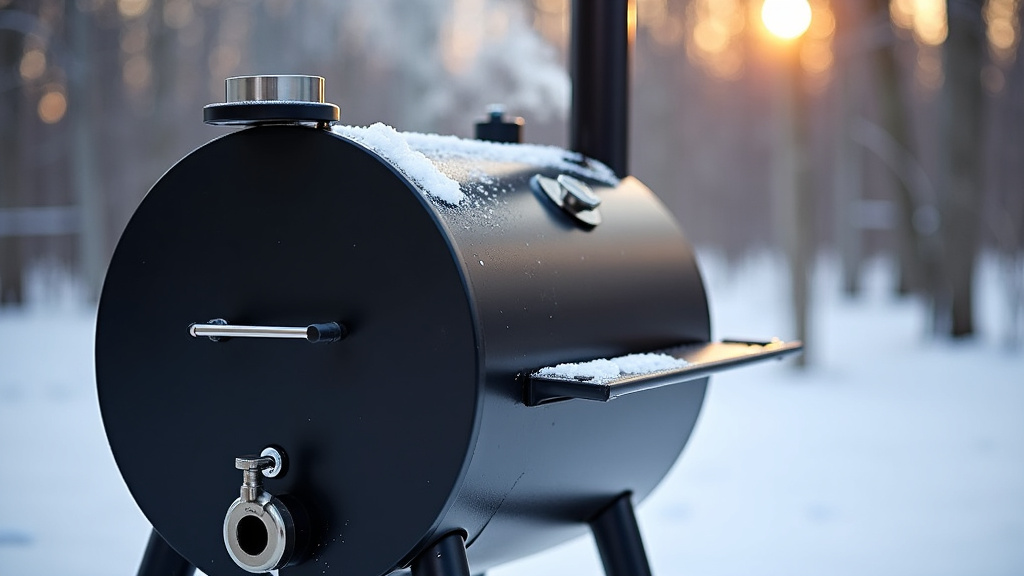
To keep a pellet smoker running well in cold weather, you need to insulate it properly and make sure you are using quality wood pellets. Cold temperatures make your smoker work harder, burning more fuel. We found that a few simple steps will help you enjoy smoked foods all year.
When the mercury drops, your smoker’s efficiency can take a hit. You might notice longer cook times and a higher pellet consumption. But don’t worry, you can still achieve that perfect smoky flavor even when it’s freezing outside. We’ll show you how to beat the cold and keep your smoker happy.
- Insulate your smoker for better heat retention.
- Choose high-quality pellets for efficient burning.
- Protect your smoker from wind and moisture.
- Monitor internal temperatures closely.
- Plan for longer cooking times.
Let’s walk through exactly how to keep your pellet smoker performing its best, no matter how cold it gets.
Optimizing Your Pellet Smoker for Cold Weather Performance
You can keep your pellet smoker performing well even when temperatures drop. It just takes a few adjustments and some preparation.
Insulation is Your Smoker’s Winter Coat
Think of your smoker like your house. You wouldn’t want to live in an uninsulated home in the winter, right? Your smoker feels the same way.
Using a Thermal Blanket or Welding Blanket
A thermal blanket is probably the easiest way to insulate your smoker. These blankets are designed to trap heat inside. Many smoker manufacturers sell custom-fit thermal blankets for their models.
If a custom blanket isn’t available, a simple welding blanket works wonders. We found that these heavy-duty blankets can withstand high temperatures and provide excellent insulation. Just drape it over your smoker, avoiding any vents or the hopper lid.
Make sure the blanket doesn’t block the exhaust vent. Proper airflow is still crucial for good smoke and temperature control.
DIY Insulation Tricks
No special blanket? No problem! You can improvise. Some people use a piece of cardboard or plywood on the back and sides, but keep it away from direct heat sources.
Another trick is to create an air gap. Place your smoker inside a larger, non-combustible box, leaving a few inches of space around it. This air pocket acts as an insulator.
Remember, safety first. Always ensure your DIY insulation methods don’t pose a fire risk. Keep materials away from hot surfaces.
Fueling Up: Pellets Matter More in the Cold
The type and quality of your wood pellets become even more important when it’s chilly outside. Your smoker will be working harder, so give it the best fuel.
Choosing High-Quality Pellets
Premium pellets burn more efficiently and produce more heat. They have less moisture content and fewer fillers. This means you’ll get a more consistent burn and better temperature regulation.
Cheap pellets often contain more sawdust and binders. We found these can create more ash and lead to temperature swings, which is the last thing you want on a cold day.
Look for pellets made from 100% hardwood with no artificial flavors or binders. Your taste buds and your smoker will thank you.
Storing Pellets Properly
Moisture is the enemy of good pellets, especially in cold weather. Damp pellets burn poorly and can even jam your auger.
Store your pellets in a sealed, airtight container. Plastic bins with secure lids work perfectly. Keep them in a dry place, away from humidity and temperature fluctuations.
Bringing your pellets inside a few hours before you start smoking can also help. This allows them to warm up and ensures they’re as dry as possible.
Location, Location, Location: Protect Your Smoker
Where you place your smoker can make a big difference in cold weather performance. Wind and direct cold can steal heat quickly.
Shelter from the Wind
Wind chill can drastically impact your smoker’s ability to maintain temperature. Even with insulation, a strong breeze will cause the internal temperature to drop.
Position your smoker in a sheltered spot. A corner of your yard, next to a wall, or under a covered patio can block the wind. Even a temporary windbreak made of plywood can help immensely.
Avoid open, exposed areas. We found that wind is one of the biggest culprits for inconsistent temperatures in cold-weather smoking.
Keep it Dry
Moisture can also affect performance. Rain, snow, or even heavy dew can seep into components or dampen pellets if your hopper isn’t sealed properly.
Use a smoker cover when not in use. During operation, a covered patio or a pop-up canopy can keep precipitation away. We found keeping the smoker dry extends its lifespan and ensures consistent operation.
Monitoring and Maintenance for Cold Climates
Cold weather demands a bit more attention to detail. Close monitoring and simple maintenance steps will keep your cook on track.
External vs. Internal Thermometers
Don’t just rely on your smoker’s built-in thermometer. In cold weather, these can sometimes be less accurate or slower to react.
Invest in a good quality external thermometer with probes for both the smoker’s ambient temperature and the meat’s internal temperature. We found that wireless models are incredibly convenient, letting you monitor from indoors.
Place the ambient probe away from direct contact with the grates, ideally clipped to the grate itself, not touching the meat. This gives you a more accurate reading of the cooking environment.
Expect Longer Cook Times
This is a big one. Cold air requires your smoker to burn more pellets to maintain the set temperature. This also means your food will take longer to cook.
Plan for extra time, often 20-50% longer than usual. Don’t rush the process by cranking up the heat too high; this can lead to uneven cooking or a burnt exterior.
Start your cooks earlier than you normally would. Use your meat probe to guide your cook, not the clock. Patience is truly a virtue in cold-weather smoking.
Here’s a quick checklist to help you stay organized for your next cold-weather smoke:
- Inspect and clean your smoker thoroughly before use.
- Ensure you have a full hopper of high-quality, dry pellets.
- Set up your thermal or welding blanket.
- Position your smoker to block wind and precipitation.
- Calibrate your external thermometer for accuracy.
- Have extra pellets on hand – you’ll use more!
- Mentally prepare for a longer, more relaxed cooking session.
Why Your Smoker Works Harder When It’s Cold
Understanding why cold weather impacts your smoker helps you appreciate these tips. It’s all about heat transfer and thermal dynamics.
Convective and Conductive Heat Loss
Your smoker loses heat through convection (air movement) and conduction (direct contact with cold surfaces). In cold weather, the temperature difference between inside and outside is much greater.
This larger difference means heat escapes faster. Your smoker’s controller senses this drop and feeds more pellets to the fire pot to compensate. This constant effort uses up more fuel and creates a less stable environment. Understanding how to maintain smoker temperature is key to consistent results, especially when external conditions are challenging.
Think of it like trying to heat a tent in the snow versus a tent in mild weather. The snow sucks the heat away much quicker. Insulation helps slow this heat loss down.
Moisture in the Air
Cold air can often hold more moisture, or it might just be more humid. This moisture can get into your smoker and affect the burn efficiency of your pellets.
Damp air can also make it feel colder, requiring more energy to heat up the cooking chamber. Keeping your smoker covered helps to mitigate this.
The goal is always to create the most stable and efficient cooking environment possible, even when Mother Nature is working against you.
Conclusion
Don’t let dropping temperatures put an end to your smoking season. By giving your pellet smoker a little extra care and attention, you can keep enjoying delicious, smoky flavors all year long. Remember, insulation, quality pellets, and strategic placement are your best friends in the cold. You’ll use more fuel and cook times will be longer, but the reward of perfectly smoked food is worth it. So, grab your thermal blanket, stock up on premium pellets, and confidently fire up your smoker, even when winter bites!
Frequently Asked Questions
Can I use my pellet smoker in sub-zero temperatures?
Yes, you can. With proper insulation like a thermal blanket and high-quality pellets, your smoker can maintain temperatures even when it’s well below freezing. Just expect longer cook times and higher pellet consumption.
Will cold weather damage my pellet smoker?
Not if you take precautions. Keeping it covered and dry protects components from moisture and extreme cold. The smoker is designed to operate in various conditions, but protecting it will extend its lifespan.
How much more charcoal will I use in cold weather?
You can expect to use anywhere from 20% to 50% more pellets in cold weather. The exact amount depends on the outside temperature, wind, and how well your smoker is insulated. Always have extra on hand.
Should I preheat my smoker longer in cold weather?
Absolutely. Allow your smoker extra time to come up to temperature and stabilize before putting your food in. This ensures a consistent cooking environment from the start, which is even more important when it’s cold.
Is it okay to open the lid less frequently when it’s cold?
Yes, minimizing lid openings is crucial in cold weather. Each time you open the lid, you lose a significant amount of heat, forcing your smoker to work harder to recover. Use an external probe to check meat temperature instead.