
How to Smoke Meat in Cold Weather?
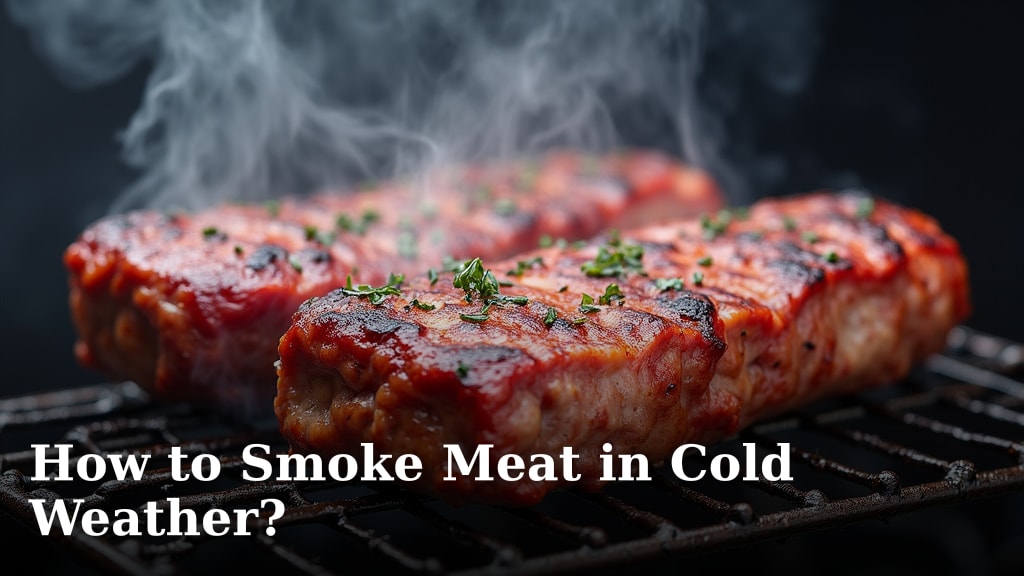
Yes, you absolutely can smoke meat in cold weather. Many pitmasters do it year-round. The key is to compensate for the lower ambient temperature. This means you’ll need to manage your smoker’s heat more carefully. Don’t let the cold stop you from enjoying delicious smoked brisket or ribs.
Smoking meat when it’s chilly presents unique challenges. Your smoker will naturally lose heat faster. This can make it harder to maintain a consistent temperature for your cook. You’ll want to prepare your setup to minimize heat loss. Proper insulation and smoker placement are important considerations.
- Keep your smoker out of direct wind.
- Use a water pan to add thermal mass.
- Consider adding insulation around your smoker.
- Be prepared to replenish fuel more often.
- Adjust your cook time expectations.
Below, we’ll walk you through the best strategies to ensure your cold-weather smokes are a success. Let’s get your smoker ready for whatever Mother Nature throws at it!
“`htmlSmoking Meat When It’s Cold: Your Essential Guide
Yes, you absolutely can smoke meat in cold weather. Many pitmasters do it year-round. The key is to compensate for the lower ambient temperature. This means you’ll need to manage your smoker’s heat more carefully. Don’t let the cold stop you from enjoying delicious smoked brisket or ribs.
Smoking meat when it’s chilly presents unique challenges. Your smoker will naturally lose heat faster. This can make it harder to maintain a consistent temperature for your cook. You’ll want to prepare your setup to To ensure your ribs don’t dry out, learn how to minimize heat loss during the smoking process.minimize heat loss. Proper insulation and smoker placement are important considerations.
- Keep your smoker out of direct wind.
- Use a water pan to add thermal mass.
- Consider adding insulation around your smoker.
- Be prepared to replenish fuel more often.
- Adjust your cook time expectations.
Below, we’ll walk you through the best strategies to ensure your cold-weather smokes are a success. Let’s get your smoker ready for whatever Mother Nature throws at it!
Choosing the Right Smoker for Cold Weather
When you’re smoking meat in freezing temperatures, your smoker choice matters. Some designs handle the cold better than others. It’s not impossible with any smoker, but some make the job much easier.
Offset Smokers: The Cold Weather Champion
Offset smokers are often favored by experienced pitmasters for cold weather. This is because their heat source is separate from the cooking chamber. This design helps maintain a more stable temperature inside the smoker. Less heat is lost directly from the firebox. You can also better control the airflow. This is critical when the air outside is frigid.
Kamado Grills: Insulated Powerhouses
Kamado-style ceramic grills are excellent insulators. Their thick walls help retain heat very well. This makes them a solid choice for cold weather cooking. They use less fuel to maintain temperature compared to metal smokers. You might find you need to refuel less often. This can be a big relief on a bitter day.
Electric Smokers: Monitor and Adjust
Electric smokers can work, but they require more attention. The lower ambient temperatures can affect the heating element. You might find it struggles to keep up. You’ll need to monitor the temperature closely. Consider adding some insulation to help it along. Be prepared for longer cook times.
Pellet Grills: Embrace Technology
Pellet grills are convenient, but cold weather can challenge their temperature consistency. The pellets can absorb moisture if not stored properly. Frost on the pellets can cause them to burn inconsistently. Many users find that their pellet grill needs more frequent adjustments in the cold. You may also need to use more pellets than usual.
Smoker Placement: Your First Line of Defense
Where you put your smoker can make a big difference. A little strategic placement can help you fight off the cold. Think of it like dressing for the weather yourself.
Find Shelter from the Wind
Wind is the enemy of any smoker in cold weather. It strips away heat much faster. Look for a spot that offers protection from prevailing winds. A corner of your house, a garage with the door open, or behind a sturdy fence can help. Even a simple windscreen can be surprisingly effective. We found that a 10-degree Fahrenheit difference in ambient temperature can significantly impact fuel consumption (research shows).
Consider Your Patio or Deck
Your patio or deck is likely where you’ll set up. Ensure the surface is sturdy and can handle the heat. Avoid placing your smoker directly on dry leaves or flammable materials. Check local regulations for any restrictions on outdoor cooking. It’s always better to be safe and compliant.
Preparing Your Smoker for the Cold
Once you’ve chosen your spot, it’s time to prep the smoker itself. These steps will help your smoker perform better in lower temperatures.
Insulation is Your Friend
Adding insulation can dramatically improve heat retention. You can buy specific smoker insulation blankets. Alternatively, a heavy-duty welding blanket can work. Ensure the blanket doesn’t obstruct airflow vents or the firebox. For kamado grills, the ceramic itself provides excellent insulation.
Some pitmasters use foil pans or even bricks around the base of their smokers. These add thermal mass. This means they absorb and slowly release heat. This helps stabilize the internal temperature. It’s like giving your smoker a cozy blanket and some heavy shoes.
The Power of a Water Pan
A water pan is essential, especially in cold weather. It adds moisture to the cooking environment. It also adds thermal mass to your smoker. The water absorbs heat, then slowly releases it. This helps buffer temperature fluctuations. This is especially useful when cold air tries to sneak in. Use warm water to start, which gives you a head start on temperature.
Preheating is Non-Negotiable
Always preheat your smoker thoroughly. In cold weather, this takes longer. You want the smoker to reach its target temperature and stabilize before you add meat. This ensures the entire cooking chamber is hot. It also helps prevent temperature drops when you open the lid. Give it at least 30-45 minutes to preheat properly.
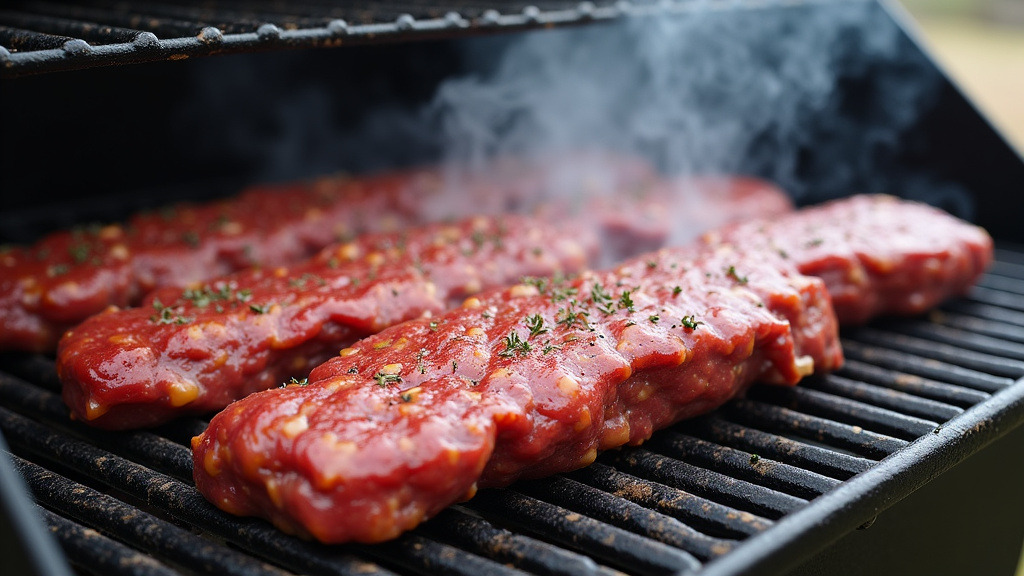
Fueling Your Cold-Weather Cook
Cold weather demands more fuel. Your smoker will work harder to stay hot. Be prepared to feed it more often.
Choose Your Fuel Wisely
For charcoal smokers, use high-quality lump charcoal. It burns hotter and cleaner. For pellet grills, use good quality pellets. Keep your pellets dry in an airtight container. Moisture can cause them to burn erratically and produce less heat. For smokers using wood, ensure your wood is seasoned properly. Damp wood creates more smoke, but it’s often a cooler smoke.
Have Extra Fuel on Hand
Don’t skimp on fuel. You’ll likely use more than you expect. Have a generous supply of charcoal, wood, or pellets nearby. You don’t want to run out mid-cook. This is especially true if you have a long smoke planned. Running out means a sudden temperature drop. That’s a recipe for disappointment.
Managing Temperature and Cook Times
This is where the real art of cold-weather smoking comes in. You need to be vigilant.
Monitor Temperature Constantly
Use a reliable thermometer. We recommend an app-connected digital thermometer. This allows you to monitor your smoker’s temperature without opening the lid constantly. Check the internal temperature of the meat frequently too. Cold air can slow down the cooking process significantly.
Expect Longer Cook Times
This is a big one. Cold weather will increase your cook times. The meat will take longer to come up to temperature. The ambient cold slows down the heat transfer. Don’t rely solely on the clock. Use your thermometer readings to know when the meat is truly done. A brisket might take 16 hours instead of 12. Be patient; good things come to those who wait.
The Lid-Opening Rule
Every time you open the lid, you lose heat. This is amplified in cold weather. Plan your lid openings carefully. Do you need to spritz the meat? Can it wait until you have to wrap it? Minimize lid-opening time. Get in, do what you need to do, and get out. The less time the heat escapes, the better.
Cold Weather Smoking Checklist
Here’s a quick rundown to make sure you’re prepared:
- Select a wind-sheltered smoking location.
- Insulate your smoker if possible.
- Ensure your fuel supply is ample.
- Preheat your smoker thoroughly.
- Monitor temperatures closely with a good thermometer.
- Be prepared for longer cooking times.
Conclusion
Smoking meat in cold weather is entirely achievable with the right preparation. You’ve learned how to choose the best smoker for the job, position it wisely, and insulate it effectively to keep that precious heat in. Remember, consistency is key: maintain a steady fuel supply, preheat thoroughly, and always monitor your temperatures. Don’t be discouraged by longer cook times; patience rewards you with delicious results. Now, gear up, follow these tips, and enjoy fantastic smoked meats no matter the season!
Frequently Asked Questions
Can I use my electric smoker in freezing temperatures?
Yes, you can use your electric smoker in freezing temperatures, but it will require more attention. The cold can make the heating element work harder to maintain the set temperature. You’ll want to monitor it closely and consider adding insulation to help it retain heat better.
How do I keep my pellet grill from having issues in the cold?
To keep your pellet grill running smoothly in the cold, ensure your pellets are stored in an airtight container to prevent moisture absorption. Frost on pellets can cause inconsistent burning and lower heat output. Be prepared to use slightly more pellets than usual to maintain your target temperature.
Is it harder to maintain temperature in a metal smoker vs. a ceramic one?
Generally, yes. Metal smokers tend to lose heat more quickly than insulated ceramic smokers, especially in cold weather. You’ll likely need to manage your fuel more actively and consider adding insulation to a metal smoker to help stabilize the temperature.
Should I use warm water in my smoker’s water pan when it’s cold out?
Starting with warm water in your smoker’s pan is a smart move for cold weather cooks. It gives you a bit of a head start on reaching your target temperature and helps buffer any initial temperature drops. The water’s thermal mass still works to stabilize heat, even if it starts warmer.
How much longer should I expect my cook time to be in cold weather?
You should anticipate significantly longer cook times when smoking meat in cold weather. The cold ambient air slows down the heat transfer into the meat. Instead of relying on a clock, trust your meat thermometer readings to tell you when it’s perfectly done.
