How to Use a Cold Smoke Generator
To use a cold smoke generator, place it outside or at the edge of the chamber, fill it with the right pellets or wood, light it, and let it produce light smoke without raising heat. Keep airflow steady, watch the food temperature, and stop when the surface color and flavor look right.
On this page (9 sections)
- What is a cold smoke generator and how does it work?
- Which generator style fits your setup?
- How do you set up a cold smoke generator step by step?
- What food works well with cold smoke?
- How long should you cold smoke food?
- How do you keep food safe during cold smoking?
- How do you control smoke flavor without bitter smoke?
- How do you clean and store a cold smoke generator?
- What mistakes should you avoid with a cold smoke generator?
To use a cold smoke generator, set it up so it makes steady light smoke, keep the chamber cool, and let the food take on flavor over time. It works as a separate accessory, so you can add smoke to a grill, a smoker, or a simple box without firing the main cooker.
Start with the basics from What Is Cold Smoking? if you are new to the method. Cold smoking adds flavor and light color at low temperatures.
Pick a calm day when you can check the setup often. Wind can push smoke out, and strong sun can warm a small chamber.
What is a cold smoke generator and how does it work?
A cold smoke generator is a small device that smolders pellets, chips, or wood to make cool smoke. You place it in or near the cooking chamber, light the fuel, and let smoke drift over the food.
Most types use a perforated tube, a hopper, or a small box with a heating element. The fuel smolders at one end and slowly burns through the rest.
That slow burn gives you hours of smoke with very little heat.
The key limit is heat. Some smoke is fine.
A hot spot near the food is not. Keep space between the generator and the food when your setup allows it.
A generator does not replace a thermometer. You still need to check the chamber temperature and the food temperature.
Which generator style fits your setup?
Choose the style that matches your chamber size, fuel supply, and how long you plan to smoke. A larger chamber needs more smoke volume than a small box.
Tube styles are simple and suit many grills and smokers. They hold pellets and smolder from one end.
Our guide on how to use a cold smoke tube explains the lighter touch that style needs.
Hopper styles hold more fuel and can run longer without refills. They suit longer sessions with cheese, nuts, or cured items.
Check the maker instructions for the exact pellets or wood the hopper takes.
Electric or pellet hopper units with a fan can give more control. They still need a safe power source and a stable spot outside the food area.
If you have no smoker at all, see Can You Smoke Meat without a Smoker? for other ways to add smoke in a grill or box.
How do you choose between a tube and a hopper?
Pick a tube if you want a low cost, portable option for shorter sessions. It is easy to store and move between a grill and a smoker.
Pick a hopper if you want longer smoke time with fewer refills. That helps when you plan a full afternoon of light smoke.
Do not pick based on fuel claims alone. Check size, fuel type, and whether the unit fits your chamber without touching the food or the walls.
How do you set up a cold smoke generator step by step?
Set up the generator away from the food, on a stable surface, with fuel loaded and the chamber ready before you light it. Good prep prevents a rushed start.
Put the generator on a grate, in a corner, or in a separate smoke box. Keep it level so pellets feed evenly.
Make sure pellets or wood cannot spill onto the food.
Close the lid or door most of the way, but leave a small gap for air if your setup needs it. Smoke needs a path through the chamber.
A sealed box with no air flow can snuff the smolder.
Place a thermometer near the food, not next to the generator. That reading tells you what the food is dealing with.
Load the food on clean grates with space around each piece. Smoke should reach all sides.
Crowded food can end up pale in the middle and dark at the edges.
How do you light and check the smoke?
Light the fuel at the end or in the spot the maker directs, then wait for clean, light smoke before you close the chamber. Thick white smoke can taste harsh.
Give the generator a few minutes to catch. Check that smoke is rising in a thin, steady stream.
If it dies out, relight it before you add the food.
Open the lid for a short check after the first 15 to 30 minutes. Look for light tan color, not a black coat.
Adjust the gap or vent if smoke looks too thick or too thin.
What food works well with cold smoke?
Cold smoke suits cheese, nuts, cured meats, fish, and some vegetables that hold up well at low temperatures. It adds flavor without cooking the food through.
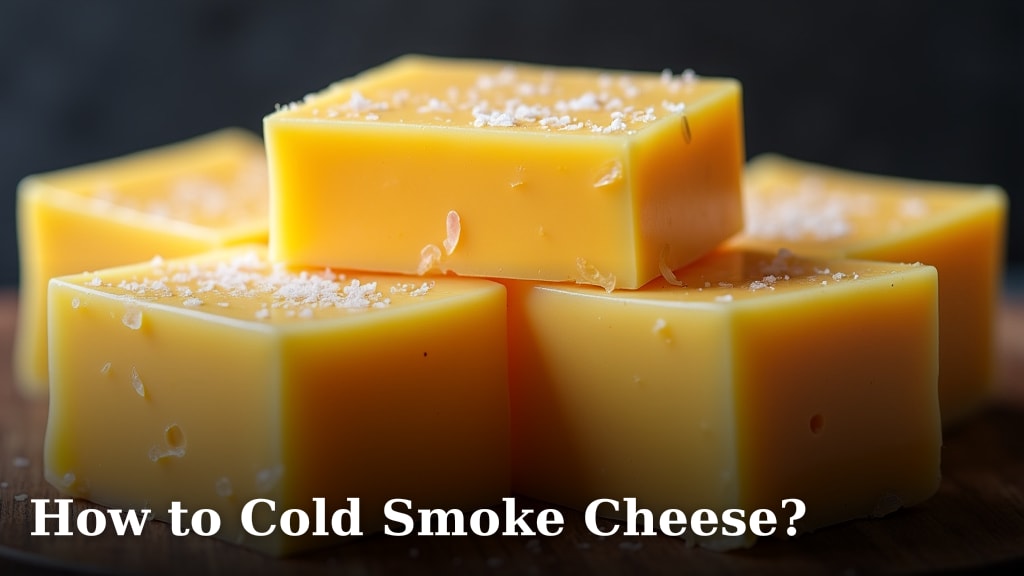
Cheese is a classic choice because it takes on smoke fast. Our guide to How to Cold Smoke Cheese? covers rest times and wraps that help the flavor settle.
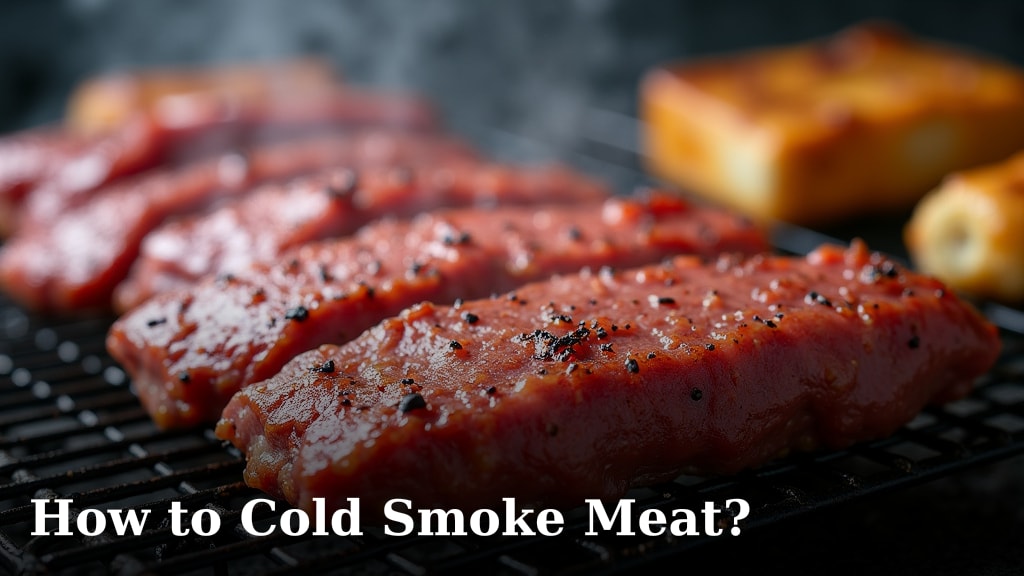
Cured or prepped meats also suit cold smoke. See How to Cold Smoke Meat? for the safety rules that go with any meat you smoke this way.
Cold smoking is not a shortcut for raw meat safety.
Vegetables like peppers, onions, and mushrooms can take light smoke well. They cook fast, so check them often.
Nuts and seeds are also forgiving, but they can turn bitter if you leave them too long.
Fresh tender cuts, ground meat, and poultry are poor fits for long cold sessions. They need proper cooking to a safe temperature.
How long should you cold smoke food?
Plan for light smoke and frequent checks instead of one long, fixed time. Thin pieces and cheese need less time than thick, dense foods.
Start with a short session, then taste or look at the food before you add more time. You can always smoke more later.
You cannot take smoke back out once the food tastes sharp or bitter.
Keep notes on fuel, time, and weather. That helps you repeat a good result.
Cold weather can change how a generator runs. See How to Smoke Meat in Cold Weather? if your pellets smolder slowly in winter.
A sheltered spot and a windbreak can make a big difference.
How do you keep food safe during cold smoking?
Keep perishable food within safe temperature limits and follow the prep rules for that food. Cold smoke does not make raw meat safe.
Use a thermometer, not guesswork. Keep raw meat cold until it goes in, and limit the time it spends in the danger zone.
When in doubt, chill the food and try a shorter session another day.
Clean grates, tools, and trays before you start. Raw meat, cheese, and ready to eat foods should not share dirty surfaces.
Wash your hands after you handle raw items.
If you plan to cook the food after cold smoking, that is fine. Many people cold smoke first, then finish in an oven or on a grill.
Make sure the final cook reaches the right temperature for that food.
How do you control smoke flavor without bitter smoke?
Use dry fuel, steady airflow, and a light hand with time. Most bitter flavor comes from thick smoke, wet fuel, or too much time.
Let the generator catch fully before you close the lid. Thick smoke at the start can coat the food with a harsh taste.
Wait for a thin blue or light gray stream.
Choose a mild wood for delicate foods. Hickory and mesquite can overpower cheese and fish.
Fruit woods and oak are often easier to use for a first session.
Rotate the food halfway through a longer session. That gives each side even exposure.
How do you clean and store a cold smoke generator?
Clean the generator after it cools fully, and store it dry with fuel kept sealed. Ash and pellet dust can clog holes and change how the next session runs.
Tap out ash into a metal container. Brush off the outside and check holes for blockage.
Do not soak metal parts unless the maker says it is safe.
Store pellets or wood in a dry, sealed container. Damp fuel smolders poorly and makes more smoke than flavor.
Check cords, rings, and moving parts before each use. A bent tube or loose hopper can change airflow.
Replace parts that look warped or rusted.
A useful book to keep nearby is Meathead: The Science of Great Barbecue and Grilling. It is a 400 page illustrated guide that explains food, fire, heat, and smoke in plain terms.
It covers concepts, methods, equipment, and accessories, plus more than 100 tested recipes. The print edition runs 8.2 x 1.3 x 10.1 inches and weighs 2.86 pounds.
What mistakes should you avoid with a cold smoke generator?
Avoid thick smoke, high heat, and long sessions with perishable food that is not cured or prepped for cold smoking. Those three mistakes cause most bad results.
Do not load wet pellets or damp wood chips and expect clean smoke. Wet fuel makes more white smoke and less flavor.
Dry your fuel and store it sealed.
Do not place cheese or fish directly over the generator. Heat and direct smoke can melt, dry, or blacken the surface.
Keep a gap and use airflow to spread smoke.
Do not trust color alone for meat safety. Use a thermometer and follow the food specific guide.
Cold smoke is a flavor step, not a cooking step for most meats.
For a simple routine, remember this: how to use a cold smoke generator well means dry fuel, light smoke, cool chamber, and short checks. Start light, taste as you go, and build time up in small steps.
Frequently asked questions
How long should food stay in cold smoke?
Time depends on the food, its thickness, and how much smoke you want. Cheese and nuts often need less time than large cuts of meat, and you should check color and flavor as you go.
Stop based on the finished food, not the clock alone.
Does a cold smoke generator make the chamber hot?
A cold smoke generator is made to make smoke with little heat, but a small chamber can still warm up. Put a thermometer near the food, keep the generator separated when you can, and use airflow to carry smoke through without adding heat.
What pellets or wood should I use in a generator?
Use pellets or wood made for your generator type and the flavor you want. Fine pellets suit many tube and hopper designs, while chips or chunks suit other models.
Always follow the maker instructions for the exact fuel your unit takes.