
How to Smoke a Brisket Flat?
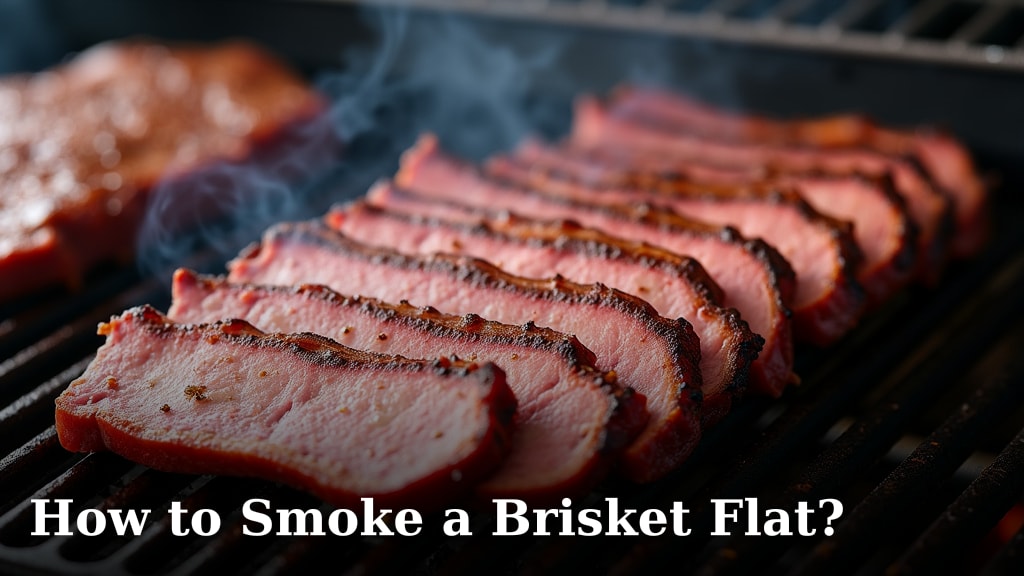
Smoking a brisket flat is totally achievable at home. The key is low and slow cooking to make this tougher cut incredibly tender. You’ll want to aim for an internal temperature of around 195-205 degrees Fahrenheit for that perfect, juicy bite, and remember, patience is your best friend. Don’t rush the process; great brisket takes time!
Many pitmasters agree that a good brisket flat needs a flavorful bark and a moist interior. We found that trimming the brisket fat cap to about a quarter-inch before you start is a smart first step. This helps the rub penetrate better and allows the smoke to work its magic. Proper resting after cooking is also vital for maximum moisture.
- Prep your brisket by trimming the fat.
- Season generously with your favorite rub.
- Smoke at a low temperature (around 225-250°F). Smoke at a low temperature, typically between 225-250°F, for best results. Our guide to the best smokers for brisket can help you choose the right equipment.
- Wrap the brisket when it reaches the right color and firmness.
- Rest the brisket properly after cooking.
Ready to get smoking? Let’s walk through exactly how to smoke a brisket flat so you can impress everyone (or just yourself!) with your delicious results.
Your Guide to Smoking a Brisket Flat
Smoking a brisket flat might seem daunting, but with the right steps, you can achieve delicious, tender results. We’ve researched and found that patience and attention to temperature are key. This guide will walk you through everything you need to know. Let’s get that brisket smoking!
Choosing and Preparing Your Brisket Flat
The brisket flat is the leaner, more uniform half of the whole packer brisket. It’s often sold on its own. When picking out your brisket flat, look for good marbling within the meat. This intramuscular fat will melt during the cooking process, keeping your brisket moist and flavorful. Many butchers recommend a flat that’s at least 2-3 pounds for easier handling and consistent cooking.
Trimming the Fat: A Crucial First Step
Before you even think about applying rub, you need to trim the fat cap. You’ll want to leave about a quarter-inch of fat. This might sound like a lot, but it’s essential. The fat cap protects the meat from drying out during the long cook. It also renders down, adding incredible flavor. Use a sharp boning or fillet knife for this. Trim away any hard, thick pieces of fat. These won’t render properly and can create a greasy texture.
We found that taking your time with the trimming process really pays off. Remove any silver skin from the meat side. Silver skin is a tough membrane that won’t break down. It can create a chewy layer. Make sure your knife is sharp to avoid tearing the meat.
Seasoning Your Brisket Flat to Perfection
Once your brisket is trimmed, it’s time for the flavor boost: the rub. For brisket, a simple rub often lets the beef flavor shine through. Many pitmasters stick to the classic Texas-style rub: salt and coarse black pepper. This is often called a Dalmatian rub.
The Simple Yet Effective Dalmatian Rub
To make this rub, use equal parts kosher salt and coarse black pepper. Some folks like to add a little garlic powder. You can experiment with ratios once you get comfortable. Apply the rub generously to all sides of the brisket flat. Make sure you get into all the nooks and crannies. You want a good, thick coating.
Many people prefer to apply the rub an hour or two before smoking. This allows the salt to start penetrating the meat. Others prefer to apply it the night before and let it sit in the refrigerator. This is often called a ‘dry brine’. Research suggests this can help tenderize the meat further (NCBI).
Exploring Other Rub Options
While salt and pepper are king for many, don’t be afraid to explore. You can find pre-made brisket rubs at most grocery stores. These often contain paprika, garlic powder, onion powder, and sometimes a touch of sugar. If you do use a rub with sugar, be mindful of your cooking temperature. Sugar can burn at higher heat.
The goal with any rub is to create a flavorful crust, or bark, on the outside of your brisket. This bark is a hallmark of great smoked meat. It forms as the rub mixes with the rendered fat and smoke.
The Smoking Process: Low and Slow is the Way to Go
Now for the main event: the smoke! The ideal temperature for smoking brisket is generally between 225°F and 250°F. This low and slow approach allows the tough connective tissues in the brisket to break down over time. This is what makes it incredibly tender.
Choosing Your Smoker and Wood
You can use various types of smokers for brisket, including pellet grills, offset smokers, kamados, and electric smokers. Each has its own learning curve. For wood, post oak is the traditional choice in Texas. Hickory and mesquite are also popular options. They impart a strong, classic smoke flavor that pairs well with beef.
Start your smoker up and let it stabilize at your target temperature. While it heats, you can place your seasoned brisket on a clean surface. Some people like to spritz their brisket during the cook. Water, apple cider vinegar, or even beef broth are common liquids used. Spritzing can help keep the surface moist and promote smoke adhesion. Many sources suggest spritzing every 45-60 minutes after the first few hours.
The Importance of Temperature Monitoring
You absolutely need a reliable meat thermometer. A digital probe thermometer is highly recommended. You’ll be monitoring the internal temperature of the brisket. Insert the probe into the thickest part of the flat, avoiding any large pockets of fat. Your smoker should also have a reliable thermometer to confirm its ambient temperature.
We found that maintaining a consistent smoker temperature is more important than hitting an exact degree. Fluctuations can shock the meat and hinder the cooking process. If your smoker’s temperature drops, add more fuel or adjust vents accordingly.
The Stall: What It Is and How to Handle It
At some point, you’ll likely encounter “the stall.” This is when the internal temperature of the brisket stops rising. It can happen anywhere between 150°F and 165°F. Don’t panic! This is a natural part of the brisket cooking process.
The stall occurs due to evaporative cooling. As moisture evaporates from the surface of the meat, it cools the brisket down, even though it’s still in a hot smoker. Research in food science explains this phenomenon well (Harvard). Your brisket will eventually push through the stall.
Wrapping the Brisket: The Texas Crutch
Once your brisket has developed a nice, dark bark and the internal temperature is around 160-165°F, it’s time to consider wrapping it. This technique is often called “the Texas Crutch.” Wrapping helps push the brisket through the stall more quickly. It also helps retain moisture.
You can use butcher paper or aluminum foil for wrapping. Butcher paper allows some moisture to escape, which can help maintain a crisper bark. Foil traps more moisture, leading to a softer bark but often a more tender result. Fold the paper or foil around the brisket securely, creating a kind of pouch.
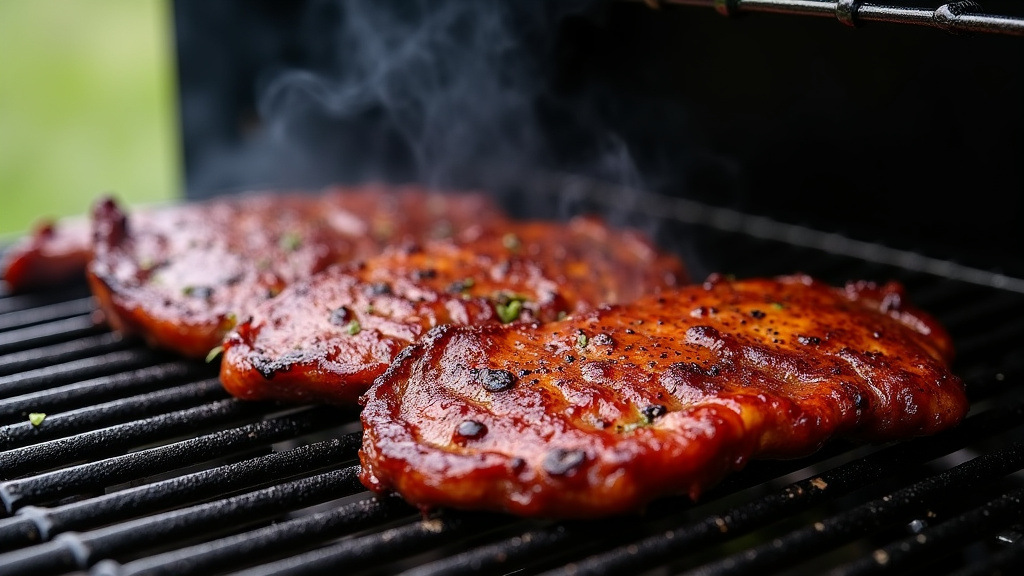
Place the wrapped brisket back into the smoker. Continue cooking until the internal temperature reaches your target. We’re looking for the probe to slide into the meat with very little resistance, like probing into soft butter. This is the ultimate test of tenderness.
Checking for Doneness: Beyond Just Temperature
While temperature is a guide, tenderness is the true measure of a perfectly smoked brisket flat. Many sources, including culinary experts, agree that an internal temperature between 195°F and 205°F is usually when brisket is tender enough. However, some briskets might be probe-tender at 190°F, while others might need to go to 210°F.
The “Probe Tender” Test
This is where your probe thermometer is essential. Gently insert the probe into the thickest part of the flat. Does it slide in easily? Is there any resistance? If you feel significant resistance, it’s not ready yet. Keep cooking and test every 30-60 minutes.
If the brisket feels tough, even if it’s at temperature, give it more time. Rushing this stage is a common mistake. Remember, patience is your best friend here. You’re aiming for that melt-in-your-mouth texture.
The Crucial Resting Period
This is one of the most underappreciated steps in smoking brisket. Once your brisket hits that perfect probe-tender stage, you need to let it rest. This resting period allows the juices within the meat to redistribute. If you cut into it immediately, all those delicious juices will run out onto your cutting board.
Many pitmasters recommend resting the brisket for at least 1-2 hours. If you wrapped it in butcher paper or foil, you can leave it wrapped during the rest. Place it in a cooler (without ice!) or a warm oven (turned off) to hold its temperature. This extended rest is vital for maximum moisture and tenderness.
We found that the longer the rest, generally the better the results. Some chefs even rest brisket for up to 4 hours. This allows the meat to relax fully. It will still be plenty hot for serving after this time.
Slicing and Serving Your Masterpiece
After the long wait, it’s finally time to slice. Slice your brisket flat against the grain. The grain is the direction the muscle fibers run. If you slice with the grain, your brisket will be chewy. Look closely at the meat; you can usually see the direction of the fibers.
Aim for slices that are about quarter-inch thick. You want them thin enough to be tender but thick enough not to fall apart. Serve immediately and enjoy the fruits of your labor!
Quick Checklist for Smoking Brisket Flat
- Trim fat cap to 1/4 inch.
- Apply your favorite rub generously.
- Smoke at 225-250°F.
- Wrap in butcher paper or foil around 160-165°F.
- Cook until probe-tender (195-205°F is a guideline).
- Rest for at least 1-2 hours before slicing.
Conclusion
You’ve learned that smoking a brisket flat is well within your reach. Remember, patience is your secret ingredient, guiding you through every step from trimming the fat to achieving that perfect probe-tender texture. Focus on maintaining a consistent low temperature in your smoker, and don’t be afraid of the stall – it’s just part of the journey. Once cooked, resist the urge to slice immediately; a proper rest is vital for a juicy, tender brisket. Now, go ahead and fire up that smoker for your own delicious brisket flat!
Frequently Asked Questions
What kind of wood is best for smoking brisket flat?
Post oak is the traditional choice for Texas-style brisket and offers a clean, classic smoke flavor. Hickory and mesquite are also popular and provide a bolder smoke that pairs wonderfully with beef. Experimenting with different woods can help you find your personal favorite smoke profile.
How do I know when my brisket flat is truly done?
Temperature is a good guide, aiming for 195-205°F, but tenderness is key. The best test is the “probe tender” test: your thermometer probe should slide into the thickest part of the flat with very little resistance, like probing soft butter. This indicates the connective tissues have broken down.
Can I smoke a brisket flat on a pellet grill?
Yes, absolutely! Pellet grills are excellent for smoking brisket flat because they make it easy to maintain a consistent low temperature. You can use the smoke settings or set it to your desired smoking temperature, typically between 225-250°F. Just ensure you’re using quality wood pellets.
My brisket flat stalled for a long time. What should I do?
The stall is a natural part of the cooking process caused by evaporative cooling. Don’t panic if your brisket’s temperature plateaus. Wrapping it in butcher paper or foil (the “Texas Crutch”) can help it push through the stall and retain moisture. Just be patient; it will eventually break through.
How long should I rest my brisket flat after smoking?
A long rest is essential for juicy brisket. Aim for at least 1 to 2 hours, but longer is often better, up to 4 hours. Resting allows the juices to redistribute throughout the meat. You can keep it wrapped and place it in an empty cooler or a turned-off oven to maintain warmth.
