
How to Smoke Corned Beef into Pastrami?
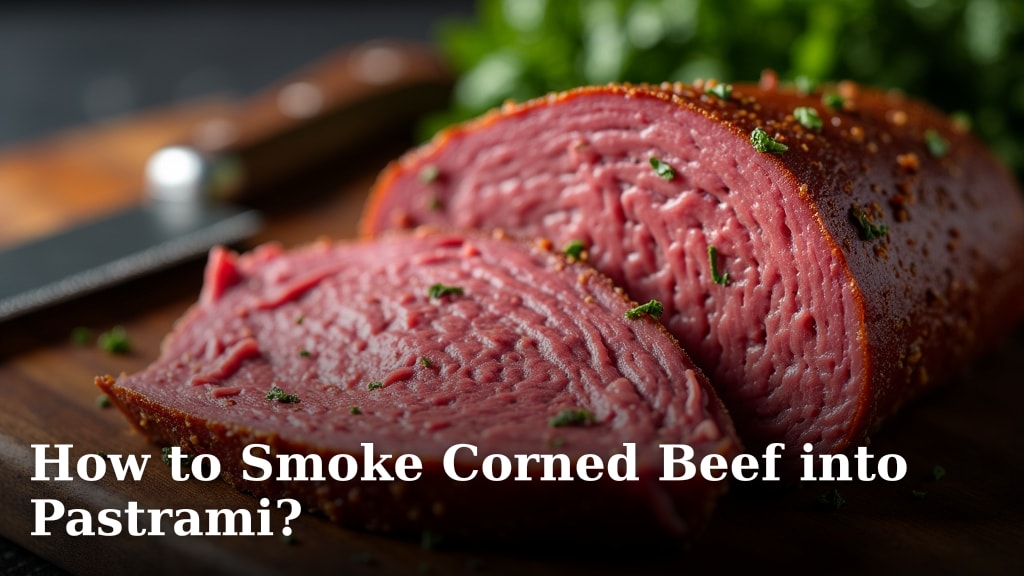
Yes, you absolutely can smoke corned beef into delicious pastrami at home! It’s a surprisingly straightforward process that transforms a humble cut of meat. You’ll achieve that signature smoky flavor and tender texture with just a few key steps.
Many home cooks wonder if this is possible. We found that smoking corned beef recreates the flavors of authentic deli pastrami. You’re essentially taking a brined and cured brisket and adding a wonderful smoky depth through low and slow cooking.
- Start with good quality corned beef brisket.
- Rinse and dry the brisket thoroughly.
- Apply a flavorful spice rub.
- Smoke at a low temperature for several hours.
- Rest the meat properly before slicing.
Ready to turn your corned beef into incredible pastrami? Let’s walk through exactly how to do it step by step, so you can enjoy this deli favorite right from your own smoker.
Turning Corned Beef Brisket into Smoked Pastrami
You might be surprised to learn that making authentic-tasting pastrami at home is not as complicated as you think. The secret is starting with good quality corned beef. This pre-brined brisket is the perfect base for transforming into smoky, peppery pastrami. We found that this method really captures that deli-style flavor you love.
Choosing Your Corned Beef
The foundation of great homemade pastrami is the corned beef you select. Look for a good quality corned beef brisket. You’ll typically find it in the refrigerated section of your grocery store. It often comes in a plastic package with a brine solution. Many people prefer a flat cut, which tends to be leaner. However, a point cut will give you a richer, more marbled result. For smoking, a packer-cut brisket (which includes both the flat and the point) is also a fantastic option if you can find one already corned.
Research from food science experts suggests that the brining process is key to corned beef’s tenderness. This brining also helps it absorb smoke and seasonings wonderfully (National Cattlemen’s Beef Association). You’re essentially getting a head start on the curing process.
Preparing the Corned Beef for Smoking
Once you’ve got your corned beef, the next step is preparing it. This involves rinsing off the excess brine and drying it thoroughly. This might sound simple, but it’s an important step!
Rinsing the Brine
Open the package and drain off the original brine. Then, place the brisket under cool running water. You want to rinse away as much of the salty brine as possible. Some people like to rinse for a minute or two, while others rinse longer. We found that a thorough, quick rinse is usually sufficient. You don’t want to completely remove all the salt, as it’s part of the curing. Just get rid of the excess liquid.
Patting it Dry
After rinsing, you absolutely must pat the brisket completely dry. Use paper towels for this. Get into all the nooks and crannies. A dry surface is essential for the spice rub to adhere properly. If the brisket is still wet, the rub might just slide off during the smoking process. We found that dabbing with paper towels until the surface feels dry to the touch is the best approach.
The Flavorful Spice Rub: Your Pastrami’s Personality
Now comes the fun part – the spice rub! This is where you give your corned beef its pastrami identity. While store-bought pastrami often has a very specific spice blend, you can customize this to your liking. The core ingredients are usually pretty consistent, though.
Essential Spice Ingredients
The classic pastrami rub consists of several key ingredients. Research into traditional methods highlights the importance of these flavors. You’ll typically need coarse black pepper, coriander, garlic powder, and sometimes a touch of paprika or mustard powder. Some recipes even include a hint of allspice or juniper berries for an extra layer of complexity.
We found that a good starting point is a 2:1 ratio of coarse black pepper to coarse coriander. This gives you that signature peppery bite. Then, you can add smaller amounts of garlic powder. Many home cooks experiment with their own blend, and that’s part of the joy!
Creating Your Custom Blend
Here’s a simple, effective blend you can start with:
- 1/4 cup coarse black pepper
- 2 tablespoons coarse coriander
- 1 tablespoon garlic powder
- 1 teaspoon paprika (optional, for color and mild sweetness)
Mix these ingredients well in a small bowl. You can always adjust the ratios based on your preference. If you love a strong peppery flavor, add more black pepper. If you prefer a more balanced taste, stick to the recommended ratios. The key is to use coarsely ground spices. This gives pastrami its characteristic texture.
Applying the Rub
Generously coat the dried corned beef brisket with your spice rub. You want to cover all sides, pressing the rub gently into the meat. Don’t be shy with the rub! This is where all the flavor comes from. Some people like to let the rub sit on the meat for an hour or two before smoking, or even overnight in the refrigerator. This allows the spices to begin to penetrate the meat. We found that applying it right before smoking works well too, especially if you’re short on time.
The Smoking Process: Low and Slow is Key
This is where the magic happens. Smoking the corned beef at a low temperature for an extended period transforms it into tender, smoky pastrami. Patience is your best friend here.
Setting Up Your Smoker
You can use any type of smoker: electric, charcoal, or pellet. The goal is to maintain a consistent temperature.
We recommend a smoking temperature of 225°F (107°C). This low temperature allows the tough connective tissues in the brisket to break down slowly, resulting in a tender product. Many smoking guides emphasize that higher temperatures can toughen the meat. You can use wood chips or chunks to add smoke flavor. Hickory and mesquite are popular choices for pastrami, but applewood or cherry wood can also provide a milder, fruitier smoke.
The Smoke Time Factor
The actual smoking time will vary depending on the size and thickness of your brisket. A general rule of thumb is about 1 to 1.5 hours per pound at 225°F (107°C). However, we found that the most reliable way to know when it’s done is by internal temperature, not just time.
You’re aiming for an internal temperature of around 195°F to 205°F (90°C to 96°C). Use a reliable meat thermometer to check. Insert it into the thickest part of the brisket, avoiding any large pockets of fat. Research from culinary experts indicates that hitting these temperatures ensures the meat is tender and easily shreddable or sliceable.
The “Texas Crutch” (Optional)
Some smokers use what’s known as the “Texas Crutch” – wrapping the brisket in butcher paper or foil when it reaches a certain internal temperature, usually around 160°F (71°C). This helps push it through the “stall,” a phase where the temperature plateaus for hours. Wrapping can speed up the cooking process and help retain moisture.
We found that for corned beef pastrami, this step isn’t always necessary, especially if your brisket is on the smaller side. However, if you’re smoking a large brisket or notice it’s taking an exceptionally long time to increase in temperature, wrapping it can be beneficial. It helps to keep the bark (the crusty exterior) from getting too dark.
Resting is Non-Negotiable
Once your pastrami reaches the target internal temperature, resist the urge to slice into it immediately. Resting is a critical step for tender, juicy meat. This allows the juices to redistribute throughout the brisket.
We recommend letting the pastrami rest for at least 1 hour, and ideally 2-3 hours. You can rest it at room temperature, loosely tented with foil, or even in a cooler. Many pitmasters use a cooler to keep the meat warm for longer periods, which is a great trick. This resting period ensures that when you slice into it, you won’t lose all those delicious juices onto your cutting board.
Slicing and Serving Your Masterpiece
After its well-deserved rest, it’s time to slice your homemade pastrami. Use a sharp knife or a meat slicer for the best results.
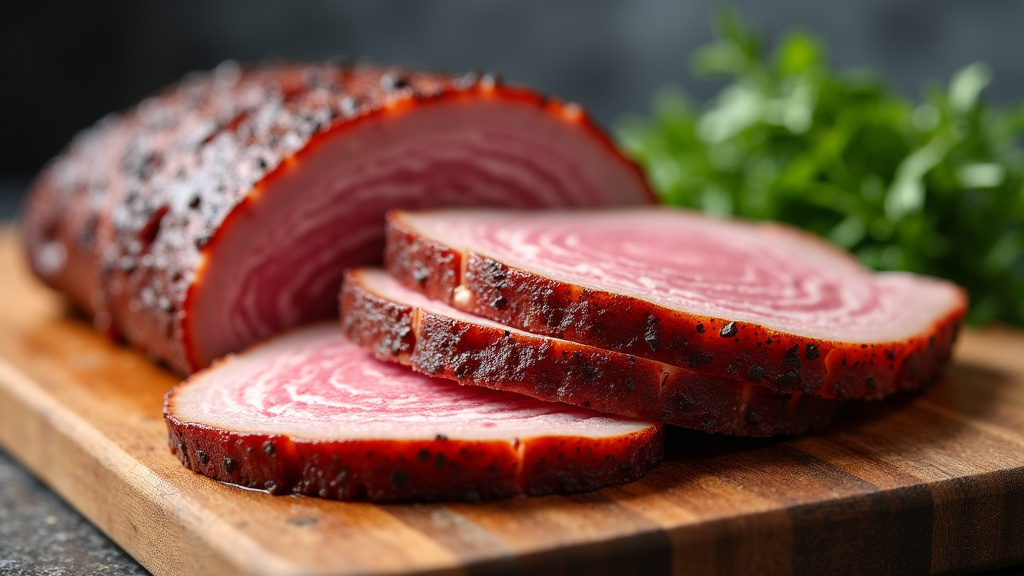
For classic pastrami, you want to slice it thinly against the grain. The grain is the direction the muscle fibers run. Look closely at the brisket; you’ll see the direction of the fibers. Slicing perpendicular to this direction ensures tenderness. If you slice with the grain, the meat can be tough and chewy.
Serve your pastrami warm on rye bread with mustard for a truly authentic deli experience. It’s also fantastic in hash, on sandwiches, or even as a stand-alone treat. You’ve just turned a simple corned beef into an incredible smoked pastrami!
Quick Checklist for Smoking Pastrami
- Start with good quality corned beef brisket.
- Rinse the brisket well and pat it completely dry.
- Apply a generous spice rub, focusing on pepper and coriander.
- Smoke at 225°F (107°C) until internal temperature reaches 195°F-205°F (90°C-96°C).
- Rest the smoked pastrami for at least 1-2 hours before slicing.
- Slice thinly against the grain for the best texture.
Conclusion
You’ve successfully learned how to transform a simple corned beef brisket into incredible homemade pastrami. By following these steps, you’ve unlocked the secret to achieving that rich, smoky flavor and tender texture right in your own smoker. Remember that rinsing, drying, a flavorful rub, low and slow smoking, and proper resting are your keys to success. Now, gather your ingredients and get ready to impress yourself and your guests with this deli classic. Your next delicious sandwich awaits!
Frequently Asked Questions
Can I use a different cut of meat than corned beef brisket?
While corned beef brisket is ideal, you can technically use other cuts that have been brined. However, the brisket’s marbling and structure are best suited for this pastrami transformation. We found the brisket provides the perfect canvas for the smoke and spices.
How do I know if my corned beef is good quality?
Look for a corned beef brisket that has good marbling, which means streaks of fat running through the meat. This fat will render during smoking, adding moisture and flavor. A good quality corned beef will also feel firm to the touch.
What kind of wood should I use for smoking pastrami?
Hickory and mesquite are traditional choices for a robust smoke flavor that complements pastrami well. If you prefer a milder taste, applewood or cherry wood are excellent options. We found that experimenting with different woods can lead to unique flavor profiles.
My pastrami’s bark is too dark. What went wrong?
A dark bark usually means the smoking temperature might have been a bit too high, or you smoked it for too long without wrapping. Consider using the “Texas Crutch” method if your brisket is taking a long time. Wrapping in butcher paper can help mitigate excessive darkening.
How long does homemade pastrami last in the refrigerator?
Once fully cooled, your homemade pastrami should last for about 3-5 days in an airtight container in the refrigerator. For longer storage, you can freeze it, and it should remain good for up to 2-3 months. Thaw it in the refrigerator before reheating.
