How to Smoke Brisket in Electric Smoker
To smoke brisket in an electric smoker, trim the fat, season it well, cook low and slow until probe tender, then rest it before slicing. An electric chamber holds steady heat, so your main jobs are wood choice, moisture and patience.
On this page (9 sections)
- What size brisket works best in an electric smoker?
- How do you trim a brisket for an electric smoker?
- What rub should you use, and how much do you need?
- What temperature and wood work in an electric smoker?
- How do you manage smoke and heat in an electric chamber?
- When should you wrap, and which wrap should you use?
- How do you know when brisket is done and how long should it rest?
- How do you slice brisket for serving?
- What mistakes dry out brisket in an electric smoker?
To smoke brisket in an electric smoker, trim the fat, season it well, cook low and slow until probe tender, then rest it before slicing. An electric chamber holds steady heat, so your main jobs are wood choice, moisture and patience.
This guide covers how to smoke brisket in electric smoker conditions from start to finish. You will learn how to pick a packer, trim it, set the temperature, manage smoke in a small chamber, decide on a wrap, and slice against the grain.
What size brisket works best in an electric smoker?
A whole packer brisket from 10 to 14 lb fits most electric smokers well, but measure your racks first. The point and flat need room for heat to move around the meat on all sides.
A large packer may touch the walls or door in a compact cabinet. If it does, trim the thin edges and fold the flat under the point so it cooks more evenly.
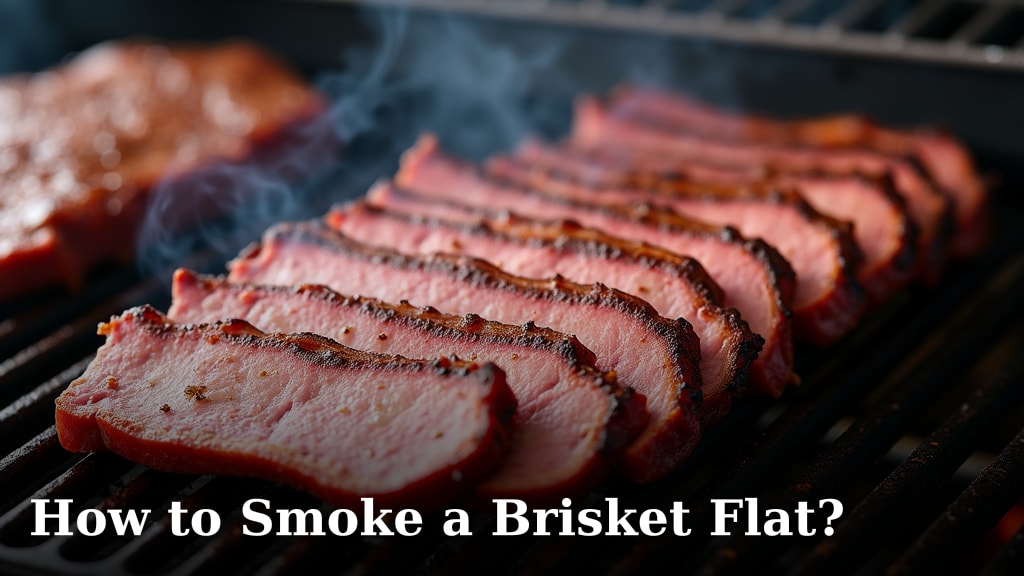
If you have only a flat, read how to smoke a brisket flat before you start. A flat has less fat and dries faster, so it needs tighter moisture control.
For a first cook, a smaller packer reduces cost and cook time. Keep in mind that a very small brisket can overcook while you wait for the center to turn tender.
How do you trim a brisket for an electric smoker?
Trim hard deckle fat, square the flat, and leave about 1/4 inch of fat cap on top. That thin layer protects the meat in the dry heat of an electric box.
Start with the brisket cold from the fridge. Use a long, sharp knife and work in thin slices so you do not gouge the meat below the fat.
Remove the silver skin only if it feels tough and stringy. Most packers have little silver skin, unlike a pork loin, so do not waste meat chasing it.
Save clean trimmings if you render tallow for wrapping. That step is optional, but a spoon or two of beef tallow can help the flat stay juicy after the wrap.
Electric smokers do not have the hot spots of a charcoal grill, so a neat shape matters more than it does over live coals. A loose flap can curl, dry out, or catch drips on the heating element.
What rub should you use, and how much do you need?
Use a coarse salt and pepper base, or a Texas style brisket rub with salt, pepper, smoke and savory spices. Apply it the night before or at least 30 minutes before cooking.
A good coating covers the meat in a thin, even layer. For a 12 lb packer, plan on about 1/2 to 3/4 cup of rub, then add more to thin spots.
Killer Hogs says its TX Brisket Rub uses salt, pepper, smoke and fire to build bark and bold flavor. The 5 lb bag suits frequent cooks who smoke brisket several times a season and want one bag on hand.
The same Killer Hogs rub also comes in a 16.3 oz size. That smaller bag fits first time buyers who want to try the blend before buying in bulk.
RubWise offers a different profile. Its brisket rub lists salt, garlic, spices, onion and MSG, with salty, sweet, smoky and savory notes plus a hint of chipotle.
RubWise says 1 lb covers about 30 lb of meat.
Pick Killer Hogs if you want a classic pepper forward Texas taste. Pick RubWise if you want a touch of sweetness and chipotle heat in the bark.
What temperature and wood work in an electric smoker?
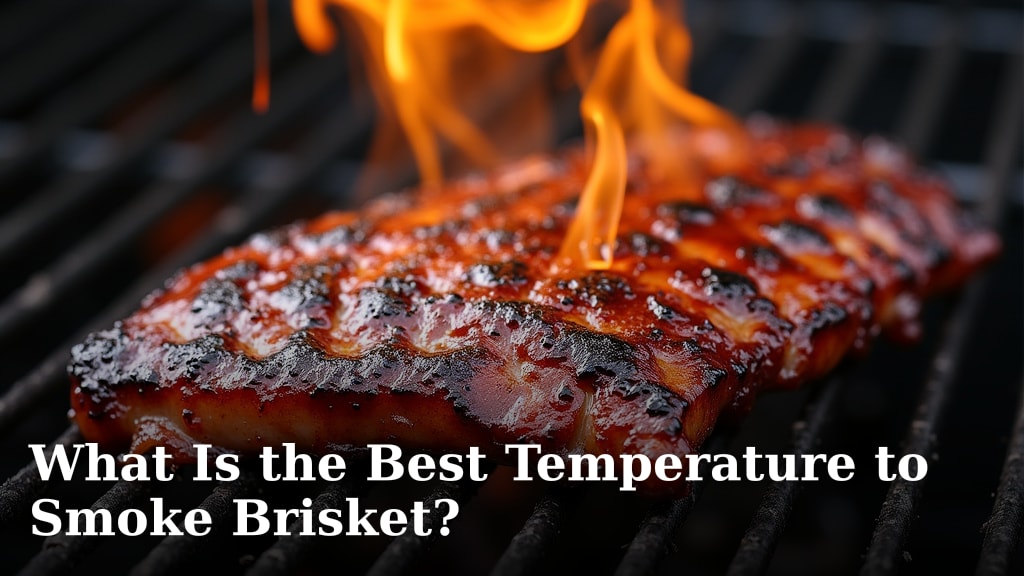
Run most packers at 250°F to 275°F, and use post oak, oak, hickory or a mild fruitwood blend. See what is the best temperature to smoke brisket for a fuller breakdown of the trade offs.
Electric smokers heat with a metal element and make smoke from wood chips or chunks in a small tray. That tray can run hot, so keep the wood away from the brisket and check it before the chips burn out.
Post oak is the classic Texas choice and gives a clean, mild smoke. Hickory is stronger and can turn bitter if you use too much in a closed box.
Add wood in small amounts and let it settle before you judge the smoke. An electric chamber traps smoke well, so you need less wood than you would on an offset smoker.
Preheat the cabinet for 20 to 30 minutes before the meat goes in. Place a water pan on a lower rack to add moisture and catch drips.
How do you manage smoke and heat in an electric chamber?
Keep the door closed, the water pan full, and the wood tray small, because an electric box holds heat and smoke with little airflow. Quick peaks in temperature do more harm than a slow, steady cook.
Put the brisket fat side up if your heat comes from below. That layer shields the meat from the element and drips down through the lean flat.
Use a probe thermometer in the thickest part of the flat. Leave it in place so you track the trend without opening the door often.
Open the door only to check bark, add wood, or spritz. Each open drops the cabinet temperature and lets smoke escape, which extends the cook.
If one side runs hotter, rotate the brisket once halfway through. Electric elements often heat the back more than the front, so a turn can even the cook.
Do not stuff the cabinet. Leave at least 1 inch of space around the meat so hot air can move and the bark can form on all sides.
When should you wrap, and which wrap should you use?
Wrap after the bark sets, often near 165°F, and cook until a probe slides in like butter. Pink butcher paper is the usual choice for brisket in an electric smoker.
Boil or grill methods do not apply here, since the chamber already gives you indirect heat. The wrap is about moisture and speed, not about cooking over direct fire.
Peek at the top before you wrap. If the rub smears when you scratch it with a fingernail, give it more time unwrapped.
Add tallow or a splash of broth at the wrap if the flat looks dry. Then seal the paper tight and return the brisket to the smoker.
Foil wraps faster and gives a softer bark. Butcher paper keeps more crust and still steams the meat.
Pick paper if you care about bark, foil if you are racing the clock.
How do you know when brisket is done and how long should it rest?
Brisket is done when a probe slides into both the flat and the point with almost no resistance, usually between 200°F and 205°F. Temperature guides you, but tenderness decides.
Start probing at 190°F so you do not miss the window. Check the flat in the center and the thick part of the point.
Once done, keep it wrapped and rest it in a dry cooler for at least 1 hour. Many cooks rest for 2 to 4 hours, which lets juices settle back into the meat.
Do not slice straight off the smoker. Hot meat loses juice when cut, and the flat can dry out in minutes on the board.
If you finish early, hold the wrapped brisket in a cooler with towels, or in an oven at 150°F to 170°F. Do not hold it at room temperature.
Food safety matters here. Keep cooked meat above 140°F while you hold it, and refrigerate leftovers within 2 hours.
How do you slice brisket for serving?
Slice the flat against the grain into pencil thick pieces, and slice the point thicker or cube it for burnt ends. Let the grain guide your knife, since it runs in two directions on a packer.
Separate the point from the flat along the fat seam. Turn the flat so the grain runs left to right, then cut across it.
The point has more fat and a looser grain. Cut it thicker, about 3/4 inch, or rotate it 90 degrees and slice against its grain.
Serve slices right away, or fan them out so they do not steem each other. Add a light sprinkle of rub at the table for guests who want more bark flavor.
For leftovers, wrap unsliced pieces tight and refrigerate. Slice only what you need, since sliced brisket dries faster.
If you want to compare smokers before your next cook, see our guide to the best electric smoker for brisket. For a wider look at all smoker types, see best smoker for brisket.
What mistakes dry out brisket in an electric smoker?
The most common mistakes are over trimming, cooking too hot, opening the door too much, and slicing too soon. Each one pulls moisture from the flat, which has the least fat to spare.
Another mistake is trusting time alone. One brisket can finish in 10 hours and the next can need 15, so use a probe and watch the bark.
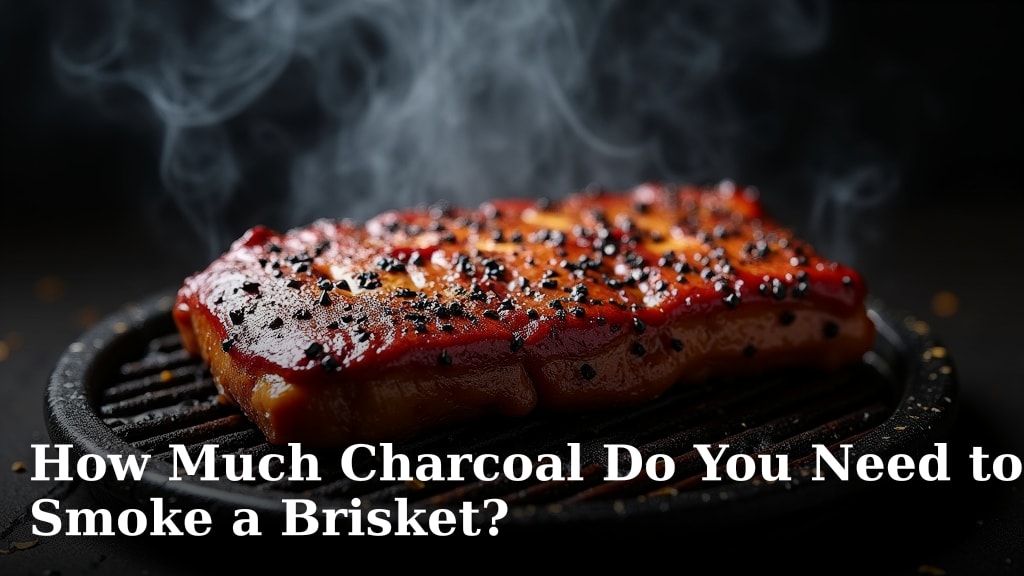
Charcoal cooks do not need to ask how much charcoal do you need to smoke a brisket, since an electric element handles the heat. Your fuel question is wood amount, not charcoal.
Skip that step and focus on the wood tray. Too much wood in a small box makes a bitter, acrid flavor that no sauce can fix.
For the full picture, start with how to smoke a brisket and match the steps to your electric cabinet. Then follow the trim, temp and rest rules above.
How to smoke brisket in electric smoker conditions comes down to steady heat, careful trim, and a long rest. Pick a rub that fits your taste, cook at 250°F to 275°F, and let tenderness tell you when it is done.
Frequently asked questions
How long does it take to smoke a brisket in an electric smoker?
Plan about 1 to 1.25 hours per pound at 250°F, plus time to rest. A 12 lb packer often needs 10 to 14 hours.
Start early, check for probe tenderness rather than time alone, and hold it wrapped if it finishes ahead of schedule.
What temperature should an electric smoker be for brisket?
Cook at 250°F to 275°F for most whole packers. That range builds bark without drying the flat.
Use 225°F only if you have extra time and want a deeper smoke ring, and keep the meat away from direct heat.
Do you need to wrap a brisket in an electric smoker?
Wrapping is optional but often helpful after bark sets. Pink butcher paper keeps more bark than foil and lets steam escape a little.
Wrap when the top looks dark and set, usually around 165°F, then cook to probe tenderness.