What Is the Best Temperature to Smoke Brisket?
On this page (7 sections)
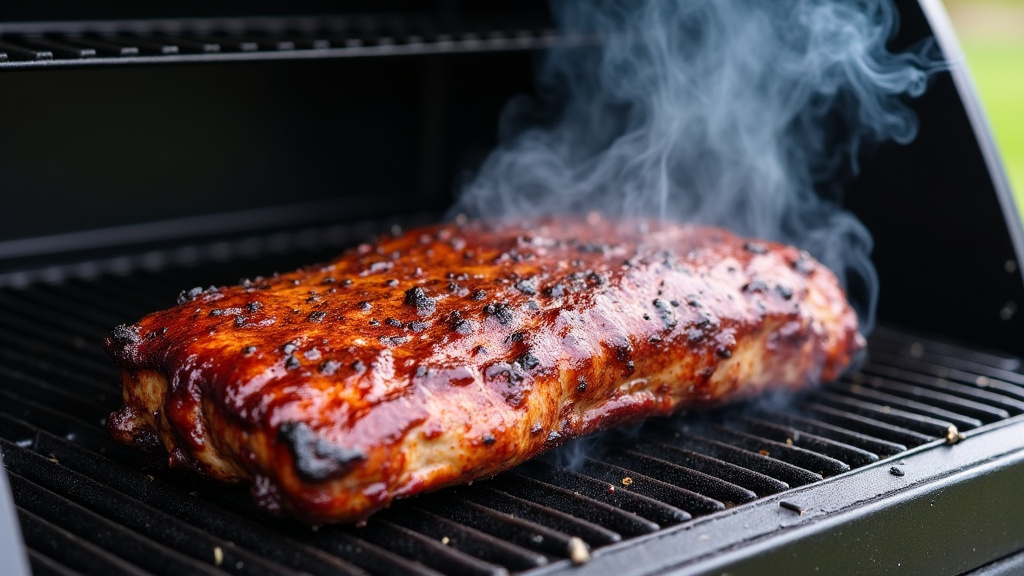
The best temperature to smoke brisket is consistently between 225°F and 275°F. This range allows for proper fat rendering and delicious, tender results. You’ll find that staying within these temperatures helps you achieve that perfect bark.
When you keep your smoker in this sweet spot, you’re setting yourself up for success. We found that this lower, slower method helps to break down tough connective tissues in the brisket. This process creates that desirable melt-in-your-mouth texture everyone loves.
- Maintain smoker temperature between 225°F and 275°F.
- Lower temperatures lead to more tender brisket.
- Higher temperatures can speed up cooking but risk dryness.
- Monitor internal temperature of the meat closely.
- Factor in brisket size and smoker type for your cook time.
Ready to master the art of smoking brisket? Let’s dive deeper into the specifics of temperature control and how it impacts your final product. You’ll be a brisket boss in no time!
Optimal Smoker Temperatures for Brisket
You’re probably wondering why this specific temperature range is so important. We found that maintaining your smoker between 225°F and 275°F is your best bet for a consistently delicious brisket. This isn’t just an arbitrary number; it’s a sweet spot where magic happens.
Think of it like slow cooking. You wouldn’t blast a tough cut of meat on high heat, right? The same principle applies here. This temperature range allows the brisket to cook slowly, giving the tough connective tissues ample time to break down and transform into that luscious, gelatinous texture you crave.
The Science Behind Low and Slow
Cooking brisket is a marathon, not a sprint. The “low and slow” method isn’t just a catchy phrase; it’s backed by the science of protein denaturation and collagen breakdown. Your brisket is full of connective tissue, primarily collagen, that needs to be melted down.
When you cook at lower temperatures, the collagen slowly converts into gelatin. This process is what adds that incredible moisture and tenderness to your brisket. Cooking too hot, too fast, will cause that collagen to toughen up, leaving you with a dry, chewy result.
We found that this gelatinization process is most effective and consistent within our recommended temperature range. It’s like watching a tough piece of meat slowly become incredibly tender before your very eyes.
Understanding the Stall
Ever heard of the “brisket stall”? It’s a common phenomenon that can surprise first-time smokers. You’ll notice your brisket’s internal temperature gets stuck, often around 150-165°F, for several hours. Don’t panic!
This stall happens because of evaporative cooling. As moisture evaporates from the surface of the meat, it cools the brisket, much like sweat cools your body. Maintaining a consistent smoker temperature is key to helping you push through this phase.
Many pitmasters choose to wrap their brisket in butcher paper or foil during the stall to help speed things up. This technique helps retain moisture and gets the internal temperature rising again. We’ll talk more about wrapping later.
Impact of Temperature Fluctuations
Maintaining a steady temperature can be one of the biggest challenges for new smokers. Your smoker’s temperature isn’t static; it can swing up and down. Understanding why these fluctuations happen and how to manage them is crucial for your success.
Big temperature swings can lead to an unevenly cooked brisket. If your smoker gets too hot, you risk drying out the outer layers. If it gets too cool for too long, your cooking time will stretch significantly, and the bark might not develop properly.
Common Causes of Temperature Swings
Several factors can cause your smoker’s temperature to vary. The external weather is a big one. A windy day can blow through your smoker, cooling it down quickly. Cold outside temperatures also mean your smoker works harder to maintain its heat.
Opening the lid too often is another common culprit. Every time you peek inside, a blast of cool air enters, dropping the internal temperature. Resist the urge to constantly check on your brisket! You’re just letting the heat escape.
The type of fuel and your airflow management also play a huge role. For charcoal smokers, adding new fuel or adjusting vents directly impacts the heat. For pellet smokers, a change in pellet quality or even a gust of wind can affect the temperature.
Different Approaches to Brisket Temperature
While we recommend a range, you’ll find different schools of thought on the exact “best” temperature. Some prefer a slightly lower temperature for maximum tenderness, while others push a bit higher to speed up the process.
Your choice often depends on your schedule, your specific smoker, and your desired outcome. There’s no single “wrong” way if you stay within the safe and effective range.
The 225°F Method
Smoking brisket at a consistent 225°F is a classic and reliable method. This “ultra-low and slow” approach gives your brisket plenty of time to render fat and break down collagen. Many pitmasters swear by 225°F for producing the most tender results.
The main drawback of this method is the extended cook time. A large brisket cooked at 225°F can take 14-18 hours, or even longer. This requires patience and careful planning, but the rewards are often worth the wait.
The 250°F Method
Cooking at 250°F strikes a good balance between tenderness and efficiency. This is a very popular temperature among home cooks and competition pitmasters alike. We found it offers excellent results without the overly long cook times of 225°F.
At 250°F, you’ll still get fantastic fat rendering and collagen breakdown, but your cook time will be noticeably shorter. Expect a large brisket to take 10-14 hours at this temperature. It’s a great middle-ground if you want excellent quality without dedicating an entire day and night.
The 275°F (Hot & Fast) Method
Smoking brisket at 275°F is often referred to as “hot and fast” in the barbecue world. While still considered low compared to oven roasting, it’s on the higher end for traditional smoking. This method can significantly reduce your total cook time.
At 275°F, a large brisket might be ready in 8-12 hours. The trade-off can be a slight reduction in moisture if not managed carefully. You might also find less of a “smoke ring” with higher temperatures, though the flavor will still be there.
This method is great for those days when you don’t have 16+ hours to babysit your smoker. Just be extra vigilant with monitoring the internal temperature of the meat to prevent it from drying out. Wrapping is almost always recommended for this approach.
Essential Tools for Temperature Control
You can’t manage what you don’t measure, and this is especially true for smoking brisket. Relying on your smoker’s built-in thermometer is often a mistake; they can be wildly inaccurate. Upgrading your tools will significantly improve your brisket game.
Reliable Thermometers
Investing in good thermometers is single-handedly one of the best things you can do for your smoking success. You need two types: one for your smoker’s ambient temperature and one for the internal temperature of your meat.
A good digital probe thermometer with multiple probes is ideal. We found that models with two probes – one for the grate temperature near the brisket and one for the deepest part of the meat – give you the most accurate picture. Many experts say that knowing your actual grate temperature is far more important than your lid thermometer (AmazingRibs.com).
Wireless thermometers are incredibly convenient. They allow you to monitor both temperatures from your phone or a remote unit, so you don’t have to keep opening the smoker lid. This helps maintain that critical steady temperature.
Smart Temperature Controllers and Pit Fans
For the ultimate in set-it-and-forget-it smoking, consider a smart temperature controller. These devices connect to your smoker and automatically manage the airflow (via a fan) or fuel feed to maintain your target temperature with incredible precision.
Using a pit fan and controller is like having a co-pilot for your smoker. You set your desired temperature, and the system works to keep it there, compensating for wind, ambient temperature changes, and fuel fluctuations. This allows you to relax and enjoy your day, knowing your brisket is in good hands.
Preparing for a Successful Brisket Cook
Getting your smoker to the right temperature is just one piece of the puzzle. Proper preparation sets the stage for success. Think of it as laying the groundwork for a masterpiece.
- Trim your brisket properly: Remove hard fat, but leave about 1/4 inch of soft fat for moisture and flavor.
- Apply your rub evenly: Generously season your brisket at least a few hours, or even overnight, before smoking.
- Preheat your smoker thoroughly: Make sure your smoker is at your target temperature and stable before introducing the meat.
- Use a water pan: A full water pan helps stabilize temperatures and adds moisture to the cooking environment.
- Place brisket fat-side up or down: Some prefer fat-side up to baste the meat; others fat-side down for bark protection. Experiment!
- Have extra fuel handy: Don’t run out of charcoal or pellets halfway through a long cook. Always have a backup.
By focusing on these practical steps, you’ll be well on your way to that perfect, tender, and juicy smoked brisket. Remember, every cook is a learning experience, so don’t be afraid to try different techniques and find what works best for you and your smoker. Happy smoking!
| Temperature (°F) | Typical Cook Time (Large Brisket) | Pros | Cons |
|---|---|---|---|
| 225°F | 14-18+ hours | Maximal tenderness, deep smoke flavor | Very long cook time, requires patience |
| 250°F | 10-14 hours | Great balance of tenderness and efficiency | Still a significant time commitment |
| 275°F | 8-12 hours | Faster cook time, good for time constraints | Slight risk of dryness if not monitored |
Conclusion
You’ve now got the knowledge to tackle your next brisket cook with confidence. We found that staying between 225°F and 275°F is your optimal temperature range for tender, juicy brisket every time. Remember, patience is key, especially during the stall.
Don’t be afraid to experiment with different temperatures within this range. Find what works best for your smoker and schedule. Grab yourself some reliable thermometers, plan your cook, and get ready to enjoy some incredibly delicious smoked brisket!
Frequently Asked Questions
How long does it take to smoke a 10lb brisket at 250°F?
At 250°F, a 10lb brisket typically takes between 8 to 12 hours to smoke. Factors like the brisket’s thickness and whether you wrap it will affect the total cook time. Always cook to internal temperature, not just time.
Can I smoke brisket at 300°F?
While some pitmasters attempt “hot and fast” methods above 275°F, it’s generally not recommended for beginners. Smoking at 300°F increases the risk of drying out your brisket significantly. You’ll need very close monitoring to prevent a tough, dry result.
What internal temperature should brisket reach when finished?
Your smoked brisket is finished when it reaches an internal temperature between 200°F and 210°F. More importantly, it should feel probe-tender, meaning a thermometer slides in with very little resistance, like it’s going into warm butter.
Does wrapping my brisket impact cooking temperature?
Wrapping your brisket, particularly in butcher paper or foil, helps it push through the “stall” by retaining moisture and heat. It doesn’t change your smoker’s ambient cooking temperature, but it can help the meat’s internal temperature rise more quickly during that phase.
Is a water pan really necessary for smoking brisket?
While not strictly mandatory, we found that using a water pan in your smoker offers several benefits. It helps to stabilize your smoker’s temperature and adds humidity to the cooking environment, which can contribute to a more moist finished product.