How Much Does It Cost to Smoke a Brisket at Home?
On this page (6 sections)
Smoking a brisket at home can cost anywhere from $30 to $75 or more, depending on the size and quality of the meat you choose. You’ll also need to factor in wood chips or chunks for smoke flavor. The total cost really comes down to a few key ingredients.
The overall price is often less than you’d pay at a restaurant, making it a great budget-friendly way to enjoy this smoky delicacy. Your choices for brisket cut and wood type will have the biggest impact on your final bill. We’ve researched to give you a clear picture.
- Brisket price varies by weight and grade.
- Wood chips or chunks add a small extra cost.
- You can save money by buying in bulk.
- Restaurant brisket is typically much more expensive.
- Homemade brisket is a rewarding and often cheaper option.
Let’s break down exactly what goes into the cost of smoking a brisket so you can plan your next barbecue adventure.
Alright, you’ve decided to tackle a brisket at home. That’s fantastic! Before you fire up the smoker, let’s talk about the dollars and cents. Understanding the costs involved will help you budget like a pitmaster and avoid any surprises.
The Big Ticket Item: Your Brisket
The **most significant cost** you’ll encounter is, without a doubt, the brisket itself. This is where your budget will really take a hit. Brisket isn’t exactly the cheapest cut of beef. Several factors influence its price tag.
Weight Matters
Brisket is sold by the pound. You’ll typically find full packers, which include both the flat and the point. These can range from 10 to 18 pounds, sometimes even more. A larger brisket means more meat, but also a higher upfront cost. If you’re feeding a crowd, a bigger brisket is necessary. For smaller gatherings, a smaller cut might be more economical.
Grade of Beef: Prime vs. Choice vs. Select
Just like other beef cuts, brisket comes in different grades. The USDA grades beef based on marbling – those little flecks of fat within the muscle. More marbling generally means more flavor and tenderness.
- Prime is the highest grade. It has the most marbling. This makes it incredibly tender and flavorful. Prime briskets will be the **most expensive** option.
- Choice is the most common grade you’ll find. It’s still got good marbling and makes for a delicious brisket. This is often the sweet spot for many home cooks, balancing quality and price.
- Select has less marbling. It can be a bit leaner and tougher. Select briskets are generally the **cheapest**. You’ll need to be more careful with your cooking technique to ensure it doesn’t dry out.
We found that prices can vary by a **significant margin** between grades. For instance, a 14-pound Prime brisket might cost $12-$15 per pound, while a Choice of the same size could be $8-$10 per pound. A Select might be $6-$8 per pound. So, that 14-pound brisket could range from about $84 for Select to over $210 for Prime!
Where You Buy It
The butcher shop or grocery store you choose can also affect the price. Some specialty butchers might charge a premium for expertly trimmed briskets. However, they might also offer higher quality options. Large supermarket chains often have competitive pricing, especially during holiday sales. Some warehouse clubs sell larger, whole briskets that can offer savings per pound if you have the freezer space.
Let’s look at a quick cost estimate based on size and grade. Keep in mind these are **average prices** and can fluctuate based on your location and the current market.
| Brisket Size (lbs) | USDA Grade | Estimated Price per Pound | Total Estimated Cost |
|---|---|---|---|
| 12 | Select | $7.00 | $84.00 |
| 12 | Choice | $9.00 | $108.00 |
| 12 | Prime | $13.00 | $156.00 |
| 16 | Select | $7.00 | $112.00 |
| 16 | Choice | $9.00 | $144.00 |
| 16 | Prime | $13.00 | $208.00 |
Fueling the Smoke: Wood for Flavor
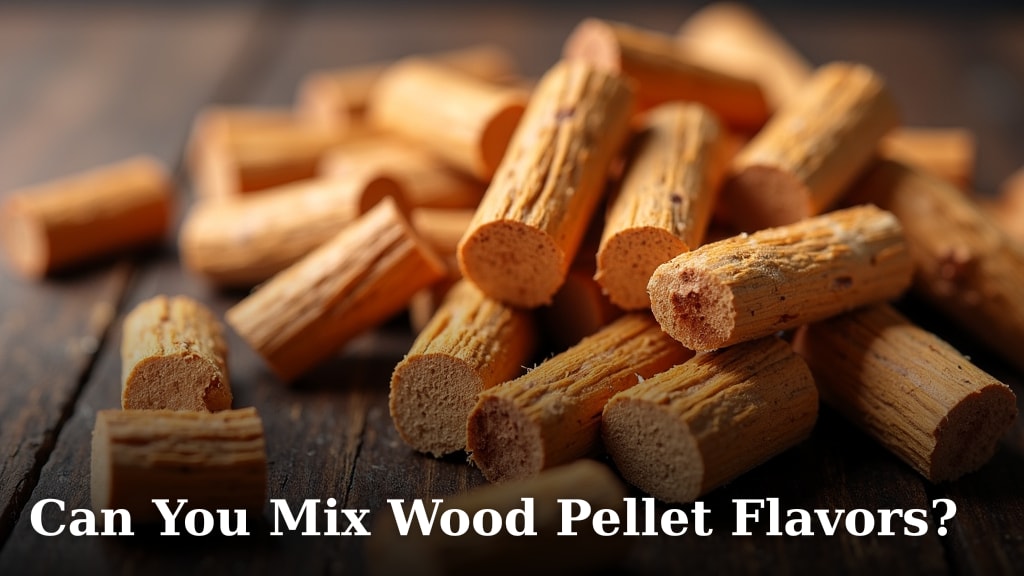
You can’t have smoked brisket without smoke! The type of wood you use will add to your overall cost, though it’s a much smaller expense than the meat. Wood comes in several forms: chips, chunks, and logs.
Wood Chips vs. Chunks
Wood chips are small pieces of wood. They burn up relatively quickly, producing a fast, intense smoke. You’ll need to soak them and add them to your smoker more frequently. Wood chunks are larger pieces. They burn more slowly, providing a steadier, longer-lasting smoke. For a long brisket cook, chunks are generally preferred.
Popular Wood Varieties and Their Costs
Different woods impart different flavors. Common choices include:
- Hickory: A classic, strong, smoky flavor.
- Mesquite: A bold, pungent flavor that’s great for beef.
- Oak: A milder, more versatile smoke that’s excellent for brisket.
- Pecan: A sweet, nutty flavor, similar to hickory but a bit milder.
- Fruitwoods (Apple, Cherry): Offer a milder, sweeter smoke that can be a nice complement.
We found that bags of wood chips or chunks typically cost between $5 and $20. A small bag might last you one or two cooks, depending on how much you use. For a long brisket cook, you might use a few pounds of wood. So, plan for an extra $5-$15 for your wood fuel. This cost is relatively minor compared to the brisket itself.
Other Potential Costs to Consider
While the brisket and wood are your main expenses, a few other small items might add up. These are often things you might already have on hand.
Rub Ingredients
Most brisket recipes call for a simple rub, often just salt and pepper (the classic “Texas Crutch”). However, you might want to add garlic powder, onion powder, paprika, or other spices. If you don’t have these basics, a few dollars spent at the grocery store will cover it. A standard spice jar costs around $3-$7.
Moisture and Wrapping
Some pitmasters wrap their brisket during the cook to help push it through the “stall” (when the temperature stops rising). Common wrapping materials include butcher paper or aluminum foil. Butcher paper might cost around $10-$20 for a roll that will last many cooks. Heavy-duty aluminum foil is cheaper, usually under $5 for a large roll.
Thermometers and Tools
Do you have a reliable meat thermometer? It’s essential for knowing when your brisket is perfectly cooked. If you don’t, a good instant-read thermometer can range from $15 to $50. A probe thermometer that stays in the meat during cooking can cost $30-$100 or more. While this is an initial investment, it’s a one-time purchase that will improve your results immensely.
Propane or Charcoal (for some smokers)
If you’re using a pellet grill or a gas smoker, you’ll have fuel costs beyond the wood chunks. Pellet grills require wood pellets, which can cost $20-$30 for a 40-pound bag that lasts quite a while. Gas smokers will require propane tanks, with refills costing around $20-$30.
Can You Really Save Money Smoking Brisket at Home?
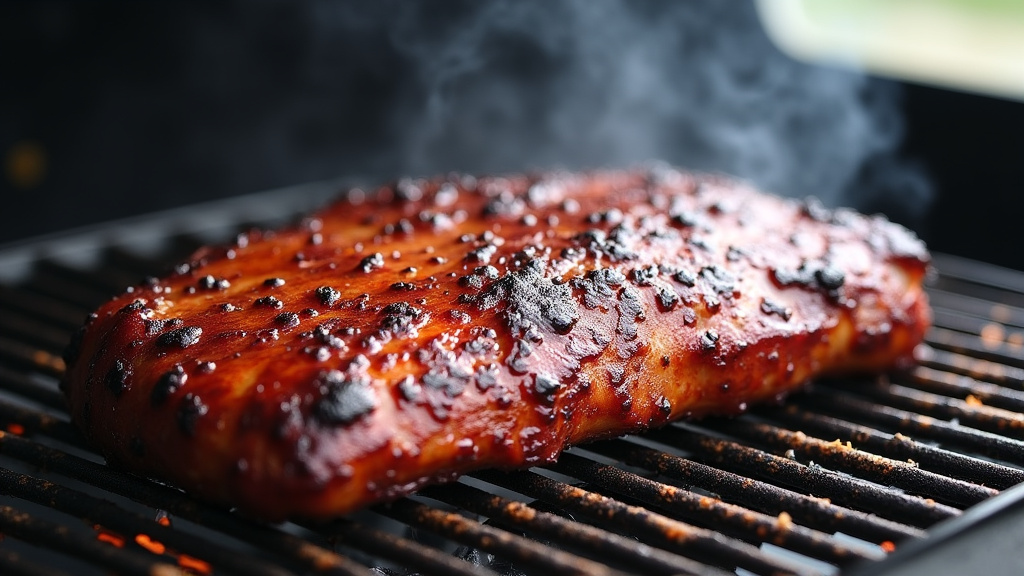
Absolutely! Let’s do some quick math. If you buy a 14-pound Choice brisket for around $108, and add $10 for wood and $5 for rub ingredients, your total cost is roughly $123. This yields about 8-10 pounds of cooked brisket after trimming and shrinkage. That’s about $12-$15 per pound.
Now, consider restaurant brisket. Good barbecue joints often charge $25-$35 per pound for brisket. So, for that same 8-10 pounds, you could easily spend $200-$350 at a restaurant. Your home-smoked brisket is **significantly cheaper** per pound. Plus, you get the satisfaction of doing it yourself!
Here’s a quick checklist to help you prepare for the cost:
- Budget for the Meat: This is your biggest expense.
- Factor in Wood: Add $5-$15 for your chosen smoke flavor.
- Check Your Spice Rack: You might need a few extra seasonings.
- Consider Wrap Material: Butcher paper or foil adds a small cost.
- Invest in a Thermometer: A crucial tool for success.
- Don’t Forget Fuel: If your smoker uses propane or pellets.
Conclusion
Smoking a brisket at home is a rewarding culinary adventure that often comes with a lower price tag than dining out. We found that your primary costs are the brisket itself and the wood for smoke flavor. While a Prime brisket can be a significant investment, choosing a Choice or Select grade can keep your budget in check. Don’t forget small additions like rubs and wrapping materials. By understanding these costs, you can plan your perfect cook without breaking the bank. Ready to fire up your smoker? Now you have the financial roadmap to enjoy delicious, homemade brisket!
Frequently Asked Questions
What is the biggest cost when smoking a brisket at home?
The single largest expense you’ll face is the brisket meat itself. Its price varies widely based on weight and USDA grade. Higher grades like Prime cost more per pound than Choice or Select. Plan to spend the majority of your budget here.
How much should I budget for wood smoke flavor?
You can typically budget between $5 and $20 for wood chips or chunks. A small bag often lasts for one or two cooks, depending on your smoker and how much wood you use. For a long brisket smoke, you might use a few pounds, so factor in that modest additional cost.
Is it cheaper to buy a larger brisket?
Often, larger briskets can be more economical on a per-pound basis, especially if purchased from warehouse clubs or during sales. However, you’ll have a higher upfront cost. Consider how much meat you need and if you have adequate freezer space for leftovers.
Can I save money by using simpler rub ingredients?
Absolutely. A classic Texas-style rub of just salt and pepper is very inexpensive. If you already have these spices, the cost is nearly zero. Adding a few extra common spices like garlic powder or paprika will only add a few dollars to your total budget.
What if I don’t have a smoker yet? How does that impact cost?
If you’re new to smoking, the smoker itself is an initial investment. Basic charcoal smokers can start around $100-$200, while pellet grills or more advanced smokers can range from $300 to over $1,000. This cost isn’t part of each brisket cook but is essential for starting your home smoking journey. Understanding how much a smoker itself is an initial investment is crucial for budgeting.