
Can You Smoke a Brisket without Wrapping It?
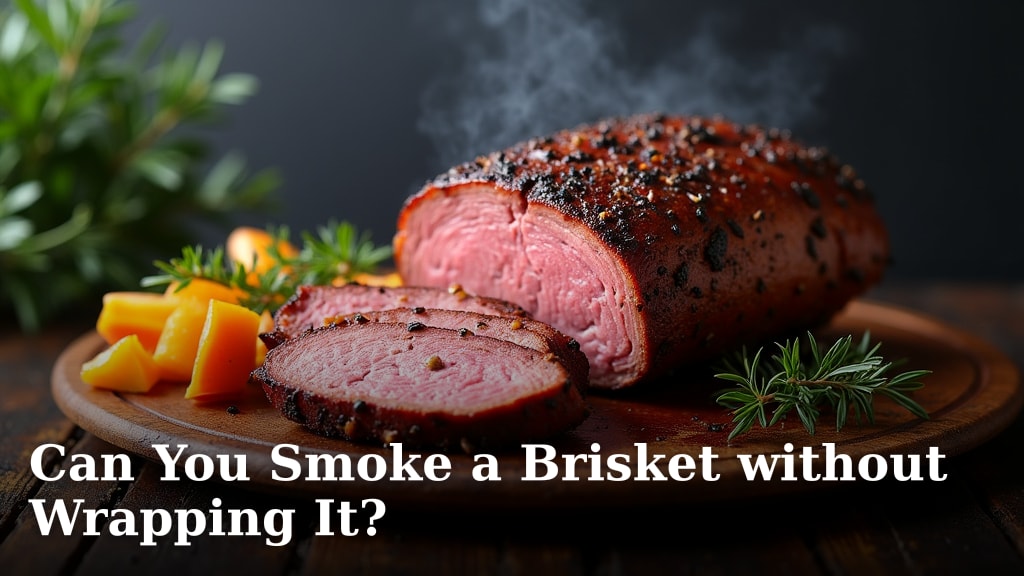
Yes, you absolutely can smoke a brisket without wrapping it. This method, often called the “no-wrap” or “Texas crutch” method, is a time-honored way to achieve a fantastic bark. Many pitmasters prefer it for that perfectly rendered crust. It’s a popular choice for purists.
When you choose not to wrap, you’re allowing the brisket to cook directly in its own juices and smoke for the entire duration. This process helps build a deeper, more complex smoky flavor and a truly crispy, dark bark. It requires patience, but the results are often worth the wait. Many believe it’s the only way for true brisket lovers.
- Smoking a brisket without wrapping is possible.
- This method aims for a deeper smoky flavor.
- You can achieve a wonderful, crispy bark.
- It requires more patience than wrapped brisket.
- The payoff is a classic, authentic brisket taste.
So, if you’re wondering if you can skip the butcher paper or foil, the answer is a resounding yes! Let’s dive into what that means for your brisket and how to make it happen.
Smoking Your Brisket: The No-Wrap Approach
Can you smoke a brisket without wrapping it? Absolutely. This is often considered the purist’s method. It focuses on letting the brisket cook undisturbed. Your goal is to build that incredible bark. You’re essentially letting the meat develop its own crust. Many pitmasters swear by this technique. They believe it offers the deepest smoky flavor. It also delivers a truly satisfying texture.
Why Go No-Wrap? The Benefits You’ll Discover
You might be asking yourself, “Why would I skip the wrap?” It’s a fair question. The wrap is often used to speed up the cooking process. It also helps keep the brisket moist. But not wrapping offers unique advantages. The primary draw is the bark development. This is the dark, flavorful crust on the outside. Without a wrap, smoke and heat directly interact with the meat surface. This allows for a longer, uninterrupted bark-building phase. You get a deeper, more intense smoky flavor throughout the meat. It’s a richer taste experience. Research suggests that direct smoke exposure contributes to compound formation that enhances flavor (NCBI).
The Unmatched Brisket Bark
Let’s talk about bark. It’s the part many brisket lovers crave. When you don’t wrap, you’re giving the bark the time it needs to form. The rub on the brisket interacts with the smoke and rendered fat. This creates a complex, savory crust. It’s a combination of Maillard reaction and smoke infusion. A good bark has a slight chew but also a crispiness. It’s a textural marvel. Many argue that only a no-wrap brisket can achieve this authentic bark. You’re not steaming the bark under foil or paper. You’re allowing it to bake and crisp up.
Deeper Smoky Flavor Infusion
Beyond the bark, the flavor penetration can be different. Without a barrier, the smoke has direct access to the brisket for its entire cook. This means more smoke can adhere to the surface. It also means the seasonings in your rub have more time to meld. We found that this method can lead to a more pronounced smoke ring. The smoke ring isn’t just about looks; it indicates smoke penetration. It’s a sign that the smoke has had ample time to work its magic. This extended smoke exposure can result in a more robust, all-around smoky profile. Many compare it to older barbecue techniques.
The Patience Factor: What to Expect
Now, let’s be honest. Smoking a brisket without wrapping requires more patience. You’re letting nature take its course. This means the cooking time can be longer. You can’t just rush the process. The stall, that frustrating period where the brisket’s temperature plateaus, can last longer. You have to be prepared for this. It’s not uncommon for a no-wrap brisket to take 1-2 hours longer, or even more. You need to trust the process. Don’t panic if the temperature isn’t moving as quickly as you’d like. It’s all part of the journey to a great brisket.
Understanding the Brisket Stall (The Hard Truth)
The stall is a phenomenon in low-and-slow barbecue. It happens when the brisket reaches an internal temperature of around 150-165°F. At this point, the evaporative cooling on the surface of the meat slows down the cooking. When you don’t wrap, this stall can be more pronounced. The surface moisture continues to evaporate, cooling the meat. You need to resist the urge to wrap. Many pitmasters see this as a critical point for bark formation. They know that pushing through the stall without wrapping is key to their desired outcome.
When to Consider Wrapping (Even in a No-Wrap Cook)
While we’re talking about not wrapping, there are times when you might reconsider. If your bark is developing beautifully, but the stall is going on for hours and hours, and you’re on a tight schedule, you might choose to wrap. However, the goal of a true no-wrap cook is to avoid this. Some pitmasters will only wrap if the bark is *too* dark and risks burning before the brisket is tender. This is a judgment call based on experience. For your first few no-wrap attempts, try to resist the wrap entirely. See what happens!
Preparing Your Brisket for the No-Wrap Journey
The preparation for a no-wrap brisket is similar to any other brisket. However, some details become even more important. Your rub needs to be applied evenly and generously. It’s the main flavor component on the surface. We found that a binder is often helpful. This could be mustard, hot sauce, or even just a little water. The binder helps the rub adhere better to the meat. This is crucial for bark development. You want that rub to stick around for the entire cook.
Rub Application: More is More
Don’t be shy with your rub. For a no-wrap brisket, you want a good, thick layer. Think of it as a protective and flavorful coating. Apply it thoroughly to all sides of the brisket. Ensure you get into any crevices. Many pitmasters use a simple salt and pepper mix (like a 50/50 ratio). Others add garlic powder, onion powder, or paprika. Whatever your blend, make sure it’s well-distributed. The goal is to have that flavor built into the bark.
The Binder: Your Rub’s Best Friend
A thin layer of binder can make a big difference. It creates a slightly sticky surface. This helps your rub adhere more effectively. Some pitmasters use yellow mustard. Others prefer hot sauce or even just a light spritz of Worcestershire sauce. You don’t need a lot. Just a thin, even coating is sufficient. It won’t impart a strong mustard flavor, believe us. It primarily serves as an adhesive for your rub. This ensures that your beautiful bark doesn’t fall off during the cook.
The No-Wrap Cooking Process: Step-by-Step
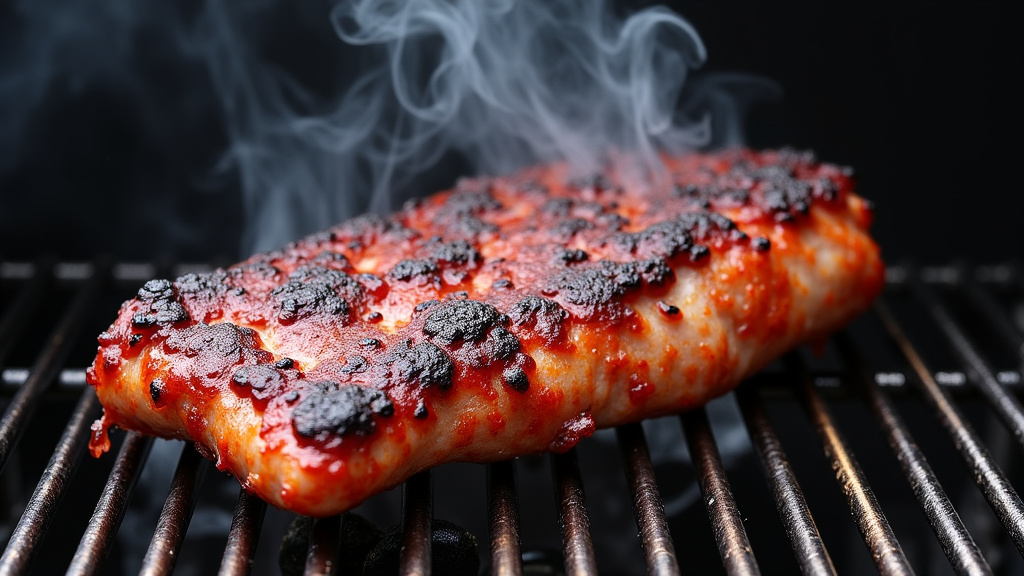
Once your brisket is prepped, it’s time for the smoker. You’ll want to maintain a consistent temperature. Most pitmasters aim for between 225°F and 275°F. The lower end of this range will take longer. The higher end can speed things up slightly. However, it can also make bark management trickier. Throughout the cook, you’ll be monitoring the internal temperature and the bark’s appearance. You’ll spritz the brisket periodically. This helps keep the surface moist without creating too much steam. Use water, apple cider vinegar, or beef broth.
Spritzing: Keeping Moisture in Check
Spritzing is your friend during a no-wrap cook. It helps maintain surface moisture. This prevents the bark from drying out too much. It also helps the smoke particles adhere to the surface. You’ll typically start spritzing once you see the bark beginning to form. This is usually a few hours into the cook. You can spritz every 45-60 minutes. Don’t overdo it. Too much liquid can disrupt the bark formation. A light mist is all you need. It’s about keeping things humid, not soggy.
Monitoring Temperature and Tenderness
The ultimate goal is a brisket that is probe-tender. This means when you insert a thermometer probe into the thickest part of the flat, it slides in with very little resistance. You’re looking for an internal temperature usually between 195°F and 205°F. However, temperature is just a guideline. Tenderness is the true indicator of doneness. For a no-wrap brisket, you’ll be checking this tenderness directly. You can gently probe the meat. It should feel like it’s yielding easily. This often happens after the stall has been broken. The meat needs time to break down collagen.
| Feature | Wrapped Brisket | No-Wrap Brisket |
|---|---|---|
| Bark Development | Softer, less defined | Darker, thicker, crispier |
| Cooking Time | Generally shorter, less stall | Generally longer, more stall |
| Moisture Retention | Very high | Good, managed by spritzing |
| Smoke Flavor | Penetrates well, but can be slightly muted by wrap | Deeper, more intense |
| Effort/Patience | Moderate | High |
Final Thoughts on the No-Wrap Experience
Smoking a brisket without wrapping is a rewarding experience. It requires patience and attention. But the payoff is a truly exceptional brisket. You get that deep smoky flavor and a bark that’s second to none. It’s a classic approach for a reason. It’s a testament to what happens when you let the meat and smoke do their thing. If you’re looking to perfect your brisket game, give the no-wrap method a try. You might just find your new favorite way to cook brisket.
Your No-Wrap Brisket Checklist
- Trim your brisket properly.
- Apply a generous rub with a binder.
- Maintain a consistent smoker temperature.
- Spritz periodically to keep moisture up.
- Cook until probe-tender, not just to temp.
- Rest your brisket thoroughly before slicing.
Conclusion
You’ve learned that smoking a brisket without wrapping is a rewarding technique for achieving an incredible bark and deep smoke flavor. It demands more patience, especially through the stall, but the result is a classic, authentic brisket experience. By focusing on rub application, consistent temperatures, and knowing when tenderness is achieved, you’re ready to master this method. So, fire up your smoker and give the no-wrap approach a try for your next brisket – you might find it’s your new favorite!
Frequently Asked Questions
What’s the biggest advantage of not wrapping a brisket?
The primary advantage is the development of a superior bark. Without the barrier of foil or butcher paper, the smoke and heat can directly interact with the brisket’s surface for the entire cook. This allows for a darker, thicker, and crispier crust that many barbecue enthusiasts crave.
Will not wrapping my brisket make it take much longer to cook?
Yes, smoking without wrapping generally leads to longer cooking times. The brisket will likely experience a more pronounced stall, and you need to allow ample time for the meat to become probe-tender, which is the true indicator of doneness.
How do I prevent my brisket from drying out if I’m not wrapping it?
Regular spritzing is key to keeping the surface moist during a no-wrap cook. You can use liquids like water, apple cider vinegar, or beef broth every 45-60 minutes once the bark starts to form. This helps maintain moisture without creating excessive steam that could soften the bark.
Is a binder really necessary for a no-wrap brisket?
While not strictly mandatory, a binder is highly recommended for a no-wrap brisket. It helps your rub adhere better to the meat’s surface, ensuring a more even and robust bark development throughout the long cooking process. Thin layers of mustard, hot sauce, or even water work well.
When should I consider wrapping my brisket, even if I wanted to go no-wrap?
You might consider wrapping if your bark is developing beautifully but the stall is lasting excessively long, and you’re on a strict time schedule. Some pitmasters also wrap if the bark becomes too dark and risks burning before the brisket reaches the desired tenderness. However, for a true no-wrap experience, aim to push through these stages without interruption.
