How to Maintain an Offset Smoker Fire?
On this page (3 sections)
The easiest and most consistent way to maintain an offset smoker fire is by using a small, hot fire fed with preheated wood splits, while carefully managing your air vents. This approach gives you steady temperatures and clean smoke for delicious barbecue.
You know that feeling when your smoker temperature swings wildly? We’ve all been there. Getting consistent heat is the key to great food. Many pitmasters agree that fire management is an art, but it’s an art you can definitely master with a few straightforward techniques. It’s about understanding how your smoker breathes.
- Start with a small, hot fire.
- Use preheated wood splits.
- Manage your air vents carefully.
- Avoid large, smoldering fires.
- Keep your smoke clean and thin.
Ready to tame that smoker and cook some amazing food? Let’s walk through exactly how to keep that fire just right, step by step.
Mastering Your Offset Smoker Fire Maintenance
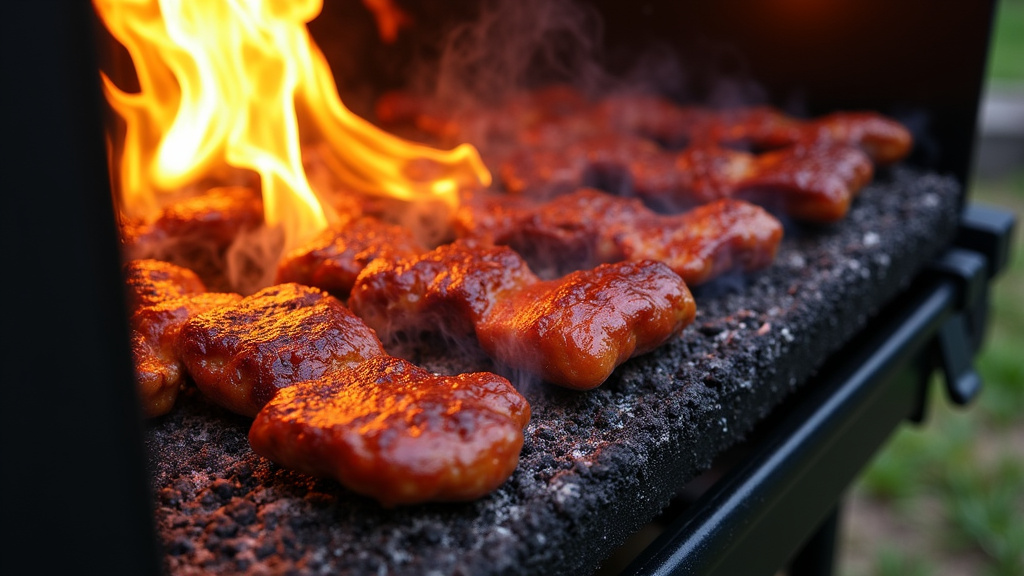
Maintaining a steady fire in your offset smoker is all about control. You want a small, hot fire that burns efficiently, giving you consistent temperatures and clean, thin blue smoke.
It’s not just about throwing wood in; it’s about understanding how your smoker works. We’ve found that a few simple principles can transform your cooking experience.
Understanding Your Smoker’s Airflow
Your offset smoker is essentially a wood-burning oven with a separate cooking chamber. Airflow is key to fire management. It provides the oxygen your fire needs to burn cleanly.
Think of it like breathing. Your smoker needs to inhale and exhale properly to function best. Blockage leads to a choky, dirty fire.
The Role of the Firebox Vent
The firebox vent, usually a slide or damper on the firebox door, controls the primary oxygen supply to your fire. More open means more oxygen, a hotter fire.
We’ve observed that most pitmasters keep this vent at least partially open. It’s your main throttle for fire intensity.
Managing the Exhaust Stack
The exhaust stack, located on your cooking chamber, lets the smoke and heat escape. Many sources emphasize keeping this fully open during your cook (USDA Food Safety and Inspection Service).
A fully open stack encourages good draft. It pulls the heat and smoke through your cooking chamber, preventing stale, bitter smoke from lingering.
Building and Starting Your Fire Correctly
A good fire starts with good fuel and proper ignition. You can’t maintain a great fire if it started poorly. It’s like building a good foundation for a house.
We found that many common pitfalls in fire management actually begin with the initial fire-starting process.
Choosing the Right Wood
For clean smoke and consistent heat, use seasoned hardwoods like oak, hickory, pecan, or fruitwoods. Avoid softwoods, which burn too fast and produce acrid smoke.
Your wood should be cut into splits, ideally 12-16 inches long, and dried for 6-12 months. Wet wood creates poor smoke and temperature swings.
The Minion Method vs. Traditional Lighting
While the Minion Method is popular in charcoal smokers, for an offset, you’re looking for a small, hot wood fire. Start with a charcoal chimney full of lit briquettes or lump charcoal.
Once those coals are fully灰ed over, dump them into your firebox. This provides a glowing bed to ignite your wood splits quickly and cleanly. It avoids the long, smoky startup phase.
Feeding Your Offset Smoker Fire
This is where the “maintenance” truly begins. Your goal is to add small amounts of wood at regular intervals to keep the fire consistent.
Many experienced smokers suggest a rhythm you’ll get to know for your specific unit.
Preheating Your Wood Splits
This step is often overlooked but critically important. Place your next 2-3 wood splits on top of your firebox or near it to preheat.
Preheating helps the wood catch fire immediately when added. Cold wood will smolder, causing dirty smoke and temperature dips.
Adding New Wood to the Firebox
When your temperature begins to drop, or your existing wood is mostly coals, it’s time to add a new split. Add one split at a time.
Place the new split directly on the glowing coals. You want it to ignite within a minute or two. If it takes longer, your base fire isn’t hot enough.
Maintaining Clean Smoke and Steady Temperatures
The hallmark of good fire management is thin, blue smoke and a stable temperature gauge. This is what makes your barbecue taste amazing.
We believe that understanding the smoke is just as important as watching the thermometer.
The “Thin Blue Smoke” Standard
You want to see thin, almost invisible blue smoke coming from your stack. It smells sweet and pleasant. This signals a complete, clean burn.
Thick, white, or yellowish smoke means an incomplete burn. This “dirty smoke” contains creosote, which will give your food a bitter, acrid taste. Open your vents more to get more oxygen to the fire.
Temperature Zone Awareness
Your goal is usually between 225-275°F (107-135°C) for most low-and-slow cooks. Small variations are normal, but wild swings are not desirable. Don’t chase the thermometer obsessively.
If the temperature drops significantly, check your fire. Is it running out of fuel? Is it getting enough air? If it climbs too high, you might have added too much wood, or your airflow is too aggressive. You might need to slightly close your air vent or let a log burn down more.
Here’s a quick overview of what impacts fire temperature and smoke quality:
| Factor | Impact on Temperature | Impact on Smoke Quality |
|---|---|---|
| Amount of Wood | More wood = hotter | Too much wood = dirty smoke |
| Wood Size/Shape | Smaller pieces burn hotter, faster | Uniform splits burn cleaner |
| Air Vents Open | More open (more O2) = hotter | More open = cleaner smoke |
| Preheated Wood | Helps maintain temperature | Ensures clean ignition, less dirty smoke |
| Firebox Door Open | Quick spike, then drop | Introduces too much uncontrolled air, causes dirty smoke, cools smoker |
Troubleshooting Common Fire Issues
Even with the best techniques, sometimes your fire doesn’t cooperate. Don’t panic. Understanding common problems can help you quickly adjust.
We’ve all been there – staring at a smoker that just won’t behave. A little observation goes a long way.
Why Your Fire Dies Down or Smolders
If your fire is constantly dying or producing thick, white smoke, it’s usually one of two issues: lack of oxygen or wet wood.
Check your firebox vent first. Is it open enough? Also, ensure your exhaust stack is fully open. Then, consider your wood. Is it properly seasoned? Is it preheated?
Dealing with Overly Hot Fires
If your smoker is running too hot, resist the urge to close the exhaust stack, as this will trap dirty smoke. Instead, adjust the firebox intake vent slightly. Close it a tiny bit at a time.
Another cause for an overly hot fire is adding too much wood at once. Let one split burn down to embers before adding another. Consider using slightly smaller splits too.
Your Offset Smoker Fire Maintenance Checklist:
- Use seasoned, dry hardwood splits.
- Start with a lit charcoal base.
- Keep your exhaust stack fully open.
- Control temperature with your firebox intake vent.
- Preheat new wood splits before adding.
- Add one split at a time, aiming for thin blue smoke.
Conclusion
You now have the tools to master your offset smoker fire. Remember, it’s about building a small, hot fire, using preheated wood, and carefully managing your vents. Don’t chase the thermometer; watch your smoke and listen to your fire. Practice will make you confident. We’ve found that patience and observation are your best friends in achieving truly delicious, smoke-kissed results. Go ahead, fire up that smoker and enjoy the journey!
Frequently Asked Questions
How often should I add wood to my offset smoker?
The frequency depends on your smoker and the type of wood, but generally every 45-60 minutes. You want to add a split when the previous one has burned down to glowing embers and your temperature starts to dip slightly. It’s about rhythm and maintaining a consistent heat.
Can I use charcoal instead of wood splits in my offset smoker?
While you can use charcoal to start your fire or for shorter cooks, offset smokers are designed for wood splits. Wood provides the distinct smoky flavor. If you use charcoal, make sure to add wood chunks for flavor. Briquettes are okay to get a hot ember bed.
My fire keeps going out. What am I doing wrong?
A common reason for a dying fire is a lack of oxygen. Ensure your firebox intake vent is open enough and that your exhaust stack is fully open. Also, check that your wood is dry and seasoned; wet wood struggles to ignite and maintain a flame. Don’t add too many cold splits at once.
Is it okay to open the firebox door frequently to check the fire?
Opening the firebox door introduces a rush of uncontrolled air, causing temperature spikes followed by drops. It also cools the cooking chamber unnecessarily. We recommend checking your fire visually through a small peep hole if available or quickly adding wood and closing the door. Minimize opening it to maintain stability.
What if my smoker runs too cold even with the vents open?
If your smoker consistently runs cold, verify your wood is completely dry and properly seasoned. Green or wet wood won’t burn hot. You might also need to use slightly larger or denser wood splits to generate more sustained heat. Ensure there are no air leaks around your firebox or cooking chamber seals.