Gas vs Charcoal vs Pellet Grills: Which Should You Choose? (November 2026)
Pick gas for fast weeknight cooking, charcoal for direct-fire flavor, and pellets for set-and-forget smoking. In a gas vs charcoal vs pellet comparison, convenience and cooking style matter more than fuel alone.
On this page (10 sections)
- Gas vs charcoal vs pellet grills: the quick verdict
- What type of smoker is best for most backyard cooks
- Gas grills: speed and control for weeknight cooking
- Charcoal grills: flavor and searing from live coals
- Pellet grills: steady smoke with less babysitting
- Pellet grill vs charcoal grill: flavor against convenience
- Pellet grill vs gas grill: weeknight speed against weekend smoke
- Fuel, safety and storage: what each system asks of you
- Who should buy which grill
- Verdict for gas vs charcoal vs pellet grills
Pick gas for fast weeknight cooking, charcoal for direct-fire flavor, and pellets for set-and-forget smoking. In a gas vs charcoal vs pellet comparison, convenience and cooking style matter more than fuel alone.
Gas gives you quick ignition and steady heat control. Charcoal gives you glowing coals, strong searing and deep grill flavor.
Pellets give you wood smoke and easier temperature holding for long cooks.
The right choice depends on your weeknight habits, your weekend plans and how much attention you want to give the fire. This guide compares those trade-offs with small, practical fuel and stove products that illustrate each fuel type.
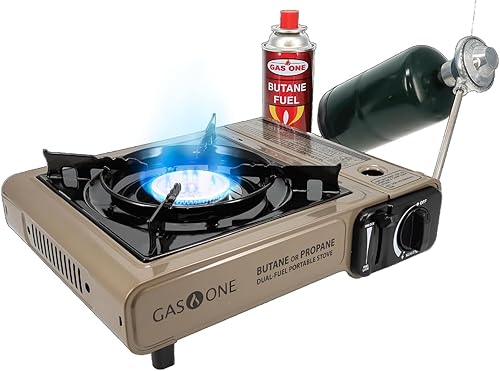 Best for portable gas cooking
Gas One GS-3400P Propane or Butane Stove
 Best for controlled fuel pouring
No-Spill No Spill 1405 2.5 Gallon Gasoline
Gas vs charcoal vs pellet grills: the quick verdict
Gas wins for speed, charcoal wins for flavor and pellets win for smoking convenience. That simple split helps most buyers decide in one minute.
Choose gas when you cook burgers, chicken and vegetables after work and want heat now. Choose charcoal when you want a crust, smoke and coals you can move around the food.
Choose pellet when you want brisket, ribs or pork held at a steady temperature while you do other things.
Our score weighs specs, features and buyer feedback against what you're shopping for. A high score here does not mean one fuel beats the others for every cook.
Think about start time in real terms. Gas removes most of the wait before cooking.
Charcoal adds a lighting and coal warming stage. Pellet adds a controller and hopper stage that pays off most on longer cooks.
Size also matters. A full gas grill, a charcoal kettle and a pellet grill can each be built in many sizes, and size changes how many people you can feed at once.
The table below is a starting point, not a full spec sheet for any one grill.
| Feature | Gas | Charcoal | Pellet |
|---|---|---|---|
| Start time | Fast | Slower | Moderate |
| Heat control | Dial control | Airflow control | Digital control on many models |
| Flavor | Mild and clean | Strong direct fire | Wood smoke |
| Best cooks | Burgers, chicken, vegetables | Steaks, searing, short hot cooks | Brisket, ribs, pork, whole chicken |
| Cleanup | Wipe grates and empty grease | Ash disposal | Ash and grease, plus pellet hopper |
| Fuel storage | Propane tank | Bags of charcoal | Bags of pellets, kept dry |
What type of smoker is best for most backyard cooks
The best choice is the one you will use often, not the one with the loudest flavor claim. Frequency beats novelty for most households.
If you grill twice a week and smoke twice a month, gas or charcoal may serve you better. If you smoke every weekend and grill on weeknights, a pellet setup can cover both jobs with less fuss.
For a wider view of smokers, see what type of smoker is best before you narrow the field. That guide helps you separate grills that smoke on the side from dedicated smokers.
Think about your normal menu first. Tacos, burgers and chicken need fast heat.
Brisket and pork shoulder need time and steady smoke. Your menu, not a fuel label, should drive the pick.
Space also shapes the answer. A compact yard may favor a smaller footprint and simpler fuel storage.
A larger patio can hold a wider grill and separate storage for fuel and tools.
Your schedule matters as much as your menu. A grill that starts fast is more likely to be used on a Tuesday.
A grill that holds temperature for hours is more likely to be used for a full weekend cook.
Gas grills: speed and control for weeknight cooking
Gas is the best pick when you want dinner on the table fast with predictable heat. Turn a dial, light the burner and start cooking after a short preheat.
Gas grills suit burgers, chicken pieces, sausages, vegetables and fish. Heat is easy to raise or lower for different zones.
Cleanup is simpler because there is no ash to handle.
The trade-off is flavor. Gas heat is clean and mild, so seasoning and sauces carry more of the taste.
A sear also depends on burner design and grate contact.
For portable gas cooking, the Gas One GS-3400P Propane or Butane Stove runs on butane or propane and has piezo ignition with an adjustable heat dial. At 3.1 pounds, it suits camp cooking and backup heat more than a full backyard feast.
Portable gas as a reference point
The GS-3400P uses a single 8 oz butane cartridge or a 16.4 oz propane cylinder, and a propane converter regulator is included. Fuel is not included, so you must plan for the cartridge or cylinder you will use.
Its dimensions are 13.5 inches long by 11 inches wide by 4.45 inches high, which explains the portable scale. That footprint is for one burner and one pan or pot at a time.
Built in safety features include a pressure sensor cartridge ejection system and a gas flow cut off mechanism for butane use. The listing also notes a flame supervision system and a 1 year warranty.
Those details help separate a portable stove from a full gas grill. A full grill adds cooking area, multiple burners and a grease system that a 3.1 pound stove does not try to provide.
Charcoal grills: flavor and searing from live coals
Charcoal is the best pick when you want glowing coals, strong sear and smoky flavor. You control heat by moving coals and adjusting airflow.
Charcoal suits steaks, pork chops and chicken with crisp skin. Fat flares and browns, and two zone cooking is simple with hot coals on one side and cooler space on the other.
The trade off is time and attention. Lighting coals takes longer than turning a gas knob, and ash and flare ups need more care.
Small quick light discs are not grilling charcoal. The Sunlight Charcoal Tablets are 33 mm resin discs in a 100 count pack, listed at 0.75 kg with an herbal scent, for small burning uses such as incense, not a grill fire bed.
For a head to head on coals and gas, see our gas vs charcoal grill guide.
Coal placement is the main control. A dense pile creates a sear zone, while a thinner spread or empty side creates a cooler zone.
A clean grate and clear ash area help airflow stay even.
Pellet grills: steady smoke with less babysitting
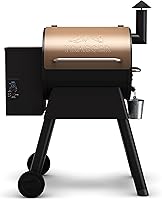
Pellet is the best pick when you want smoke and steady heat for long cooks. Many models hold temperature with a digital controller and a hopper of pellets.
Pellet suits brisket, ribs, pork shoulder, roast chicken and smoked vegetables. You add pellets to the hopper, set the temperature and check the food on your schedule.
The trade-off is searing and fuel cost. Some pellet grills sear well, while others need a separate sear station or a finish on another grill.
Pellets also need dry storage.
Read Can You Use a Pellet Smoker as a Grill? before you assume one machine does every job equally. Searing range and grate design vary a lot by model.
Pellet grills reward planning for long cooks. A hopper that is filled before the cook starts reduces interruptions.
A stable power source and a sheltered spot help the controller hold its set temperature.
Smoke flavor also depends on pellet type and temperature. Lower temperatures tend to produce more smoke for a given cook.
Higher temperatures shift the balance toward roasting and grilling.
Cleanup is different from charcoal ash alone. You still manage grease from the food and ash from burned pellets.
Emptying the hopper and checking for stray pellets before changing pellet types keeps flavor predictable.
Pellet grill vs charcoal grill: flavor against convenience
Pellet gives easier long cooks, while charcoal gives stronger direct fire flavor. If smoking is your main goal, pellet usually wins.
If searing and coals are your main goal, charcoal wins.
Pellet heat is steadier for a 10 hour cook. Charcoal heat is easier to shape for a hot sear beside a cooler zone, and its smoke depends on wood, fat drips and coal placement.
Fuel handling differs too. Pellets feed from a hopper, while charcoal comes in bags and needs ash disposal after the cook.
For the full matchup, see pellet grill vs charcoal grill.
Direct heat shows the gap most. Charcoal places food close to glowing coals, so fat drips flare and the surface browns fast.
Pellet searing depends on the exact design.
Indirect heat is calmer on pellet. A controller can hold a low temperature while you work elsewhere, while charcoal needs more attention to coals and vents.
Choose based on your most common cook.
Pellet grill vs gas grill: weeknight speed against weekend smoke
Gas is faster for weeknight meals, while pellet is better for long smoky cooks. Many cooks want both, but budget and space may force one pick.
Gas gives instant heat for burgers and chicken and tends to cost less for short cooks. Pellet gives wood flavor and hands off control for ribs and shoulders.
Pellet sets can cost more up front and need electricity for the controller and auger. Gas needs a propane tank and safe storage, but no power for the burners.
For the direct comparison, read pellet grill vs gas grill.
Gas makes heat changes easy during a cook, so you can raise one burner and lower another for mixed items. Pellet makes time management easier on long cooks by letting you set a temperature and return later.
Storage differs as well. Gas needs tank space and connection checks, while pellet needs dry bag storage.
Fuel, safety and storage: what each system asks of you
Each fuel needs safe storage and a clear cooking area. Gas, charcoal and pellets all reward tidy habits.
Keep propane tanks upright and check connections for leaks before use. Keep charcoal dry and away from sparks, and keep pellets dry since wet pellets can burn poorly and clog feed systems.
The No-Spill 1405 2.5 Gallon Gasoline can has a thumb button control, a 7/8 inch funnel spout, a dust cover and an integrated 20 mesh stainless steel screen. Its capacity is 2.5 gallons, its body is red high density polyethylene measuring 8 inches wide by 14.75 inches high, and it weighs 2 pounds.
Auto flow stop features and fuel level stripes on front and back are also described for the No-Spill line. The can meets ASTM, CARB and EPA specifications as listed.
Those features are for gasoline handling for equipment, not for grilling fuel. It still needs cool storage away from heat.
Store grills away from walls, fences and dry plants, and never use a grill in a closed garage. Keep a fire extinguisher rated for fuel fires nearby.
Who should buy which grill
Buy gas for speed, charcoal for flavor and pellet for smoking with less attention. Your menu and schedule should make the call.
Choose gas if you cook fast weeknight meals, host small groups and want easy cleanup. The Gas One GS-3400P shows portable gas, but a full gas grill is the backyard version.
Choose charcoal if you love searing and want coals you can move, and do not mind extra start time. Bulk grilling charcoal is different from small quick light discs, so plan coal size and quantity.
Choose pellet if you smoke often and prefer to set and check rather than tend coals. Look for the Best Pellet Smoker Grill Combo if you want one unit for smoking and grilling.
A beginner should weigh learning curve as well as flavor. Gas teaches heat control with least setup, while pellet teaches smoking with a controller doing much of the work.
Verdict for gas vs charcoal vs pellet grills
Gas, charcoal and pellet grills each win on a different job, so pick by your most common cook. Gas for speed, charcoal for flavor and pellet for smoke.
If you had to pick one grill for a busy household, gas often gets used most. If flavor and searing top your list, charcoal earns its place.
If long cooks and wood smoke top your list, pellet earns its place.
Compare your shortlist by start time, sear power, fuel storage and cleanup. Then choose the grill you will light twice a week, not the one that sounds best for a party you host twice a year.
For most buyers, the deciding question is simple. Do you cook fast on weeknights, sear over coals on weekends or smoke low and slow for hours.
Answer that question honestly and the fuel choice follows. Gas, charcoal and pellet grills are all useful, but they serve different cooks in different ways.
Frequently asked questions
Are gas vs charcoal vs pellet grills good for beginners?
Gas is usually easiest for beginners because ignition and heat control are simple. Pellet suits beginners who want smoking with less attention.
Charcoal can work too, but you will need to manage coals, airflow and ash more closely.
Which grill gives better flavor?
Charcoal often gives a stronger direct-fire flavor from glowing coals and dripping fat. Pellet gives wood smoke flavor during long cooks.
Gas gives clean, mild flavor and relies more on seasoning, searing and sauces for character.
Can pellets replace charcoal for searing?
Some pellet grills sear well, but searing power varies by model and design. Charcoal and gas usually reach direct heat faster for a hard sear.
Check the exact pellet model for its maximum temperature and sear method before you buy.
Which fuel is cheapest to run?
Fuel cost depends on local prices, cook length and grill efficiency. Gas is often cheap for short cooks.
Charcoal costs vary by coal type and amount used.
Pellets cost depends on wood type and how long the cook runs.
What should I buy first for a small yard?
Start with how you cook most often. Choose gas for speed, charcoal for flavor, or pellet for smoking with less babysitting.
Measure your space and check storage, fuel access and local rules before you choose a size.