Pellet Grill vs Charcoal Grill: Which Is Better? (October 2026)
Choose a pellet grill for powered temperature control, or charcoal for direct control over the fire. A pellet grill vs charcoal grill decision comes down to how much you want to manage the cook and which smoke flavor you prefer.
On this page (9 sections)
- Pellet grill vs charcoal grill: what is the main difference?
- Which gives you more temperature control?
- Which fuel gives the flavor you want?
- Which works better for long, low-and-slow cooks?
- Which is better for grilling hot and fast?
- How do setup and cleanup compare?
- Which grill should you choose?
- How to choose between a pellet smoker and charcoal smoker
- Pellet grill vs charcoal grill: which is right for you?
Choose a pellet grill for powered temperature control, or charcoal for direct control over the fire. For an electric woodfire grill option, read our Ninja Woodfire grill review.
A pellet grill vs charcoal grill decision comes down to how much you want to manage the cook and which smoke flavor you prefer.
Pellet grills feed wood pellets through a powered system, and a controller manages heat. Charcoal grills rely on a live fire, so you adjust airflow and fuel as the cook changes.
If you want an overview of what type of smoker is best for your cooking style, start with fuel and how involved you want to be during a cook.

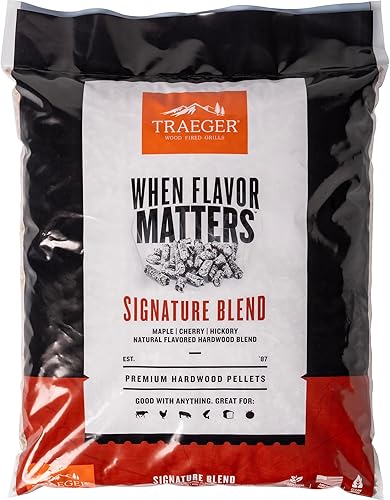 Best for a versatile wood blend
Traeger Signature Blend Wood Pellets for Pellet
Pellet grill vs charcoal grill: what is the main difference?
Pellet grills automate much of temperature control; charcoal grills let you shape a live fire with airflow and fuel. That difference affects setup, attention during a cook, and the kind of fire management you enjoy.
A pellet grill burns hardwood pellets in a powered cooking system. The Traeger Pro 22, for example, uses a Digital Pro Controller and has a 180°F to 450°F temperature range.
For another Traeger model, read the Woodridge pellet grill review. Compare Traeger Woodridge and Woodridge Pro to see how those models differ.
Charcoal grills burn charcoal in an open or enclosed fire area. You adjust vents or dampers to change airflow, then manage the coal bed as cooking proceeds.
Neither approach removes the need to pay attention. Pellet cooking still needs setup, fuel and power, while charcoal takes active fire adjustments.
Which gives you more temperature control?
Charcoal gives you direct control over airflow and fuel; a pellet controller handles routine temperature adjustment for you. Your preferred kind of control is the deciding point.
The Pro 22's Digital Pro Controller holds temperatures within plus or minus 15°F. That can help when a cook benefits from steady heat, though you still need to monitor food and the grill.
With charcoal, vents regulate airflow, which changes how the fire burns. The Weber Jumbo Joe Premium has adjustable aluminum dampers, and the Cuisinart grill has dual adjustable vents.
How much attention does a charcoal fire need?
Wind, lid openings and the amount of charcoal can all change how you manage the cook.
That involvement appeals to cooks who want to build and tune a fire. It can be less convenient when you prefer to set a temperature and focus on other tasks.
What does pellet automation change?
Pellet automation reduces the need to make frequent airflow adjustments. You set a cooking temperature, keep pellets available and rely on the powered controller to manage heat.
It doesn't make a pellet grill self-sufficient. You need an electrical connection, and you should follow the grill's instructions for startup, shutdown and cleaning.
Which fuel gives the flavor you want?
Charcoal brings the character of a coal fire, while pellets add wood smoke from the chosen blend. The best match depends on whether you want charcoal flavor, wood flavor or a combination of fuels.
The Traeger Signature Blend combines hickory, maple and cherry hardwoods. Traeger describes it as a versatile blend for foods including beef, poultry, pork, seafood and vegetables.
Charcoal lets you add smoking wood to shape smoke flavor, depending on your grill and method. Read our comparison of charcoal smokers and wood smokers for a closer look at how the fuel changes the cooking style.
If you are deciding whether charcoal is right for your setup, our article on whether a charcoal smoker is better than a gas smoker covers another common fuel choice.
Which works better for long, low-and-slow cooks?
A pellet grill suits cooks who value steady automated heat; charcoal suits cooks willing to manage fuel and airflow during a longer session. For a pellet cooker with a turning spit, compare pellet smokers with rotisserie.
Both can smoke low and slow when the grill supports the temperature and you tend the cook appropriately.
The Pro 22 has a low setting of 180°F and includes a built-in meat probe. The probe lets you monitor food temperature without opening the lid.
With charcoal, plan for fuel and airflow checks over time. Learn how to position your fire and wood for your equipment, and use a reliable thermometer to track the cook.
The right choice may depend on how often you smoke. If you cook long sessions regularly and want less fire tending, pellet automation can be appealing; if you enjoy the fire itself, charcoal may be more satisfying.
Which is better for grilling hot and fast?
Charcoal is a natural fit when you want to build a direct high-heat fire; a pellet grill offers a range of cooking modes with a set temperature. Check the temperature range of the exact grill before choosing it for frequent searing.
The Pro 22's stated range reaches 450°F. That provides options for grilling as well as smoking, baking, roasting and braising, but it doesn't mean every pellet grill reaches the same heat.
Charcoal gives you a direct path from a lit coal bed to high-heat grilling. You control how much fuel burns and where you place the food, which can take practice.
If your decision includes gas as well, compare gas, charcoal and pellet grills to see how the three fuel types differ.
How do setup and cleanup compare?
Pellet grills need power and pellets; charcoal grills need charcoal and a plan for ash. The setup that fits your outdoor space may matter as much as flavor and temperature.
A pellet grill's electrical requirement limits where you can place it unless you have a suitable outdoor outlet. Store pellets as directed and keep enough on hand for the cook.
Charcoal needs lighting time and safe ash handling after the fire is fully out. The Cuisinart grill has an ash base, while the Weber Jumbo Joe Premium has an aluminum ash catcher.
Both types need routine care. Clean cooking surfaces and grease areas according to the owner's manual, and don't leave hot ash or fuel unattended.
Which grill should you choose?
Choose a pellet grill if you want powered temperature control and wood smoke; choose charcoal if you want a live fire you can adjust directly. Your cooking habits and setup should decide the fuel, rather than a claim that one style is best for everyone.
The Traeger Pro 22 combines a digital controller, 572 square inches of cooking area and several cooking modes. It requires corded electricity, so make sure your outdoor location can support it.
Traeger Signature Blend pellets add hickory, maple and cherry to compatible pellet grills and smokers. Choose them when you want a blended wood flavor for different kinds of food.
The Weber® Jumbo Joe Premium Compact Charcoal Grill has 363 square inches of cooking area and adjustable dampers. It gives charcoal cooks more room while retaining manual fire control.
The Cuisinart Charcoal Grill offers a compact option with dual vents, a locking lid and 196 square inches of cooking area. It can suit smaller outdoor spaces where portability is useful.
How to choose between a pellet smoker and charcoal smoker
Pick the smoker you can fuel and manage consistently for the full cook. Pellet automation favors convenience, while charcoal gives you more direct involvement with the fire.
Choose a pellet smoker if you want a controller to manage heat and you have reliable power outdoors. For a vertical format, compare the best vertical pellet smokers.
Choose a charcoal smoker if you want to adjust vents, add fuel and control the fire by hand.
If you want to burn charcoal and wood in an offset setup, see our guide to the best offset smoker for charcoal and wood.
Is pellet or charcoal better for a first smoker?
A pellet grill can be easier to learn if you want a controller to handle routine temperature changes. Charcoal can be a good first choice if learning airflow and fuel management is part of the appeal.
Either way, start with a manageable cook and keep a record of your settings and results. Follow the owner's manual and use safe fuel handling practices.
Pellet grill vs charcoal grill: which is right for you?
Choose pellets for powered heat management and wood smoke; choose charcoal for direct fire control and coal flavor. If you enjoy managing the fire, charcoal can be rewarding, while a pellet grill fits cooks who prefer a steadier set temperature.
For a charcoal smoker, choose a model whose airflow setup and cooking space match the food you plan to make. For a pellet smoker, confirm the electrical setup, temperature range and pellet availability before you buy.
Frequently asked questions
Does a pellet grill taste like a charcoal grill?
A pellet grill gives food wood smoke from burning pellets, while a charcoal grill adds smoke from charcoal and any smoking wood you use. Flavor also depends on the fuel, cooking temperature, food and time over the fire.
Choose charcoal if you want to control a live coal fire yourself.
Is a pellet smoker easier to use than charcoal?
A pellet smoker is often easier for steady, long cooks because its controller manages the heat after you set it. A charcoal smoker asks you to manage fuel and airflow as the fire changes.
Pellet grills need electricity, while charcoal grills can cook without a power connection.
Can I use wood pellets in a charcoal smoker?
Some charcoal smokers can use wood pellets as added smoking fuel, but they aren't a direct replacement for charcoal unless the smoker is designed for pellets. Check your smoker's instructions before adding them.
For a closer look, see our guide to using pellets in a charcoal smoker.
Which is better for smoking brisket, pellet or charcoal?
Either can smoke brisket when you can hold a suitable low temperature for the full cook. A pellet grill reduces routine fire adjustments, while charcoal gives you direct control over fuel and airflow.
Pick the system you can monitor and manage comfortably for a long session.
Do pellet grills need electricity?
Most pellet grills use electricity to run their feed and temperature controls. The Traeger Pro 22 has a corded electric power source, so plan for a suitable outdoor connection.
A charcoal grill doesn't need electricity to burn charcoal, though any separate accessories may.