Types of Smokers: Which Should You Choose?
The best type of smoker depends on how you want to manage heat and fuel: electric and propane models simplify temperature control, pellet smokers automate a wood fire, and charcoal or offset smokers ask for more active fire tending.
On this page (5 sections)
The best type of smoker depends on how much control, convenience and fire tending you want. Electric and propane smokers simplify heat management, pellet smokers automate a wood fire, and charcoal or offset smokers give you a more direct role in tending fuel and airflow.
Start with your cooking routine: how often you'll smoke, what fuel you can store, and whether you want to check a fire throughout the cook. Those choices narrow the field faster than comparing smoker shapes alone.
What type of smoker is best for your cooking style?
Choose a smoker by matching fuel and fire control to your routine. The main types differ in how they make heat, how much attention they need and whether they rely on electricity.
| Smoker type | Heat source | Best fit | Main trade-off |
|---|---|---|---|
| Electric | Electric heating element | Simple heat control and low active tending | Needs an outlet; smoke flavor comes from added wood |
| Pellet | Wood pellets fed by an electric controller | Automated cooking with wood smoke | Needs electricity and a steady pellet supply |
| Charcoal | Charcoal, often with wood chunks | Direct fire control and fuel flexibility | Requires lighting and airflow management |
| Offset | Wood fire in a separate firebox | Cooks who want to manage a wood-burning fire | Needs regular fire tending and space |
| Propane or gas | Gas burner, often with wood chips for smoke | Convenient heat without a charcoal fire | Requires a propane supply and burner monitoring |
These are broad patterns, not guarantees for every model. Check the maker's instructions for fuel, temperature range, capacity and outdoor placement.
Which type of smoker is best for simple temperature control?
Electric smokers are a strong starting point if you want powered heat and don't want to tend charcoal. Pellet smokers also reduce routine fire management by feeding pellets through a controller.
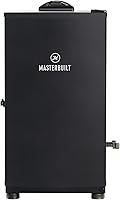
An electric smoker uses a heating element to warm the cooking chamber, with wood chips added for smoke. For a breakdown of electric designs, compare the types of electric smokers.
A pellet smoker burns compressed wood pellets, while its controller manages the feed and heat.
Both need access to electricity. For a closer comparison, see electric vs pellet smoker.
Which type of smoker gives you more fire control?
Charcoal and offset smokers give you a direct role in managing the fire. You'll adjust airflow and fuel as conditions change, which can suit cooks who enjoy controlling the process.
A charcoal smoker burns charcoal in its cooking chamber. An offset smoker burns wood or charcoal in a separate firebox, letting heat and smoke move into the main chamber.
For a layout comparison, see vertical versus offset smokers.
That involvement also takes attention. Compare charcoal vs electric smoker if you're weighing direct fire management against powered heat.
How do the main smoker types work?
Each smoker type creates heat differently, which shapes the work you'll do during a cook. Consider fuel access and the level of control you want before settling on a design.
Electric smokers: powered heat with added wood smoke
An electric smoker uses a heating element to warm the chamber, with wood chips supplying smoke. It can suit a cook who wants a simple heat source and less fuel management.
You'll still need to follow the model's setup and temperature instructions. The outlet also limits where you can place it, and wood chips need replenishing according to the maker's directions.
Choose electric if simple operation matters more than tending a live fire. If you want wood to be the main fuel, compare electric smoker vs wood smoker.
Pellet smokers: automated feeding with wood fuel
A pellet smoker burns wood pellets and uses an electric auger and controller to feed them into the fire. If US manufacturing matters to you, see how to choose a pellet smoker made in the USA.
That setup can reduce the need to add fuel by hand during a cook.
The controller and auger mean a pellet smoker depends on electricity. Keep compatible pellets on hand and follow the maker's cleaning and maintenance steps.
A pellet smoker suits you if you want wood fuel with automated heat management. Read What Is a Pellet Smoker? for a closer look at its parts and operation.
Charcoal smokers: direct control over a solid fuel fire
A charcoal smoker uses charcoal as its heat source, and some cooks add wood chunks for smoke. Airflow controls how the fire burns, so vent adjustments are part of the cooking process.
Charcoal can suit cooks who want to manage fuel and fire directly. It takes practice to maintain a steady cook, and you'll need a safe place to store fuel and dispose of cooled ash.
Compare charcoal smoker vs wood smoker if you're deciding whether charcoal or wood should fuel your smoker.
Offset smokers: a separate firebox for wood-fired cooking
An offset smoker has a firebox beside the main cooking chamber. Heat and smoke travel from the firebox into the chamber, and the cook manages the fire to maintain the cooking conditions.
This layout suits someone who wants to tend a wood-burning fire and has room for a larger smoker. It demands more active attention than a powered smoker, especially when learning how fuel and airflow affect the chamber.
See What Is an Offset Smoker? for an explanation of its layout and basic operation.
Propane and gas smokers: burner heat with wood for smoke
Propane and gas smokers use a burner for heat, with wood chips added when you want smoke. They can suit cooks who want gas heat without managing charcoal.
The burner still needs monitoring, and you must keep the correct fuel supply available. Read the model's instructions for lighting, ventilation and safe outdoor use.
If you are deciding between pellet and propane, our pellet vs propane smoker guide compares their fuel and control differences. For gas and electric options, see which smoker is better electric or gas.
Should you choose a smoker or a grill?
Choose a smoker if low-and-slow cooking is your main goal; choose a grill if you mostly want faster cooking over direct heat. Some products combine both uses, but the design and cooking range determine how well they fit each job.
A charcoal or pellet grill may smoke food at lower temperatures, while many dedicated smokers focus on holding heat and smoke for longer cooks. Don't assume that every grill works well as a smoker, or that a smoker replaces a high-heat grill.
Compare pellet grill vs charcoal grill if you want to weigh those fuel types. For a gas option, see gas vs charcoal grill and pellet grill vs gas grill.
If you're comparing all three common grill fuels, read gas vs charcoal vs pellet grills.
Which smokers and related products fit different needs?
These options illustrate different fuel and cooking layouts, so use them to connect the type of smoker to a practical need. Check each model's intended use before treating a grill as a smoker.
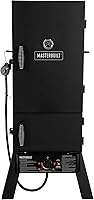
Masterbuilt dual-fuel vertical smoker
This vertical smoker offers propane and charcoal fuel options, so it may suit someone who wants to choose between burner heat and charcoal. It has 4 smoking racks, a push-button ignition and a built-in temperature gauge.
Its wood chip tray and water pan support smoking, while the locking door keeps the cooking chamber enclosed. Confirm which fuel setup you'll use and follow the model's instructions for operation.
Cuisinart charcoal grill
This portable charcoal grill is a related option for cooks who want a compact charcoal setup for grilling. It has dual vents and a locking lid, but its design is a grill rather than a dedicated smoker.
Consider it if portability and charcoal grilling matter more than a dedicated smoking chamber. Check the maker's guidance before using any grill for low-and-slow smoking.
Check that products match the cooking topic
One supplied product is an electric toothbrush, which has no use in choosing or operating a smoker. It isn't included as a recommendation because it does not solve this cooking problem.
How should you choose a smoker type?
Choose by fuel availability, desired attention and cooking purpose. If you want powered heat with minimal fire tending, start with electric; for automated wood fuel, consider pellet; for direct fire control, compare charcoal and offset; for gas heat, consider propane or gas.
Before you buy, check the smoker's fuel requirements, cooking capacity, temperature controls, cleaning needs and placement rules. Make sure you have the right outdoor space and a reliable supply of its fuel.
If you want the simplest shortlist, pick electric for straightforward powered heat, pellet for automated wood smoke, charcoal for direct fuel control, offset for tending a separate fire, and propane for burner heat with wood chips. Use the linked comparisons above to narrow the fuel choice that fits your routine.
Frequently asked questions
What type of smoker is best for beginners?
Electric smokers are often a straightforward starting point because they use powered heat and don't require you to manage a charcoal bed. Pellet smokers also automate fuel feeding, though they need pellets and electricity.
Check the controls, capacity and fuel availability before choosing.
Which smoker gives the strongest wood smoke flavor?
An offset smoker burning wood gives you direct control over a wood fire, while charcoal smokers can use wood chunks for added smoke. Flavor also depends on the wood, airflow, food and cooking time, so the smoker type alone can't guarantee a particular result.
Are pellet smokers easier than charcoal smokers?
Pellet smokers typically feed wood pellets through an electric controller, which reduces routine fire tending. Charcoal smokers require you to light and manage the fuel and airflow, but give you direct control over the fire.
Choose based on how much active attention you want to give a cook.
Can you use a smoker as a grill?
Some smoker designs can also grill, but many are built mainly for low-and-slow cooking. Check the maker's intended cooking methods and temperature range before buying.
A dedicated grill may suit you better if you mostly cook over high heat.
Do all smokers need electricity?
No. Electric smokers and most pellet smokers need an outlet, while charcoal, wood and propane smokers can operate without household power.
Some gas models use electricity for ignition or controls, so check the specific model's power needs before choosing a location.