Charcoal vs Wood Smokers: Which Should You Choose? (November 2026)
Pick charcoal if you want direct heat control and strong heat for searing, and pick wood if you want wood flavor as the main fuel. In a charcoal smoker vs wood smoker choice, the fuel you enjoy tending matters more than the label on the cooker.
On this page (10 sections)
- Charcoal smoker vs wood smoker: the quick verdict
- Heat control: charcoal vs wood burning
- Flavor: charcoal, wood chips and wood splits
- Fuel, cost and storage compared
- Ease of use for beginners
- Capacity and batch size
- Size, weight and where it will live
- Set up, care and safety
- Who should buy charcoal
- Who should buy wood, and the final verdict
Charcoal gives you direct fire control, while wood gives you smoke as the main event.
A charcoal smoker vs wood smoker decision is really about fuel, attention and the flavor you want on the food.
Charcoal burns hot and needs tending.
Wood splits burn for flavor and heat, but they ask for more skill and patience.
We compared the specs and features of 4 smokers that cover both paths.
Two use charcoal as the heat source.
Two use electric heat with wood chips for flavor.
That mix shows why the fuel label alone does not tell the whole story.
If you want true wood-split smoking, look for a cooker built for splits, not just any smoker.
If you want charcoal heat with wood flavor, add wood chunks or chips to a charcoal fire.
The picks below help you match the fuel to your habits.
Our score weighs specs, features and buyer feedback against what you are shopping for.
Prices, star ratings and review counts are left out on purpose.
Use the specs to judge fit for your space, batch size and cook style.
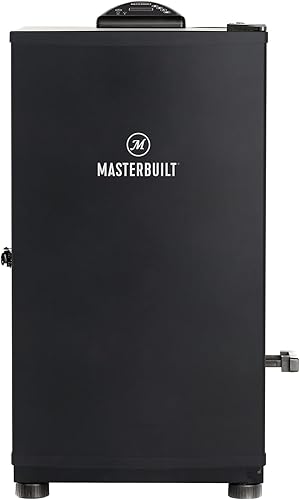 Best for set-and-forget wood flavor
Masterbuilt® 30-inch Digital Electric Vertical BBQ Smoker
 Best for offset charcoal smoking
Royal Gourmet CC1830S BBQ Charcoal Grill
Charcoal smoker vs wood smoker: the quick verdict
Charcoal wins for accessible heat control, and wood wins for pure smoke flavor.
Charcoal is easier to light, easier to buy and easier to move between grilling and smoking.
Wood splits take longer to catch, need dry storage and reward close attention.
A charcoal cooker can also burn wood on top of the coals.
That hybrid path is common.
You get a coal bed for heat and wood for flavor, without giving up the charcoal base.
A true wood smoker asks you to manage splits as the main fuel.
You control heat by adding splits, moving them and adjusting air.
That work changes the flavor in ways charcoal plus a little wood may not match.
If you are new, start with charcoal and learn fire control first.
If you already like tending fire for hours, test a wood-burning setup next.
The right choice is the one you will use often.
Our guide to what type of smoker is best helps you place these fuels in a wider choice.
Read it if you are still weighing electric, pellet and offset options too.
Heat control: charcoal vs wood burning
Charcoal gives faster, more direct heat control, while wood gives slower, more gradual control.
With charcoal, you spread coals, adjust vents and move food closer or farther from the heat. With wood splits, you manage the size of the coal bed and the flow of fresh splits.
The Royal Gourmet CC1830S uses an adjustable charcoal pan. You raise or lower it to change the distance between food and heat source, which changes cooking intensity without rebuilding the fire.
Its lid thermometer gives a quick read on cooking temperature.
The Weber Smokey Mountain Cooker Smoker uses dampers to control temperature. Its silicone temperature grommet helps you monitor internal temperature while the lid stays closed.
Electric smokers hold temperature with a thermostat or digital controls. The Masterbuilt uses thermostat-temperature control for even, consistent smoking, and the EAST OAK uses digital controls for time and temperature.
Those systems reduce fire tending, but they do not replace wood splits as fuel. Wood splits need a different rhythm, as you add a split, wait for it to catch and watch the smoke change.
Too much fresh wood can cool the fire or make thick smoke, and too little wood can let heat fall. That learning curve is part of the appeal for many cooks.
Flavor: charcoal, wood chips and wood splits
Charcoal adds a clean, hot grill flavor; wood adds depth and aroma that charcoal alone cannot match.
Many cooks use both.
Charcoal supplies heat, and wood supplies the smoke profile for ribs, brisket and pork.
Wood chips burn faster than splits.
They work well in electric smokers and in charcoal cookers when you want steady smoke.
The Masterbuilt side wood chip loader lets you add chips without opening the door.
The EAST OAK side chip loader also adds chips without opening the main door.
Wood splits burn longer and can shape flavor over a full cook.
They suit offset cookers where smoke travels across the food.
The Royal Gourmet offset smoker is firmly attached to the charcoal grill to circulate heat and smoke.
That design pairs charcoal heat with smoke movement.
If you want strong wood flavor, budget time for splits and a cooker made for them.
If you want moderate wood flavor with less fuss, chips in a charcoal or electric cooker may fit better.
Taste also depends on wood type, so start with small amounts and adjust.
Pellet grills sit in a different lane.
Our pellet grill vs charcoal grill comparison covers that choice if pellets are on your list.
Fuel, cost and storage compared
Charcoal is easier to store and buy; wood splits take more space and need dry storage.
A bag of charcoal fits in a small area and stays ready for a quick cook.
Splits need stacking, airflow and protection from rain.
Fuel cost depends on local prices and cook length.
Charcoal spreads heat well for grilling and smoking.
Wood splits can be economical if you have a good local source.
Chips cost more per cook in some areas, but you use less of them.
Storage matters before you buy.
Splits for a long brisket cook take real room.
Chips and charcoal take less space and are easier to keep dry.
Ask where you will store fuel through wet seasons, not just on a sunny day.
Ash handling differs too.
Charcoal leaves ash you remove through a door or grate.
Wood splits leave coals and ash as well.
The Royal Gourmet has a side door to add charcoal and remove ashes.
The Weber fuel door comes off to make adding charcoal and wood easier while smoking.
Electric smokers need power, not fuel storage for heat.
The Masterbuilt and EAST OAK still need wood chips for flavor.
That split between heat source and flavor source is a key reason they feel simpler to run.
Ease of use for beginners
Charcoal is usually easier for beginners than wood splits, and electric with chips is easiest of all.
Charcoal lights faster than splits and gives clear feedback through heat and color.
You can learn vent control on a short cook before you try an overnight brisket.
Electric smokers remove fire management from the heat side.
You set temperature and time, then add chips through the side loader.
The Masterbuilt digital panel controls on/off, cooking temperature and time.
The EAST OAK digital controls set time and temperature, then hold the cook.
Offset charcoal smoking is a middle path.
The Royal Gourmet CC1830S pairs a charcoal grill with an offset smoker.
You still manage charcoal, but the offset chamber helps move smoke across food.
Its front and side tables give workspace for seasonings and tools.
The Weber is compact and direct.
Its 2 cooking grates provide room for 2 large items at once.
Dampers adjust heat while you learn charcoal control.
At 23 lb, it is also easier to move than larger vertical smokers.
For a beginner who wants wood flavor, chips are a gentle start.
For a beginner who wants fire skills, charcoal is a clear teacher.
Wood splits can wait until you enjoy long cooks and want more control over smoke.
Capacity and batch size
Charcoal offsets and vertical smokers give more batch room than a compact 14-inch cooker.
Capacity should match the food you actually cook.
A large cooker that you fill only once a month may not beat a smaller one you use weekly.
The Royal Gourmet has 824 square inches total.
That figure includes 475.3 square inches of main grates, a 151 square inch warming rack and a 197.3 square inch offset smoker.
It suits grilling for a group and smoking in the offset chamber.
The Masterbuilt has 710 cooking square inches.
Masterbuilt says it can smoke up to 6 chickens, 2 turkeys, 4 racks of ribs or 4 pork butts.
Those examples show how vertical racks stack food without a wide footprint.
The EAST OAK has 725 square inches of cooking area.
EAST OAK says it can load full racks of ribs, multiple whole birds or multiple cuts at once.
Its 4 removable racks help you load and clean the cooker.
The Weber has 2 cooking grates for 2 large items at once.
That layout suits a pair of pork butts, 2 chickens or a smaller set of ribs.
If you often cook for a crowd, capacity may push you to a larger cooker.
Size, weight and where it will live
Measure your space before you choose, since vertical smokers and offset carts use space in different ways.
Height matters for storage and for loading racks.
Width matters for an offset cart.
Weight matters if you move the cooker often.
The Royal Gourmet measures 28.56 x 51.69 x 46.89 inches.
Its cart layout includes front and side tables.
That width needs a clear patio or deck area, plus room to stand at the tables.
The Masterbuilt measures 19.8 x 20.9 x 33.3 inches and weighs 45.9 lb.
Its vertical shape keeps the footprint compact while racks add cooking space.
You still need room to open the door and use the side loader.
The EAST OAK measures 15.35 x 17.32 x 32.2 inches and weighs 52.3 lb.
Its tall, narrow shape fits a tighter corner.
The clear viewing window helps you check food without opening the door.
The Weber measures 14.7 x 14.7 x 31.4 inches and weighs 23 lb.
It is the easiest pick here to move and store.
Its cylindrical shape also fits a balcony or small patio more easily.
Set up, care and safety
Set up each cooker on a level, stable surface away from buildings and dry plants.
Charcoal and wood need ventilation and a safe ash area. Electric smokers need a suitable outlet and dry footing.
User assembly is required for the Royal Gourmet CC1830S. Plan time for assembly before your first cook, and check that the offset smoker, grates, tables and charcoal pan sit firmly before you light a fire.
The Weber has a porcelain-enameled lid, bowl and center section that retain heat and will not rust or peel. Clean grates and drip areas after cooks, and let ash cool fully before you remove it.
The Masterbuilt has a fully-insulated body that retains heat. Its included parts include a water bowl, wood chip tray, drip pan, grease tray, 4 racks and a wood chip loader, so clean racks and trays often to stop smoke and drippings building up.
The EAST OAK includes a grease tray, smoker assembly, smoker box and water bowl. Its built-in meat probe tracks internal temperature in real time, and it stops automatically and switches to keep-warm mode when the target time is reached.
Keep a fire extinguisher nearby for charcoal and wood cooks. Never use charcoal indoors or in a closed garage, let coals and ash cool completely before storage, and keep children and pets away from hot surfaces.
Who should buy charcoal
Buy charcoal if you want direct heat, grilling flexibility and a fire you can adjust fast.
Charcoal suits burgers, steaks, ribs and chicken when you want searing heat plus smoke.
It also suits cooks who like to tend vents and move coals.
The Royal Gourmet is the charcoal pick for larger groups.
Its 824 square inches and offset smoker give you grilling space and a smoking chamber.
Its adjustable lifting rack changes the distance between food and heat source.
The Weber is the charcoal pick for compact spaces.
Its 14-inch size, 2 grates and damper control suit smaller batches.
Its fuel door helps you add charcoal and wood while smoking.
Charcoal also fits cooks who want to add wood in small amounts.
You can place wood chunks or chips on hot coals for extra flavor.
That approach teaches smoke control without asking you to run a full split fire.
If your main goal is grilling with some smoking, charcoal is a strong first choice.
If your main goal is long, low smoking with wood flavor, read the next section before you decide.
Who should buy wood, and the final verdict
Buy wood as the main fuel if you want deep smoke flavor and enjoy tending a fire for hours.
Wood splits reward patience and skill. They also ask for dry storage, longer light times and close attention to air flow.
For a more guided wood path, electric smokers with wood chips give flavor with steadier heat. The Masterbuilt uses a side wood chip loader so you can experiment without opening the door, and the EAST OAK uses a side chip loader and a built-in meat probe for closer monitoring.
Our electric smoker vs wood smoker guide helps if you are torn between electric heat and true wood fuel. Our charcoal vs electric smoker guide helps if charcoal control is the main appeal.
You can also read about the Best Offset Smoker For Charcoal And Wood if you want one cooker for both fuels. That path often gives you charcoal heat with wood smoke across the food.
For chips in a charcoal cooker, Can You Use Wood Pellets in a Charcoal Smoker? is a useful check before you improvise with fuel.
Pick charcoal for flexible heat and easier starts, and pick wood for flavor you want to build slowly. If you cook often and want control, start with the Royal Gourmet or Weber.
If you want wood flavor with less fire tending, start with the Masterbuilt or EAST OAK.


