Can You Use Wood Pellets in a Charcoal Smoker?
On this page (7 sections)
Yes, you can use wood pellets in a charcoal smoker, but not directly as a primary fuel source. Wood pellets are designed for pellet grills, which have specific mechanisms for feeding and burning them. Using them in a standard charcoal smoker requires a clever workaround, typically involving a pellet tube or smoker box. This allows you to generate smoke without altering your smoker’s design.
Many smokers are built to burn charcoal briquettes or lump charcoal for heat and flavor. Wood pellets offer a convenient way to add smoke, but their form factor means they won’t burn efficiently on their own in a charcoal pit. You’ll need a way to contain them and allow them to smolder, producing that delicious smoke you’re after. This method can be a great way to experiment with different wood flavors.
- Wood pellets are designed for pellet grills, not directly for charcoal smokers.
- You need a smoker tube or box to use pellets effectively in a charcoal smoker.
- This setup smolders the pellets to create smoke.
- It’s a good way to add extra wood smoke flavor.
Let’s walk through exactly how you can achieve this smoky goodness using wood pellets in your charcoal setup.
Getting Smoke from Wood Pellets in Your Charcoal Smoker
Yes, you absolutely can introduce wood pellet smoke to your charcoal smoker. It’s a fantastic way to add a different dimension of flavor to your barbecue. You don’t need a fancy pellet grill to achieve this. The secret lies in how you present the pellets to the heat.
Your charcoal smoker is designed to burn charcoal for heat and smoke. Wood pellets, on the other hand, are compressed sawdust. They burn very efficiently in pellet grills, which have a controlled feeder and auger system. In a charcoal smoker, they’d likely just burn too hot or too fast if you tossed them directly onto the coals.
So, how do we make this work? We need a way for the pellets to smolder slowly, releasing that delicious smoke. This typically involves a specialized tool that holds the pellets and allows them to burn indirectly, creating smoke that drifts into your cooking chamber.
Understanding the Tools: Pellet Tubes and Smoker Boxes
There are two primary tools that make using wood pellets in a charcoal smoker possible: pellet tubes and smoker boxes. Both serve the same basic purpose, but they have slight differences in how they operate and the results they produce.
The Versatile Pellet Tube
A pellet tube is exactly what it sounds like: a long, perforated tube. You fill it with wood pellets, light one end, and then let it smolder. These tubes are very popular because they are relatively inexpensive and easy to use. They are also quite versatile and can be used in various smokers, including kettle grills, offset smokers, and even electric smokers.
The design allows for good airflow, which is key to a consistent smolder. You’re essentially creating a slow-burning smoke generator. The amount of smoke produced can be adjusted by how much you fill the tube and how you position it.
How Pellet Tubes Work
You typically fill the tube with your desired wood pellets. Many tubes have a cap on one end and an open end, or perforations along the sides. You then use a torch or lighter to ignite the pellets at the open end for a few minutes until they are glowing. After that, you blow out any open flame, and the pellets will begin to smolder, producing smoke.
The beauty of the tube is its simplicity. It doesn’t require any modification to your existing smoker. You can simply place it on the grill grates or directly on the coals (if you’re careful). The perforation allows the smoke to escape while the pellets burn down slowly over several hours.
The Classic Smoker Box
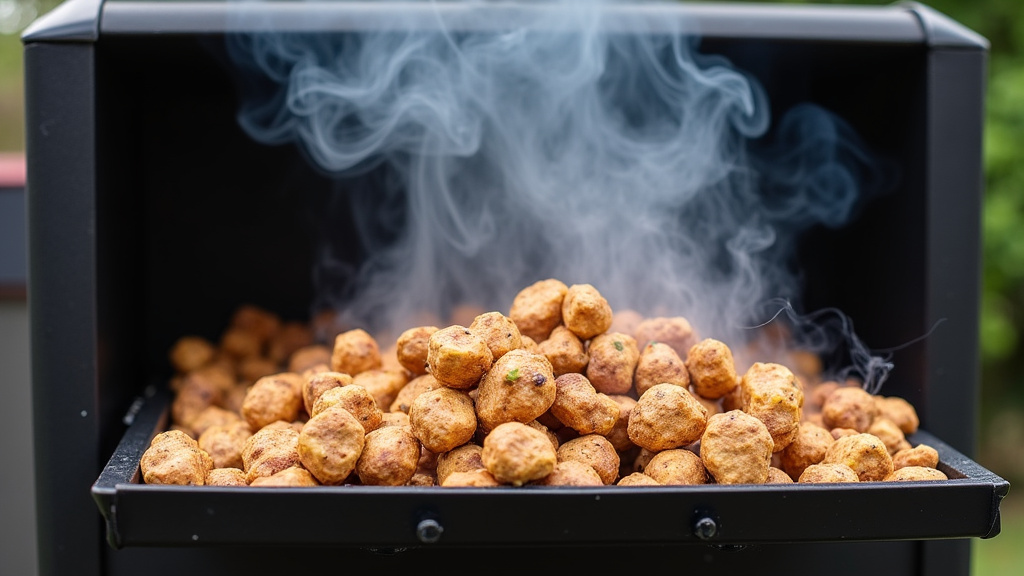
A smoker box is another popular option. These are typically made of metal (often stainless steel) and have a lid. You fill the box with wood pellets or wood chips, close the lid, and place it on the hot coals or near the heat source in your smoker. The heat from the charcoal causes the pellets inside to smolder and produce smoke.
Smoker boxes can sometimes be a bit more robust than tubes. They tend to hold more material, potentially offering a longer smoke session. They are also very straightforward to use, making them a great choice for beginners.
Using a Smoker Box Effectively
Similar to the pellet tube, you’ll fill the smoker box with your chosen wood pellets. Don’t pack it too tightly; give the smoke some room to escape. Place the box directly on the charcoal grate, or if you have a large enough cooking area, on the main cooking grate. Ensure it’s positioned so it receives radiant heat from the charcoal below.
The lid on a smoker box helps to contain the heat and encourages the pellets to smolder rather than combust. You might find that the smoke production is a bit more consistent than with a tube, especially in windy conditions. We found that keeping a bit of airflow to the box helps maintain the smolder.
Choosing Your Wood Pellets: Flavor Matters!
The type of wood pellet you choose will significantly impact the flavor of your food. This is where the fun really begins! You’re not limited to the smoke from your charcoal alone anymore. You can pair different wood flavors with different types of meat for some truly amazing results.
Common Wood Pellet Flavors and Their Pairings
Wood pellets come in a wide array of wood types, each offering a unique smoke profile. Here are some of the most common ones and what they are typically paired with:
- Hickory: A classic, strong, and smoky flavor. It’s very versatile and works well with pork, beef, and poultry. Many pitmasters consider hickory a staple for barbecue.
- Mesquite: Known for its intense, bold, and slightly sweet flavor. It’s fantastic for beef, especially steaks, and also good for game meats. Use it judiciously, as it can be overpowering.
- Oak: A milder, more delicate smoke flavor than hickory. It’s excellent for larger cuts of beef (like brisket) and pork shoulders, as well as fish and poultry. Many people find oak to be a safe and reliable choice.
- Apple: A very mild, sweet, and fruity smoke. It’s perfect for pork, chicken, and lighter meats where you don’t want a strong smoke flavor. It’s also great for baked goods!
- Cherry: Another mild, sweet, and fruity option. Cherry adds a beautiful reddish hue to poultry and pork. It’s wonderful for ribs and anything you want to impress guests with.
- Pecan: Similar to hickory but with a slightly sweeter, milder, and nuttier profile. It’s a favorite for pork, poultry, and even desserts.
Mixing and Matching for Unique Smoke
Don’t be afraid to get creative! You can mix different types of wood pellets in your tube or smoker box to create your own signature smoke blend. For instance, a mix of hickory and apple can offer a balanced smoky and slightly sweet flavor. Oak and cherry can provide a mellow smokiness with a hint of fruitiness.
We found that many people enjoy experimenting with blends. A popular combination for pork is hickory and pecan. For beef, a mix of oak and mesquite can give you a robust flavor. The possibilities are nearly endless, allowing you to tailor the smoke to your specific taste preferences.
| Wood Type | Flavor Profile | Best For |
|---|---|---|
| Hickory | Strong, smoky, classic | Pork, Beef, Poultry |
| Mesquite | Intense, bold, slightly sweet | Beef, Steaks, Game |
| Oak | Mild, delicate, balanced | Beef Brisket, Pork Shoulder, Fish |
| Apple | Mild, sweet, fruity | Pork, Chicken, Lighter Meats |
| Cherry | Mild, sweet, fruity, color | Pork Ribs, Poultry, Bacon |
| Pecan | Sweet, nutty, milder than hickory | Pork, Poultry, Desserts |
The Process: Step-by-Step to Pellet Smoke
Ready to give it a try? Using wood pellets in your charcoal smoker is a straightforward process. It mainly involves preparing your smoker with charcoal, then adding your pellet smoker tool.
Step 1: Prepare Your Charcoal Base
Start by setting up your charcoal smoker as you normally would for a long cook. Whether you’re using a kettle grill, an offset smoker, or another type, get your charcoal lit and arranged for indirect heat. You want a bed of hot coals that will provide a steady temperature without directly searing your food.
For kettle grills, this often means piling coals on one side to create a hot zone and a cooler zone. In offset smokers, you’ll manage the fire in the firebox. The goal is to maintain a consistent cooking temperature, typically between 225°F and 275°F, for smoking.
Step 2: Add Your Pellet Tube or Smoker Box
Once your charcoal is ready and the temperature is stabilizing, it’s time to introduce your pellet smoke generator. If you’re using a pellet tube, light one end according to its instructions, let it catch for a few minutes, then blow out the flame so it smolders. Place the smoldering tube on the cooking grate, away from your main heat source.
If you’re using a smoker box, fill it with pellets, close the lid, and place it directly on the charcoal grate or the cooking grate, ensuring it’s near the heat but not directly in the flames. This placement is key to achieving a slow smolder.
Step 3: Monitor and Maintain
Keep an eye on your smoker’s temperature. The addition of the pellet tube or box shouldn’t drastically alter your cooking temperature, but it’s always good to be aware. Your primary job is to manage the charcoal to keep the temperature steady.
The pellet tube or box will smolder for several hours, depending on how full it is and the ambient conditions. You’ll see a steady stream of smoke. After it’s done producing smoke, it will simply burn out. You can add more pellets to a tube or box if you need a longer smoke, but it’s usually best to do this before the current load completely burns out.
Tips for Success and Common Pitfalls
While using wood pellets in a charcoal smoker is quite forgiving, a few tips can help you get the best results and avoid common mistakes. We’ve gathered some advice that should make your smoking sessions smoother.
Getting the Best Smoke Quality
For the cleanest smoke, ensure your pellets are fully smoldering, not actively flaming. Flames produce creosote, which can lead to a bitter taste on your food. If you see flames, try to blow them out. The smoke should be thin and bluish, often referred to as “thin blue smoke,” not thick and white.
Using high-quality, food-grade wood pellets is also important. Pellets made for stoves can sometimes have binders or oils that aren’t ideal for cooking. Always look for pellets specifically marketed for smoking or grilling.
Things to Watch Out For
One common issue is not getting enough smoke. This can happen if the pellet tube or box isn’t getting enough heat or airflow. Experiment with placement. Another pitfall is getting too much smoke, which can make your food taste bitter. This is often a result of thick, white smoke. Remember, thin blue smoke is your friend!
Overfilling the tube or box can sometimes hinder airflow, leading to poor smoldering. Start with a moderate amount and see how it performs. You can always add more next time. Weather conditions, like strong winds, can also affect the smolder. Sometimes, you might need to shield your smoker or adjust the placement of your smoke generator.
Here’s a quick checklist to keep in mind:
- Use food-grade wood pellets.
- Ensure pellets are smoldering, not flaming.
- Aim for thin, blue smoke.
- Position the tube/box for optimal airflow and heat.
- Monitor your smoker’s temperature consistently.
- Don’t overpack the pellets in your tool.
Conclusion
So, you’ve learned that using wood pellets in your charcoal smoker is absolutely achievable, and it’s a fantastic way to expand your flavor repertoire. By using simple tools like pellet tubes or smoker boxes, you can easily introduce delicious, smoldering smoke without needing a whole new grill. It’s all about letting those pellets smolder indirectly to create that perfect “thin blue smoke.” Now that you know the tools and the techniques, it’s time to grab some of your favorite wood pellets and fire up your smoker for a whole new barbecue adventure!
Frequently Asked Questions
Can I just toss wood pellets directly onto my charcoal?
No, you shouldn’t toss wood pellets directly onto your charcoal. They are designed to burn hotter and faster in pellet grills. In a charcoal smoker, they’d likely flare up and burn too quickly, producing bitter smoke instead of a nice, consistent smolder.
How long does a pellet tube or smoker box typically last?
The burn time can vary depending on the size of the tube or box, how densely you pack it, and ambient conditions. Generally, a filled pellet tube or smoker box can provide smoke for 2 to 4 hours. You can often refill them for longer smoke sessions if needed.
What’s the difference between using wood pellets and wood chips in a smoker box?
Wood pellets offer a more consistent and longer-lasting burn compared to wood chips. Chips tend to ignite more quickly and burn out faster, sometimes producing more of a quick burst of smoke. Pellets are better for achieving a slow, smoldering smoke over an extended period.
Will using wood pellets affect my smoker’s temperature?
Generally, using a pellet tube or smoker box won’t drastically change your smoker’s temperature. The goal is smoldering, not combustion. Focus on maintaining your charcoal heat source, and the added smoke from the pellets should not cause significant temperature fluctuations.
Is “thin blue smoke” really that important?
Yes, “thin blue smoke” is very important for flavor. It indicates that your wood is smoldering cleanly and producing the best smoke flavor. Thick, white smoke often means your wood is burning too hot or improperly, which can impart a harsh, bitter taste to your food.