
What Is the Difference Between Hot Smoking and Cold Smoking?
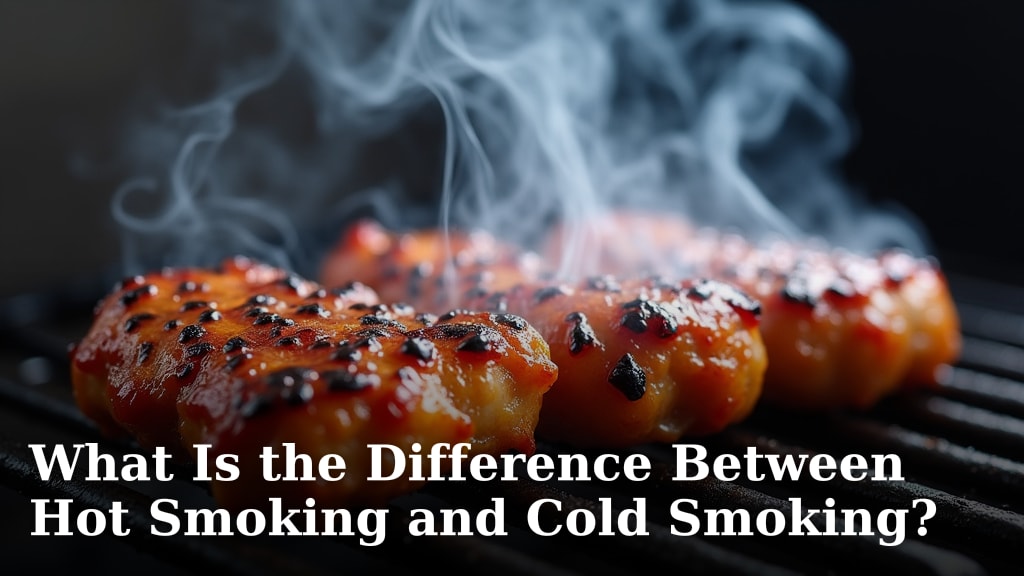
The main difference between hot smoking and cold smoking lies in the temperature. Hot smoking cooks and smokes food simultaneously at higher temperatures, while cold smoking smokes food at much lower temperatures without cooking it. This means hot smoking is great for foods you’ll eat soon, like fish or ribs, and cold smoking is used for preservation or flavor infusion, like for jerky or cheese.
Understanding this temperature difference is key to achieving your desired results. Many home cooks wonder which method is best for their next barbecue. We found that while both methods impart delicious smoky flavor, the cooking process and the final texture are entirely different. It really comes down to what you want to make.
- Hot smoking cooks and smokes at high heat.
- Cold smoking smokes at low heat, without cooking.
- Hot smoking is for ready-to-eat foods.
- Cold smoking is for preservation and deep flavor.
- Temperature is the biggest deciding factor.
Let’s walk through exactly how hot smoking and cold smoking work, so you can pick the perfect method for your next culinary adventure. You can explore the differences between pellet and offset smokers to see which best suits your cooking style.
Hot vs. Cold Smoking: Understanding the Key Differences
Deciding between hot smoking and cold smoking often comes down to one major factor: temperature. These two smoking methods might sound similar, but they produce vastly different results. One cooks your food while it smokes, and the other just infuses it with smoky flavor. We’ve found that grasping this temperature difference is essential for culinary success.
Think of it like this: hot smoking is like grilling with a smoky twist. Cold smoking is more like a long, slow flavor bath. We’ll break down exactly what happens in each process so you can master your next smoky dish.
What Happens During Hot Smoking?
Hot smoking is the more common method for home cooks. It involves cooking food at higher temperatures. We found that the goal here is to cook the food through while simultaneously infusing it with delicious smoke flavor. This method is great for meals you plan to eat right away.
The temperatures for hot smoking typically range from 140°F to 225°F (60°C to 107°C). These temperatures are high enough to cook most foods safely. You’ll usually see this method used for ribs, chicken, pork shoulder, and even some types of fish.
How the Heat Works in Hot Smoking
In hot smoking, the heat source is close to the food. This could be charcoal, wood chips, or even gas. The heat cooks the food directly. At the same time, the wood is generating smoke. This smoke then coats and flavors the food as it cooks. You can learn how to smoke meat on a gas grill if you don’t have a dedicated smoker.
We found that the combination of heat and smoke is what makes hot-smoked food so appealing. It creates tender, juicy results with a wonderful smoky aroma. It’s a fantastic way to prepare hearty meals that everyone will enjoy.
Cooking and Smoking Together
The beauty of hot smoking is its efficiency. You’re accomplishing two things at once: cooking and flavor infusion. This means less time overall compared to some other methods. We’ve seen that many barbecue enthusiasts love hot smoking for this reason.
What Foods Benefit from Hot Smoking?
Many foods are perfect candidates for hot smoking. Consider larger cuts of meat like briskets or pork butts. Poultry, such as whole chickens or turkey legs, also do very well. You can even hot smoke vegetables and cheeses, although you need to be careful with the cooking times for delicate items.
For example, if you’re looking to make fall-off-the-bone ribs, hot smoking is likely your best bet. The prolonged cooking time at these temperatures breaks down connective tissues beautifully, resulting in that signature tender texture. We found that the rendered fat also carries a lot of smoke flavor deep into the meat.
Understanding the Cold Smoking Process
Cold smoking is a different beast altogether. The key here is very low temperatures. We found that the primary goal of cold smoking is to impart flavor without cooking the food.
Temperatures for cold smoking are typically kept below 80°F (27°C), and often much lower, sometimes as low as 60°F (15°C). These temperatures are too low to cook food safely. Therefore, you should only cold smoke foods that are already cured or cooked, or foods you intend to cook later.
Why Low Temperatures Matter in Cold Smoking
The reason for keeping temperatures low is simple: you want to avoid cooking the food. The smoke itself is what adds flavor and, in some cases, helps with preservation. If the temperature rises too high, the food will start to cook, changing its texture and potentially making it unsafe if not cooked through.
We found that specialized equipment is often used for cold smoking. This equipment separates the heat source from the smoking chamber. This allows smoke to travel to the food without transferring much heat. It’s all about the smoke!
Flavor Infusion Without Cooking
Cold smoking is all about flavor. You’re essentially bathing your food in smoke. This is perfect for items where you want a deep, complex smoky taste but don’t want to alter the texture through cooking. We’ve seen this method used for salmon, cheese, nuts, and even cocktails.
Foods Best Suited for Cold Smoking
Because cold smoking doesn’t cook food, you need to be mindful of what you’re smoking. Think about foods that are already safe to eat raw or that will be cooked later. Cured meats, like bacon or ham, are excellent candidates.
Smoked salmon, often called lox, is a prime example of cold-smoked food. It’s cured first, then cold smoked to give it that unmistakable flavor and silky texture. Cheeses are also very popular for cold smoking. The smoke adds a wonderful dimension without melting the cheese.
Preservation Through Cold Smoking
Historically, cold smoking was a crucial preservation technique. The smoke contains compounds that have antimicrobial properties. Combined with curing agents like salt, cold smoking could extend the shelf life of food significantly.
We found that while modern refrigeration has reduced the need for smoking as a primary preservation method, the flavor benefits remain. It still imparts a long-lasting smoky taste that many people crave. This method allows for a deep penetration of smoke flavor, making it ideal for items that need to keep.
Key Differences at a Glance
To make things crystal clear, let’s summarize the main distinctions between hot and cold smoking. Understanding these will help you choose the right method for your culinary goals. We’ve put together a handy comparison table for you.
| Feature | Hot Smoking | Cold Smoking |
|---|---|---|
| Temperature Range | 140°F – 225°F (60°C – 107°C) | Below 80°F (27°C), often lower |
| Cooking Involved? | Yes, cooks food thoroughly | No, food is not cooked |
| Primary Goal | Cook and flavor food simultaneously | Infuse flavor, preserve (historically) |
| Food Safety Consideration | Cooks to safe internal temperatures | Requires pre-cured or pre-cooked food |
| Typical Foods | Ribs, chicken, pork shoulder, brisket | Salmon (cured), cheese, nuts, jerky (pre-cooked) |
| Texture Outcome | Tender, moist, often fall-apart | Retains original texture, silky (for fish) |
Choosing Your Smoking Method: A Quick Checklist
Still wondering which method is right for you? Let this simple checklist guide your decision. We found that asking yourself these questions can really help narrow down the options.
- Do you want to cook your food *during* the smoking process? (Hot smoking)
- Are you aiming for tender, slow-cooked results? (Hot smoking)
- Do you want to add smoky flavor to something already cooked or cured? (Cold smoking)
- Is your priority deep flavor infusion without changing the food’s texture? (Cold smoking)
- Are you looking for a quick meal preparation? (Hot smoking)
- Do you have the equipment to maintain very low temperatures? (Cold smoking)
By considering these points, you’ll be well on your way to choosing the perfect smoking technique for your next culinary creation. Each method offers a unique path to delicious, smoky goodness!
Conclusion
You’ve learned the core differences between hot and cold smoking, and it all comes down to temperature. Hot smoking cooks your food while infusing it with smoke, perfect for delicious, ready-to-eat meals like ribs or chicken. Cold smoking, on the other hand, uses very low temperatures to add deep smoky flavor without cooking, ideal for preserving or enhancing foods like cured salmon or cheese. Now that you understand these distinct processes, you can confidently choose the right method for your next culinary adventure. Start by planning your first smoky creation based on what you want to achieve!
Frequently Asked Questions
Can I use the same smoker for hot and cold smoking?
It depends on your smoker. Some smokers are designed for both methods, often with accessories to control temperature. For cold smoking, you might need to set up a separate smoke generator to keep the heat away from your food. Always check your smoker’s manual for its capabilities.
Is cold smoked food safe to eat if it’s not cooked?
Only if the food is properly cured or was already cooked before smoking. Cold smoking temperatures are too low to kill bacteria. Foods like cured salmon, aged cheeses, or pre-cooked jerky are safe to eat after cold smoking, but raw meats would need further cooking.
How do I get more smoke flavor with hot smoking?
You can increase smoke flavor in hot smoking by using the right type of wood (like hickory or mesquite), using wood chunks instead of just chips, and ensuring good airflow in your smoker. Don’t open the lid too often, as this lets the smoke escape.
What’s the easiest way to start cold smoking at home?
Many people start cold smoking by using a dedicated cold smoke generator that attaches to their existing grill or smoker. This device produces smoke away from the heat source. Alternatively, you can use a pellet smoker with specific cold smoke attachments.
Can I hot smoke something and then cold smoke it later?
Yes, you absolutely can! This is often done for products like bacon. You might hot smoke bacon to cook it and give it an initial smoky flavor, then follow up with a period of cold smoking to develop a deeper, more intense smoke profile and potentially improve its preservation qualities.
