What Is the Difference Between a Smoker and a Grill?
The main difference between a smoker and a grill is how they cook food. A smoker cooks food slowly with indirect heat and smoke, while a grill cooks food quickly over high, direct heat. Think of it like slow-cooking versus searing.
You might be wondering if you truly need both in your backyard. We found that each tool offers a unique cooking experience and results. Understanding these differences can help you decide which is best for your favorite foods.
- Smokers use indirect heat and smoke.
- Grills use direct, high heat.
- Smokers are for low and slow cooking.
- Grills are for quick cooking and searing.
Ready to figure out what type of outdoor cooking fits your style? Let’s explore everything you need to know about these popular cooking methods.
Understanding the Core Differences Between Outdoor Cookers
When you’re looking to cook outdoors, you have a few main choices. The biggest difference between smokers and grills boils down to how they cook food and the type of heat they use.
Each method offers a unique way to prepare your meals. We found that choosing between them depends on your desired cooking style and final taste.
Heat Source and Cooking Method: Direct vs. Indirect
The primary distinction lies in how heat reaches your food. This affects everything from cook time to flavor.
Grilling: High Heat, Direct Contact
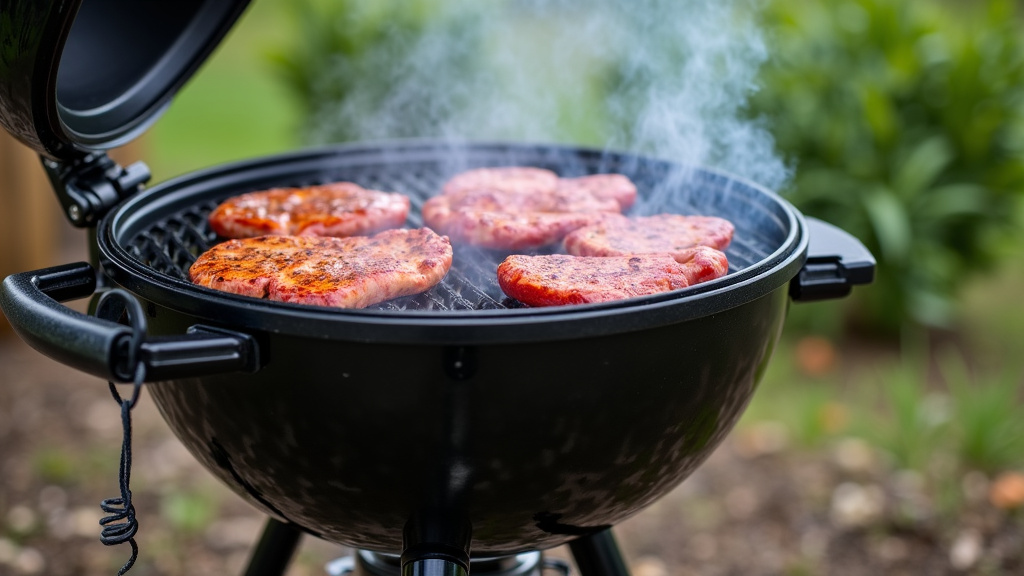
Grilling uses direct heat to cook food quickly. Think of placing a steak directly over hot coals or burners. This intense heat creates a delicious seared crust.
Grills typically reach very high temperatures, sometimes over 500°F. This makes them perfect for foods that cook fast, like burgers, hot dogs, and thinner cuts of meat.
Smoking: Low and Slow, Indirect Heat
Smoking, on the other hand, relies on indirect heat and lower temperatures. Your food isn’t directly above the heat source. Instead, it cooks slowly over many hours.
Smokers usually maintain temperatures between 200°F and 275°F. This method is ideal for tenderizing tougher cuts of meat and infusing them with smoky flavors.
Fuel Types: What Powers Your Cooker?
The fuel you use plays a big role in both flavor and convenience. We found that different fuels offer distinct advantages.
Common Grilling Fuels
Grills are often powered by propane gas or charcoal. Each has its fans for different reasons.
- Propane Gas Grills: These are known for their convenience and quick startup. You can control the temperature precisely with a knob. Many people prefer them for everyday grilling because they’re easy to clean.
- Charcoal Grills: Charcoal provides a classic smoky flavor that many love. It takes a bit longer to heat up and requires more attention to temperature management. You’ll often find briquettes or lump charcoal used here.
Popular Smoking Fuels
Smokers use various fuels to create that signature smoky taste. Wood is the star here.
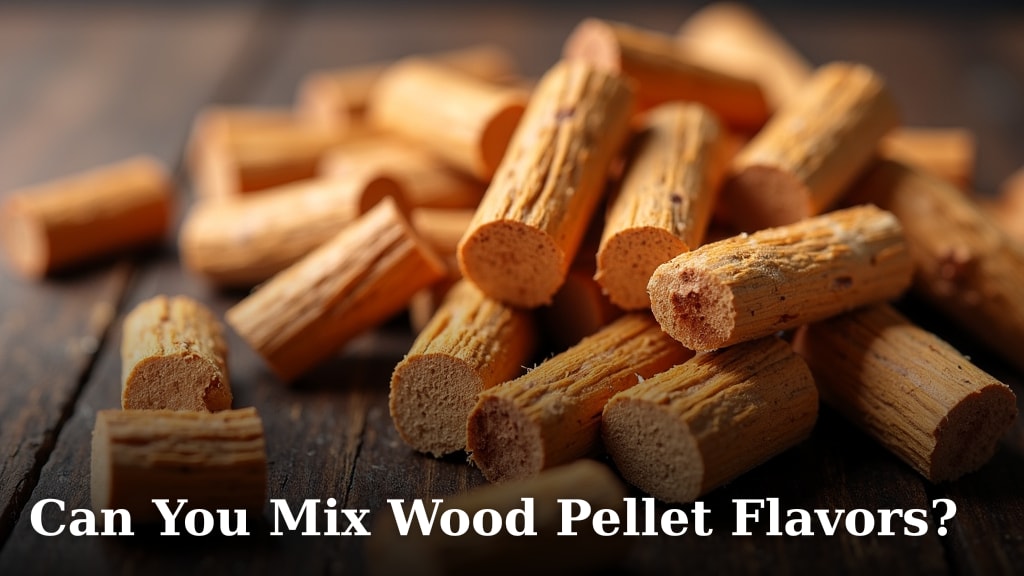
- Wood Pellets: Pellet smokers use compressed wood pellets that come in different flavors (hickory, apple, cherry). They offer consistent heat and smoke production.
- Wood Chunks/Logs: Traditional smokers often use wood chunks or logs. These impart a deep, authentic smoky flavor. Managing the fire can be a bit more hands-on.
- Electric Elements: Some electric smokers use wood chips over an electric heating element. These are very easy to use and require minimal oversight.
Cooking Time and Temperature: Patience vs. Speed
How much time do you have? Your answer will help you decide between a smoker and a grill.
Grills are built for speed. You can have dinner ready in 15-30 minutes, especially with gas. The high heat quickly cooks the exterior and interior of thinner foods.
Smokers demand patience. Cooking meat can take anywhere from 4 to 18 hours, depending on the cut. This “low and slow” approach breaks down tough connective tissues, resulting in incredibly tender meat (USDA).
Flavor Profiles: Smoky Goodness vs. Seared Perfection
The flavor you get is perhaps the most compelling reason to choose one over the other.
Grilling excels at searing. This creates a browned, crispy exterior with a juicy interior. The flavor is often robust and savory, with a hint of char. It’s that classic BBQ taste.
Smoking infuses deep, complex flavors. The slow exposure to wood smoke penetrates the meat, creating a rich, smoky taste that’s hard to replicate. You’ll notice earthy, sweet, or fruity notes depending on the type of wood used.
Food Versatility: What Can You Cook?
Both cooking methods are versatile, but they shine with different types of food.
Things Best Suited for Grilling:
- Steaks and chops
- Burgers and hot dogs
- Chicken breasts and thighs (boneless)
- Fish fillets and shrimp
- Vegetables (corn on the cob, peppers, zucchini)
- Pizza (with a griddle stone)
Foods That Thrive in a Smoker:
- Brisket and pulled pork
- Ribs (pork and beef)
- Whole chickens and turkeys
- Large roasts
- Salmon fillets (for smoked salmon)
- Smoked cheese or nuts
Construction and Design: Form Follows Function
A quick look at their design tells you a lot about how they work.
Grills are often open, allowing for direct heat and quick flipping. They have grates positioned directly above the heat source. Some have lids to help contain heat, but their primary function is an open flame.
Smokers are designed to be mostly enclosed, creating a consistent, controlled environment. Many feature water pans to add moisture and deflect heat. Their sealed design traps smoke, ensuring it penetrates the food thoroughly.
Maintenance and Cleaning: What to Expect
After the cooking is done, there’s always the cleanup. We considered both types for ease of maintenance.
Grills: Gas grills are generally easier to clean than charcoal. You’ll mainly need to brush the grates. Charcoal grills require emptying ash and more frequent deep cleaning.
Smokers: These can be a bit more involved to clean, especially traditional wood smokers. You’ll need to deal with ash, wood debris, and accumulated grease. Pellet smokers might have fewer parts to clean but still require regular upkeep.
Cost and Investment: Getting Started
Your budget will likely play a role in your decision. We found a wide range of prices for both.
- Grills: Basic charcoal grills can be very affordable, starting under $100. Gas grills range from a few hundred dollars to several thousand for high-end models.
- Smokers: Electric smokers can be relatively inexpensive. Pellet smokers typically start in the $300-$500 range and can go much higher. Offset smokers, often considered more traditional, can also vary widely in price.
Which One is Right for You? A Quick Checklist
Still on the fence? Here’s a little checklist to help you decide what suits you best:
Consider a Grill if you:
- Often cook quick meals like burgers, steaks, or hot dogs.
- Prefer a direct, seared flavor.
- Value convenience and precise temperature control (especially with gas).
- Enjoy cooking outdoors but have limited time.
- Want a versatile tool for everyday use.
Choose a Smoker if you:
- Love the deep, smoky flavor in your food.
- Enjoy cooking large cuts of meat for many hours.
- Have patience and time for the “low and slow” process.
- Want to experiment with different wood flavors.
- Don’t mind a more hands-on approach to cooking.
| Feature | Grill | Smoker |
|---|---|---|
| Cooking Method | Direct Heat | Indirect Heat |
| Temperature | High (350°F – 600°F+) | Low (200°F – 275°F) |
| Cooking Time | Fast (minutes to 1 hour) | Slow (hours to all day) |
| Primary Result | Seared, Charred Exterior | Tender, Smoky Interior |
| Key Flavor | Grilled, Caramelized | Wood Smoke Infusion |
| Common Foods | Steaks, Burgers, Veggies | Brisket, Ribs, Pulled Pork |
| Fuel Types | Propane, Charcoal | Wood Pellets, Wood Chunks, Electric |