Is Smoked Meat Safe to Eat?
On this page (7 sections)
Yes, smoked meat is generally safe to eat when prepared and handled correctly. We found that proper smoking techniques and food safety practices are key to enjoying it without worry. Just like any other food, how you prepare it makes all the difference.
However, you might still have questions about potential risks or benefits. We understand you want to keep your family safe while enjoying delicious smoked foods. Let’s look at what makes smoked meat a safe and tasty option for your table.
- Smoked meat is generally safe if handled correctly.
- Proper temperatures kill harmful bacteria.
- Curing meat adds an extra layer of safety.
- Pay attention to food storage after smoking.
- Balance the delicious flavor with good practices.
So, are you ready to dive deeper into the world of smoked meat safety? We’ll walk you through everything you need to know to smoke with confidence.
Understanding Smoked Meat Safety
You’re curious about how smoking meat impacts its safety. That’s a great question! We found that the process of smoking itself, when done right, adds layers of protection to your food. It’s not just about flavor; it’s also about preserving and purifying. Think of it like cooking any other meat – temperature control and proper handling are your best friends.
The Science Behind Safe Smoking
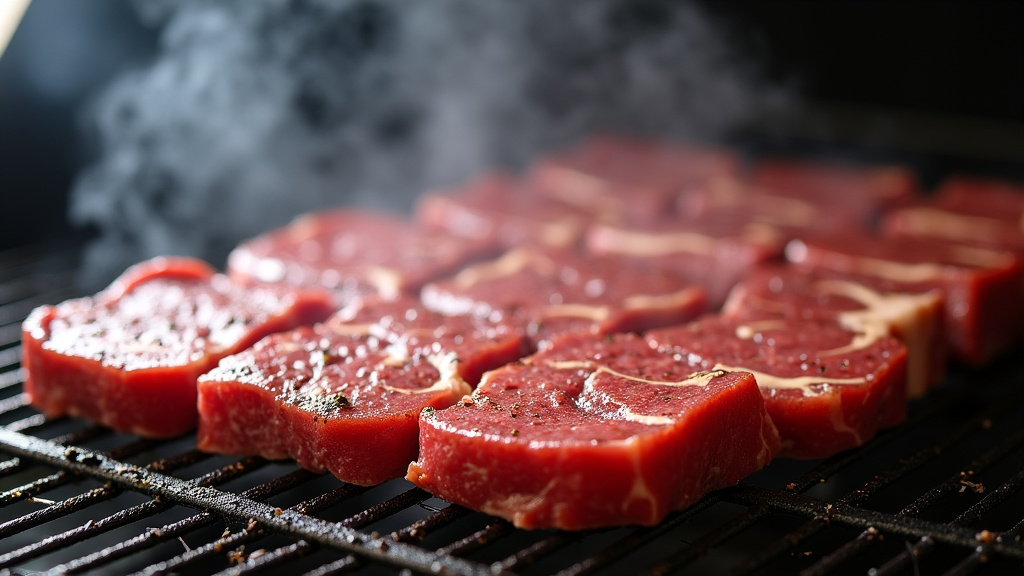
When you smoke meat, you’re essentially using heat and smoke to transform it. The heat cooks the meat, killing off harmful bacteria. The smoke, on the other hand, contains compounds that have antimicrobial and antioxidant properties (NCBI). This means the smoke itself helps to inhibit bacterial growth and can extend the meat’s shelf life. Pretty neat, right? It’s a centuries-old preservation method for a reason.
Temperature Control: Your First Line of Defense
The most important factor for safe smoked meat is reaching the correct internal temperature. Just like roasting a chicken or grilling a steak, you need to ensure the meat cooks through. Using a reliable meat thermometer is non-negotiable here. We found that undercooked meat is the primary cause of foodborne illness, regardless of cooking method.
- Poultry: 165°F (74°C)
- Ground Meats: 160°F (71°C)
- Pork: 145°F (63°C) with a 3-minute rest
- Beef, Veal, Lamb (steaks, roasts, chops): 145°F (63°C) with a 3-minute rest
Always insert your thermometer into the thickest part of the meat, avoiding bones. This ensures you get an accurate reading and that your meat is safe to eat.
The Role of the Smoke Itself
Beyond the heat, smoke contributes to safety. Wood smoke contains various compounds, including phenols and aldehydes, that can slow down spoilage bacteria (USDA). It creates a protective barrier on the meat’s surface. This is why historically, smoking was a vital preservation technique before refrigeration existed. It’s Mother Nature’s way of keeping things fresh, with a little help from us.
Avoiding Contamination: Best Practices for Smokers
Even with perfect temperatures, contamination can happen if you’re not careful. Think of your kitchen, or your smoking area, as a clean room. Keeping everything sanitized and separate prevents problems. We found that cross-contamination is a silent enemy, often overlooked until it’s too late. But don’t worry, a few simple habits make all the difference.
Cleanliness is King: Before, During, and After
Before you even touch your raw meat, make sure your hands, cutting boards, and utensils are sparkling clean. This prevents bacteria from raw meat transferring to cooked meat or other surfaces. Wash your hands thoroughly with soap and warm water for at least 20 seconds. Do this before and after handling raw meat. It’s a small step that offers huge protection.
- Wash hands thoroughly and often.
- Sanitize all surfaces and tools.
- Use separate cutting boards for raw and cooked meat.
- Clean your smoker regularly to prevent build-up.
Preventing Cross-Contamination
Imagine you’re preparing raw chicken for the smoker. You use a cutting board and a knife. If you then use those same unwashed items to slice cooked brisket, you’ve just moved raw meat bacteria onto ready-to-eat food. This is cross-contamination. Always use separate cutting boards, platters, and utensils for raw and cooked meats. It’s a simple rule, but incredibly important for food safety (CDC).
Curing and Its Benefits for Smoked Meats
Have you ever wondered why some smoked meats, like bacon or ham, taste so different and last longer? Often, it’s because they’ve been cured. Curing is an extra step that adds a significant layer of safety and flavor. We found that curing agents play a powerful role in preventing bacterial growth, especially for certain types of meat.
Understanding Curing Agents
Curing typically involves using salt, sugar, and sometimes nitrates or nitrites. These ingredients work together to draw moisture out of the meat, making it a less hospitable environment for bacteria. Think of it like giving your meat a protective shield. Nitrites, in particular, are very effective against bacteria like Clostridium botulinum, which can cause serious illness (USDA).
| Curing Agent | Primary Benefit | Example Meats |
|---|---|---|
| Salt | Moisture removal, inhibits bacteria | Most cured meats (bacon, ham) |
| Sugar | Flavor balance, aids fermentation | Bacon, some jerky |
| Nitrates/Nitrites | Prevents botulism, fixes color | Bacon, ham, corned beef |
It’s important to use curing agents correctly and precisely. Follow recipes carefully, especially when using nitrites, as too much can be harmful. We recommend using a cure specifically designed for meat and measuring accurately.
Beyond the Smoker: Post-Smoking Safety
Your meat is perfectly smoked and smells amazing. The job isn’t over yet! What you do with your meat immediately after smoking and how you store it is just as important as the smoking process itself. We found that many food safety issues arise from improper cooling and storage, even if the cooking was flawless.
Cooling Down Safely
Once your meat comes off the smoker, it needs to cool down quickly. The “danger zone” for bacterial growth is between 40°F and 140°F (4°C and 60°C). You want to get your meat through this zone as fast as possible. Slice larger cuts into smaller portions to speed up cooling. Place the meat in shallow containers and refrigerate promptly. Don’t leave it on the counter to cool for hours. We found that rapid cooling is a critical step in preventing bacterial multiplication (FoodSafety.gov).
Proper Storage and Reheating
Store your smoked meat in airtight containers in the refrigerator. Consume it within 3-4 days for optimal safety and quality. If you won’t eat it all within that timeframe, freeze it. When reheating, always ensure the meat reaches an internal temperature of 165°F (74°C). This ensures any potential bacteria that grew during storage are killed off. Think of reheating as giving it a second safe-temperature hug.
Your Smoked Meat Safety Checklist
Ready to smoke with confidence? Here’s a quick checklist to keep you on the right track:
- Always use a reliable meat thermometer for accurate readings.
- Ensure raw meat and cooked meat never touch each other or share utensils.
- Wash your hands thoroughly before and after handling any meat.
- Cool down smoked meat quickly in the refrigerator within two hours.
- Store leftovers in airtight containers and consume within 3-4 days.
- Reheat all leftovers to 165°F (74°C) before eating.
By following these simple steps, you can enjoy delicious, safely smoked meats every time. Happy smoking!
Conclusion
You now have the knowledge to confidently enjoy smoked meats. Remember, food safety is a journey, not a destination. By prioritizing proper temperatures, cleanliness, and smart storage, you’re setting yourself up for success. We’ve shown you that with a little care, smoked meat isn’t just delicious; it’s a perfectly safe and rewarding culinary adventure. Go ahead, fire up that smoker and create some amazing meals!
Frequently Asked Questions
Is smoked meat healthier than grilled meat?
Not necessarily. Both smoking and grilling are cooking methods that, when done correctly, can produce safe and delicious food. The healthfulness often depends more on the type of meat, marinades, and overall preparation than the cooking method itself.
Can I get food poisoning from smoked meat?
Yes, just like with any other food, you can get food poisoning from smoked meat if it’s not prepared, handled, or stored correctly. The key is to follow safe cooking temperatures, prevent cross-contamination, and refrigerate leftovers promptly.
How long does smoked meat last in the refrigerator?
Once properly smoked and cooled, most smoked meats will last for 3-4 days in an airtight container in the refrigerator. For longer storage, freezing is your best option, where it can last for several months.
Does cold smoking make meat unsafe?
Cold smoking involves smoking meat at temperatures below 80°F (27°C), which does not cook the meat. Because it doesn’t reach temperatures high enough to kill bacteria, cold smoking requires proper curing techniques beforehand to ensure safety and prevent bacterial growth.
What is the “pink ring” in smoked meat, and is it safe?
The pink ring, or “smoke ring,” is a desirable feature in many smoked meats, especially brisket. It’s a harmless chemical reaction between the meat’s myoglobin, nitric oxide from the smoke, and moisture. It indicates good smoke penetration and does not mean the meat is undercooked, as long as it reached the correct internal temperature.