Is Propane or Charcoal Smoking Safer?
On this page (7 sections)
When deciding between propane and charcoal for smoking your favorite foods, both can be safe when used correctly. Propane grills generally offer more consistent temperature control, which can make them simpler to manage safely. Charcoal, while it requires a bit more attention, also presents no inherent dangers if you follow basic safety guidelines for fire and cooking.
The primary safety concerns for either method revolve around proper fuel handling and fire management. It’s essential to ensure your equipment is in good working order, whether it’s a propane tank with no leaks or a charcoal grill free from excessive grease buildup. Understanding how to manage the heat and flames is key to a successful and safe smoking experience for you and your guests.
- Propane smoking is generally seen as simpler due to easier temperature control.
- Charcoal smoking requires more attention to heat management and fire safety.
- Proper fuel handling (propane tanks, charcoal storage) is vital for both.
- Maintaining your equipment prevents grease fires and leaks.
- Always follow fire safety rules when using any outdoor cooker.
Let’s break down the safety aspects of each so you can choose the best fit for your backyard adventures.
Propane vs. Charcoal: Which Smoking Method is Safer?
When you’re deciding between propane and charcoal for your next smoking adventure, safety is probably on your mind. You want delicious results, but you also want to keep yourself and your loved ones safe. The good news is that both propane and charcoal can be used safely for smoking. It really comes down to how you handle the equipment and manage the fire.
Let’s dive into the details so you can feel confident about your choice.
Understanding Propane Smoking Safety
Propane smokers are often favored for their ease of use and temperature control. This consistent heat management can contribute to a safer cooking experience. Think of it like driving an automatic versus a manual transmission; propane is generally more straightforward.
Propane Tank Management
The primary safety concern with propane is the fuel source itself: the propane tank. These tanks are built with safety in mind, but they still require proper handling.
Checking for Leaks
Before you ever light up your propane smoker, always perform a leak check. The common method is to mix a bit of dish soap with water and brush it onto the connections between the tank, regulator, and hose. If you see bubbles forming, that indicates a leak. You’ll need to turn off the gas supply immediately and tighten the connection or replace any faulty parts.
Many experts recommend doing this check regularly, especially at the beginning of grilling season or if you haven’t used the smoker in a while (CDC).
Proper Tank Storage and Connection
Always store propane tanks upright in a well-ventilated area, away from heat sources and direct sunlight. Never store them indoors, as propane is heavier than air and can accumulate in low-lying spaces, creating a fire hazard. Ensure the tank valve is completely closed when not in use.
Connecting the tank should also be done carefully. Make sure the regulator hose is securely attached to the tank valve and the grill’s gas inlet. Overtightening can damage the threads, while too loose a connection can cause leaks.
Managing Flames and Heat
Propane smokers use burners that produce flames to heat the cooking chamber. While these flames are contained, managing them is key.
Preventing Flare-Ups
Flare-ups can happen if grease or food drippings fall onto the burners. These can quickly turn into small fires. To prevent this, clean your smoker regularly to remove accumulated grease. Position your food so that excess drippings don’t fall directly onto the heat source. You can also use drip pans to catch most of the grease.
If a flare-up does occur, you’ll want to turn off the burners immediately and close the lid. Allow the flames to die down before resuming cooking. Never use water to extinguish a grease fire on a grill, as it can spread the flames.
Consistent Temperature Control
One of propane’s biggest safety advantages is its precise temperature control. You can easily adjust the heat using the control knobs. This means you’re less likely to experience sudden temperature spikes that could lead to overcooking or unintended scorching, which are common concerns with less predictable heat sources.
Assessing Charcoal Smoking Safety
Charcoal smoking offers a distinct flavor that many pitmasters love. While it requires a bit more hands-on attention, charcoal smoking is perfectly safe when you follow the right steps. It’s like tending a campfire; it requires respect and awareness.
Charcoal and Briquette Handling
The fuel for charcoal smoking is, of course, charcoal. How you store and handle it makes a difference in safety.
Storage of Charcoal and Lighters
Keep your charcoal briquettes or lump charcoal in a cool, dry place. Moisture can make them difficult to light and can also affect their performance. Store starter fluid and other lighter materials securely, away from children and any heat sources. Never use excessive amounts of lighter fluid, as this can lead to dangerous flare-ups.
Many grilling guides advise against using lighter fluid altogether, recommending chimney starters as a safer alternative (National Fire Protection Association).
Lighting Charcoal Safely
The safest way to light charcoal is by using a chimney starter. Fill the chimney with charcoal, place crumpled newspaper or fire starters underneath, and light them. Once the coals are covered in a gray ash, they’re ready to be transferred to your smoker. This method avoids the need for lighter fluid and provides more controlled lighting.
If you do use lighter fluid, apply it sparingly to the coals and let it soak in for about a minute before lighting. Stand back when you light it, and never add more fluid to already lit or hot coals.
Fire Management and Ash Disposal
Charcoal generates embers and ash, which require careful management.
Controlling the Heat
Managing heat in a charcoal smoker involves adjusting vents and arranging the coals. Too much heat can scorch your food and create excessive smoke. Open vents allow more oxygen, increasing the heat. Closing them restricts oxygen, reducing the heat.
It takes practice, but learning to control your vents is key to maintaining a steady smoking temperature. You’ll need to monitor the temperature gauge frequently and make adjustments as needed.
Safe Ash Disposal
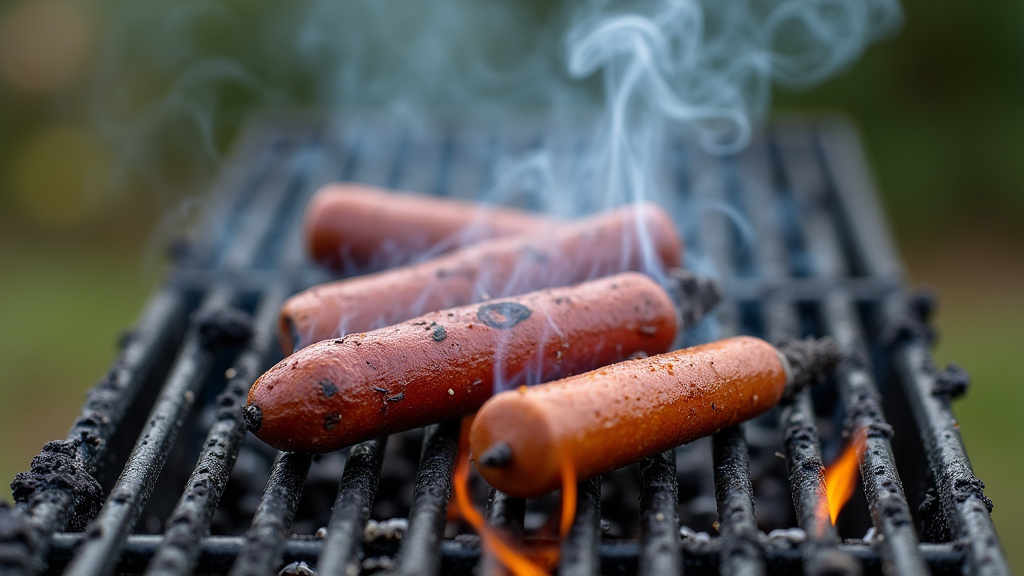
After you’ve finished smoking and the smoker has cooled, you’ll be left with ash. This ash can remain hot for a surprisingly long time. Never sweep ash directly into a trash can, especially if it’s plastic or near flammable materials. Allow the ash to cool completely in the smoker.
Once cooled, transfer the ash to a metal container with a tight-fitting lid. Store this container away from any structures until you are certain it is cold. Many people find it helpful to douse the ash with water as an extra safety precaution before disposal (U.S. Fire Administration).
Comparative Safety Checklist
Here’s a quick rundown of key safety considerations for both methods:
- Propane: Regularly check for gas leaks and ensure proper tank storage.
- Charcoal: Use a chimney starter and store charcoal safely.
- Both: Clean your equipment regularly to prevent grease buildup and fires.
- Both: Always have a fire extinguisher or water source nearby.
- Propane: Manage burners to prevent flare-ups and control heat.
- Charcoal: Safely dispose of all hot ashes after cooking.
Maintenance is Key for Both Methods
Regardless of whether you choose propane or charcoal, regular maintenance is your best friend for safety. Over time, grease, marinades, and food particles can build up inside your smoker. This buildup is not only unhygienic but also a significant fire hazard, especially in charcoal smokers where embers are present.
Cleaning your smoker after each use, or at least thoroughly at the beginning and end of the season, is essential. Scrape down the grates, empty drip pans, and wipe down the interior surfaces. For propane smokers, also check the burner tubes for blockages and ensure the igniter is working correctly.
| Safety Aspect | Propane | Charcoal |
|---|---|---|
| Fuel Source | Propane tank (requires leak checks, proper storage) | Charcoal (requires safe storage, controlled lighting) |
| Heat Control | Generally easier, dial-based adjustment | Requires vent adjustment and coal arrangement |
| Fire Risk | Grease flare-ups from burners | Embers, ash, and potential grease fires |
| Startup | Push-button ignition or manual lighting | Chimney starter or lighter fluid (use with caution) |
| Ash/Residue | Minimal ash, but grease buildup is a concern | Generates ash that needs safe disposal |
Conclusion
You’ve seen that both propane and charcoal can be safe smoking methods when you handle them with care. Propane offers predictable heat, making temperature management simpler. Charcoal gives you that classic smoky flavor but asks for more attention to your fire. The key for both is regular maintenance and mindful operation. Now you’re equipped to choose the method that best suits your comfort level and flavor preferences. Go ahead and fire up your smoker with confidence!
Frequently Asked Questions
What’s the biggest safety risk with a propane smoker?
The main safety concern with propane smokers is a gas leak from the tank or connections. Always perform a leak check before you start cooking, especially after storing the tank for a while. Proper tank storage away from heat sources is also vital.
Is lighter fluid dangerous for charcoal smokers?
Lighter fluid can be dangerous if used improperly. It can cause dangerous flare-ups if too much is used or added to hot coals. Experts often recommend using a chimney starter as a much safer way to light your charcoal.
How often should I clean my smoker for safety?
Cleaning your smoker regularly is essential for preventing fires. Aim for a thorough cleaning at the beginning and end of grilling season. Wipe down and empty drip pans after each use to keep grease buildup to a minimum.
Can I use a propane smoker indoors?
Never use a propane smoker indoors. Propane smokers produce carbon monoxide, which is a deadly, odorless gas. Always use propane smokers in well-ventilated outdoor spaces to prevent dangerous gas buildup.
What should I do if I see a small fire on my grill?
If you see a small fire, like a flare-up, turn off the heat source immediately – either the gas or remove the coals. Close the lid to smother the flames. Never use water on a grease fire, as it can make the situation worse.