How to Smoke Cheese?
On this page (7 sections)
The easiest way to smoke cheese is with a cold smoke generator, keeping the cheese below 90°F to prevent melting. You’ll need wood pellets or chips and a grill or smoker to contain the smoke. This method infuses a rich, smoky flavor without altering the cheese’s texture.
Are you ready to elevate your cheese game? We found that cold smoking allows the cheese to absorb delicious smoke flavors slowly. This process creates a unique depth of flavor that’s hard to beat. It’s a fantastic way to impress your friends and family.
- Cold smoke cheese to prevent melting.
- Maintain temperatures below 90°F.
- Use a cold smoke generator.
- Any grill or smoker can work as a chamber.
- Enhance cheese flavor with smoky notes.
Let’s walk through exactly how to smoke cheese step by step, ensuring you get perfect results every time. We’ll cover everything you need to know to become a cheese-smoking expert.
Getting Started: Essential Tools for Smoking Cheese
To smoke cheese successfully, you’ll need a few key pieces of equipment, including one of the best smokers for cheese. The right tools make all the difference, ensuring a smooth process and delicious results.
The Cold Smoke Generator: Your Best Friend
A cheese smoker is indispensable for smoking cheese. It creates smoke without significant heat. This prevents your cheese from melting into a gooey mess.
Different Types of Cold Smoke Generators
There are generally two main types we found through our research: maze-style and tube-style generators. Both are effective, but they work slightly differently.
- Maze-style generators: These look like a coiled maze. You fill the channels with wood pellets or sawdust. Once lit, they smolder slowly for several hours. We found they provide a very consistent smoke.
- Tube-style generators: These are typically metal tubes, often perforated. You fill them with pellets and light one end. They also produce a steady stream of smoke. Many users find them easy to use and refill.
Choose the style that fits your budget and preference. Both will get the job done wonderfully.
Your Smoking Chamber: Any Grill Will Do
You don’t need a fancy dedicated smoker for cheese. Any grill or large, sealable container can serve as your smoking chamber. The key is to contain the smoke around your cheese.
- Charcoal grills: These work great. Just ensure good airflow to keep the smoke moving.
- Gas grills: Turn off the burners, of course! They offer a large, enclosed space.
- Pellet grills: Use them unlit. You’re just using the chamber.
- Offset smokers: Again, use the main chamber unlit with your cold smoke generator inside.
The goal is simply to hold the cheese and the smoke generator in an enclosed space. Airflow is important, so don’t seal it completely airtight. A little ventilation helps prevent stale smoke from accumulating.
Choosing Your Wood: Pellets or Chips
The type of wood for smoking cheese will greatly influence the flavor of your smoked cheese. We found that wood pellets or fine chips are best for cold smoking.
- Wood pellets: These are compressed sawdust, ideal for maze and tube generators. They burn slowly and consistently.
- Fine wood chips: These also work but might burn a bit faster than pellets. Ensure they are small enough for your generator.
Avoid larger wood chunks for cold smoking. They produce too much heat and can melt your cheese. Think subtle, steady smoke.
Selecting the Perfect Cheese for Smoking
Not all cheeses are created equal when it comes to smoking. We’ve learned that some cheeses hold up better and absorb smoke flavor more effectively than others.
Best Cheeses for Smoking
We found that firmer, semi-hard cheeses are generally the best choice. They can withstand the cool smoking process without falling apart.
- Cheddar: A classic for a reason! It takes on a beautiful smoky flavor. Medium or sharp cheddar works very well.
- Gouda: This cheese develops a wonderful, complex taste when smoked.
- Provolone: Another excellent option that becomes incredibly savory.
- Swiss: The nutty flavor of Swiss cheese pairs perfectly with smoke.
- Mozzarella (low-moisture, block): Great for a smoky caprese salad or pizza topping. Avoid fresh mozzarella as it’s too soft.
- Cream Cheese: Surprisingly good! It becomes spreadable and incredibly flavorful.
Consider how you’ll use the cheese later. A smoky cheddar is amazing on a burger, while smoked Gouda shines on a charcuterie board.
Cheeses to Approach with Caution (or Avoid)
While adventurous, some cheeses aren’t ideal for cold smoking. We want you to have the best experience, so here’s what to look out for.
- Very soft cheeses: Brie, Camembert, or fresh goat cheese might become too runny. They also don’t absorb smoke as well.
- High-moisture cheeses: Fresh mozzarella, as mentioned, and ricotta tend to just release moisture instead of taking on flavor.
- Pre-shredded cheeses: These often contain anti-caking agents that can interfere with smoke absorption. Always opt for a block.
Stick to the firmer options for your first few smokes. You can always experiment later once you’re more confident.
The Step-by-Step Process: How to Cold Smoke Cheese
Smoking cheese might sound complicated, but it’s really quite simple. We’ll guide you through each step to ensure your success.
Preparation is Key
Before you even light your smoke generator, a little prep goes a long way. This ensures even smoking and easy handling.
- Cut your cheese into blocks: We found that blocks of about 1-2 pounds work best. This gives enough surface area for smoke absorption without taking too long.
- Place cheese on a wire rack: This allows smoke to circulate all around the cheese. Don’t place it directly on a solid surface.
- Ensure cheese is cold: Straight from the fridge is perfect. This helps it resist melting for a little longer.
Think of it like setting the stage for a great performance. Everything needs to be in its place.
Setting Up Your Cold Smoke Generator
This is where the magic begins. Correct setup is crucial for consistent smoke.
- Fill your generator: Pack your maze or tube generator with wood pellets or fine chips. Don’t overfill it, but make sure it’s snug.
- Light the pellets/chips: Use a small kitchen torch or a propane torch. Light one end of the pellets until a good ember forms. Let it burn for a few minutes.
- Blow out the flame: Once you see a steady stream of smoke, gently blow out any visible flame. The pellets should be smoldering, not burning with a flame.
- Place in your chamber: Carefully put the smoldering generator into your grill or smoker. Position it away from the cheese to prevent direct heat.
Remember, we’re aiming for smoke, not heat. If you see flames, extinguish them and ensure it’s just smoldering.
Smoking the Cheese: The Main Event
Now for the actual smoking! This part requires a bit of patience and monitoring.
- Place cheese in the chamber: Arrange your cheese blocks on the wire rack inside your grill. Leave some space between them for airflow.
- Monitor temperature: This is critical. Use a reliable thermometer to ensure the internal temperature of your smoking chamber stays below 90°F (32°C). Many experts say that keeping it under 70°F (21°C) is even better (University of Georgia Extension). If it gets too warm, your cheese will soften or melt.
- Smoke duration: For most cheeses, 1-3 hours is a good starting point. Lighter cheeses might only need an hour, while harder cheeses can handle longer. Taste a small piece after an hour to check progress.
- Ventilation: Keep the lid of your grill slightly ajar, or open a vent. This allows fresh air in and prevents the smoke from becoming stagnant and acrid. You want a “thin blue smoke,” not a thick white plume.
Don’t rush it. Slow and steady wins the race when it comes to cold smoking. We found that rushing can lead to an overpowering, bitter flavor.
Here’s a quick checklist to keep you on track:
- ☑ Cheese is cold.
- ☑ Wire rack is ready.
- ☑ Generator is filled and lit.
- ☑ Chamber temperature is below 90°F.
- ☑ Smoke is thin and blue.
- ☑ You have at least 1 hour of smoke time.
Post-Smoke Care: The Critical Resting Period
Smoking isn’t quite finished when you take the cheese off the grill. This next step is just as important for flavor development.
Why You Need to Rest Smoked Cheese
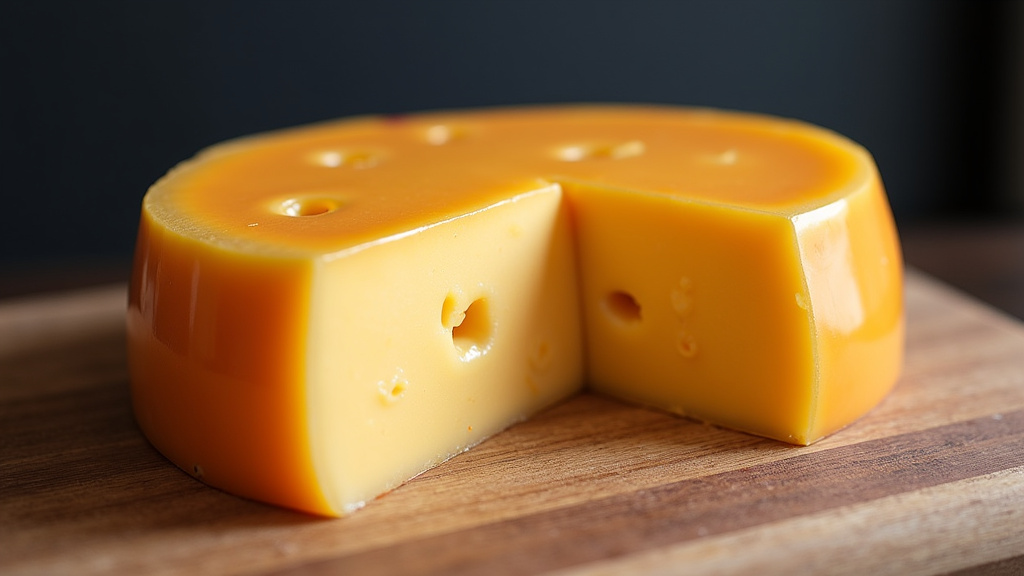
Straight off the smoker, your cheese might taste too smoky or even a little harsh. We found that a resting period allows the smoke flavor to mellow and distribute evenly throughout the cheese.
It’s like marinating – the flavors need time to integrate. Skipping this step often leads to disappointment, as the initial smoke can be overwhelming.
How to Properly Rest Your Cheese
This process is simple but requires patience.
- Remove from smoker: Once smoked to your liking, take the cheese off the rack.
- Wrap it well: Use plastic wrap, parchment paper, or special cheese paper. Make sure it’s tightly sealed to prevent air exposure.
- Refrigerate: Place the wrapped cheese in your refrigerator.
- The waiting game: Let it rest for at least 24 hours, but ideally several days to a week. We’ve even found that some cheeses taste best after 2-3 weeks of resting.
This resting period allows the smoke compounds to permeate the entire block of cheese, creating a balanced and rich flavor. Trust us, it’s worth the wait!
Troubleshooting and Tips for Better Smoked Cheese
Even with the best instructions, you might encounter a hiccup or two. Don’t worry, we’ve got some solutions and extra tips to help you master cheese smoking.
Common Issues and Solutions
Let’s address some things that might go wrong and how to fix them.
| Problem | Possible Cause | Solution |
|---|---|---|
| Cheese is melting | Chamber temperature too high. | Ensure ambient temp below 90°F. Use less fuel or more ventilation. Try smoking on a colder day. |
| Cheese tastes too bitter/acrid | Too much smoke, or “dirty” smoke. | Reduce smoking time. Ensure thin blue smoke, not thick white. Increase ventilation. Rest longer. |
| Not enough smoke flavor | Too little smoke, or too short a smoking time. | Increase smoking time by 30-60 minutes. Check if generator is producing enough smoke. |
| Smoke generator won’t stay lit | Pellets/chips too damp, or not enough air. | Ensure pellets are dry. Clean generator ports. Provide more airflow to the generator itself. |
Most problems stem from temperature control or smoke quality. Pay attention to these details, and you’ll improve quickly.
Pro Tips for Cheese Smoking Success
Here are a few extra nuggets of wisdom we’ve gathered to help you become a true cheese-smoking expert.
- Smoke on a cool day: We found that ambient temperatures below 50°F (10°C) are ideal. This naturally helps keep your chamber cool.
- Experiment with wood types: Apple, cherry, and pecan woods offer milder, sweeter smoke flavors. Hickory and mesquite are stronger. Start mild and work your way up.
- Flip your cheese (optional): For very thick blocks, you can flip them halfway through smoking. This helps with even smoke distribution.
- Keep a log: Jot down what cheese you smoked, what wood you used, how long, and what the outdoor temperature was. This helps you learn and refine your process for next time.
Smoking cheese is a rewarding experience. It lets you create incredible flavors that store-bought options just can’t match. Enjoy the process!
Conclusion
You’ve now got all the knowledge to create amazing smoked cheese at home. We’ve shown you how a simple cold smoke generator and your existing grill can transform ordinary cheese into something extraordinary. Remember the importance of low temperatures, quality wood, and that crucial resting period for the best flavor.
Don’t be afraid to experiment with different cheese and wood pairings. Each batch will teach you something new. With these steps, you’re ready to enjoy delicious, homemade smoked cheese that will impress everyone.
Go ahead, light up that cold smoke generator, and start your cheese-smoking adventure today!
Frequently Asked Questions
Can I smoke cheese if it’s warm outside?
While you can, it’s much harder to keep the temperature below 90°F (or ideally 70°F). We recommend smoking cheese in summer only on a cooler day, ideally below 50°F, to prevent melting and maintain optimal conditions for smoke absorption.
How long does smoked cheese last?
Properly smoked and wrapped cheese can last as long as unsmoked cheese in your refrigerator, often several weeks to a few months, depending on the type of cheese. Always store it in airtight packaging to maintain freshness and prevent flavor loss.
Do I need to flip the cheese while smoking?
For most standard blocks of cheese, flipping isn’t strictly necessary if you have good airflow around the cheese. However, if you’re smoking very thick blocks, a flip halfway through can help ensure more even smoke penetration on all sides.
What’s the best wood for smoking cheese?
Milder fruit woods like apple, cherry, or pecan are excellent choices, offering a sweet, delicate smoke flavor that complements most cheeses. Stronger woods like hickory or mesquite can be overpowering for cheese, so use them sparingly or for specific robust cheeses.
Why does my smoked cheese taste too bitter?
Bitterness usually comes from “dirty” smoke (thick white smoke) or smoking for too long. Ensure your smoke generator is producing a thin, blue smoke and avoid over-smoking. Also, allow the cheese to rest for at least a week; this helps the harsh flavors mellow out.