Can You Cold Smoke Cheese in Summer?
On this page (8 sections)
Yes, you absolutely can cold smoke cheese in the summer, but it requires extra attention. The main challenge is keeping your cheese and smoke at the right low temperatures. Without careful planning, your cheese can become a greasy mess. We found that managing ambient heat is key to success.
Cold smoking cheese involves exposing it to smoke without significant heat. This preserves its delicate texture and flavor. Doing this during warmer months means you need to be extra vigilant about preventing melting. It’s a bit like trying to keep your ice cream from melting on a hot day, but for cheese!
- Cold smoking cheese in summer is possible.
- Key is keeping temperatures low.
- Use a cold smoke generator.
- Watch for cheese melting.
- Timing and location matter.
Let’s walk through exactly how you can achieve delicious, cold-smoked cheese even when the weather is warm.
Smoking Cheese When It’s Hot Out: A Summer Guide
Yes, you can absolutely cold smoke cheese in the summer. The biggest hurdle is managing the heat. Your goal is to keep the cheese cool. You also need to keep the smoke cool. If your cheese gets too warm, it will start to melt. This can ruin the texture and flavor. But with the right strategies, you can enjoy delicious cold-smoked cheese all summer long.
Understanding Cold Smoking in Warm Weather
Cold smoking means exposing food to smoke. It’s done at low temperatures. Typically, this is between 70°F and 80°F (21°C to 27°C). The smoke imparts flavor. It doesn’t cook the food. This is ideal for cheese because high heat would melt it. Summer days can easily exceed these temperatures. You need to work against the ambient heat. It requires a bit more planning than winter smoking.
The Science of Cheese and Heat
Cheese is essentially fat and protein. When fat heats up, it melts. Different cheeses have different melting points. Soft cheeses like mozzarella will melt very quickly. Harder cheeses like cheddar can withstand a little more heat. But even they will soften and weep fat if it gets too hot. We’ve found that keeping the cheese itself below 50°F (10°C) during the process is key. This prevents the dreaded oily mess.
Why Summer Smoking is Tricky
During the summer, the air temperature is higher. Your smoker, grill, or smokehouse will also be warmer. This makes it harder to keep the internal temperature low. You’re fighting against the sun and the warm air. It’s like trying to cool your house on a 90°F day. The heat is constantly trying to get in.
Essential Gear for Summer Cold Smoking
To succeed, you’ll need a few key pieces of equipment. These will help you control the temperature. A reliable thermometer is non-negotiable. You need to monitor both the smoke and the cheese. We also found that a dedicated cold smoke generator is a game-changer. This device produces smoke without producing much heat.
The Importance of a Cold Smoke Generator
A cold smoke generator, sometimes called a maze smoker or smoke tube, is designed for this purpose. You fill it with wood pellets or dust. Then you light one end. It smolders for hours, producing cool smoke. This way, you’re not relying on burning wood in your main chamber. This is crucial for keeping the temperature down. Many experts say this is the most important tool for summer cold smoking.
Temperature Monitoring Tools
You’ll need at least two thermometers. One should measure the ambient temperature inside your smoker. Another should measure the internal temperature of the cheese. An infrared thermometer can be handy for quick checks on the cheese surface. For more accurate cheese temperature, use a probe thermometer inserted into the cheese block. Research from food safety sites like the USDA recommends monitoring internal temperatures closely.
Choosing the Right Cheese for Summer Smoking
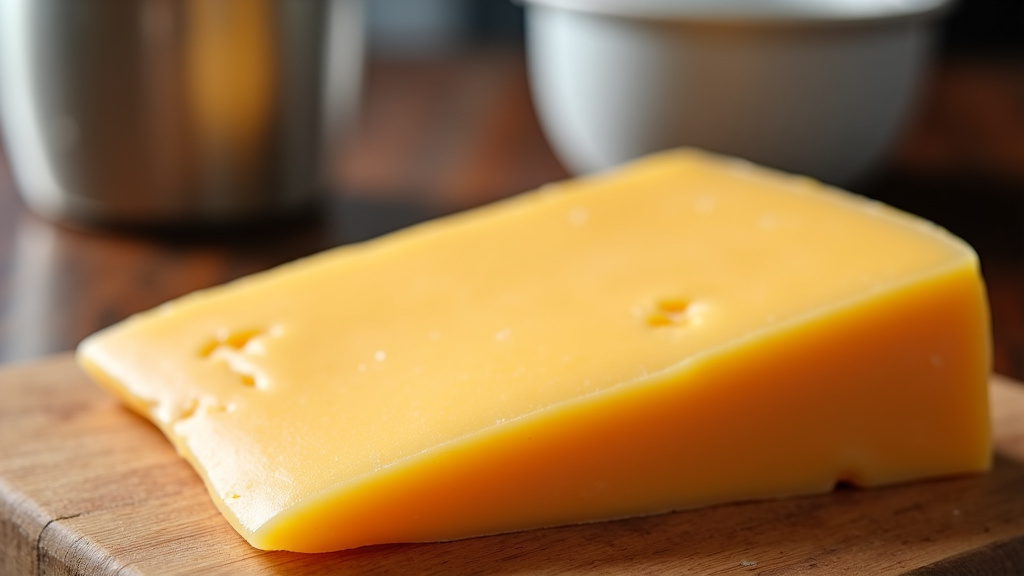
Not all cheeses are created equal when it comes to cold smoking, especially in summer. Harder, drier cheeses are your best bet. They are less prone to melting. Think aged cheddar, Gruyère, or Parmesan. Softer cheeses like Brie or fresh mozzarella are a recipe for disaster on a hot day. They will likely become a gooey, unmanageable blob. We recommend starting with firmer, aged cheeses.
Best Cheese Varieties to Try
- Cheddar (aged): A classic for a reason. It holds up well to temperature fluctuations.
- Gouda (aged): Develops a rich, nutty flavor when smoked.
- Provolone: Another good choice that doesn’t get too soft.
- Swiss: Offers a unique, slightly sweet flavor profile.
- Parmesan: Can be smoked, but it’s quite dry. You get a different flavor intensity.
Cheeses to Avoid in the Heat
- Mozzarella: Too soft and watery. It will melt into a puddle.
- Brie/Camembert: Creamy interiors will liquefy.
- Feta: While firm, its high moisture content can be an issue.
- Cream Cheese: Definitely not suitable for any smoking.
Strategies for Temperature Control
This is where the real work happens in summer. You need to actively manage the heat. Several tactics can help you keep things cool. Planning your smoking sessions for the coolest parts of the day is a smart move. Early mornings or late evenings are your friends. We found that avoiding the peak afternoon sun is essential.
Timing is Everything: When to Smoke
Smoking at dawn or dusk can make a huge difference. The air temperature is significantly lower then. This gives your smoker a head start on staying cool. We recommend checking your local weather forecast. Look for days with cooler overnight temperatures or early morning lows. If you can, plan to start your smoke right after sunrise. This way, you’re smoking as the air temperature is still rising.
Location, Location, Location
Where you set up your smoker matters. If possible, choose a spot that is shaded. Avoid direct sunlight. A spot under a large tree or on the north side of your house might be cooler. If you’re using a metal smoker, the sun can turn it into an oven. You can even try placing your smoker in a large cooler or an insulated bin. This creates a cooler environment around the main smoking chamber. Many guides suggest creating a buffer zone.
The Ice Bath Method
One effective technique is to use an ice bath. You can place your cheese in a shallow pan. Then, place that pan inside a larger container filled with ice. This keeps the cheese itself chilled. You’ll need to replenish the ice as it melts. This method requires constant attention. We found it most effective for shorter smoking times. It’s a hands-on approach to keeping the cheese cold.
Pre-Chilling Your Cheese
Before you even start, make sure your cheese is thoroughly chilled. Store it in the refrigerator until the last possible moment. Some people even place the cheese in the freezer for about 30-60 minutes before smoking. This gives it a solid chill. Just be careful not to freeze it solid. You want it firm, not icy. Research on food preservation suggests starting with cold ingredients is always best.
The Cold Smoking Process: Step-by-Step
Once you have your gear and your cheese ready, it’s time to smoke. The process is similar to other times of the year, but with extra vigilance. Here’s a general outline:
- Prepare Your Cheese: Cut it into desired sizes. Wrap blocks in cheesecloth if you prefer. Ensure it’s well-chilled.
- Set Up Your Smoker: Place your cold smoke generator in the smoker. Position your cheese so it’s not directly over any heat source.
- Light the Generator: Follow the manufacturer’s instructions. Ensure it’s producing cool smoke.
- Monitor Temperatures Constantly: Keep an eye on your thermometers. Adjust ventilation as needed to control smoke flow.
- Smoke for the Desired Time: Cold smoking cheese usually takes 2-6 hours, depending on the desired flavor.
- Check Cheese Temperature: Use your probe thermometer. If it goes above 50°F (10°C), you must stop or move to a colder setup.
- Rest Your Cheese: After smoking, let the cheese rest in the refrigerator for at least 24 hours. This allows the smoke flavor to mellow and distribute evenly.
A Pre-Smoking Checklist for Success
Before you fire up your smoker on a hot summer day, run through this quick checklist:
- Is your cheese thoroughly chilled or slightly frozen?
- Is your cold smoke generator ready and filled?
- Are your thermometers calibrated and working?
- Do you have a shaded location for your smoker?
- Are you prepared to monitor temperatures frequently?
- Do you have a plan for replenishing ice if using the ice bath method?
Following these steps will significantly increase your chances of success. You want that wonderful smoky flavor without the melted mess. It takes patience, but the results are worth it.
Conclusion
You absolutely can cold smoke cheese in the summer! The key is managing heat effectively. Remember, your goal is to keep the cheese cool, ideally below 50°F (10°C), while bathing it in smoke. Utilizing a dedicated cold smoke generator and choosing firmer cheeses are your best allies. Don’t underestimate the power of timing your smoke sessions for cooler parts of the day and finding a shaded spot. With careful planning and constant temperature monitoring, you’ll achieve that perfect smoky flavor without a greasy mess. Ready to give it a try? Your next batch of delicious cold-smoked cheese awaits!
Frequently Asked Questions
What’s the ideal temperature range for cold smoking cheese in summer?
The ideal temperature range for cold smoking cheese is between 70°F and 80°F (21°C to 27°C) for the smoke. However, the cheese itself must stay much cooler, ideally below 50°F (10°C). This prevents it from melting and becoming oily.
Can I use my regular grill or smoker for summer cold smoking?
You can, but it requires extra effort to keep the temperature down. A dedicated cold smoke generator is highly recommended. This produces smoke without generating much heat, making it easier to maintain the low temperatures needed for successful summer cold smoking.
How long does cold smoking cheese typically take in the summer?
Cold smoking cheese usually takes between 2 to 6 hours, depending on how much smoky flavor you desire. During summer, you need to be extra attentive to your cheese’s internal temperature throughout this period. If it exceeds 50°F (10°C), you must stop the process.
What’s the best way to monitor cheese temperature during summer smoking?
Use a reliable probe thermometer inserted directly into the cheese block. You’ll also need a thermometer to monitor the ambient temperature inside your smoker. Infrared thermometers can be useful for quick surface checks, but a probe offers more accurate internal readings.
Are there any cheeses that are just too risky to cold smoke in summer?
Yes, very soft and high-moisture cheeses like mozzarella, Brie, or cream cheese are generally too risky to cold smoke in the summer. Their low melting points mean they are very likely to melt into an unmanageable, oily mess when exposed to even slightly elevated temperatures.