
How to Reheat Smoked Brisket without Drying It Out?
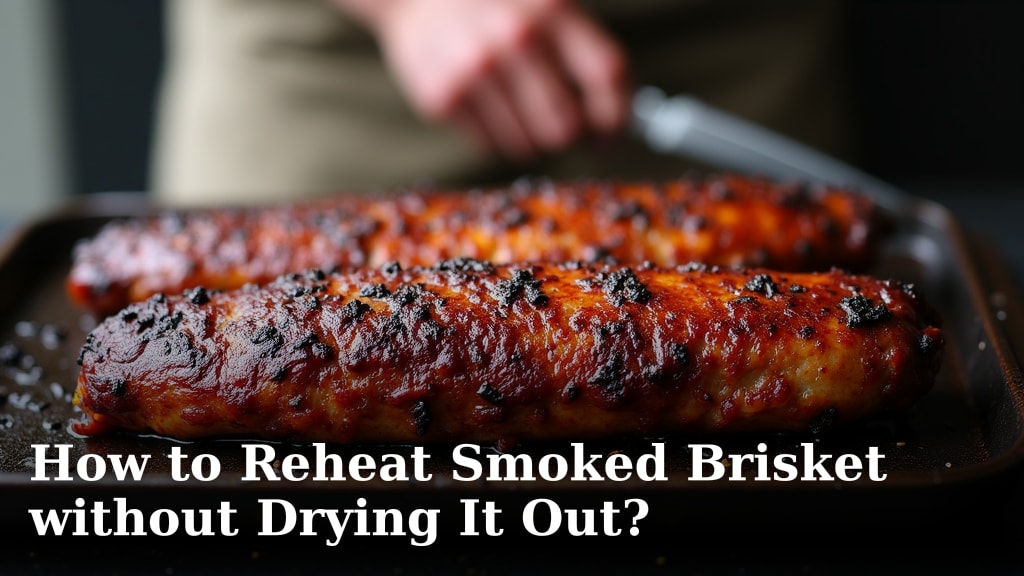
You can absolutely reheat smoked brisket and keep it moist and tender! The secret lies in using low heat and adding a little extra moisture. Forget dry, tough leftovers; we’re going to revive that smoky goodness.
Reheating brisket correctly is key to enjoying those delicious leftovers. Many folks worry about drying out their hard-earned smoked meat. We’ve found that by using the right methods, you can preserve its juiciness and flavor. This makes your second round of brisket just as satisfying as the first.
- Add moisture to your brisket.
- Use low and slow reheating methods.
- Avoid high heat, which dries out meat.
- Cover your brisket while reheating.
- Consider a liquid bath for ultimate moisture.
Ready to save your delicious brisket from a dry fate? Let’s walk through the best ways to reheat it so it tastes almost as good as when it was fresh off the smoker.
“`htmlReviving Your Leftover Smoked Brisket
So, you’ve got some glorious smoked brisket leftovers. Don’t let them languish in the fridge, destined for a sad, dry fate. Reheating smoked brisket without turning it into shoe leather is totally achievable. The key is gentle heat and a touch of moisture.
The Science Behind Moist Brisket Leftovers
When brisket cooks, its muscle fibers break down. This releases moisture and makes the meat tender. When you reheat it, especially at high temperatures, those fibers can seize up again. This squeezes out any remaining moisture. That’s why your brisket can get so dry. Understanding why brisket can get so dry can help prevent it during reheating.
Research suggests that connective tissues, like collagen in brisket, also play a role. They render down during smoking, contributing to that melt-in-your-mouth texture. Reheating too aggressively can reverse some of that tenderizing process. It can make the meat tough and crumbly.
Many experts recommend a slow and low approach. This allows the meat to warm through without overcooking. Adding moisture helps create steam. This steam keeps the brisket from drying out. It essentially mimics the humid environment of a smoker. This is a gentle way to coax the moisture back into the meat.
Choosing the Best Reheating Method
There isn’t a single “best” way for everyone. It depends on how much brisket you have. It also depends on what equipment you have handy. We’ll cover a few methods that consistently yield great results.
Oven Reheating: A Classic Approach
The oven is a great tool for reheating brisket. It offers a controlled environment. You can gently warm your meat and keep it moist. This is often a top choice for larger cuts or when reheating for a crowd.
The Low and Slow Oven Method
This is probably the most popular and effective oven method. It focuses on bringing the brisket up to temperature gradually. This prevents shocking the meat with heat.
- Preheat your oven to a low temperature, around 250°F (120°C).
- Place your brisket slices or whole piece in an oven-safe dish.
- Add about 1/4 to 1/2 inch of liquid to the bottom of the dish. Beef broth, water, or even a splash of your favorite BBQ sauce works well.
- Cover the dish tightly with aluminum foil. This traps the steam.
- Let it reheat for about 30-60 minutes per pound, or until the internal temperature reaches 160-165°F (71-74°C).
- You can test for tenderness by gently probing the meat. It should yield easily.
The Importance of the Liquid Bath
That bit of liquid is your best friend here. As the brisket heats, the liquid will turn to steam. This moist environment is what keeps the meat from drying out. Think of it as giving your brisket a warm, steamy hug. It’s like a mini-sauna for your meat.
Stovetop Simmer: Quick and Moist
If you’re only reheating a few slices, the stovetop can be surprisingly effective. It’s faster than the oven for smaller portions. It also allows you to directly control the moisture.
How to Simmer Brisket
This method is best for sliced brisket. You want to avoid boiling the meat.
- Slice your brisket into desired thickness.
- Place the slices in a skillet or saucepan.
- Add just enough liquid to cover the bottom of the pan, about 1/4 inch. Use beef broth, water, or a bit of leftover au jus.
- Cover the pan and heat on low to medium-low heat.
- Let it simmer gently for about 10-15 minutes, or until heated through.
- Don’t let the liquid boil vigorously. You’re just warming it.
This technique essentially braises the brisket briefly. It rehydrates the slices nicely. Just be sure to keep an eye on it. You don’t want to overcook it.
Sous Vide: Precision Reheating
For the ultimate in precision and guaranteed moisture, consider sous vide. This method involves vacuum-sealing your brisket. Then, it’s cooked in a temperature-controlled water bath.
The Sous Vide Process for Leftovers
This method requires a sous vide immersion circulator. It’s an investment, but the results are incredible.
- Portion your brisket into bags.
- Add a tablespoon or two of liquid (broth, au jus) to each bag.
- Vacuum seal the bags, ensuring a good seal.
- Set your sous vide circulator to your desired serving temperature. Generally, 135-140°F (57-60°C) is good for reheating.
- Cook for 1-4 hours. Longer times won’t dry it out, but they aren’t always necessary.
- Once heated, you can finish it on a grill or in a hot pan for a nice crust, if desired.
Sous vide ensures the brisket never gets hotter than your target temperature. This makes drying out virtually impossible. Many people find their brisket is even more tender after a sous vide reheat.
Microwave Reheating: A Last Resort?
We know, sometimes convenience calls. Microwaves are fast. However, they can be tricky with meats. Microwaves heat unevenly. This can lead to hot spots and dry edges.
Tips for a Better Microwave Reheat
If you must use the microwave, follow these tips:
- Slice your brisket thinly.
- Arrange slices in a single layer on a microwave-safe plate.
- Cover the plate with a damp paper towel. This adds moisture.
- Heat on a lower power setting (50% is often good).
- Reheat in short intervals (30-60 seconds).
- Rotate the plate and check for doneness between intervals.
- Avoid overheating. It’s better to reheat a little longer on low power.
While not ideal, the damp paper towel is key here. It helps create a steamy environment. It’s a small trick that can make a big difference. Think of it as a quick steam bath for your brisket.
Adding Moisture: Your Secret Weapon
No matter the reheating method, adding moisture is paramount. This is the single biggest factor in preventing dry brisket. We’ve touched on it with the oven and stovetop methods, but let’s reiterate.
What kind of moisture works best? Here are some ideas:
- Beef Broth: A neutral, savory liquid that won’t overpower the brisket flavor.
- Au Jus: If you have any leftover juices from the original cook, use them! They are packed with flavor.
- Water: Simple and effective if you don’t have broth or au jus.
- BBQ Sauce (Thinned): A little bit of your favorite sauce can add flavor, but don’t use too much. Thin it with a little water or broth. Too much can make the brisket gummy.
The amount of liquid needed varies. For the oven, a shallow pool works. For stovetop, just enough to coat the bottom is sufficient. It’s about creating steam, not boiling the meat.
Resting Your Brisket After Reheating
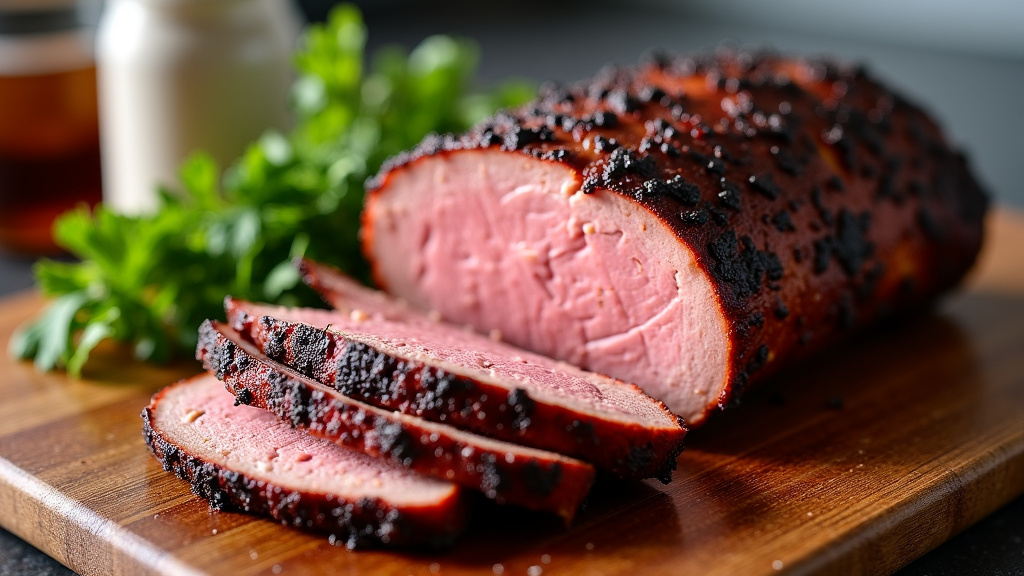
Just like when you first cook brisket, letting it rest after reheating is beneficial. Once your brisket reaches the desired temperature, remove it from the heat source. Cover it loosely with foil. Let it rest for about 10-15 minutes before slicing and serving.
Why rest? This allows the juices to redistribute throughout the meat. When meat is hot, the juices are pushed to the edges. Resting gives them time to settle back into the fibers. This makes your reheated brisket even more tender and moist.
Quick Checklist for Perfect Reheated Brisket
Here’s a handy checklist to ensure your brisket comes out perfectly:
- Choose a low and slow reheating method (oven or sous vide are best).
- Add a source of moisture (broth, au jus, water) to your cooking vessel.
- Cover your brisket to trap steam.
- Don’t overheat! Use a thermometer to check for an internal temp of 160-165°F.
- Allow your brisket to rest for 10-15 minutes after reheating.
Following these steps will help you avoid that dreaded dry, tough leftover brisket. You’ll be enjoying moist, flavorful smoked meat all over again!
“`Conclusion
You’ve learned that reheating smoked brisket doesn’t have to end in disappointment. The key is gentle heat and added moisture. Methods like the low-and-slow oven bake, a quick stovetop simmer, or even precise sous vide can bring your leftovers back to life. Remember to always add a liquid like broth or au jus and cover your brisket to trap steam. After reheating, a short rest lets the juices redistribute for maximum tenderness.
Don’t let good brisket go to waste! Take these tips and confidently reheat your next batch. Your taste buds will thank you for it.
Frequently Asked Questions
Can I reheat brisket in a microwave without it getting dry?
It’s possible, but tricky. Use a lower power setting and heat in short intervals. Always cover the brisket with a damp paper towel to add moisture. This helps create a steamy environment to prevent it from drying out too much.
How much liquid should I add when reheating brisket in the oven?
Aim for about 1/4 to 1/2 inch of liquid in the bottom of your oven-safe dish. This is enough to create steam without submerging the brisket. Beef broth, water, or thinned BBQ sauce all work well.
Is it better to reheat brisket whole or sliced?
For the oven method, reheating a larger piece or thicker slices helps retain moisture better. If using the stovetop or microwave, slicing first can help them heat through more evenly and quickly.
How long does it take to reheat smoked brisket?
Reheating times vary based on method and portion size. In the oven, plan for 30-60 minutes per pound at 250°F. Stovetop takes about 10-15 minutes for slices, and sous vide can range from 1-4 hours.
What’s the best way to get a crispy bark back after reheating?
If you love that smoky bark, reheat your brisket using a moist method first. Then, briefly sear the slices in a very hot pan or on a grill for a minute or two per side. This will crisp up the exterior without drying out the meat inside.
