
How to Manage Airflow in an Offset Smoker?
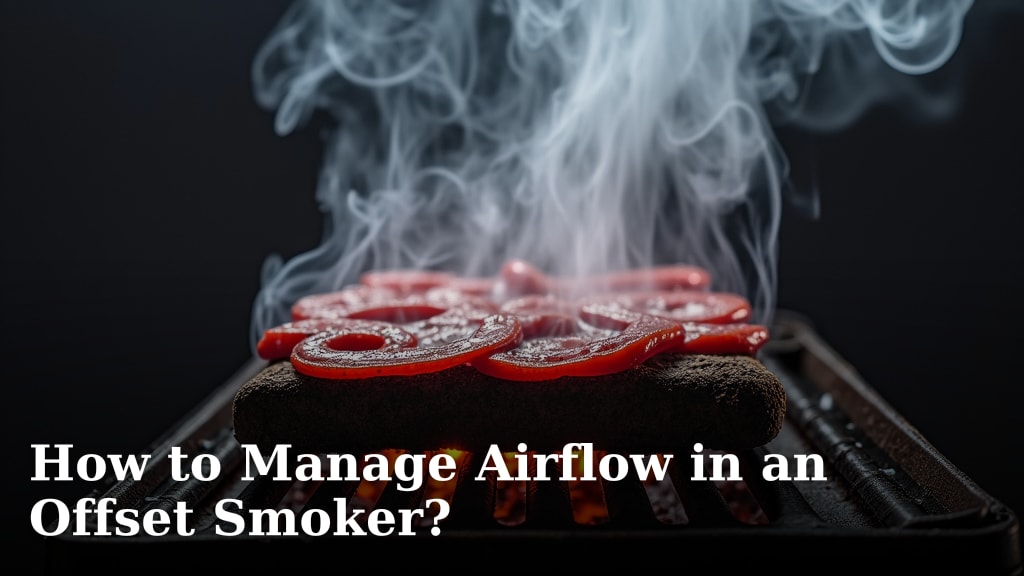
Managing airflow in your offset smoker is key to getting that perfect smoky flavor. You can achieve consistent temperatures and delicious results by controlling how air enters and exits your smoker. Proper airflow means better smoke production and even cooking across your grill.
When you think about offset smoker temperature control, airflow is your best friend. It’s not just about stoking the fire; it’s about letting that fire breathe correctly. Many pitmasters have found that small adjustments make a big difference in taste and smoke ring development.
- Control intake vents for heat.
- Manage exhaust vents for smoke flow.
- Aim for a consistent, thin blue smoke.
- Watch your temperature gauges closely.
- Patience is your secret ingredient.
Ready to take your smoking game to the next level? Let’s walk through exactly how to manage your smoker’s airflow step by step.
Mastering Airflow for Your Offset Smoker
Controlling the air in your offset smoker is like guiding a gentle breath for your fire. It’s the secret sauce to consistent heat and that perfect, wispy smoke. You want your fire to breathe, but not run wild. We found that a little attention here makes a world of difference in your barbecue.
Understanding the Basics: Intake and Exhaust
Your offset smoker has two main openings for air: the intake and the exhaust. The intake vent, usually on the firebox, lets fresh oxygen in. This is what fuels your fire. The exhaust vent, typically at the top of the smoker’s main chamber, lets the hot air and spent smoke escape. Getting the balance right between these two is your main goal for controlling temperature and smoke quality.
The Role of the Intake Vent
Think of the intake vent as your smoker’s nostrils. Open it wider, and you give your fire more air. This means a hotter fire. Close it down, and you starve the fire of oxygen, making it burn cooler. Most offset smokers have adjustable intake vents. You’ll want to learn how yours works. A small opening might be all you need for a steady burn. Sometimes, you might need to open it up to get your fire going or to increase the heat.
The Function of the Exhaust Vent
The exhaust vent is like the chimney. It controls how quickly the heat and smoke leave the cooking chamber. If you close the exhaust too much, heat and smoke can build up. This can create a sour, acrid smoke. We found that a slightly open exhaust helps maintain a clean, thin smoke. It also helps prevent creosote buildup. Many pitmasters leave the exhaust vent about halfway open to start. You can then adjust it as needed.
Achieving the Perfect Smoke: Thin Blue Smoke
The color of your smoke tells a story. White, thick smoke is often a sign of an inefficient burn. It’s like your fire is smoldering and producing a lot of creosote. This can make your food taste bitter. The goal is The goal is thin, wispy blue smoke that indicates a clean, hot burn.thin, wispy blue smoke. This indicates a clean, hot burn. It’s the kind of smoke that imparts the best flavor and creates that coveted smoke ring.
Why Thin Blue Smoke Matters
When your fire burns clean, it produces flavorful smoke particles. These are what you want to infuse into your meat. Thick, white smoke is full of water vapor and creosote. It’s more likely to leave a sooty, unpleasant taste on your food. Many grilling experts recommend aiming for smoke that looks like it could drift away easily. You should almost be able to see through it.
How to Get Thin Blue Smoke
To achieve thin blue smoke, you need a hot enough fire. Make sure your coals are fully lit before adding wood. Don’t overload the firebox with too much unseasoned wood. Start with a small amount of clean-burning hardwood. We found that lump charcoal burns hotter and cleaner than briquettes, helping you reach that ideal fire temperature faster (AmazingRibs.com). Once you have a good bed of coals, add smaller splits of seasoned wood. Adjust your intake vent to maintain a steady temperature. If the smoke gets too thick and white, open the intake vent a bit more to give the fire more oxygen. You can also slightly open the exhaust to help clear out the excess smoke.
Temperature Control: A Balancing Act
Your smoker’s temperature is directly linked to airflow. More air means a hotter fire. Less air means a cooler fire. It’s a delicate balance you’ll learn to master with practice. Your target temperature depends on what you’re cooking, but consistency is key.
Using Your Intake Vent for Heat Adjustment
When you need to increase the temperature, gradually open your intake vent. Watch your thermometer. You’ll see the temperature climb. If the temperature gets too high, you’ll need to close the intake vent a little. Be patient with these adjustments. Small changes can have a big effect. We found that it’s better to make small, incremental adjustments rather than large ones. This helps prevent overshooting your target temperature.
Using Your Exhaust Vent for Smoke Flow and Heat Management
While the intake vent is the primary control for temperature, the exhaust vent plays a supporting role. If your temperature is creeping up too high, even with a slightly closed intake, you might need to adjust the exhaust. Opening the exhaust vent allows more heat to escape. This can help bring the temperature down. However, remember that opening the exhaust too much can also make your fire burn hotter by improving draw. It’s a bit like a dance between the two vents.
Maintaining a Consistent Cook
Once you’ve dialed in your temperature and smoke, the goal is to keep it there. This means monitoring your smoker and making small adjustments as needed. Your fuel source will burn down over time, which will affect your temperature.
The Importance of Monitoring and Adjusting
Check your smoker’s temperature gauge regularly, perhaps every 30 minutes. Listen to the sound of your fire. A good, steady fire has a consistent, gentle crackle. If it sounds like it’s sputtering or dying down, you may need to add more fuel or adjust your vents. As the wood burns, it turns to ash. This ash can sometimes block airflow. You might need to clear out some ash from the firebox occasionally to ensure a good burn.
Fueling Your Smoker Correctly
When adding more wood, try to maintain your fire. Don’t just toss a huge log on a dying fire. Instead, add smaller splits of seasoned wood. Place them where they can catch fire easily. Many pitmasters recommend using a split of wood that’s about one-third the size of what you might think you need. This helps keep the fire from flaring up and producing thick smoke. We found that using properly seasoned hardwood, like oak or hickory, burns more efficiently and produces cleaner smoke than green or wet wood (USDA Forest Service). Keep your intake vent open enough to allow the new wood to catch and burn well.
Your Airflow Checklist for Success
Here’s a quick rundown to keep your airflow in check:
- Start with a clean firebox and main chamber.
- Get your coals fully lit before adding wood.
- Aim for thin, blue smoke, not thick white smoke.
- Use your intake vent to control the main temperature.
- Adjust your exhaust vent to manage smoke and heat draw.
- Monitor and make small, consistent adjustments.
Conclusion
You’ve learned that mastering airflow is your most powerful tool for offset smoking success. By understanding how your intake and exhaust vents work together, you can achieve that coveted thin blue smoke. This leads to consistent temperatures and incredibly flavorful barbecue. Keep practicing those small adjustments. Your patience will pay off with delicious results. Now, go fire up that smoker and put your new skills to the test!
Frequently Asked Questions
How do I know if my intake vent is open too much?
If your smoker’s temperature is climbing rapidly and is difficult to control, your intake vent is likely too open. You might also see a large, billowing white smoke, indicating an inefficient burn. Try closing it down a bit slowly until the temperature stabilizes.
Can I use the exhaust vent to make my smoker hotter?
While the intake vent is the primary temperature control, adjusting the exhaust can influence heat. Closing the exhaust too much can stifle airflow and cool the fire. Opening it slightly can improve the draw, feeding the fire more oxygen and potentially increasing the heat. It’s a balancing act with the intake.
What’s the best type of wood for producing thin blue smoke?
Clean-burning hardwoods like oak, hickory, and maple are excellent choices. The key is using properly seasoned wood. Wet or unseasoned wood will produce more steam and creosote, resulting in thick, white smoke. Start with smaller splits of hardwood to get a clean burn.
How often should I check my smoker’s temperature when managing airflow?
It’s a good practice to check your smoker’s temperature every 30 minutes. This allows you to catch any temperature fluctuations early. You can then make small, incremental adjustments to your vents as needed to maintain your target range.
Why does thick white smoke taste bad on my food?
Thick white smoke is a sign of an incomplete combustion. It’s often full of water vapor and creosote, which are byproducts of a smoldering fire. These compounds can impart a bitter, acrid, and unpleasant flavor to your meat, overshadowing the desirable smoky notes.
