
How to Make a BBQ Rub for Smoking?
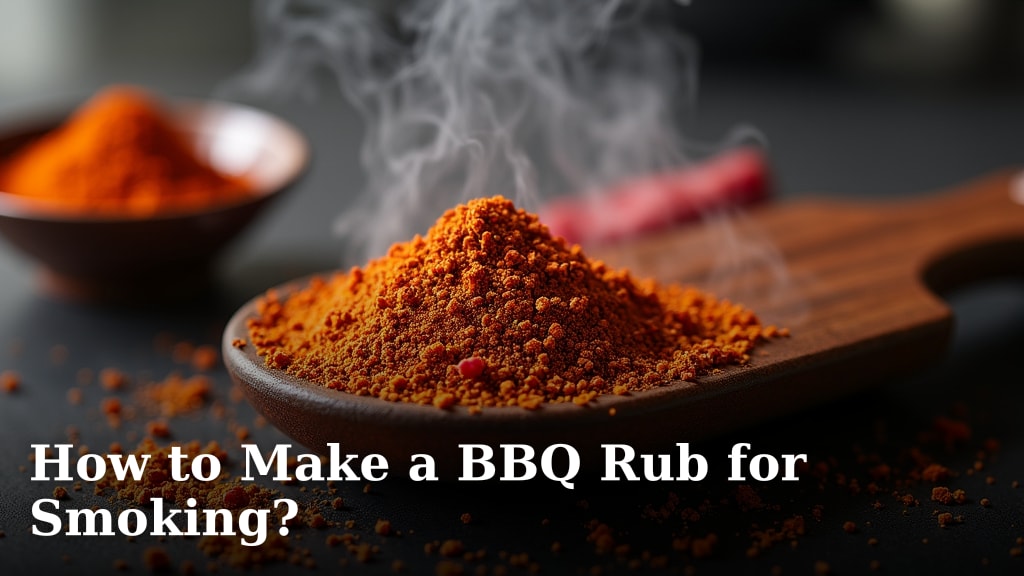
Making your own BBQ rub for smoking is surprisingly simple and allows you to tailor flavors perfectly. You can whip up a delicious dry rub in minutes using common pantry spices for amazing smoked meats. Think of it as your secret weapon for barbecue bragging rights.
A good rub acts as a flavor enhancer, forming a crust when cooked. It protects the meat and adds layers of taste beyond just salt and pepper. Experimenting with different spices lets you create unique profiles for pork, chicken, or brisket. It’s all about finding your personal barbecue masterpiece.
- Basic ingredients are salt, pepper, garlic powder, onion powder, and paprika.
- Sweetness can come from brown sugar or paprika.
- Spice it up with cayenne, chili powder, or smoked paprika.
- Experiment with herbs like thyme or rosemary for added depth.
- Always taste and adjust before applying to your meat. Always taste and adjust your rub before applying it to your meat, and consider using a meat thermometer to ensure proper cooking.
Ready to ditch the store-bought stuff and create a rub that will make your BBQ unforgettable? Let’s get mixing!
You’ve got the meat, you’ve got the smoker, now let’s talk about that magic dust. Making your own BBQ rub for smoking is where you really start to personalize your barbecue. It’s not just about adding flavor; it’s about creating a crust that locks in moisture and adds a fantastic texture. Forget those pre-made mixes that all taste the same. Let’s dive into how you can create a rub that’s uniquely yours.
Building Your Perfect Smoker Rub Recipe
Creating a great BBQ rub is more art than science, but there are some fundamental building blocks. Think of it like painting. You start with a base, then add layers of color and texture. We’ll cover the essentials and then get into some fun variations.
The Essential Foundation: Salt and Pepper
You absolutely cannot go wrong starting with salt and pepper. These are the cornerstones of flavor. Salt does more than just make things taste good; it actually helps the meat retain moisture. Pepper adds that gentle kick and a bit of warmth. Many pitmasters swear by a simple 50/50 mix of kosher salt and coarse black pepper for many meats. This combination is classic for a reason – it’s simple and remarkably effective.
Why kosher salt? Its larger, irregular crystals dissolve slower than fine table salt. This means it doesn’t penetrate the meat too quickly and draws out excess moisture initially. It’s a chef’s secret for getting a tender bite. For pepper, coarse grind is best. It gives you visible flecks and a more robust flavor than finely ground pepper, which can get lost.
Adding Aromatics and Depth
Once you have your salt and pepper base, it’s time to add some aromatic players. These are the spices that bring the fragrance and complexity. They fill out the flavor profile and make your rub truly sing.
Garlic and Onion Powder are Your Friends
Garlic and onion powder are non-negotiable for most BBQ rubs. They offer a concentrated, savory flavor that blends beautifully. You get that allium punch without the moisture or burning issues of fresh garlic or onion. We found that equal parts garlic and onion powder create a balanced savory base. Many seasoned barbecue enthusiasts suggest starting here.
Paprika: The Color and the Kick
Paprika is a superstar in the rub world. It brings a beautiful reddish-brown color, which is key to that appetizing bark on smoked meats. It also adds a mild sweetness or a touch of heat, depending on the type you use. We found that sweet paprika is a great starting point for most rubs. It lends a gentle, fruity note.
| Spice | Flavor Profile | Best For |
|---|---|---|
| Kosher Salt | Salty, Enhances other flavors | All meats |
| Coarse Black Pepper | Pungent, Slightly spicy | All meats, especially beef and pork |
| Garlic Powder | Savory, Aromatic | All meats |
| Onion Powder | Sweet, Savory, Aromatic | All meats |
| Paprika (Sweet) | Mild sweetness, Earthy, Color | Pork, chicken, beef |
| Brown Sugar | Sweetness, Caramelization | Pork ribs, chicken wings |
| Cayenne Pepper | Spicy heat | Adding kick to any rub |
| Chili Powder | Earthy, Mild heat, Complex | Brisket, pork shoulder |
Bringing in Sweetness
Sweetness is often the key to a perfectly balanced BBQ rub. It plays off the savory spices and helps create that caramelized crust on your meat. Without a touch of sweet, rubs can sometimes taste a bit flat.
The Magic of Brown Sugar
Brown sugar is a barbecue rub’s best friend. Its molasses content adds a rich, deep sweetness and helps with caramelization. When smoked, it turns into a beautiful, dark bark. You’ll find it in many classic pork rub recipes. Just a tablespoon or two can make a world of difference.
A word of caution: brown sugar can burn if your smoker runs too hot. If you’re smoking at temperatures above 275°F (135°C), you might want to use it more sparingly. Or, you can add it later in the cook. Some pitmasters prefer turbinado or even white sugar for higher heat cooks. These sugars caramelize a bit differently.
Other Sweeteners to Consider
You’re not limited to just brown sugar. White sugar can work, though it won’t impart that molasses flavor. Maple sugar or even honey granules can offer unique twists. Many research papers on food science note how different sugars react to heat, impacting bark formation (NCBI).
Turning Up the Heat: Adding Spice and Kick
Now for the fun part: adding that little bit of fire! A good rub should have a pleasant warmth, not necessarily a searing burn. You want to complement the meat, not overpower it. There are several ways to add that gentle heat.
Cayenne Pepper for a Direct Punch
Cayenne pepper is pure heat. It’s dried and ground from hot chili peppers. A little goes a long way. If you want a rub that really wakes up the palate, start with a teaspoon and work your way up. It’s a direct, clean heat that’s easy to control. Many find that a quarter teaspoon per cup of rub is a good starting point.
Chili Powder for Layered Flavor
Don’t confuse chili powder with cayenne. Standard chili powder is usually a blend of ground chili peppers, cumin, oregano, and garlic powder. This means it adds both heat and a wonderful, earthy, savory complexity. It’s a more rounded flavor than pure cayenne. It’s fantastic on beef and pork.
Smoked Paprika: Double Duty Delight
If you have smoked paprika, you’re in for a treat. It’s paprika that has been smoked over wood, giving it a deep, smoky flavor profile. This can add an incredible dimension to your rub, especially if you’re not getting enough smoke from your cooker. It also has a lovely, rich color.
Herbs and Other Flavor Boosters
Beyond the core spices, you can add herbs and other exciting ingredients to give your rub even more character. These are where you can really start to experiment and innovate.
A Touch of Herbaceousness
Dried herbs like thyme, rosemary, oregano, and even sage can add wonderful aromatic notes. Thyme and rosemary pair exceptionally well with pork and chicken. Oregano is a classic in many chili powders and works great on beef. You only need a small amount, as dried herbs are potent. A half teaspoon is often plenty for a standard batch of rub.
The Umami Element: A Secret Ingredient?
For an extra layer of savory goodness, consider adding a dash of something like dried mushroom powder or even a little MSG (monosodium glutamate). Research suggests MSG enhances the perception of savoriness, often called umami. Many chefs use it to add that “something extra”. Just a tiny pinch is needed.
Putting It All Together: Your First Rub Recipe
Ready to mix your first rub? Let’s create a versatile, crowd-pleasing blend. This is a great starting point, and you can adjust it to your taste.
The Go-To All-Purpose Smoker Rub
This recipe is fantastic for pork ribs, pork shoulder, chicken, and even beef. It hits all the right notes: savory, a touch of sweet, and a little warmth. It’s a You’ll find it in many classic pork rub recipes.foolproof recipe for beginners.
- 1/2 cup packed brown sugar
- 1/4 cup kosher salt
- 1/4 cup sweet paprika
- 2 tablespoons coarse black pepper
- 2 tablespoons garlic powder
- 1 tablespoon onion powder
- 1 teaspoon cayenne pepper (adjust to your heat preference)
- 1 teaspoon chili powder
Mix these ingredients thoroughly in a bowl. Make sure there are no clumps. You can use a whisk for this. Store your rub in an airtight container in a cool, dry place. This will keep it fresh for several months. When you’re ready to use it, just shake it on your meat. You want a nice, even coating. A common guideline is about 1/4 cup per pound of meat, but always adjust based on the meat cut and your preference.
How Much Rub Should You Use?
The amount of rub you apply is really up to you. Many people like a thick, visible coating of rub on their meat. This helps form a flavorful bark. A good rule of thumb is to aim for a layer that evenly covers the surface. You should still be able to see some of the meat underneath, but not much.
For a rack of ribs, you might use about 1/4 cup. For a pork butt, closer to 1/2 cup or more. It’s better to apply it generously than too sparingly. You can always brush off excess if needed, but it’s hard to add more once the meat is cooking. We found that applying it at least 30 minutes before cooking allows the salt to start working and the flavors to meld.
Tips for Smoker Rub Success
Here are a few final tips to ensure your homemade rub is a hit every time. These are small adjustments that can lead to big improvements.
- Taste Your Rub First: Before you put it on the meat, take a tiny pinch and taste it. Does it need more salt? More heat? A little sweetness? Adjust accordingly.
- Mix in Small Batches: Spices can lose potency over time. Start with smaller batches until you find your perfect blend.
- Airtight Storage is Key: Keep your rub in a sealed container away from heat and light to preserve its freshness and flavor.
- Apply Evenly: A good, consistent coating is important for even cooking and flavor distribution.
- Don’t Forget the Sides: Sometimes, it’s nice to sprinkle a little rub on the ends or any exposed edges of the meat.
- Experimentation is Encouraged: Don’t be afraid to swap out spices or add new ones. That’s how you find your signature flavor!
Conclusion
You’ve now got the know-how to craft your very own BBQ rub for smoking. Remember, the magic lies in combining basic spices like salt, pepper, garlic, and onion powder with the right touch of sweetness and heat. Don’t be afraid to experiment with different paprikas, chili powders, or even dried herbs to find your signature blend. Start with our all-purpose recipe, taste, and tweak it until it’s perfect for your palate. Your next barbecue masterpiece is just a mixing bowl away!
Frequently Asked Questions
How long can I store my homemade BBQ rub?
Your homemade BBQ rub can be stored in an airtight container in a cool, dry place for up to six months. After this time, the spices may start to lose some of their potency and flavor. It’s best to mix smaller batches if you don’t use rub frequently.
Can I use fine salt instead of kosher salt in my rub?
You can, but we found kosher salt is preferable. Fine table salt is more densely packed, so a tablespoon of fine salt is much saltier than a tablespoon of kosher salt. This can make it harder to measure accurately and can lead to over-salting your meat.
What’s the difference between chili powder and cayenne pepper in a rub?
Cayenne pepper provides pure heat. Chili powder, on the other hand, is usually a blend of ground chilies with other spices like cumin and oregano, offering both heat and a more complex, earthy flavor profile.
How do I know if I’ve used enough rub on my meat?
A good coating of rub should evenly cover the surface of your meat. You should be able to see the spices, but still be able to see a bit of the meat underneath. Aim for about 1/4 cup of rub per pound of meat as a starting point.
Can I add sugar to my rub if I’m smoking at a higher temperature?
Yes, but be cautious. Sugars caramelize and can burn at higher smoking temperatures (above 275°F or 135°C). If you’re smoking hot and fast, you might want to use less sugar, use a sugar like turbinado, or even add it towards the end of the cooking process.
