Can You Use a Smoker in an Apartment?
On this page (7 sections)
Yes, you can use a smoker in an apartment, but with some very important caveats. Most apartments have strict rules about open flames and smoke production, which significantly limits your options.
You’ll need to consider your apartment complex’s regulations, local fire codes, and the comfort of your neighbors. Electric smokers are usually your best bet for apartment living, as they produce less smoke and are often allowed on balconies or patios.
- Apartments often restrict outdoor cooking.
- Electric smokers are generally safer and produce less smoke.
- Always check your lease agreement first.
- Ventilation and fire safety are key concerns.
Understanding these limitations will help you decide if apartment smoking is right for you. Let’s explore your options and the rules you should follow.
Apartment Smoking: Understanding Your Restrictions
Apartment living brings certain limitations, especially when it comes to outdoor cooking. Before you even think about buying a smoker, you need to understand the rules. Ignoring these can lead to fines, eviction, or even dangerous situations.
Your first step is always to check your lease agreement. This document is the ultimate guide to what you can and cannot do on your property.
Lease Agreement & Apartment Policies
Your lease agreement will often have a section on outdoor cooking or grilling. Look for terms like “barbecues,” “grills,” “open flames,” or “smoking devices.” Some leases explicitly forbid any type of smoker, while others might allow certain types under specific conditions.
If your lease isn’t clear, don’t guess. Contact your landlord or apartment management. Get their approval in writing. A quick phone call followed by an email confirming the conversation is a great way to protect yourself. You want a clear understanding of their policy before investing in new equipment.
Fire Safety & Local Ordinances
Beyond your lease, there are city or county fire codes that apply to everyone. These ordinances are designed to keep everyone safe. They often dictate where grilling or smoking devices can be used, and what types are allowed. For example, many codes prohibit any type of grill or smoker on balconies above the first floor (National Fire Protection Association).
These codes aim to prevent fires from igniting nearby structures or spreading quickly. A small ember from a charcoal smoker can cause a major fire hazard in a densely populated apartment complex. Always prioritize safety for yourself and your neighbors.
Choosing the Right Smoker for Apartment Life
Not all smokers are created equal, especially when it comes to apartment settings. Some are far better suited to smaller spaces and stricter rules than others. Your choice here is crucial for staying within guidelines and keeping your neighbors happy.
The key factors to consider are smoke production and flame risk. Most apartment complexes will focus on these two points when evaluating what’s allowed.
Electric Smokers: Your Best Bet
Electric smokers are often the most apartment-friendly option. They don’t use charcoal or propane, so there’s no open flame. This immediately reduces the fire risk significantly. Many apartment complexes that ban other types of smokers might allow electric models.
These smokers typically produce a much cleaner, less intense smoke. They use wood chips or pellets within a heating element. This means fewer complaints from neighbors about strong smoke odors drifting into their units.
- Minimal open flame risk.
- Lower, cleaner smoke output.
- Consistent temperature control.
- Often permitted where others are not.
Pellet Smokers: A Potential Option
Pellet smokers are another possibility, but they come with more considerations. They burn wood pellets, which means they do have a heating element and can produce more smoke than electric models. The smoke is generally thin and blue, which is good, but there’s still a noticeable odor.
These smokers also have a small igniter that creates a flame to start the pellets. While contained, it’s still an element to consider. Check with your landlord specifically if a pellet smoker is allowed. They often fall into a gray area between electric and traditional charcoal smokers.
What About Charcoal & Gas Smokers?
For most apartment dwellers, charcoal and gas smokers are typically off-limits. Charcoal smokers produce a lot of heavy smoke and use an open flame with hot coals. This presents a high fire risk, especially on balconies or patios.
Gas smokers (propane) also involve an open flame and a gas cylinder, which many apartments prohibit due to explosion risks. It’s rare to find an apartment complex that permits either of these types. If you’re hoping to use one, prepare for disappointment. Fire safety regulations often make these impossible for apartment living.
Ventilation and Neighbor Considerations
Even if your lease allows an electric or pellet smoker, common courtesy and good ventilation are paramount. You want to enjoy your food without becoming “that neighbor.” Strong food smells can be a nuisance, and excessive smoke can trigger fire alarms.
Think about where your smoke will go. Does it drift directly into a neighbor’s window? Upward into an upstairs apartment? Being mindful of others is a big part of successful apartment smoking.
Managing Smoke Odor
Even “clean” smoke has an odor. To minimize impact, choose cuts of meat that require less smoking time. Use smaller amounts of wood chips for shorter periods. You’re not trying to create a smokehouse in your apartment. We found that light blends of fruitwoods like apple or cherry tend to produce a milder, more pleasant aroma (based on anecdotal chef reviews).
Consider the wind direction. If possible, position your smoker so that the smoke blows away from adjacent units. A little planning can prevent neighbor complaints and ensure your smoking privilege isn’t revoked.
Placement and Fire Safety Distances
Where you place your smoker matters. Ensure it’s never too close to the building, railings, or any flammable materials. Many fire codes recommend a minimum distance of 10 feet from any structure for outdoor cooking appliances. While this can be challenging on a small balcony, do your best to maximize the distance.
Always have a fire extinguisher or a bucket of water readily available. Never leave your smoker unattended. A quick flare-up can escalate rapidly. Safety is non-negotiable, even with less risky electric models.
Essential Checklist for Apartment Smoking
Before you fire up that smoker, run through this quick checklist. It will help ensure you’ve covered all your bases and are ready for a safe and enjoyable smoking experience.
- Read your entire lease agreement for outdoor cooking rules.
- Get written permission from your landlord or management.
- Research local fire codes and ordinances for apartment complexes.
- Choose an electric or pellet smoker (if permitted).
- Ensure proper ventilation and distance from neighbors’ windows.
- Have a fire extinguisher or water source within reach.
Alternative Smoking Methods for Apartments
If traditional or electric smokers are completely off-limits, don’t despair! There are still ways to achieve that delicious smoky flavor in an apartment setting. You might just need to get a little creative with your cooking methods.
These alternatives usually involve less smoke and no open flames, making them much more acceptable for indoor or balcony use. You can still enjoy smoky ribs or brisket, just with a slightly different approach.
Indoor Smoking Devices
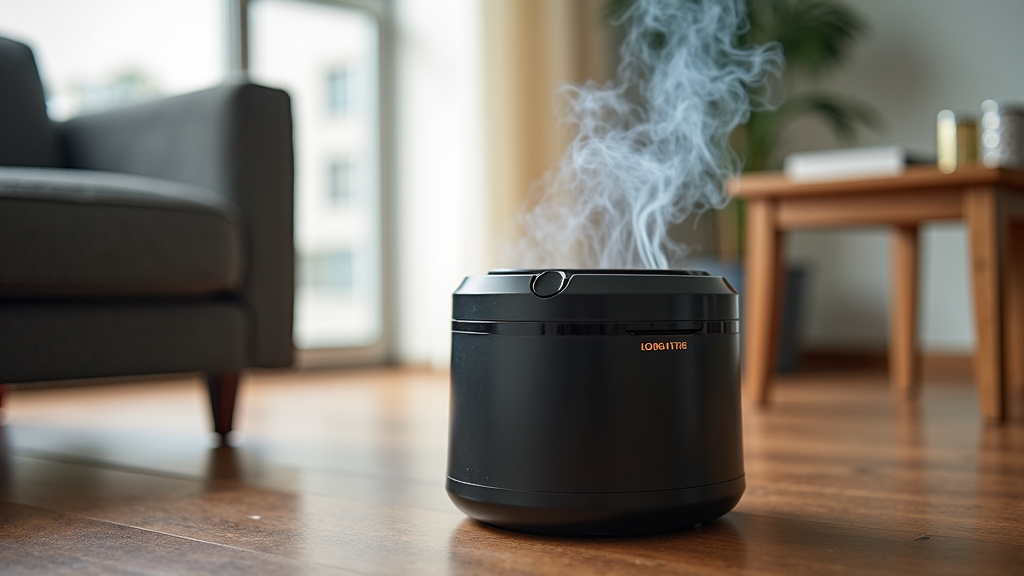
Yes, indoor smokers exist! These are small, sealed units designed to be used on your kitchen countertop. They use wood chips and low heat to infuse food with smoke. They are generally well-vented and produce minimal smoke directly into your living space. Many even have built-in filters (Food Safety and Inspection Service).
This is an excellent option if outdoor smoking is completely forbidden. You can enjoy smoked cheeses, fish, and smaller cuts of meat without bothering anyone. Just make sure your kitchen has a good exhaust fan and that you monitor the device closely.
Liquid Smoke & Smoked Spices
For the absolute cleanest way to add smoky flavor, turn to liquid smoke or smoked spices like paprika or salt. Liquid smoke is a condiment that captures the essence of smoke in a bottle. A few drops added to marinades, sauces, or rubs can give you a convincing smoky taste.
Similarly, smoked spices offer a subtle background note of smoke. While not the same as slow-smoked barbecue, these options allow you to achieve some smoky flavor without any smoke production at all. It’s about enjoying the flavor profile, even if the method is different.
Conclusion
So, can you use a smoker in an apartment? Yes, but it takes careful planning and adherence to rules. Your lease, local codes, and neighborly consideration are your guiding principles. Prioritizing fire safety and managing smoke are absolutely essential for a positive experience. By choosing the right equipment, especially an electric smoker, and understanding your environment, you can still enjoy delicious smoked foods. Make sure you get all approvals in writing. Your smoky ambitions are possible with the right approach!
Frequently Asked Questions
How can I make smoke less noticeable to neighbors?
To keep smoke low, use smaller amounts of wood chips for shorter periods. Position your smoker so that the wind carries smoke away from other units. Using lighter wood types like apple or cherry can also produce a milder aroma.
Are there any apartment complexes that actually allow charcoal or gas smokers?
It’s very rare, almost impossible, to find an apartment complex that allows charcoal or gas smokers due to fire risks and local ordinances. These types of smokers often involve open flames and intense heat, which are generally forbidden on balconies or patios in multi-unit dwellings.
What if my landlord says no to any type of smoker?
If your landlord prohibits all outdoor smoking, don’t worry! You can still explore indoor smoking devices or use liquid smoke and smoked spices to achieve that desired flavor. These alternatives produce no open flame or outdoor smoke, offering a satisfying compromise.
How far from the building should I place my electric smoker?
While apartment balconies can be small, try to maximize the distance. Many fire codes recommend at least 10 feet from any structure for outdoor cooking appliances. If 10 feet isn’t possible, ensure it’s as far as safely allowed and never near flammable items.
Can using a smoker trigger my apartment’s fire alarm system?
Smoking directly on a balcony or patio isn’t likely to trigger interior alarms if done correctly. However, excessive smoke drifting into an open window could potentially set off an alarm in your unit or a neighbor’s. Managing smoke output and ventilation is key to avoiding this.