
Why Is My Smoked Turkey Dry?
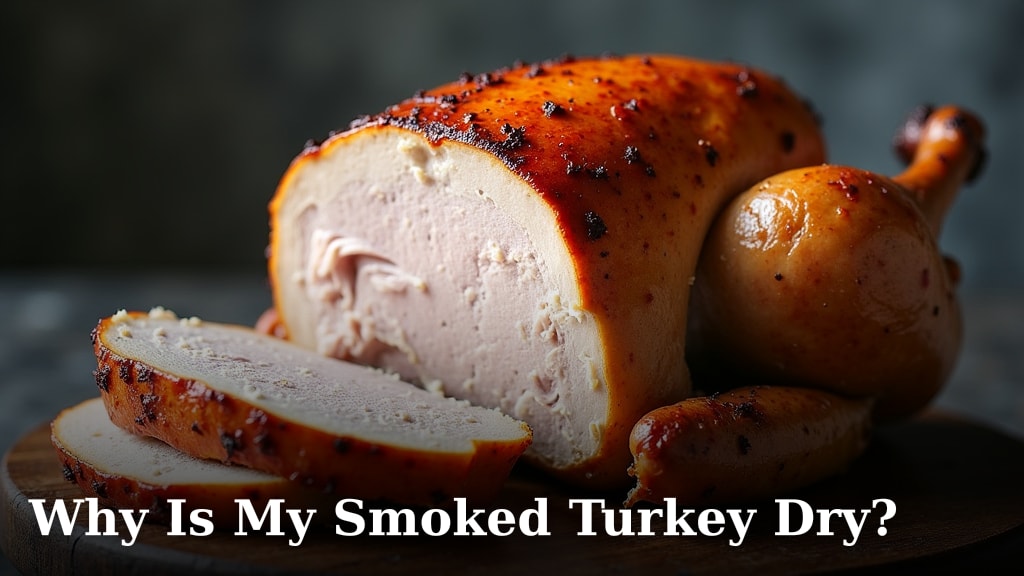
Your smoked turkey can end up dry for a few common reasons. Most often, it’s due to overcooking or not brining the bird properly. Ensuring the turkey reaches the right internal temperature and allowing it to rest are also key factors in keeping it moist and delicious. We’ll show you how to avoid that disappointing, dry bird.
A dry smoked turkey doesn’t have to be your fate. Understanding the science behind smoking and proper turkey preparation can make a huge difference. We found that many factors, from the type of wood you use to how you monitor the temperature, play a role in the final moisture content. Let’s fix that dry turkey problem!
TL;DR:
- Overcooking is the top culprit for dry smoked turkey.
- Not brining your turkey can lead to a drier outcome.
- Using a meat thermometer is essential for perfect doneness.
- Resting the turkey after smoking helps redistribute juices.
Ready to achieve perfectly moist smoked turkey? We’re about to break down the common pitfalls and share the secrets to a juicy bird every time.
Troubleshooting Your Dry Smoked Turkey
Did your smoked turkey turn out drier than the Sahara? You’re not alone. Many home cooks face this common problem. Let’s get to the bottom of why your bird might be less moist than you hoped. We’ll focus on the most frequent culprits.
Understanding the Core Reasons for Dryness
Several factors can contribute to a dry smoked turkey. The most common issue we found is overcooking. It’s easy to let a bird sit on the smoker a little too long. Another major player is improper preparation, like skipping the To ensure even cooking, consider learning about proper placement in your smoker.brining process.
The Overcooking Trap
This is hands-down the biggest offender. Turkey, especially lean breast meat, can go from perfectly cooked to dry very quickly. Think of it like a marathon runner. They need to hit their target pace, but going too fast or too slow can ruin the race. Your turkey is similar. It needs to reach a specific internal temperature, but exceeding that temperature by even a few degrees can start to dry it out.
Many people rely on timing alone. They say, “A turkey takes X hours per pound.” But this is a dangerous game. Every bird is different. Factors like altitude, humidity, and the actual starting temperature of the bird matter. We found that relying solely on time often leads to a dry bird.
The Brining Basics: A Moisture Insurance Policy
Have you ever wondered why restaurant turkey is so consistently juicy? Brining is often their secret. Brining involves soaking the turkey in a saltwater solution. This solution helps the meat retain moisture during the cooking process. It’s like giving your turkey a drink before it faces the heat.
There are two main types of brines: wet and dry.
- Wet Brine: This is a classic saltwater solution, often with sugar and seasonings. You submerge the entire turkey in it. It adds moisture directly to the meat.
- Dry Brine: This method involves rubbing the turkey with salt and seasonings. The salt draws out moisture initially, then reabsorbs it. This creates a more concentrated flavor and a crispier skin.
Mastering Temperature: Your Digital Thermometer is Key
If overcooking is the main villain, then your meat thermometer is your superhero. You absolutely need one. Forget the pop-up timers that come with turkeys; they are notoriously unreliable. A good digital meat thermometer is your best friend for achieving a perfectly cooked, moist smoked turkey.
Where to Insert Your Thermometer
The goal is to measure the temperature in the thickest part of the meat, away from any bones. For a whole turkey, this typically means the thickest part of the thigh. You want to get a reading here without touching the bone. The bone conducts heat differently, giving you a false reading.
Many people also check the breast meat. The ideal temperature for both is around 165°F (74°C). We found that checking both the thigh and the breast ensures that even the leaner parts of the turkey are cooked safely without drying out the whole bird.
Understanding Safe Cooking Temperatures
The USDA recommends a minimum internal temperature of 165°F (74°C) for poultry. This temperature is crucial for killing harmful bacteria. However, for smoked turkey, many pitmasters aim for slightly higher temperatures in the thigh, around 170-175°F (77-79°C), while ensuring the breast doesn’t go much past 165°F (74°C).
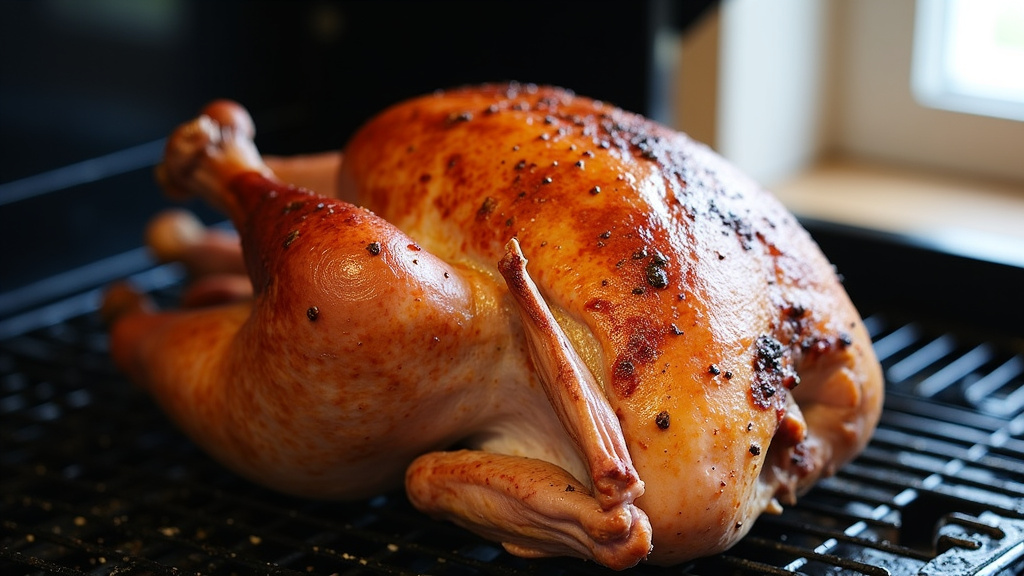
Why the slight variation? The thigh meat is tougher and benefits from a little extra cooking time to become tender. The breast meat, being leaner, dries out very fast. Using an instant-read thermometer allows you to monitor these different areas precisely. We found that a temperature probe that stays in the bird, connected to an external display, is incredibly helpful for continuous monitoring.
The Importance of Resting Your Turkey
You’ve pulled your turkey off the smoker. It looks beautiful! Now, you can’t wait to carve it. Hold on just a moment. Resting the turkey is a non-negotiable step for a moist bird. When you cook meat, the muscle fibers tighten up. This pushes the juices towards the center.
If you cut into the turkey immediately, all those beautiful juices will pour out onto the cutting board. You’ll be left with dry meat. Resting allows the muscle fibers to relax. This lets the juices redistribute throughout the entire bird. Think of it like letting a stressed-out person relax after a long day; they become more pliable and pleasant.
How Long Should You Rest?
A good rule of thumb is to let your turkey rest for at least 20-30 minutes for smaller birds, and up to an hour for larger ones. Tent it loosely with foil. This keeps it warm without steaming the skin, which you want to keep crispy.
We found that many home cooks skip this vital step because they’re eager to eat. However, this short waiting period makes a world of difference in the final moisture. It’s a simple habit that yields incredibly juicy results.
Other Factors Affecting Turkey Moisture
While overcooking, lack of brining, and skipping the rest are the big three, other elements can play a role. Understanding these can help you fine-tune your smoking technique.
Type of Smoker and Wood
Different smokers operate at different temperatures and moisture levels. An electric smoker might run hotter and drier than a WSM (Weber Smokey Mountain) or a kamado grill. The type of wood you use also imparts flavor but can affect moisture.
For example, using too much of a strong wood like hickory can lead to an overpowering flavor. While this doesn’t directly cause dryness, it can mask other issues. We found that maintaining a consistent smoker temperature is more important than the specific type of wood for preventing dryness. Aim for that 225-250°F (107-121°C) range.
Turkey Size and Skin Integrity
Larger birds can be harder to cook evenly. They might require different approaches, like spatchcocking (removing the backbone and flattening the bird). This allows for more even heat circulation. Spatchcocking also exposes more skin to the smoke, leading to great flavor and crispiness.
Don’t forget the skin! A well-rendered, crispy skin acts as a natural barrier, helping to keep the meat underneath moist. If your skin is rubbery or broken, moisture can escape more easily. Proper preparation and smoking temperatures help achieve that perfect crisp.
A Quick Checklist for a Moister Bird:
Want to avoid dry smoked turkey next time? Keep this list handy:
- Always brine your turkey, wet or dry.
- Use a reliable digital meat thermometer.
- Cook to 165°F (74°C) in the breast, thighs can be slightly higher.
- Rest your turkey for at least 30 minutes before carving.
- Don’t rely on cooking time alone; use temperature as your guide.
- Consider spatchcocking for more even cooking.
Conclusion
Don’t let dry smoked turkey become your holiday nemesis. You’ve learned that the culprits are often simple: overcooking, a lack of brining, or skipping the essential resting period. By mastering your meat thermometer, understanding safe temperatures, and giving your bird time to relax post-smoke, you’re well on your way to juicy perfection. Start implementing these techniques on your next cook. You’ve got this!
Frequently Asked Questions
Can I brine a turkey I bought already frozen?
Yes, you absolutely can! Ensure your frozen turkey is fully thawed before you begin brining. Thawing in the refrigerator is the safest method. Once thawed, you can proceed with your wet or dry brine just as you would with a fresh bird.
What’s the best wood for smoking turkey to keep it moist?
The type of wood mainly affects flavor, not moisture. What matters most is maintaining a consistent smoker temperature between 225-250°F (107-121°C). Popular choices like apple, cherry, or pecan offer a mild smoke that pairs well with turkey without overpowering it.
My turkey breast is cooked, but the thighs aren’t – what do I do?
This is common due to the varying thickness of the bird. You can carefully remove the breast when it reaches 165°F (74°C) and let it rest while the thighs continue cooking to around 170-175°F (77-79°C). This prevents the lean breast from drying out.
Is it okay to inject my turkey with liquid if I don’t have time to brine?
Injecting can add some moisture and flavor. However, it’s not a direct replacement for brining, which alters the meat’s protein structure to retain juices. For the most moist results, brining is still highly recommended over just injecting.
How can I tell if my turkey is resting long enough?
A good indicator is that the juices will stop running as freely onto the cutting board when you carve. The meat should also feel slightly less firm and more yielding to the touch. Aiming for that 20-30 minute rest is usually sufficient for redistribution.
