Pellet vs Propane Smoker: Which Type Should You Choose? (November 2026)
Choose a pellet smoker for automatic wood-fired cooking, or a propane smoker for simple gas heat and direct manual control. Your best fit depends on flavor, power access, fuel storage and how closely you want to manage each cook.
On this page (9 sections)
- Pellet vs propane smoker: which fuel system fits you?
- Which smoker gives you better temperature control?
- Which smoker produces the best flavor?
- Which smoker needs more daily work?
- Which smoker suits a small patio?
- Which option gives you more cooking flexibility?
- How should you set up a pellet smoker?
- How should you set up a propane smoker?
- Pellet vs propane smoker: which should you choose?
Choose a pellet smoker for automatic wood-fired cooking, or a propane smoker for simple gas heat and direct manual control. The pellet vs propane smoker decision comes down to flavor, temperature management, power access and the work you want to do during a cook.
A pellet smoker burns compressed hardwood pellets in an electrically controlled system. That system feeds pellets to maintain heat while you cook.
A propane smoker uses gas for heat and usually adds wood chips separately for smoke. You control the burner directly and choose the wood for flavor.
Neither choice is right for every backyard. Your fuel storage, outdoor space and cooking habits matter as much as the smoker itself.
Pellet smokers suit cooks who want the cooker to handle fuel delivery. You set a temperature and let the controller work.
Propane smokers suit cooks who want a simple burner and a visible gauge. You make each adjustment yourself.
Flavor works differently in each system. Pellets provide heat and wood flavor together.
Propane provides neutral heat, so the wood chip tray carries the smoke decision. That separation can be helpful or extra work depending on your style.
Power access is a key practical difference. A pellet smoker needs corded electricity for its controller and pellet system.
A propane smoker does not use that type of controller. It still needs safe outdoor placement and a suitable propane connection.
Setup and care also differ. Pellet fuel must stay dry and compatible with your cooker.
Propane fuel needs secure storage and a checked burner, hose and regulator before use. Both systems need cleaning and room to work safely.
This comparison covers how each system works, what it needs outdoors, and which products fit common cooking habits. It looks at temperature control, smoke flavor, daily work and patio space.
Use it to match a smoker to the cooks you actually make. A long overnight cook and a short afternoon cook place different demands on fuel and attention.
 Best for fuel flexibility
Masterbuilt 30-Inch Dual Fuel Propane & Charcoal
 Best for versatile smoke flavor
Traeger Signature Blend Wood Pellets for Pellet
Pellet vs propane smoker: which fuel system fits you?
Pellets combine heat and wood flavor in one fuel, while propane separates heat from smoke. That difference affects storage, cleanup and how you adjust the cooker.
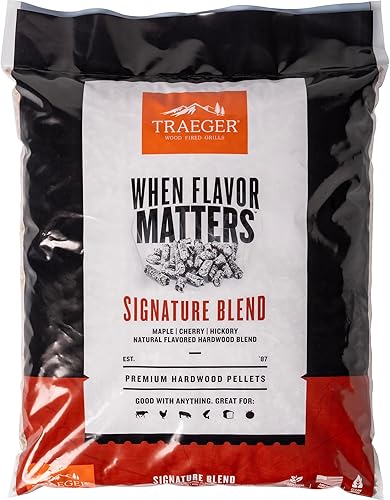
Pellet smokers use small hardwood pellets made for pellet grills and smokers. The Traeger Signature Blend combines hickory, maple and cherry, so one bag gives you a mixed wood profile for meat, seafood, baked goods and vegetables.
Propane smokers burn liquefied petroleum gas in a burner. You add wood chips to a separate tray, then adjust the burner to control the cooking temperature.
A pellet system can feel more integrated because the same fuel supplies heat and smoke. A propane system gives you more direct control over the heat source, but you manage the wood-chip step separately.
If you're still comparing cooker styles, our guide to what type of smoker is best explains how pellet, propane, electric and other designs differ.
Do pellet smokers use propane?
No, pellet smokers do not use propane. They burn hardwood pellets, and many models use corded electricity to power the controller, auger and fan.
The Traeger Pro 22 is a wood pellet grill and smoker with a Digital Pro Controller, an 18 lb hopper and a corded electric power source. Propane is not part of that fuel setup.
A propane smoker uses gas as its heat source. It may use wood chips for smoke, but wood chips don't turn it into a pellet smoker.
Which smoker gives you better temperature control?
Pellet smokers offer more automatic temperature control, while propane smokers give you manual burner control. Choose based on whether you want the cooker to manage fuel delivery or prefer to make the adjustments yourself.
The Traeger Pro 22 covers 180°F to 450°F and uses its Digital Pro Controller to manage the pellet-burning system. Its built-in meat probe also lets you monitor food temperature without opening the lid.
A propane smoker uses a burner and a temperature gauge. The Masterbuilt 30-Inch Dual Fuel Propane & Charcoal has a built-in temperature gauge and push-button ignition, while the PIQUEBAR has a thermometer on its front door.
Manual control isn't automatically a drawback. Some cooks prefer seeing the gauge, adjusting the burner and responding to weather or food load as the cook develops.
Pellet smoker temperature control
Pellet control suits long cooks when you want a target temperature with fewer fuel adjustments. You still need to check the cooker, protect pellets from moisture and follow the manufacturer's operating instructions.
The Traeger Pro 22 can also grill, smoke, bake, roast, braise and BBQ. That makes it more than a low-temperature smoker, although its power and pellet system must be available whenever you cook.
Our electric vs pellet smoker comparison covers the difference between a pellet burn system and an electric heating system.
Propane smoker temperature control
Propane control suits cooks who want a simple burner and a visible gauge. You turn the heat up or down, allow the chamber to settle, then check the temperature again.
A vertical propane smoker can lose heat when you open the door. Keep the door closed when possible, use the water pan and wood chip tray as intended, and make changes in small steps.
The Masterbuilt adds an air damper for smoke control. The PIQUEBAR uses removable water and wood chip trays that can be accessed without opening the main cooking chamber.
Which smoker produces the best flavor?
Choose pellets for built-in wood-fired flavor, or propane when you want to select wood chips separately. The best result depends on the wood, airflow and cooking method as much as the heat source.
The Traeger Signature Blend uses hickory, maple and cherry hardwoods. Its mixed flavor works across beef, poultry, pork, lamb, seafood, baked goods and vegetables.
Propane gives you a neutral heat source, so the wood-chip tray carries more of the smoke decision. You can choose a chip type and change it during a cook, but you need to monitor the tray and follow safe operating directions.
Don't assume a stronger smoke flavor is always better. Too much smoke can cover the taste of the food, while a balanced cook lets the meat, seasoning and wood work together.
For another fuel comparison, see our guide to gas vs charcoal vs pellet grills. It adds charcoal to the heat and smoke decision.
Which smoker needs more daily work?
Pellet smokers reduce routine temperature adjustments, while propane smokers keep the controls simpler. Both need fuel checks, cleaning and safe outdoor use.
With a pellet smoker, keep the hopper supplied with dry pellets and make sure the cooker has corded electric power. The Pro 22 has an 18 lb hopper and a clean-out door for changing pellet flavors or preparing the cooker for storage.
With propane, check the fuel connection before cooking and watch the chamber temperature during the session. The Masterbuilt includes a stainless steel burner with a type 1 regulator and hose, plus a push-button ignition.
Propane smokers also ask you to manage wood chips and water. The PIQUEBAR has separate trays, and its rails can be adjusted to fit different food sizes.
Neither design is maintenance-free. Remove ash or residue as the manual directs, clean cooking surfaces safely and keep fuel or pellets stored in the correct conditions.
Which smoker suits a small patio?
The PIQUEBAR is the most compact option here, while the Traeger Pro 22 and Masterbuilt offer different cooking layouts. Measure the cooking area, fuel storage area and the space needed to work safely around the smoker.
The PIQUEBAR measures 19.7 x 16.5 x 40.9 inches and uses a vertical design. Its 3 removable racks and adjustable rails suit smaller patios where height is easier to provide than a wide footprint.
The Masterbuilt measures 20.5 x 28.5 x 43.5 inches and has 4 chrome smoking racks. Its vertical shape gives you more rack count, but its wider body needs more floor space.
The Traeger Pro 22 measures 27 x 41 x 49 inches. Its larger grill format and wheels suit an outdoor cooking station with room for movement, hopper access and electric connection.
Before choosing, mark the cabinet footprint with tape. Leave the clearances required by the manual, and make sure you can open the door or lid without hitting a wall, railing or table.
Which option gives you more cooking flexibility?
Choose the Traeger Pro 22 for cooking modes, the Masterbuilt for dual-fuel flexibility, and the PIQUEBAR for compact propane smoking. These products solve different problems, so the highest score is not automatically the best fit for every cook.
The Masterbuilt uses propane and charcoal, giving you 2 fuel choices in one vertical smoker. Its 717 square inches of cooking space across 4 racks suit larger batches when you have room for the cabinet.
The Traeger Pro 22 combines pellet smoking and grilling in one cooker. Its 572 square inches of cooking space, 18 lb hopper and 6-in-1 design suit households that want one appliance for several outdoor cooking methods.
The PIQUEBAR keeps the propane format compact. Its 3 removable racks, adjustable rails and included cover make it a practical match for cooks who want vertical gas smoking in a smaller outdoor area.
The Traeger Signature Blend is fuel for a compatible pellet cooker rather than a standalone smoker. Its 18 lb bag of hickory, maple and cherry pellets makes sense when you already use a pellet grill or smoker and want a versatile blend.
For a broader comparison of gas cooking and pellet cooking, read pellet grill vs gas grill.
How should you set up a pellet smoker?
Set a pellet smoker on a stable outdoor surface with dry pellets, a safe power connection and room for airflow. Keep the hopper and pellet storage protected from rain and damp air.
The Traeger Pro 22 has an 18 lb hopper, so plan where you will load pellets without blocking walkways. Its powder-coated steel body, porcelain-coated grill grates and all-terrain wheels suit an outdoor grill area, but the manual still controls placement and use.
Use the controller according to the manufacturer's instructions. Avoid opening the lid repeatedly while the cooker is coming to temperature, since heat loss can extend the cook.
Check the food with the built-in meat probe when appropriate. A probe can reduce lid opening, but it doesn't remove the need to follow safe food-handling practices.
How should you set up a propane smoker?
Set a propane smoker outdoors on a clear, stable surface, then use its burner, water pan and wood chip tray as directed. Never operate it with required trays removed or close to flammable materials.
The PIQUEBAR specifically warns that its wood chip tray and water pan should remain installed during use. Keep the bottom and sides away from grass, leaves, branches and wood.
The Masterbuilt has a porcelain-coated wood chip tray and water pan, plus a locking door and built-in temperature gauge. Its cool-touch wire handle helps you open the door, but the chamber and nearby parts can still be hot.
Inspect the hose and regulator before use, keep the propane cylinder in the position required by the manual and turn the fuel off when cooking is complete. For general propane safety guidance, consult the National Fire Protection Association's propane safety information.
Pellet vs propane smoker: which should you choose?
Pick a pellet smoker if you want automatic wood-fired cooking, digital temperature control and several cooking modes. The Traeger Pro 22 is the clearest fit when you have corded electric power and space for a larger grill.
That choice suits a cook who wants to set a temperature and monitor food with less routine adjustment. Its pellet system supplies heat and wood flavor in one fuel.
You will need dry, compatible pellets and a safe place to store them. Moisture can affect how pellets burn and how the cooker holds temperature.
Pellet cooking also asks for a stable outdoor surface and room around the hopper. You need space to load fuel without blocking the cooking area.
Pick a propane smoker if you want a simple burner, manual heat control and separate wood-chip choices. Choose the Masterbuilt when dual-fuel flexibility and 717 square inches matter most, or the PIQUEBAR when a compact vertical design fits your patio better.
The Masterbuilt suits cooks who want propane or charcoal in one vertical cabinet. Its four racks give room for larger batches when floor space allows.
The PIQUEBAR suits a smaller patio where height works better than a wide footprint. Its three removable racks and adjustable rails help fit different food sizes.
Propane smokers ask you to manage heat and smoke as separate steps. You adjust the burner, watch the gauge and keep the wood chip tray and water pan in place as directed.
Pellets and propane are not interchangeable systems. Pellet smokers need compatible hardwood pellets and electricity, while propane smokers need gas, safe burner setup and a separate smoke source.
Do not put pellets in a propane smoker or expect propane to run a pellet cooker. Each fuel system is built around its own burner, controls and storage needs.
The right choice is the smoker you can fuel, place and monitor safely for the cooks you actually make. Think about your usual batch size, power access and how much attention you want to give during a cook.
Frequently asked questions
Do pellet smokers use propane?
Pellet smokers do not use propane as their cooking fuel. They burn compressed hardwood pellets, while a pellet cooker such as the Traeger Pro 22 also needs corded electric power to run its controller and pellet system.
A propane smoker burns liquefied petroleum gas and uses wood chips for smoke.
Which is easier to use, a pellet smoker or a propane smoker?
A pellet smoker is usually easier for holding a target temperature because its digital controller feeds pellets automatically. A propane smoker has a simpler fuel system, but you adjust the burner manually and watch the built-in gauge or another thermometer during the cook.
Does a propane smoker give food more smoke flavor than a pellet smoker?
Neither fuel type guarantees stronger smoke flavor. A pellet smoker gets smoke from the hardwood pellets, while a propane smoker gets smoke from wood chips in a chip tray.
Wood choice, airflow, cooking time and temperature all affect the final flavor.
Can a pellet smoker work without electricity?
A pellet smoker such as the Traeger Pro 22 needs corded electric power for its Digital Pro Controller and pellet feed system. A propane smoker does not use that type of controller, but it still needs safe outdoor placement and a suitable propane connection.
Is a pellet smoker better than a propane smoker for beginners?
A pellet smoker can suit beginners who want digital temperature control and repeatable wood-fired cooking. A propane smoker can suit beginners who prefer a simple burner and manual adjustments.
Choose the fuel system you can store, power and monitor safely.