
Is Competition BBQ Profitable?
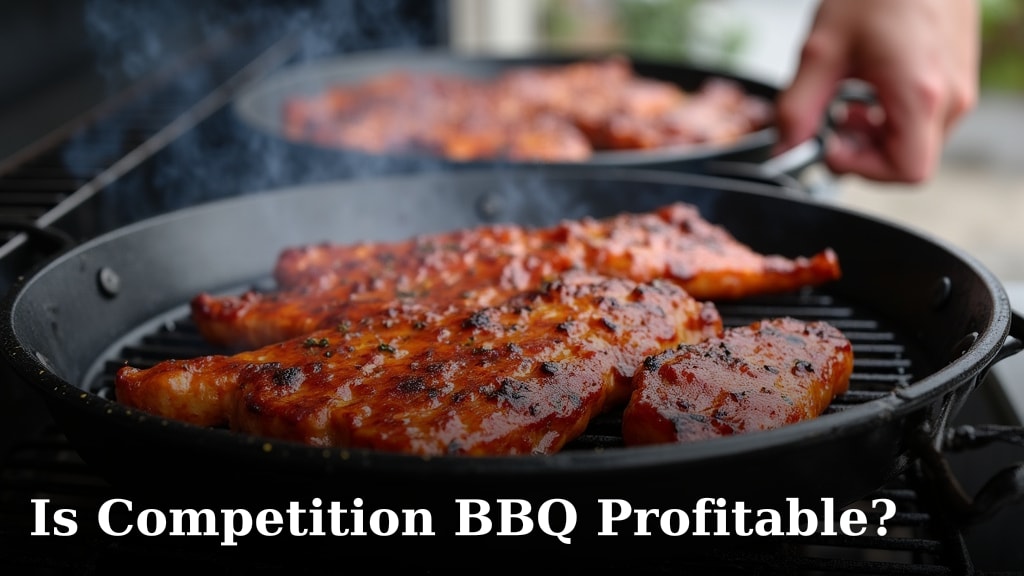
Yes, competition BBQ can be profitable, but it’s not a guaranteed path to riches. Success often depends on your business strategy, marketing efforts, and ability to manage costs. Many pitmasters find profit through a combination of competition winnings, catering, merchandise, and teaching.
While the thrill of competition is a big draw, turning it into a sustainable income requires more than just great barbecue skills. You’ll need to consider different revenue streams and be prepared for the financial realities. It’s a labor of love for many, but with the right approach, it can also be a successful venture.
- Competition BBQ can be profitable, but requires smart business planning.
- Success often comes from multiple income sources, not just winning.
- Costs like travel, equipment, and ingredients need careful management.
- Building a brand and marketing are key to expanding your reach.
- Consider catering, merchandise, or classes to supplement winnings.
Let’s break down how competition BBQ teams make money and what it really takes to turn your passion into a profit.
Can You Actually Make Money Competing in BBQ?
The short answer is yes, competition BBQ can be profitable. But let’s get real: it’s not typically a get-rich-quick scheme. For many, it’s a passion project first and a business second. Making a solid income from it takes more than just a winning brisket recipe. You’ll need a smart plan and a lot of dedication.
Think of it like any other competitive hobby that you want to turn into a career. People who play professional poker or esports, for example, don’t just show up and win. They practice, they strategize, and they often have other income streams. Competition BBQ is similar.
Breaking Down the Revenue Streams for BBQ Competitors
How do teams actually put money in their pockets from barbecue contests? It’s usually a mix of different things. Winning prize money is the most obvious, but it’s often just one piece of a larger puzzle. You’ll find that successful teams diversify.
1. Competition Winnings: The Big (and Small) Prizes
This is what most people think of first. Tournaments offer prize money for overall winners and category champions (like brisket, ribs, chicken, pork shoulder). The amounts vary wildly. A local cook-off might offer a few hundred dollars. A national championship could have tens of thousands.
We found that many teams don’t win enough to cover their costs, let alone make a profit, just from prize money. It’s fantastic when it happens, but it’s also highly competitive. Hundreds of teams might be vying for that same top spot. It’s a gamble, but a fun one!
2. Sponsorships and Endorsements
As your team gains recognition, you might attract sponsors. These could be barbecue rub companies, grill manufacturers, or local businesses. They might provide funding, equipment, or products in exchange for advertising.
This is where building a strong brand becomes important. Sponsors want to align with teams that are visible and respected. They’re looking for more than just good cooking. They want marketing exposure.
3. Catering and Event Services
Many competition BBQ teams use their skills to earn money through catering. This is a major revenue stream for a lot of pitmasters. They can cater parties, corporate events, weddings, and festivals. Their competition-level barbecue is a big selling point.
You’ve seen them, right? The teams with amazing setups at festivals. They aren’t just there to compete; they’re often selling plates and taking orders. This provides a steady income that competition winnings might not.
4. Merchandise Sales
Got a catchy team name or logo? You can sell merchandise. T-shirts, hats, sauces, rubs – these items can generate income. It’s another way to build your brand and connect with fans.
Think of your favorite sports teams. They sell tons of gear. BBQ teams can do the same. It’s another income stream that doesn’t depend on winning the next contest.
5. Teaching and Classes
Experienced pitmasters can make money by teaching others. You can host barbecue classes, workshops, or even one-on-one coaching. Sharing your knowledge is a way to profit from your expertise.
People are always eager to learn how to cook better barbecue. Offering classes can be a rewarding way to share your passion and earn income. It requires good teaching skills, of course.
The Financial Realities: Costs Involved in Competition BBQ
Let’s be honest, competition BBQ isn’t cheap. The costs can add up quickly. To make a profit, you need to be very aware of where your money is going. It’s easy to spend more than you earn if you’re not careful.
Equipment and Supplies
You’ll need smokers, grills, coolers, and all sorts of cooking tools. These can range from a few hundred dollars to several thousand. Maintaining and upgrading equipment is also an ongoing cost.
Don’t forget the consumables! High-quality meats are expensive. Wood, charcoal, rubs, sauces, and foil all add up. You’ll go through a lot of meat just practicing and competing. We found that the To ensure the best flavor, understanding the quality of ingredients is key, and a meat thermometer can help you achieve perfect results.quality of ingredients is key to good flavor, but it comes at a price.
Travel and Entry Fees
Competitions are often held across the country. Traveling to them means paying for gas, hotels, and food. Entry fees for major contests can also be substantial, sometimes hundreds of dollars per event.
Think about the logistics. Loading up smokers, trailers, and supplies. Driving for hours. Setting up a cooking station. It all takes time and money. You need to factor in travel time as well as travel costs.
Team and Operational Costs
Some teams have multiple members, and you might need to cover their expenses. There are also costs associated with permits, insurance, and marketing materials. Even basic things like cleaning supplies are a recurring expense.
If you’re running this as a business, you also need to consider administrative costs. Keeping records, paying taxes, and managing finances all take time and effort. These are often overlooked costs.

Strategies for Turning Competition BBQ into a Profit
So, how do you bridge the gap between costs and income? It comes down to smart planning and execution. You need to treat your BBQ passion like a real business.
1. Develop a Solid Business Plan
Before you jump in, sketch out a plan. What are your financial goals? How will you fund your initial setup? What are your projected costs and revenues? Having a clear roadmap is essential.
A business plan helps you identify potential problems and opportunities. It forces you to think critically about your venture. It’s your blueprint for success.
2. Budgeting and Financial Management
Track every penny. Create a detailed budget and stick to it. Monitor your expenses closely. Understand where your money is going and look for ways to save.
Many experts suggest maintaining separate bank accounts for your BBQ business. This makes tracking income and expenses much easier. It also helps with tax preparation.
3. Diversify Your Income Streams
As we’ve discussed, don’t rely solely on competition winnings. Actively pursue catering gigs, sell merchandise, or offer classes. The more income sources you have, the more stable your finances will be.
Think creatively. Could you partner with a local brewery? Could you create a signature sauce that’s sold in stores? Always be on the lookout for new opportunities.
4. Build a Strong Brand and Online Presence
Your team’s name and image are important. Invest in professional-looking signage, uniforms, and marketing materials. Use social media to share your story, your results, and your passion.
A website can be a central hub for information about your team, your services, and your schedule. High-quality photos and videos of your food and your team in action can attract customers and sponsors.
5. Network and Build Relationships
Get to know other teams, organizers, sponsors, and potential clients. Building relationships can lead to opportunities you might not find otherwise. Many successful ventures start through word-of-mouth referrals.
Attend events, introduce yourself, and be friendly. The BBQ community is often very supportive. Collaboration can be key to growth and profitability.
Checklist: Is Your BBQ Operation Ready for Profit?
Before you quit your day job, ask yourself these questions:
- Do you have a clear budget outlining all potential costs?
- Have you identified at least two additional income streams besides prize money?
- Is your equipment in good working order and suitable for commercial use if needed?
- Do you have a plan for marketing your team and services effectively?
- Are you prepared for the significant time commitment required?
- Do you understand the local regulations and permitting for food sales and events?
Conclusion
Turning your passion for competition BBQ into a profit is absolutely possible, but it’s not just about cooking great food. You’ve learned that success hinges on a smart business strategy, managing your costs, and building a strong brand. Relying solely on prize money is rarely enough. Instead, focus on diversifying your income through catering, merchandise, and teaching. Treat your BBQ team like the business it can be. Start by creating a detailed budget and marketing plan. Then, actively seek out those additional revenue streams. Your next step? Refine your business plan with these diverse income opportunities in mind.
Frequently Asked Questions
How much money do professional BBQ teams actually make?
The income for professional BBQ teams varies wildly. Some teams might make a modest side income, while a few top-tier teams can earn a full-time living. It often depends on how many revenue streams they manage effectively.
Is it worth the investment to start a competition BBQ team if you want to make money?
It can be, if you approach it as a business. The initial investment in equipment and travel can be high. But with a solid plan and diversified income, it can pay off over time. You need to be prepared for the costs and the work involved.
Can you make a living just by winning BBQ competitions?
It’s extremely difficult to make a living solely from competition winnings. While prize money can be substantial at top events, it’s highly competitive. Most profitable teams rely on multiple income sources to ensure stability.
What are the biggest hidden costs of competition BBQ?
Beyond meat and travel, hidden costs include equipment maintenance and upgrades, marketing materials, event insurance, and sometimes staff or team member expenses. Proper budgeting is key to uncovering these.
How long does it typically take to see a profit from competition BBQ?
Profitability can take time. Many teams spend the first few years building their brand, refining their recipes, and establishing other income streams before seeing consistent profits. Patience and persistence are essential.
