How to Use a Cold Smoker
To use a cold smoker, create smoke in a separate firebox or smoke generator and guide it into a cool chamber. Keep the food away from direct heat, control airflow, and use a reliable food safety plan for each ingredient.
On this page (9 sections)
- What does a cold smoker do?
- What equipment do you need to use a cold smoker?
- How do you set up a cold smoker?
- How do you control smoke output?
- How do you keep a cold smoker from getting too hot?
- How do you prepare food for cold smoking?
- What should you check during a cold-smoking session?
- How do you know when to stop cold smoking?
- Which cold smoker setup should you use?
To use a cold smoker, make smoke in a separate source and carry it into a cool food chamber. Control airflow, watch the chamber temperature, and cold smoke only foods prepared for a safe cold-smoking process.
A cold smoker adds smoke without the cooking heat of a conventional smoker. The setup may be a dedicated unit, a cold smoke attachment, or a tube that smolders wood pellets inside a grill or other chamber.
What does a cold smoker do?
A cold smoker adds smoke flavor while keeping the food chamber cool. The smoke source stays apart from the food, which helps limit heat transfer.
Cold smoking is different from hot smoking. Hot smoking uses heat to cook food; cold smoking does not.
Read What Is Cold Smoking? for a fuller explanation of the method and how it differs from cooking with smoke.
Cold smoke also does not preserve food by itself or make raw food safe. For meat and fish, the preparation, curing, temperature control, and any later cooking all matter.
What equipment do you need to use a cold smoker?
You need a smoke source, a cool chamber, airflow, and a way to monitor temperature. The exact parts depend on whether your setup is a dedicated cold smoker, an attachment, or a tube.
A separate firebox or smoke generator can send smoke through a connecting pipe into the chamber. A smoke tube can smolder inside a larger grill or smoker, but its placement and use depend on the grill design.
Use a thermometer to check the food chamber, not just the outdoor temperature. Keep a clear path for smoke to enter and exit; stagnant smoke can become harsh, while too much airflow may make it difficult to maintain steady smoke.
How do you set up a cold smoker?
Set up the smoke source outside the food chamber when your equipment allows it, then route smoke into the chamber. This helps separate smoke production from the food and makes it easier to limit heat transfer.
- Read the smoker or attachment instructions and choose a stable, ventilated outdoor location.
- Check that the smoke path is clear and the chamber is clean and dry.
- Prepare the food according to a tested recipe or food safety process.
- Light or start the smoke source as its instructions direct.
- Confirm that smoke reaches the chamber and check the chamber temperature before adding food.
- Arrange food with space around each piece so smoke can move freely.
- Monitor smoke, airflow, and temperature throughout the process.
For a tube setup, see how to use a cold smoke tube. The guide covers using that style of smoke source, while this article focuses on operating a cold smoker as a whole.
How do you control smoke output?
Aim for a steady, light stream of smoke rather than dense clouds. Adjust the air openings or smoke source as the equipment instructions allow.
Thick, stagnant smoke can leave a bitter or acrid taste. If smoke looks heavy or smells sharp, improve ventilation or reduce the smoke source rather than trying to mask the flavor with a longer session.
The fuel and setup affect output. Use only fuel meant for the device, keep it dry if the instructions call for dry fuel, and avoid adding unapproved liquids or materials to the smoke path.
Does a cold smoker need an exhaust opening?
Yes, a cold smoker needs a path for air and smoke to move through the chamber. Keep the exhaust opening clear, and follow the unit's instructions for its intake and exhaust settings.
Don't seal the chamber to trap smoke. That can reduce airflow and cause smoke to stagnate, while also making it harder to manage temperature.
How do you keep a cold smoker from getting too hot?
Keep the heat source separate and monitor the chamber with a thermometer. Stop or adjust the smoke source if the chamber temperature rises beyond the limit in your recipe or food safety process.
Direct sun, warm weather, a short smoke path, or a hot fire can raise chamber temperature. Shade the setup when practical and allow heat to disperse between the smoke source and food chamber.
An electric smoker may have a separate cold-smoking setup or accessory, depending on its design. Compare features in Best Electric Smoker For Cold Smoking, and follow the manufacturer's instructions for the specific model.
Cold weather can also affect a pellet smoker's operation and smoke output. For a pellet unit, see how to keep a pellet smoker running in cold weather.
How do you prepare food for cold smoking?
Follow a tested preparation method for the exact food before it enters the smoker. For another smoker preparation guide, see how to make jerky in a smoker.
Cold smoke alone doesn't cook food, cure it, or remove the need for safe handling.
Some foods, such as cheese, can take smoke without first being cooked. Meat and fish need more care because cold smoking may involve conditions where harmful bacteria can grow if the food is not properly prepared and handled.
Use a recipe from a reliable food safety source or follow a validated curing process. Keep food cold when required, avoid cross-contamination, and don't guess at salt, curing agents, temperature, or time.
How do you cold smoke meat safely?
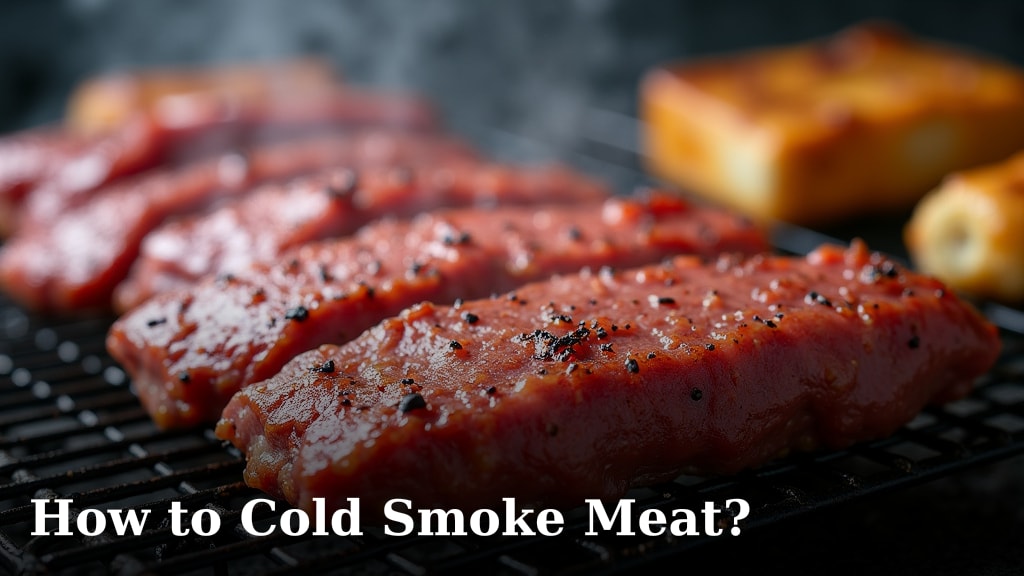
Cold smoke meat only after preparing it with a tested process designed for that cut and method. Keep it within the process's temperature limits, and cook it afterward if the instructions require cooking.
Don't place raw, uncured meat in a cold smoker and assume smoke makes it safe. Our guide to How to Cold Smoke Meat? covers meat preparation and the method in more detail.
For food safety, USDA guidance on smoking meat and poultry explains temperature control and safe handling. Follow applicable recommendations for your food and equipment.
How do you cold smoke cheese?
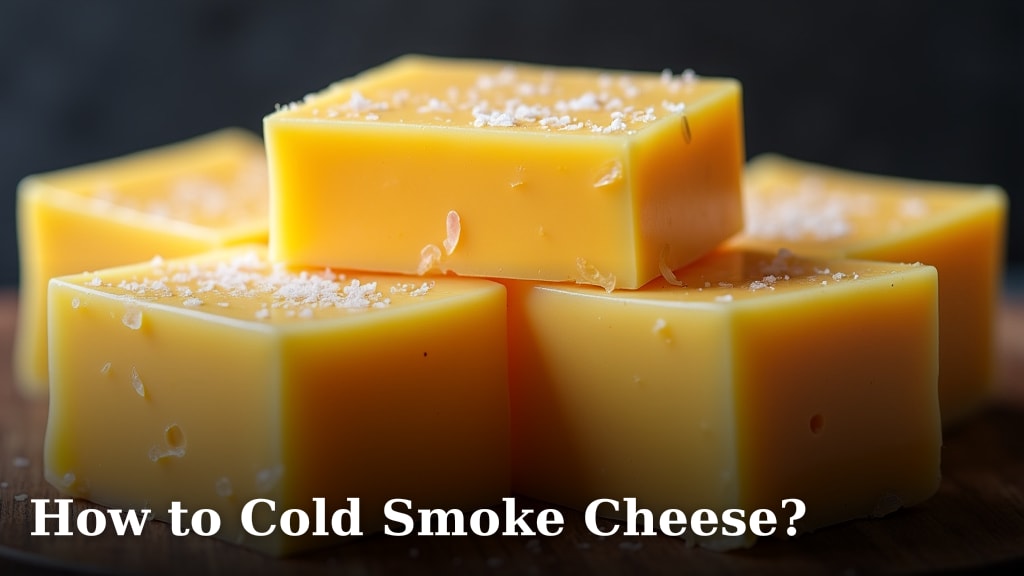
Cold smoke cheese with a gentle smoke and a cool chamber, following a recipe suited to the cheese. Keep the cheese cold before smoking and avoid letting it soften or sweat from heat.
A smoke tube can work in a suitable grill or chamber, but check the temperature and airflow as the smoke moves through. Read How to Cold Smoke Cheese? for cheese-specific preparation and timing.
What should you check during a cold-smoking session?
Check the smoke stream, chamber temperature, airflow, and food condition at regular intervals. Don't leave a live smoke source unattended.
Keep the smoker outdoors in a ventilated area, away from structures and anything that can catch fire. Use the device on a stable surface and follow its fire safety instructions.
If the smoke source goes out, follow its relighting instructions and reassess the food and temperature before continuing. Discard food if it has spent too long outside safe temperature limits or if you cannot tell whether it was handled safely.
How do you know when to stop cold smoking?
Stop when your tested recipe or process says to stop, rather than relying on a universal number of hours. Smoke strength, chamber conditions, food size, and preparation all affect the result.
If the smoke turns dense or harsh, reduce it or pause. Adding more smoke for longer does not fix a poor setup or make an unsafe food preparation method safe.
After smoking, store or cook the food as the recipe directs. Keep it protected from raw foods and use clean containers and utensils.
Which cold smoker setup should you use?
Choose a dedicated cold smoker if you want a separate smoke source and chamber designed for the method. Choose an attachment or smoke tube if your existing grill or smoker supports one and you can keep its chamber within the needed temperature range.
For any setup, prioritize clear airflow, temperature monitoring, and a tested food process. If you plan to smoke meat or fish, start with How to Cold Smoke Meat? and use guidance specific to the food; for cheese, use the cheese method linked above.
A cold smoker is working as intended when it delivers a controlled stream of smoke without cooking the food. Keep the chamber cool, follow the equipment instructions, and treat food safety as part of the method from the start.
Frequently asked questions
What does a cold smoker do?
A cold smoker sends smoke into a chamber without cooking the food with the smoke source's heat. This lets you add smoke flavor to foods that are cured or otherwise prepared for cold smoking.
It doesn't cook or make raw food safe, so follow a food safety process suited to the food.
How do you keep a cold smoker cool?
Keep the smoke source outside the food chamber, use a long or separate smoke path, and monitor the chamber temperature with a thermometer. Shade and cool weather can help, but don't rely on them alone.
Pause if the chamber gets too warm for your food or process.
Can you cold smoke raw meat?
Cold smoking does not cook raw meat or kill all harmful bacteria. Use a tested curing and handling process designed for the specific meat, keep it within safe temperature limits, and cook it afterward if the process calls for cooking.
Don't improvise a cure or use cold smoke as a preservation step by itself.
How long should food stay in a cold smoker?
There isn't one safe time for every food. The right exposure depends on the food, preparation, smoke strength, chamber conditions, and recipe.
Follow a tested process and stop when it calls for it; don't extend time to compensate for thin or weak smoke.