
How Long Does Lump Charcoal Burn?
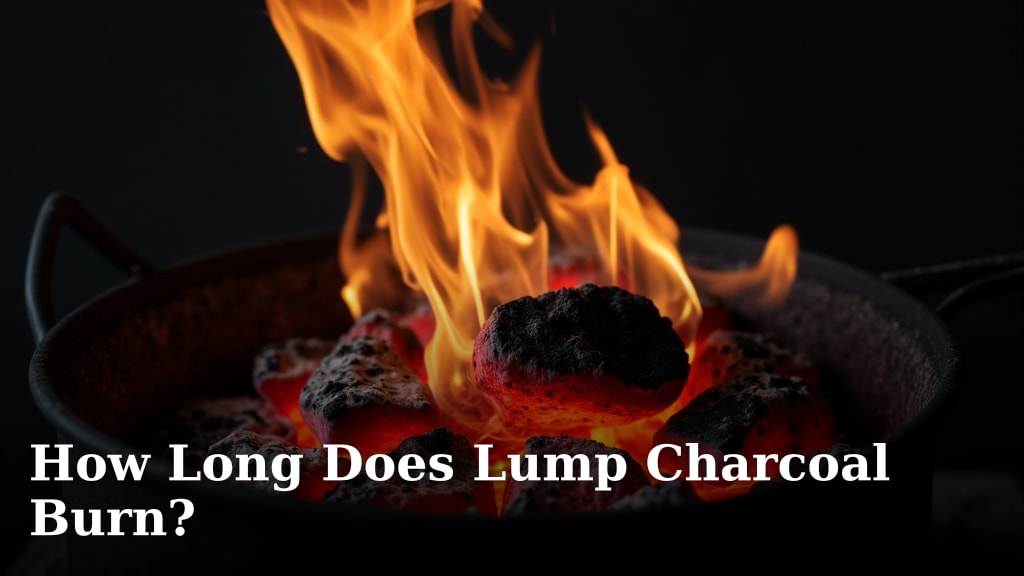
So, you’re wondering, “How long does lump charcoal burn?” It’s a great question for anyone firing up the grill! Lump charcoal typically burns for about 1 to 2 hours. This can change quite a bit based on the lump charcoal brand and how you arrange it. You can often get a good cook out of a single load for most grilling needs.
The burn time is super important for planning your barbecue sessions. Factors like the size of the lumps and air circulation play a big role. Smaller pieces burn hotter but faster. Larger chunks provide a longer, more consistent heat source. Understanding these variables helps you manage your fire like a pro.
- Lump charcoal generally burns for 1 to 2 hours.
- Burn time depends on charcoal size and brand.
- Airflow significantly affects how long your fire lasts.
- Larger lumps usually mean a longer burn.
- You can extend burn time by limiting airflow.
Let’s get into the nitty-gritty of lump charcoal burn times so you can grill with confidence. We’ll cover what affects it and how you can get the most out of your charcoal.
You’ve lit your lump charcoal, and the coals are glowing. Now comes the question: how long will this fiery goodness last? It’s a common concern for backyard grill masters, and the answer isn’t a simple one-size-fits-all. We’ve done some digging, and the general consensus is that lump charcoal burns for about 1 to 2 hours. But as you’ve already seen, that’s just the starting point. Let’s break down what makes your coals tick and for how long.
Understanding Lump Charcoal Burn Times
So, how long can you expect your lump charcoal to keep the grill hot? Generally, you’re looking at a burn time of 60 to 120 minutes for a full load. This isn’t a hard and fast rule, though. Think of it more like a guideline. Several factors come into play that can significantly alter this timeframe. Your grilling goals are often directly tied to how long your charcoal will last. Are you searing steaks for 15 minutes, or slow-cooking ribs for hours? Knowing your charcoal’s potential burn time helps you plan your menu and cooking process.
What Exactly Is Lump Charcoal?
Before we talk burn times, let’s quickly recap what lump charcoal is. Unlike briquettes, which are uniform disks, lump charcoal is exactly what it sounds like: irregular chunks of pure hardwood, fired in a low-oxygen environment. This process removes moisture and volatile matter, leaving behind nearly pure carbon. This purity is what gives lump charcoal its reputation for hotter, cleaner burns. Because it’s just wood, it burns down to ash much faster than briquettes. This is why understanding its burn time is key to successful grilling.
Key Factors Influencing Burn Duration
You’re probably wondering what makes one lump charcoal fire last longer than another. It’s a mix of the charcoal itself and how you use it. We found that several elements really stand out in determining how long your fire will burn. Getting a handle on these will help you achieve the perfect grilling temperature for the duration you need.
The Size and Density of the Lumps
One of the most obvious factors is the size of the lump charcoal pieces you use. Larger chunks, often referred to as “big lumps,” will naturally burn slower and longer than smaller pieces or the “fines” (dust and small fragments). Imagine trying to keep a bonfire going with twigs versus logs. The logs last much longer. In your grill, bigger lumps offer a more sustained heat source. Smaller pieces ignite faster and burn hotter initially, but they get consumed more quickly. If you’re aiming for a long, slow cook, you’ll want to prioritize larger chunks in your fire setup.
The Type of Wood Used
Not all lump charcoal is created equal, and the type of wood used makes a difference. Different hardwoods have varying densities and burn characteristics. Some hardwoods, like oak or hickory, are denser and tend to burn longer and produce more consistent heat. Others, like mesquite, burn very hot but can be consumed more quickly. Many manufacturers specify the type of wood used on their packaging. Researching the wood type can give you a good clue about its expected burn performance. We found that brands using denser hardwoods generally offer a longer burn time for their lump charcoal.
Airflow and Ventilation
This is perhaps the most controllable factor in managing your lump charcoal burn time. Charcoal needs oxygen to burn. Think of it like breathing; the more air you give it, the more vigorously it burns. In your grill, this means managing the vents. Open vents allow more oxygen in, leading to a hotter fire that burns faster. Conversely, closing down the vents restricts airflow, slowing the combustion rate and extending the burn time. If you’re grilling for a long time, you’ll likely need to adjust your vents periodically to maintain your desired temperature and conserve fuel. This is essential for temperature control.
How You Arrange the Charcoal
The way you pile your lump charcoal can also impact how long it burns. If you create a dense, tightly packed mound, it can smother itself, slowing the burn. Conversely, spreading the coals out too thin might lead to uneven heat and faster consumption. For most grilling, a pyramid or mound shape works well. This allows for good airflow through the center while providing a substantial fuel source. For longer cooks, you might even consider a “minion method” style setup, where unlit charcoal is placed around a small bed of lit coals, allowing it to ignite gradually over time. This technique can significantly extend your cooking time.
The Quality and Brand of Lump Charcoal
We found that not all lump charcoal brands perform the same. Some brands are known for producing very pure charcoal with minimal dust and consistent lump sizes. These tend to burn more predictably and for longer durations. Other brands might have more “fines” or a wider variation in lump sizes, which can lead to a less consistent burn. Checking reviews or asking experienced grillers for recommendations can help you identify brands that are known for their excellent burn times and quality. A higher-quality product often translates to a better grilling experience and longer burn duration.
Maximizing Your Lump Charcoal Burn Time
So, you’ve got a great cook planned, and you want to make sure your lump charcoal lasts. There are definitely ways to eke out a few extra minutes – or even hours – from your fire. It all comes down to smart management of the factors we’ve discussed.
Start with Larger Chunks
As we touched on, prioritizing larger pieces is a straightforward way to achieve a longer burn. When you’re loading your grill, try to select the biggest lumps from your bag. This will give you a solid base of slow-burning fuel. If you have a lot of smaller pieces, consider saving them for quicker cooks or for when you need to get the grill hot in a hurry.
Control Your Airflow Like a Pro
This is your secret weapon! Don’t be afraid to experiment with your grill’s vents. For a long cook, start with your vents mostly open to get the fire going. Once your coals are fully lit and you’ve reached your target temperature, gradually close down the bottom vents. This restricts the oxygen supply, slowing down the burn. You might need to make small adjustments throughout the cook to maintain a steady temperature. Think of it as fine-tuning your fire.
Consider a Slow-Ignition Method
For very long cooks, like smoking a brisket or pork shoulder, you might want to explore methods that ignite the charcoal gradually. The “minion method” or the “snake method” are popular techniques. These involve arranging unlit charcoal around or next to a small cluster of lit coals. The lit coals will slowly ignite the surrounding charcoal over time, providing a consistent heat source for many hours without needing to add more fuel. This takes a bit of planning but can make long cooks much easier.
Minimize Disturbing the Coals
Resist the urge to constantly poke and prod your coals. Every time you move them around, you expose new surfaces to oxygen, which can cause them to flare up and burn faster. Let them do their thing. If you need to adjust the heat, focus on managing the vents first. Only move coals if absolutely necessary to redistribute heat.
What to Expect with Different Grilling Styles
Your grilling style directly influences how long you’ll need your charcoal to burn. Let’s look at a few common scenarios:
- Quick Grilling (Steaks, Burgers, Hot Dogs): For these, you often only need 30-60 minutes of high, consistent heat. A moderate amount of lump charcoal will suffice, and you likely won’t need to worry too much about maximizing burn time.
- Medium-Length Cooks (Chicken Pieces, Fish, Vegetables): These might take 1 to 1.5 hours. You’ll want a good base of coals, and managing airflow will be important to maintain your desired medium-high heat for the duration.
- Long, Slow Cooks (Ribs, Pulled Pork, Brisket): This is where burn time becomes critical. You’ll need a substantial amount of lump charcoal, and employing slow-ignition methods and careful vent management can mean the difference between a perfectly cooked meal and one that’s done too early or too late. You might need 3-5 hours or more of consistent heat. You might need 3-5 hours or more of consistent heat. For very long cooks, like smoking a brisket or pork shoulder, you might want to explore slow-ignition methods.
Here’s a quick checklist to help you get the most burn time out of your lump charcoal:
- Choose larger lump charcoal pieces for longer cooks.
- Use denser hardwoods for more sustained heat.
- Master your grill’s ventilation system.
- Arrange coals for optimal airflow and ignition.
- Minimize unnecessary poking and prodding of coals.
- Plan your cooking method around expected burn times.
Understanding the burn time of your lump charcoal is all about knowing the variables and how to control them. With a little practice, you’ll be able to predict and manage your fire like a seasoned pro, ensuring delicious results every time you fire up the grill.
Conclusion
You’ve learned that lump charcoal typically burns for 1 to 2 hours, but your actual grill time depends on several factors. The size of your lumps, the type of wood used, and especially how you manage airflow are key players. By controlling your vents and arranging your charcoal wisely, you can extend that burn time significantly. For your next cookout, focus on selecting larger chunks and fine-tuning your grill’s ventilation to achieve the perfect, consistent heat you need for delicious results. Happy grilling!
Frequently Asked Questions
How can I make my lump charcoal last longer?
To extend your lump charcoal’s burn time, start by using larger chunks and denser hardwood varieties. Control your airflow by gradually closing your grill’s vents once the coals are fully lit. This simple adjustment restricts oxygen, slowing down the burn rate and giving you more cooking time.
Does the brand of lump charcoal really affect burn time?
Yes, the brand can make a difference. We found that higher-quality brands often produce purer charcoal with fewer small particles or dust, leading to a more consistent and predictable burn. Some brands may also specify the type of hardwood used, giving you a clue about its expected burn performance.
What is the best way to arrange lump charcoal for a long cook?
For longer cooking sessions, consider slow-ignition methods like the “minion method” or “snake method.” These involve arranging unlit charcoal around a small bed of lit coals. This allows the fire to spread gradually over several hours, providing a steady heat source without needing to add more fuel frequently.
How does airflow impact lump charcoal burn time?
Airflow is one of your most controllable factors. More oxygen from open vents means a hotter, faster burn. Restricting airflow by closing vents reduces the oxygen supply, which slows combustion and significantly extends how long your lump charcoal burns. Master your vents for temperature control and extended burn times.
Can I use smaller lump charcoal pieces for a long cook?
While smaller lump charcoal pieces ignite quickly and burn hot, they will also be consumed much faster than larger chunks. For extended cooking, it’s best to prioritize larger lumps to provide a sustained heat source. You can use smaller pieces for quicker grilling tasks or to help start your fire.
