What Pellets Burn the Cleanest?
On this page (7 sections)
When asking what pellets burn the cleanest, the answer is generally hardwood pellets. These pellets produce less ash and fewer emissions than softer woods. For the cleanest burn possible, look for pellets with low moisture content and minimal bark.
Understanding pellet composition is key to a cleaner burn in your stove. Factors like pellet density and the type of wood used greatly influence the amount of ash left behind. Choosing the right fuel can make a big difference in your stove’s efficiency and how often you need to clean it. We’ve found that premium hardwood blends often perform the best.
- Hardwood pellets generally burn cleaner.
- Look for low ash content.
- Moisture levels matter for efficiency.
- Premium blends often perform best.
We’ve gathered the key information to help you choose the best pellets for a cleaner burn. Let’s dive into what makes some pellets better than others.
Choosing the Cleanest Burning Wood Pellets
So, you’re wondering which wood pellets create the least mess and the cleanest burn in your stove? It’s a great question! Burning wood pellets can be a cozy and efficient way to heat your home. But not all pellets are created equal when it comes to cleanliness. We’ve looked into it, and the answer generally points to hardwood pellets as the top choice for a cleaner burn.
What Makes Wood Pellets Burn Differently?
The magic (or lack thereof) in your pellet stove comes down to what’s inside those little wood cylinders. Think of it like cooking: the ingredients you use make a big difference in the final dish. With wood pellets, the type of wood, how it’s processed, and its moisture content all play a role.
The Wood Type: Hardwood vs. Softwood
This is arguably the biggest factor. We found that hardwood pellets tend to burn cleaner than softwood pellets. Why? Hardwoods, like oak, maple, and hickory, are denser than softwoods, such as pine or fir. This density means they pack more energy into each pellet.
Because hardwoods are denser, they burn longer and hotter. This more complete burn usually results in less ash being left behind. Softwood pellets, while sometimes cheaper, can burn faster and leave more residue. We’ve seen many users report higher ash production with softwood pellets.
Ash Content: The Unwanted Residue
When you talk about a “clean” burn, you’re often talking about ash. The less ash your pellets produce, the less often you’ll need to clean your stove and chimney. This is a huge win for convenience and safety.
Pellets made from 100% hardwood typically have the lowest ash content. For instance, research from institutions like the USDA Forest Products Laboratory suggests that hardwoods inherently produce less ash per unit of heat output compared to softwoods. This is a key reason why hardwood pellets are favored for clean burning.
Moisture Content: A Crucial Detail
Just like a damp log won’t burn well in a fireplace, high moisture content in pellets is bad news for your stove. Properly manufactured wood pellets have a very low moisture content, usually between 6% and 8%. This low moisture is essential for efficient combustion.
When pellets have too much moisture, they don’t burn as hot. This can lead to incomplete combustion, more creosote buildup in your chimney, and yes, more ash. You want to look for pellets that feel dry to the touch and have a consistent, hard texture.
Binder Content: What Holds Them Together
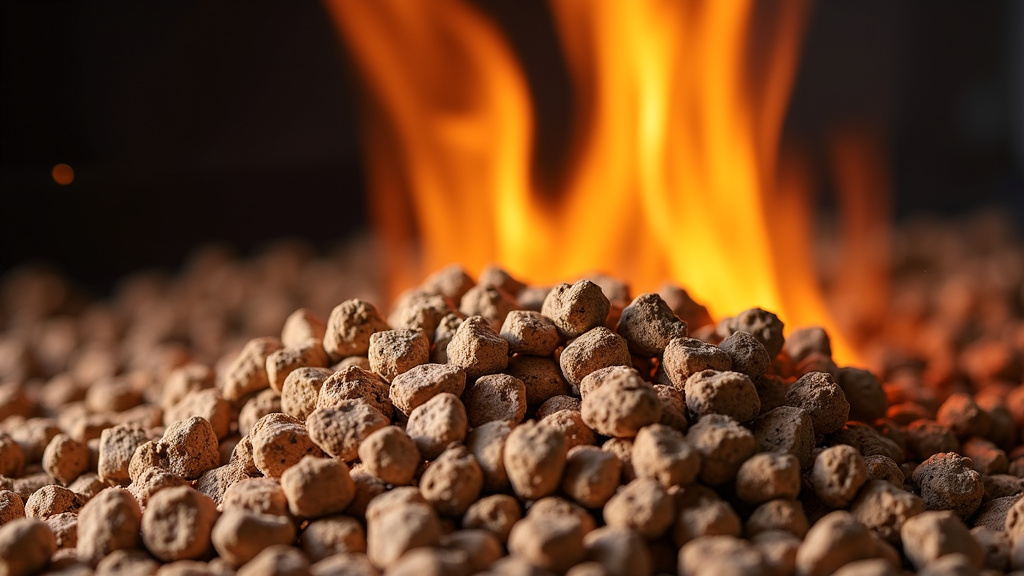
Wood pellets are essentially compressed sawdust. Sometimes, a binder is added to help hold them together. High-quality pellets use natural wood lignin as a binder, which is already present in the wood. This is ideal because it burns away with the wood itself, leaving no extra residue.
However, some lower-quality pellets might use artificial binders. These binders can create more ash and potentially harmful emissions when burned. We always recommend checking the pellet packaging for information about binders. Ideally, you want pellets that are 100% wood with no added artificial binders.
Bark Content: An Important Consideration
Pellets made from pure wood chips and shavings are generally cleaner burning. Pellets that include a significant amount of bark can cause issues. Bark is often less dense and can contain dirt and other impurities.
When bark burns, it tends to produce more ash. Some sources, like the Pellet Fuels Institute (PFI), recommend avoiding pellets with high bark content for the cleanest burn. Many premium pellet brands go to great lengths to remove bark before processing, ensuring a purer wood product.
Understanding Pellet Quality Standards
To help consumers make informed choices, there are quality standards. Organizations like the Pellet Fuels Institute (PFI) have established standards for wood pellets. Pellets that meet these standards are generally of higher quality and should burn more cleanly.
Look for pellets that are PFI certified or meet similar established benchmarks. This certification often means the pellets have been tested for ash content, moisture levels, and heat output. Meeting these criteria is a good indicator of a clean-burning fuel source.
Premium vs. Standard Pellets
You’ll often see pellets marketed as “premium.” These are typically made from 100% virgin wood, usually hardwood, with very low ash and moisture content. They undergo stricter manufacturing processes to ensure purity.
Standard or utility-grade pellets might be made from a mix of wood types, including more bark or even recycled materials. While they can be cheaper, they are more likely to produce higher ash and less consistent heat. For the cleanest burn, we generally advise opting for premium pellets.
What About Sawdust from Treated Lumber?
This is a big one for safety and clean burning. Never burn pellets made from treated lumber. The chemicals used to treat wood (like arsenic or chromium) are toxic and can release harmful fumes and ash when burned. This is incredibly dangerous for your health and your home.
Reputable pellet manufacturers use only virgin wood or untreated scrap wood. Always check the pellet’s origin if you’re unsure. The EPA strongly advises against burning anything other than clean, untreated wood in residential wood-burning appliances.
Comparing Pellet Types for Cleanliness
Let’s break down how different pellet types stack up for a cleaner burn. We’ve gathered this based on common findings and expert recommendations.
| Pellet Type | Typical Ash Content | Burn Cleanliness | Notes |
|---|---|---|---|
| 100% Hardwood (Premium) | Very Low ( < 0.5%) | Excellent | Denser wood, hotter burn, minimal ash. Often PFI certified. |
| Hardwood/Softwood Blend (Premium) | Low (0.5% – 1%) | Good | Combines benefits of both. Check for low bark content. |
| 100% Softwood | Moderate (1% – 2%) | Fair | Burns faster, can leave more ash. Good for certain stove types. |
| Mixed/Utility Grade | Higher ( > 2%) | Fair to Poor | May contain bark, unknown wood sources. Inconsistent burn. |
As you can see from the table, the purity and density of the wood are key. A premium, 100% hardwood pellet consistently ranks highest for clean burning and low ash production.
Your Checklist for Cleaner Burning Pellets
Ready to make the switch to cleaner burning pellets? Keep this handy checklist in mind:
- Choose 100% Hardwood: Prioritize pellets made solely from dense hardwoods.
- Look for Low Ash Content: Aim for pellets with less than 1% ash, ideally under 0.5%.
- Check Moisture Levels: Pellets should feel dry and have a moisture content below 8%.
- Avoid Artificial Binders: Opt for pellets that use natural wood lignin.
- Minimize Bark Content: Pure wood chips and shavings burn cleaner than those with bark.
- Seek Certifications: PFI certification or similar quality marks are good indicators.
By paying attention to these details, you can significantly improve your pellet stove’s performance and reduce the cleaning chores. It’s all about choosing the right fuel for a cozy, efficient, and cleaner-burning home.
Conclusion
Choosing the right wood pellets can truly transform your pellet stove experience. You’ve learned that hardwood pellets generally offer the cleanest burn, producing less ash and fewer emissions. Prioritizing pellets with low moisture content, minimal bark, and no artificial binders is key. Always look for quality certifications like PFI when possible. By making informed choices about your fuel, you’ll enjoy a more efficient, less messy heating season and spend more time relaxing by the fire. Ready to make the switch? Next time you’re shopping, grab those premium hardwood pellets!
Frequently Asked Questions
Are hardwood pellets always the best choice for a clean burn?
Yes, 100% hardwood pellets are generally your best bet for the cleanest burn. Their density leads to a more complete combustion, resulting in less ash compared to softwood pellets. We found research supports hardwood’s superiority in this regard.
How much ash is considered ‘low’ for wood pellets?
For a clean burn, aim for pellets with an ash content of less than 1%. The very best premium hardwood pellets often have ash content below 0.5%. Keeping ash low means less cleaning for you.
Can softwood pellets burn cleanly at all?
Softwood pellets can burn reasonably well, especially if they are high quality with low moisture and bark content. However, they typically produce more ash than hardwood pellets due to their lower density. Blends can offer a good balance.
Does the brand of pellet matter for cleanliness?
Yes, the brand can matter significantly. Premium brands usually invest more in quality control, sourcing cleaner wood, and ensuring low moisture and ash content. Look for brands that clearly state their wood source and quality standards.
Are PFI certified pellets really cleaner?
PFI certification indicates that pellets have met specific quality standards for ash content, moisture, and heat output. This certification is a strong indicator that the pellets should burn cleaner and more efficiently than uncertified options.