
Can You Smoke Two Different Meats at Once?

Yes, you absolutely can smoke two different meats at once on the same smoker. It’s a common practice for pitmasters looking to maximize their smoking time. You just need to consider a few key things to ensure both cuts cook perfectly. This is a great way to get more bang for your buck and flavor for your friends!
The secret to success lies in understanding the cooking temperatures and times for each meat. You want to group meats that have similar cooking requirements together. This prevents one from overcooking while the other is still raw. Many experienced smokers find this a smart way to manage their smoker space efficiently.
- You can cook multiple meats at once.
- Match meats with similar cooking temperatures.
- Factor in different cooking times.
- Consider placement in the smoker.
- Always use a meat thermometer.
Let’s walk through how to make sure your multi-meat smoking adventure is a delicious success without any mishaps.
Smoking More Than One Meat at a Time
You’ve asked if you can smoke two different meats at once, and the answer is a resounding yes! It’s a fantastic way to maximize your smoker’s capacity and impress your guests with a variety of flavors. Think of it as a pitmaster’s efficiency hack. You can prepare pork shoulders alongside racks of ribs, or even poultry, all in a single smoking session. This approach saves you time and fuel. Plus, it allows you to experiment with different flavor profiles. Many pitmasters find this to be the standard way to cook for larger gatherings. It’s all about smart planning and understanding your smoker’s capabilities.
Matching Meats for Success
The key to successfully smoking multiple meats at once lies in matching their cooking requirements. You don’t want to throw a quick-cooking chicken breast in with a brisket that will take 18 hours. That’s a recipe for disaster. The goal is to have both meats finish around the same time, or close enough that one doesn’t suffer while waiting for the other.
Understanding Cooking Temperatures
Most smoking involves low and slow cooking. This generally means temperatures between 225°F and 275°F (107°C – 135°C). Many experts suggest keeping the smoker temperature consistent for all meats inside (Cleveland Clinic). If your chosen meats thrive within a similar temperature range, they are good candidates to smoke together. For instance, pork butts and beef briskets often cook best in the 225°F-250°F range.
Considering Cooking Times
This is where things get a little more detailed. Different cuts of meat, even if cooked at the same temperature, will take varying amounts of time to reach their ideal internal temperature. Thicker cuts generally take longer. Fattier cuts might also need more time to render. The goal is to group meats with similar cooking timeframes.
The “Long and Slow” Duo
If you’re smoking large, tough cuts like pork shoulders or beef briskets, these are often good partners. They both require extended cooking times to become tender. You can typically cook these together without much issue, as long as your smoker is large enough. They both benefit from temperatures in the 225°F-250°F range and will likely take many hours, often 10-18 hours, depending on size.
The “Medium and Steady” Pair
Ribs and smaller pork cuts, like pork loin, can sometimes be smoked together. Ribs typically take 3-5 hours, while a pork loin might take 2-4 hours. You’d want to place the ribs on the smoker knowing they might need to come off a bit earlier. Alternatively, you could add the pork loin later in the smoke if it’s a shorter cooking cut.
The “Quick and Easy” Combination
Smoking poultry, like whole chickens or turkeys, can sometimes be done alongside other items. However, poultry cooks faster. You would need to carefully time its addition to the smoker so it doesn’t overcook. Many prefer to smoke poultry on its own or with items that have a similarly shorter cook time.
Smoker Placement Matters
Once you’ve selected your meats, thinking about where they sit in the smoker is crucial. Smokers often have hot spots and cooler spots. Generally, the center of the smoker is more consistent. If you’re smoking meats with different thicknesses or cooking times, placing the thicker or longer-cooking items towards the hotter spots can help them catch up. Conversely, you might place quicker-cooking items in cooler spots or towards the top rack.
Airflow is Key
Good airflow is essential for even cooking and smoke circulation. Avoid overcrowding your smoker. If meats are too close, the smoke and heat can’t circulate properly. This can lead to unevenly cooked or “steamed” meat, which is not ideal. Leave at least an inch or two of space between each cut. Ensure that no piece is directly blocking another from the smoke.
Drip Pans for Cleanliness
Fat renders from meats as they cook. This can drip down onto other meats, potentially affecting their flavor or texture. Using drip pans can help prevent this. You can place drip pans strategically under certain meats. Some pitmasters like to catch drippings to make a flavorful sauce or gravy. Others prefer to let the fats fall away. It’s a personal preference and depends on the cuts you’re smoking.
Monitoring and Temperature Checks
This is arguably the most critical step when smoking multiple meats. You simply cannot rely on time alone. Every smoker and every piece of meat is different. You need to actively monitor the internal temperature of each cut.
The Indispensable Meat Thermometer
A reliable meat thermometer is your best friend. We found that using an instant-read thermometer is far better than guessing. For low and slow smoking, target internal temperatures typically range from 195°F to 205°F (90°C – 96°C) for most beef and pork cuts, though this can vary (USDA). Poultry is generally done around 165°F (74°C).
When to Check
Start checking the temperature of your quicker-cooking items about an hour before you expect them to be done. For longer cooks, begin checking every 30-60 minutes. Always insert the thermometer into the thickest part of the meat, avoiding bone. This ensures you get an accurate reading of the meat’s core temperature.
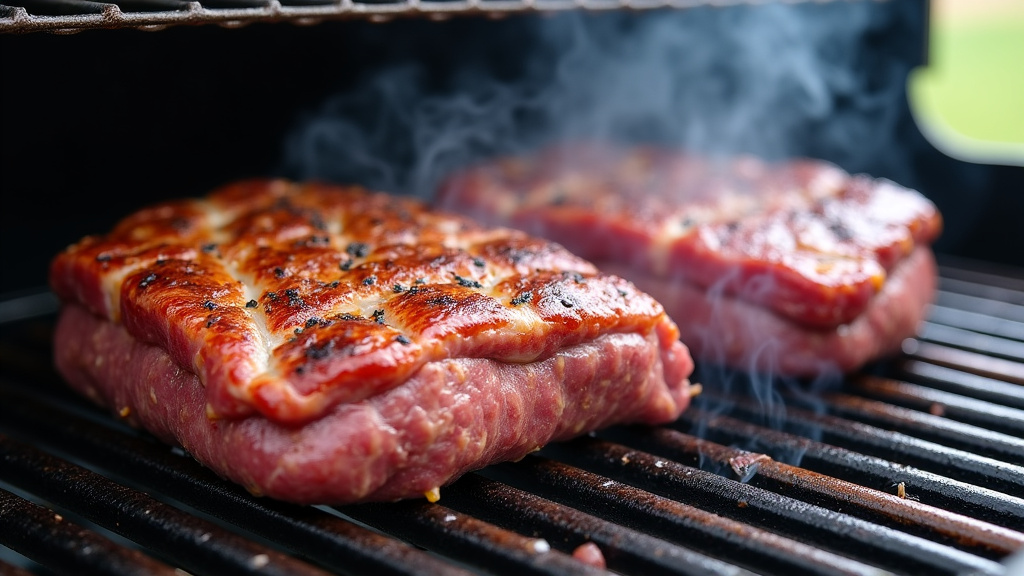
A Checklist for Your Multi-Meat Smoke
Here’s a quick rundown to ensure your multi-meat smoking adventure is a delicious success:
- Choose meats with similar temperature requirements.
- Consider cuts that have comparable cooking times if possible.
- Ensure your smoker has adequate space and airflow.
- Strategically plan the placement of each meat.
- Have a reliable meat thermometer ready.
- Start checking temperatures early and often.
Example Pairings to Get You Started
To help you visualize, let’s look at a couple of popular and successful pairings:
| Meat 1 | Meat 2 | Smoking Temp Range | Notes |
|---|---|---|---|
| Pork Butt (Boston Butt) | Beef Brisket (Point or Flat) | 225°F – 250°F | Both are large, tough cuts that benefit from long, slow cooking. They often finish in similar timeframes (10-18 hours). Ensure your smoker can handle the size. |
| Pork Ribs (St. Louis Style) | Pork Loin Roast | 250°F – 275°F | Ribs typically take 3-5 hours, while a pork loin might take 2-4 hours. You might add the pork loin partway through the rib cook, or remove ribs once done to finish the loin. |
| Whole Chicken | Pork Tenderloin | 250°F – 275°F | Chicken usually takes 3-4 hours, and pork tenderloin 1-2 hours. The tenderloin is much quicker. You would add the tenderloin later in the cook to ensure it doesn’t dry out. |
Many pitmasters find that practicing with simpler pairings is the best way to build confidence. You’ll learn how your specific smoker behaves with different combinations. What works for one person might need slight adjustments for another. It’s all part of the fun of barbecue!
Conclusion
You’ve learned that smoking two different meats at once is absolutely achievable and a smart way to maximize your smoker’s potential. The key is careful planning: match meats with similar cooking temperatures and times, manage smoker placement for even heat and airflow, and always, always rely on your meat thermometer for accuracy. Don’t be afraid to start with easier pairings like two pork butts or two briskets. Ready to fire up the smoker? Pick your favorite pair from our examples and plan your next delicious multi-meat cook!
Frequently Asked Questions
What if one meat finishes much sooner than the other?
If one meat is done before the other, you can remove it from the smoker and wrap it tightly in foil or butcher paper. This will help it stay warm and moist while the other meat continues to cook. You can then place it in a cooler to keep it at serving temperature.
Can I smoke beef and pork together?
Yes, you can smoke beef and pork together if they have similar temperature and time requirements. For example, a beef brisket and a pork butt both do well with long, slow cooking in the 225°F-250°F range. Just ensure you have enough space and good airflow.
Should I use different rubs for each meat?
You absolutely can use different rubs! This is a great way to add variety and cater to different tastes. Just make sure the flavor profiles complement each other, or if you’re serving guests, offer both options. Researching rub combinations is part of the fun.
How do I prevent flavors from one meat transferring to another?
While some flavor mingling is natural and often desirable, you can manage it with drip pans. Placing drip pans strategically under fattier cuts can catch drippings and prevent them from landing on leaner meats. Ensuring good airflow also helps keep smoke moving around, rather than pooling around one specific item.
Is it okay to put chicken on the smoker with other meats?
Smoking chicken with other meats requires extra attention. Chicken cooks much faster and at a slightly different temperature target for safety (165°F). It’s best to add chicken later in the smoking process or to pair it with other quick-cooking items. Ensure the chicken reaches its safe internal temperature.
