Can You Smoke Meat at a Low Temperature All Day?
On this page (8 sections)
- Smoking Meat All Day at Low Temperatures: Is It Possible?
- The Science Behind Low and Slow Smoking
- What Are the Ideal Low Temperatures for All-Day Smoking?
- Which Meats Shine with All-Day Low Temperature Smoking?
- What to Expect During a Long, Low Smoking Session
- Essential Tips for All-Day Low Temperature Smoking Success
- Conclusion
- Frequently Asked Questions
Yes, you can absolutely smoke meat at a low temperature all day, and it’s a fantastic way to achieve incredibly tender and flavorful results. This method, often called “low and slow” smoking, is perfect for tougher cuts of meat like brisket, pork shoulder, and ribs, transforming them into melt-in-your-mouth delights. Understanding the right temperatures is key to success.
When you smoke meat for extended periods at lower heat, you’re allowing connective tissues to break down slowly. This process results in that signature smoky flavor and a texture that’s unbelievably moist. Many pitmasters swear by this approach for its ability to create truly memorable barbecue. It takes patience, but the payoff is worth it.
- Low and slow smoking is ideal for tough meat cuts.
- It breaks down connective tissues for tenderness.
- Extended cooking times build deep smoky flavor.
- Achieving the right temperature is critical.
We’ll walk you through the best practices for smoking meat at a low temperature all day, so you can nail that perfect barbecue every time.
Smoking Meat All Day at Low Temperatures: Is It Possible?
You’re likely wondering if smoking meat all day at a low temperature is a realistic cooking method. The short answer is a resounding yes! This technique is the cornerstone of many barbecue traditions, especially for tougher cuts that benefit from extended cooking times.
It might seem counterintuitive to cook something for many hours. But when done correctly, this low-and-slow approach yields incredibly tender and flavorful meat. You’re essentially coaxing the meat into a state of pure deliciousness. We’ll explore how this magical transformation happens.
The Science Behind Low and Slow Smoking
So, what’s really going on when you smoke meat at low temperatures for a long time? It all comes down to breaking down tough tissues.
Understanding Connective Tissues and Fat
Many cuts of meat that are great for smoking, like brisket or pork shoulder, contain a lot of connective tissue. This tissue is made up mostly of collagen. When you apply heat, especially over a long period, this collagen slowly breaks down into gelatin. Gelatin is what gives braised and slow-cooked meats that wonderfully smooth and moist texture.
Fat also plays a starring role. As the meat cooks, the fat renders, basting the meat from the inside out. This not only adds flavor but also keeps the meat from drying out during the long cook. Research shows that slow rendering of fat contributes significantly to the overall succulence of the final product (NCBI).
The Role of Smoke Flavor Development
The smoke itself is more than just flavor; it’s a slow infusion process. As the wood burns and smolders, it releases aromatic compounds. These compounds penetrate the meat over many hours. This creates a deep, smoky flavor profile that you simply can’t achieve with a quick cook.
Think of it like marinating, but much slower and more complex. The smoke gently seeps into the meat, building layers of flavor. This is why patience is truly a virtue in the world of barbecue.
What Are the Ideal Low Temperatures for All-Day Smoking?
Achieving the perfect “low and slow” temperature is absolutely vital. Too high, and you’ll dry out your meat before it has a chance to become tender. Too low, and you risk unsafe temperatures or a cook that takes an eternity.
The Sweet Spot: 200°F to 250°F
Most pitmasters agree that the ideal temperature range for low and slow smoking is between 200°F and 250°F (93°C to 121°C). This range allows for the gradual breakdown of connective tissues and fat rendering without cooking the meat too quickly.
Keeping your smoker within this narrow band is key. It ensures that the meat cooks safely and reaches that perfect, fall-apart tenderness. Many modern smokers have digital temperature controls that make this much easier.
Why This Temperature Range Works So Well
This temperature range is hot enough to make progress on the collagen breakdown but slow enough to prevent the meat’s internal temperature from rising too rapidly. It allows moisture to stay within the meat, resulting in a juicier final product. The USDA recommends cooking pork to an internal temperature of 145°F, but for smoking, you’re aiming for much higher internal temperatures for tenderness, typically 195-205°F (Mayo Clinic).
The key is managing the meat’s internal temperature, not just the smoker’s ambient temperature. You want to reach a point where the muscle fibers relax and the connective tissues turn into gelatin. This happens in that magical 195-205°F internal range.
Which Meats Shine with All-Day Low Temperature Smoking?
Not all cuts of meat are created equal when it comes to low and slow smoking. Some cuts are practically born for this method!
Tougher Cuts Reimagined
The stars of the low and slow show are typically the tougher, fattier cuts. Think about these:
- Pork Shoulder (Boston Butt/Picnic Shoulder): This cut is marbled with fat and collagen. It’s perfect for pulled pork.
- Beef Brisket: The ultimate test for many smokers. The flat and point are packed with connective tissue.
- Beef Ribs (Short Ribs/Back Ribs): These can be tough but reward you with incredible flavor when smoked for hours.
- Pork Ribs (St. Louis Style, Baby Backs): While they cook a bit faster than pork shoulder, they still benefit greatly from a long, low smoke.
Why These Cuts Are Ideal
These cuts have a lot of connective tissue and fat. This means they can withstand long cooking times without becoming dry or tough. In fact, the extended cooking time is what transforms them from chewy to incredibly tender. They have the structure to hold up and the intramuscular fat to keep them moist.
What to Expect During a Long, Low Smoking Session
Smoking meat all day isn’t just a quick flip on the grill. It’s an experience, and understanding the process will help you manage expectations.
The Cooking Stages: From Steaks to Succulence
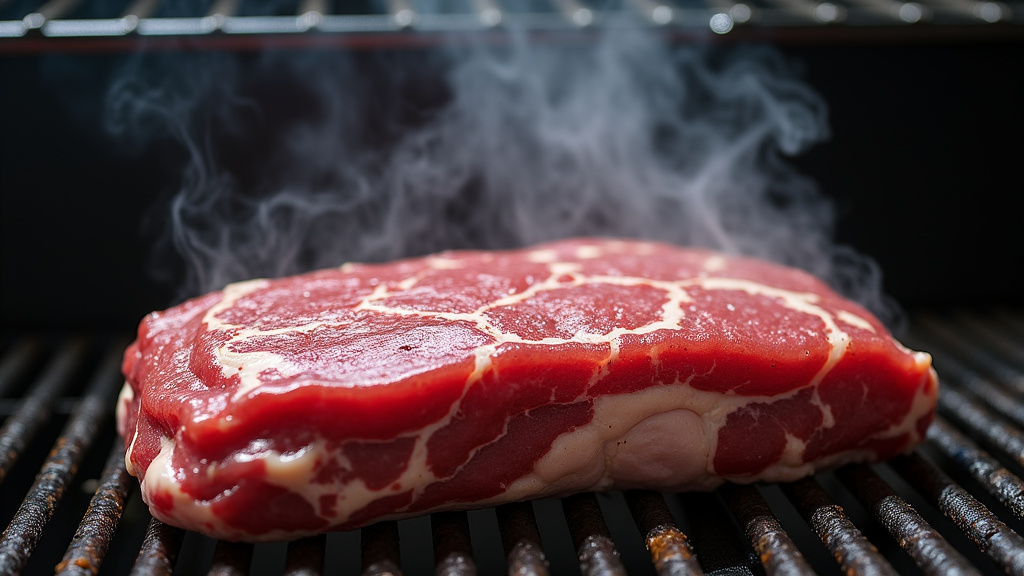
You’ll notice distinct stages. First, the meat will likely increase in temperature fairly steadily. Then, you’ll hit the dreaded “stall.” This is when the meat’s internal temperature plateaus, sometimes for hours.
The stall happens due to evaporative cooling. As moisture evaporates from the surface of the meat, it cools the meat down, counteracting the heat from the smoker. Don’t panic! This is normal. Some people wrap their meat in butcher paper or foil at this stage to push through it.
Achieving the Perfect Internal Temperature for Tenderness
The ultimate goal for tenderness is an internal temperature of around 195°F to 205°F (90°C to 96°C). This is the magic zone where collagen has fully broken down. Use a reliable meat thermometer to check the thickest part of the meat, avoiding bone.
When the meat probes easily with little to no resistance, it’s likely ready. Imagine probing a jar of peanut butter; that’s the feeling you’re going for. It should feel like you’re inserting the probe into warm butter.
Essential Tips for All-Day Low Temperature Smoking Success
Ready to give it a try? Here are some tips to help you achieve fantastic results and avoid common pitfalls.
Maintaining a Stable Smoker Temperature
Consistency is your best friend. Once you set your smoker to its target temperature (200-250°F), do your best to keep it there. Resist the urge to open the lid too often. Every time you open the smoker, you lose heat and extend your cooking time.
We found that using a water pan in the smoker can help stabilize temperatures and add moisture. It acts like a buffer against temperature swings. Some smokers have built-in water pans, while others allow you to place a disposable aluminum pan on a rack.
Wood Selection for Flavor
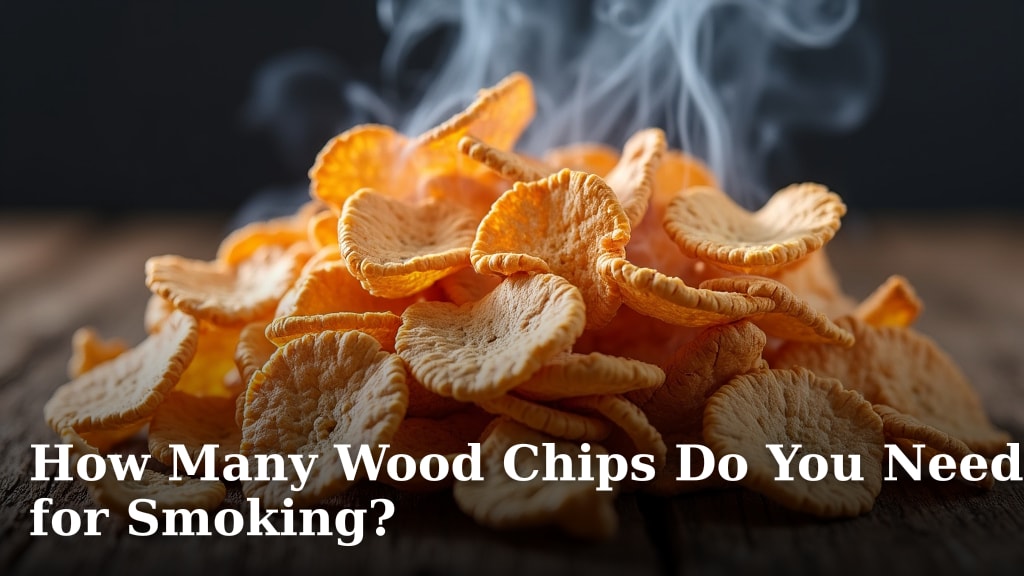
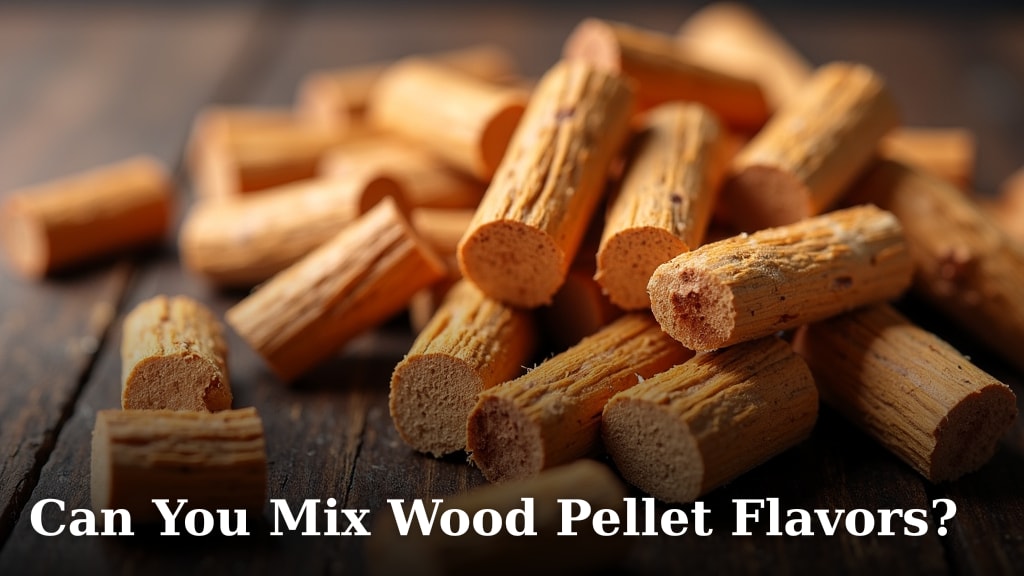
The type of wood you use matters! Different woods impart different flavors. For pork, hickory and apple are popular choices. For beef, oak or mesquite can be excellent. Experiment to find your favorites. Remember that too much smoke can make the meat taste bitter, so find a balance.
We recommend using a combination of hardwoods for a more complex flavor. For example, a base of oak with a few chunks of hickory can be a winning combination. Start with a moderate amount of wood and add more if needed.
Hydration is Key: Basting and Wrapping
To combat dryness during those long hours, consider basting or wrapping your meat. Basting with liquids like apple cider vinegar, broth, or your favorite barbecue sauce can add moisture and flavor.
Wrapping the meat in butcher paper or foil (often called the “Texas Crutch”) can help push through the stall and retain moisture. This is especially common for briskets and pork shoulders. Many experts suggest unwrapping the meat during the last hour or so to allow the bark to crisp up again.
Your All-Day Smoking Checklist
- Prepare your meat: Trim excess hard fat and apply your rub generously.
- Preheat your smoker: Get it to your target temperature (200-250°F).
- Add your wood: Ensure you have enough for the initial smoke.
- Place meat on the smoker: Close the lid and let the magic begin.
- Monitor temperature: Keep an eye on both smoker and meat internal temps.
- Consider wrapping: Be ready to wrap if the stall persists or to retain moisture.
Smoking meat at a low temperature all day is a labor of love, but it’s entirely achievable. With the right temperatures, cuts of meat, and a little patience, you can create barbecue that will have everyone raving.
Conclusion
You’ve learned that smoking meat at a low temperature all day is not only possible but a fantastic way to achieve incredibly tender and flavorful results. This low-and-slow method transforms tougher cuts into barbecue perfection by slowly breaking down connective tissues and allowing smoke flavors to penetrate deeply. Mastering smoker temperatures between 200°F and 250°F is your key to success. Now you have the knowledge to confidently plan your next long, low smoking session and impress your friends and family with your barbecue skills. Go ahead and fire up that smoker!
Frequently Asked Questions
How do I know when my meat is done after smoking all day?
You’ll know your meat is done when it reaches an internal temperature of 195°F to 205°F. It should also feel probe-tender, meaning a thermometer slides in easily with little resistance, much like probing warm butter.
What if my smoker’s temperature fluctuates a lot during a long cook?
Temperature fluctuations are common, but you can mitigate them. Using a water pan in your smoker helps stabilize temperatures and adds moisture. Also, resist opening the lid too frequently, as this releases heat.
Can I smoke any type of meat using the low and slow method?
While many meats can be smoked low and slow, this method truly shines with tougher, fattier cuts like beef brisket, pork shoulder, and ribs. These cuts have the collagen and fat needed to withstand long cooking times and become incredibly tender.
What is the “stall” in smoking, and how do I get past it?
The stall is when your meat’s internal temperature plateaus for hours due to evaporative cooling. You can push through it by wrapping the meat tightly in butcher paper or foil, often referred to as the “Texas Crutch,” which helps retain heat and moisture.
How much wood should I use for an all-day smoke?
Start with a moderate amount of wood, adding more as needed. Different woods produce different flavors, so choose based on the meat you’re smoking. Be careful not to overdo it, as too much smoke can create a bitter taste.